Ssanggyesa Temple in Hadong: Complete Guide to Jirisan’s Hidden Spiritual Sanctuary
Ssanggyesa Temple in Hadong is one of the most atmospheric Buddhist temples in South Korea, resting at the foot of Jirisan where mountain mist, cherry blossom roads, tea fields, and centuries of spiritual tradition meet in one deeply memorable setting.
Founded in 722, renamed Ssanggyesa in 887, and rebuilt in 1632 after wartime destruction, the temple carries both age and continuity. It does not feel like a museum piece. It feels lived in, practiced, and still quietly anchored to the rhythms of mountain Buddhism.
If you are looking for a Korea temple experience that combines history, meditation, tea culture, seasonal beauty, and a slower emotional tempo than the big cities, this is one of the strongest choices in the south of the country.
Who This Guide Is For
This guide is for travelers searching for Ssanggyesa Temple in Hadong history, entrance fee, opening hours, how to get there, temple stay information, cherry blossom season, tea culture highlights, and nearby attractions such as Hwagae Market, Buril Falls, and Hadong’s famous wild tea area.
Quick Summary
- Ssanggyesa Temple was founded in 722 and is one of Hadong’s most important spiritual and cultural landmarks.
- The current temple complex was rebuilt in 1632 after destruction during the Imjin War.
- The temple is famous for its spring cherry blossom approach, temple stay atmosphere, and proximity to Hadong’s historic tea culture.
- Official tourism information lists operating hours as 08:00–17:30 and admission as free.
- It works especially well when paired with Hwagae Market, tea museums, and a relaxed Jirisan foothills itinerary.
Why Ssanggyesa Temple in Hadong Feels So Special
Many Korean temples are beautiful, but not all of them stay with you in the same way. Ssanggyesa does because the setting feels inseparable from the spirit of the place. You are not walking toward a temple that was simply placed in nature. You are walking into a sanctuary that seems to have grown out of the valleys, streams, and wooded slopes of Jirisan itself.
That sense of immersion matters. The temple is surrounded by some of the most evocative landscapes in southern Korea: tea-growing hills, fog-softened mountain ridges, spring blossom roads, and forest paths that naturally slow your pace. Even before you enter the temple grounds, the mood begins changing. The noise drops. The air feels cooler. The trip stops feeling like transportation and starts feeling like arrival.
There is also something emotionally honest about Ssanggyesa. It is not flashy, and that is part of its strength. The place feels devotional rather than theatrical. For travelers tired of crowded “must-see” stops, this temple offers a different kind of value: stillness, depth, and time to notice things properly.
What It Feels Like to Walk Into Ssanggyesa
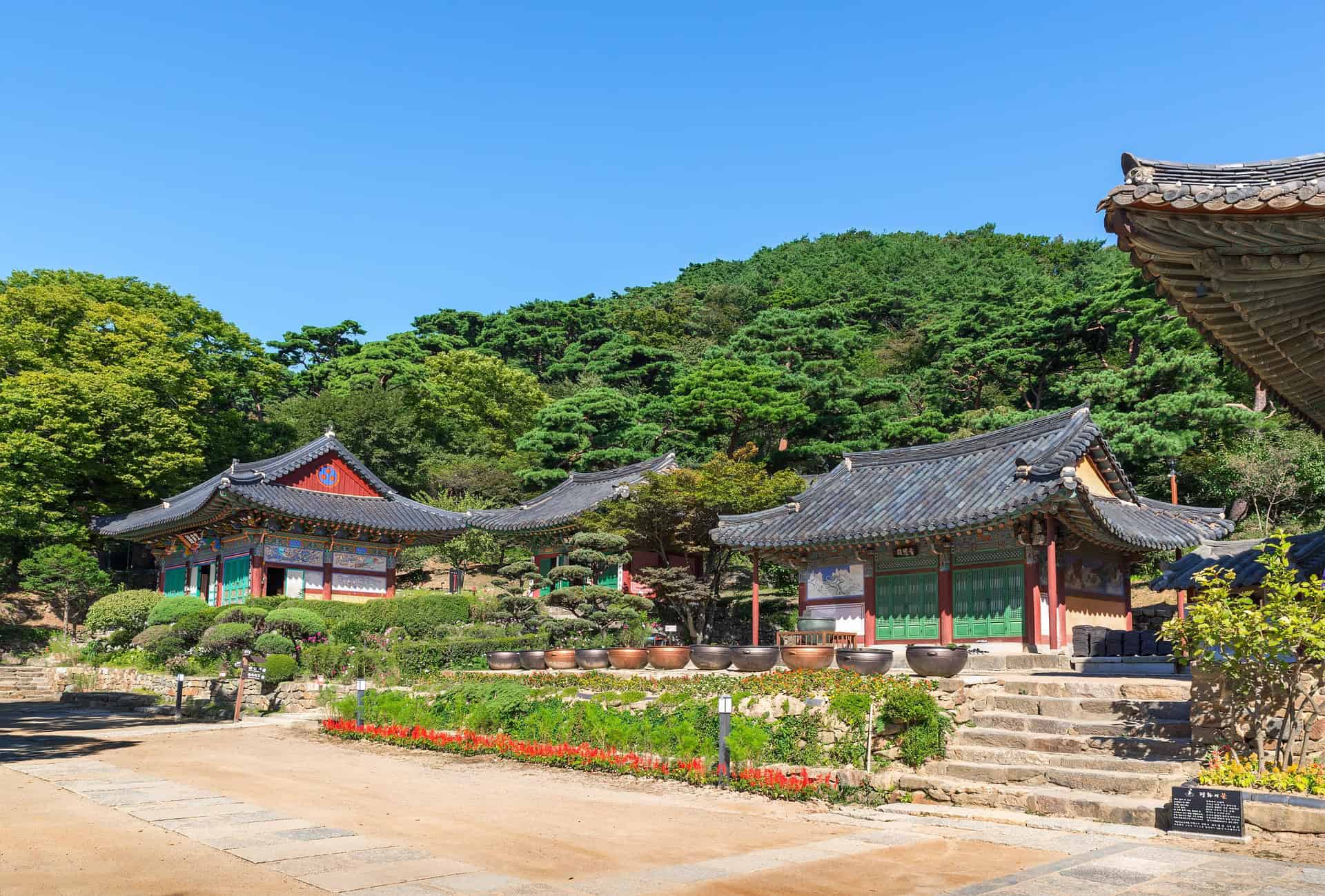
The first thing that usually changes here is your walking speed. You may start the day thinking this is just another cultural stop, but the approach has a calming effect. The streams, trees, and temple roofs appearing through the valley make you instinctively lower your voice and pay more attention.
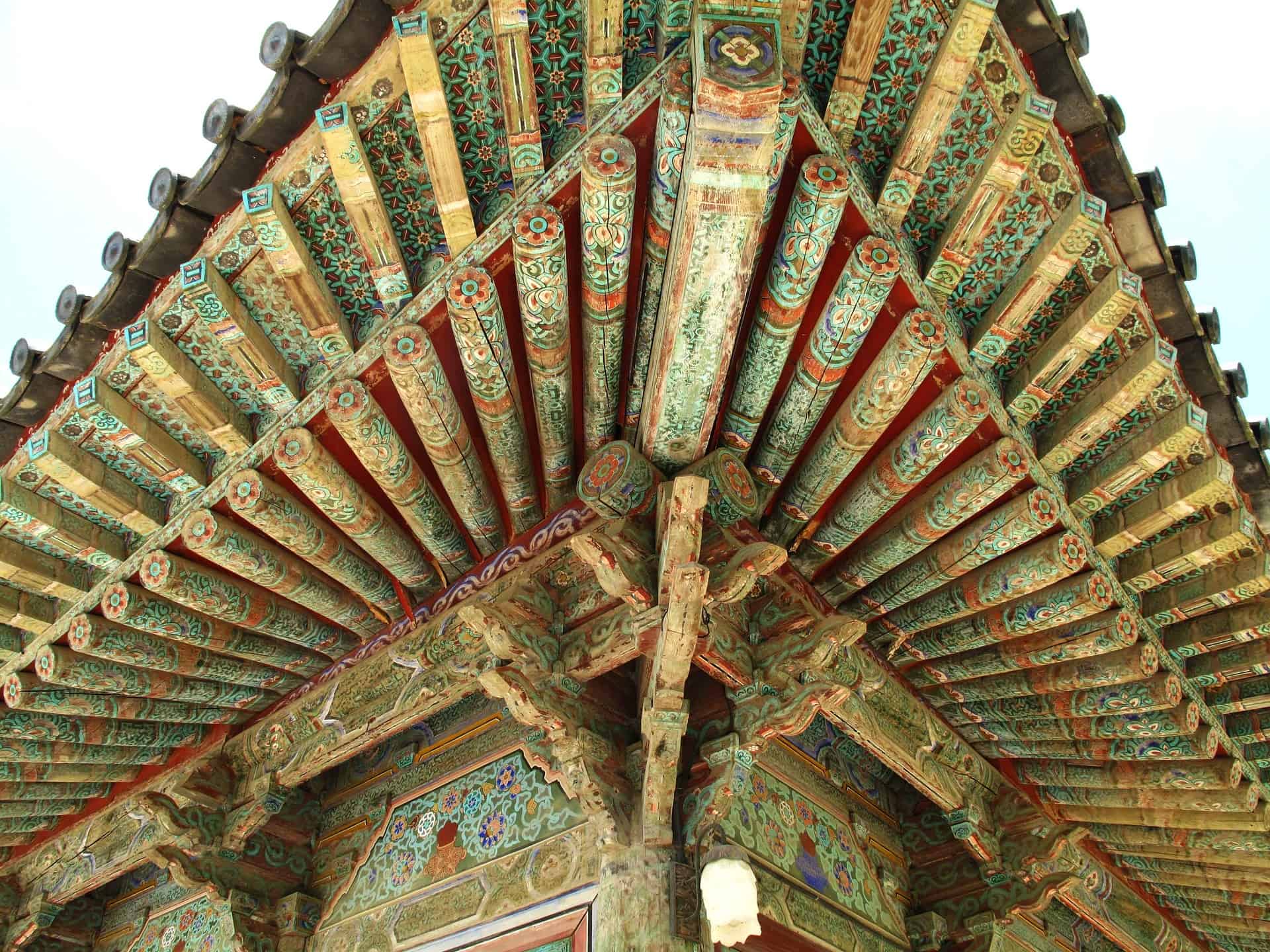
I think that is why Ssanggyesa works so well even for people who are not especially religious. It is not only about Buddhism as doctrine. It is about atmosphere. You hear water before you notice details. You start looking up at the surrounding mountain lines. You notice the painted dancheong colors, the worn stone, the quiet order of the courtyards, and the way the halls sit comfortably within the terrain.
What stayed with me most in similar mountain temples is not one dramatic moment, but the cumulative effect of small things: incense in cooler air, wooden eaves against the treeline, and the soft discipline of a place still shaped by practice rather than performance.
History and Spiritual Legacy
Ssanggyesa Temple was founded in 722 during the reign of King Seongdeok of Silla. Its earlier name was Okcheonsa, and the temple took on the name Ssanggyesa in 887. That alone gives it serious historical weight, but the site’s significance goes beyond age.
The temple suffered destruction during the Imjin War, and the current buildings were rebuilt in 1632. That rebuilding matters because it helps explain the feeling of continuity here. What visitors see today is not untouched antiquity, but something equally meaningful: a sacred place restored and kept alive across centuries of disruption.
Ssanggyesa also carries importance in Korean tea history. Hadong County identifies the temple area with Korea’s early tea cultivation story, and the local tourism narrative strongly connects the temple to the region’s thousand-year wild tea tradition. That tea heritage is not a random add-on. It is part of the cultural identity of the landscape itself.
Essential Visitor Information
| Official Address | 59 Ssanggyesa-gil, Hadong-gun, Gyeongsangnam-do, South Korea |
|---|---|
| Founded | 722 |
| Renamed | 887 |
| Current Complex Rebuilt | 1632 |
| Operating Hours | 08:00–17:30 |
| Admission | Free |
| Parking | Available |
| Best Visit Length | 2–4 hours, longer if combined with tea sites or nearby walks |
Top Things to See at Ssanggyesa Temple
Temple Courtyards and Main Halls
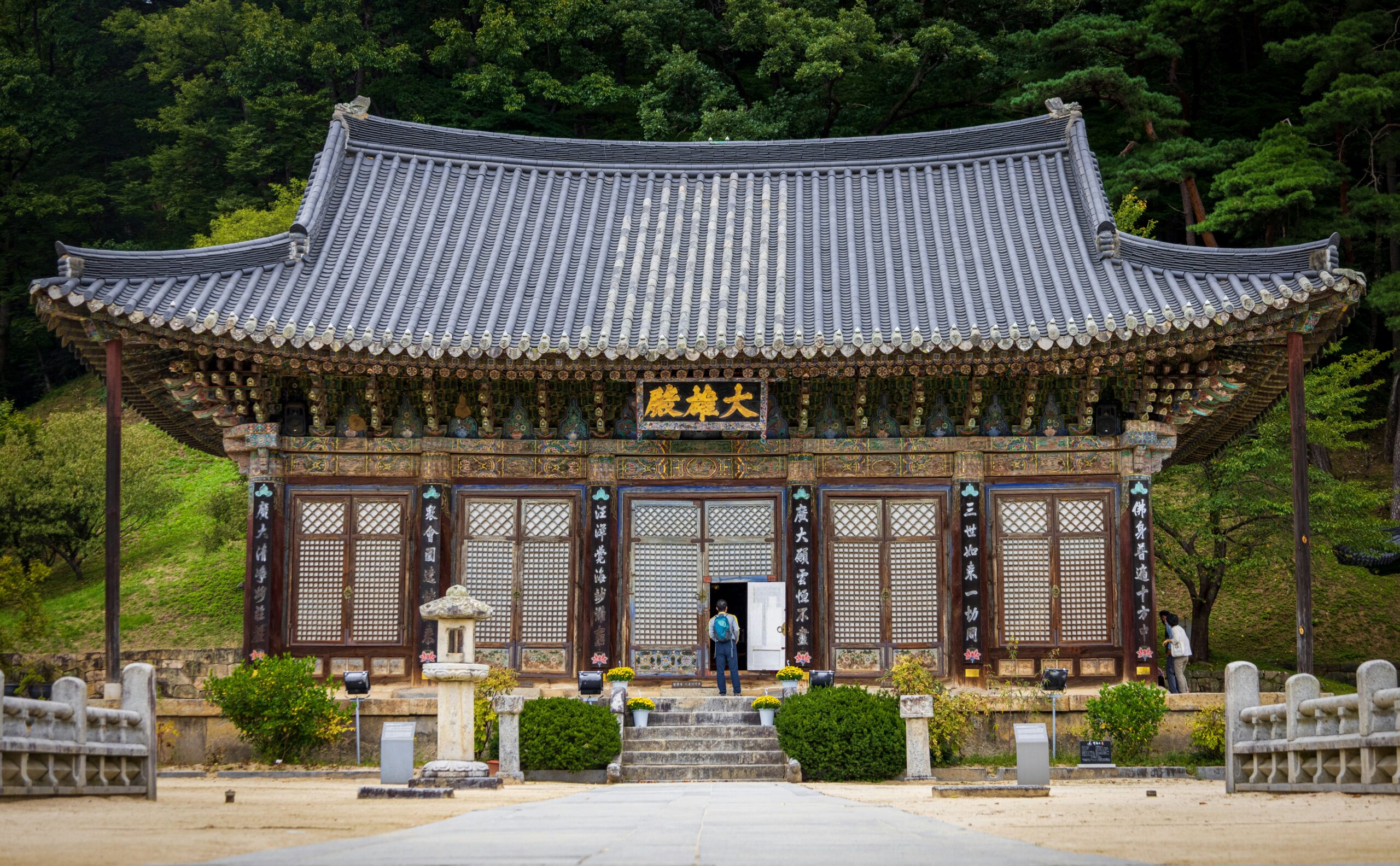
The architecture here feels balanced rather than overwhelming. Painted eaves, wooden structures, stone elements, and mountain framing all work together in a way that rewards slow observation.
The Cherry Blossom Approach
Ssanggyesa is especially famous for the long cherry blossom road associated with the area. In spring, this route becomes one of the most photogenic temple approaches in the region.
Tea Heritage Landmarks
Hadong County highlights monuments and local stories tied to early Korean tea cultivation near the temple. This gives Ssanggyesa a cultural dimension that goes beyond Buddhism alone.
Buril Falls and Mountain Nature
The surrounding area includes Burilpokpo Falls and forested Jirisan scenery, making Ssanggyesa ideal for travelers who want a temple visit that also feels like a nature day.
Templestay Atmosphere
Even if you do not book an overnight program, Ssanggyesa has the meditative quiet and structured atmosphere people often associate with temple stay experiences in Korea.
Spiritual and Cultural Experiences
Ssanggyesa is widely associated with templestay culture, and the broader Korean templestay system emphasizes practices such as meditation, tea conversation, communal meals, and participation in the daily rhythm of temple life. That framework helps explain why this temple resonates with international visitors looking for more than visual sightseeing.
What makes Ssanggyesa particularly compelling is how naturally tea culture fits into the experience. Hadong is one of Korea’s most celebrated tea regions, and the temple sits in a landscape where that tea identity feels deeply embedded. You can turn the visit into a richer cultural day by combining the temple with nearby tea-centered experiences, including the Hadong Tea Cultural Center and tea museum area.
I like this combination because it gives the trip texture. Without it, you simply “visit a temple.” With it, you begin to understand how spirituality, agriculture, local identity, and mountain geography all overlap in this part of Hadong.
Best Time to Visit
- Spring: The area is famous for cherry blossoms, and the temple approach becomes one of the most beautiful seasonal routes in Hadong.
- Early May: The Hadong Wild Tea Cultural Festival adds tea-focused energy, walking routes, and cultural programming to the region.
- Summer: Deep green valleys and fuller forests make the temple feel lush and secluded, though humidity can be higher.
- Autumn: Jirisan foliage brings color and cooler air, making this one of the best seasons for walking and photography.
- Buddha’s Birthday period: Lanterns and spiritual observances add extra atmosphere, though visitors should expect more activity.
If I had to choose only one season, I would split it between spring for visual impact and autumn for depth of mood. Spring is more obviously beautiful. Autumn feels more contemplative.
How to Get There
Ssanggyesa Temple sits in Hadong County, on the Jirisan side of Gyeongsangnam-do, so it is not the kind of place most travelers reach impulsively. That is part of its appeal, but it also means planning matters.
A common route is to travel first to the wider Hadong or Jinju area, then continue by local transport or taxi into Hwagae and the temple zone. If you are driving, parking is available, which makes the temple much easier to combine with tea attractions and nearby scenic stops.
Public transport is possible, but it is the kind of destination where timing matters. I would check the day’s connections in advance rather than assuming flexible onward options once you arrive in the valley. The last part of the journey is scenic enough that even the approach feels like part of the experience.
Nearby Attractions Worth Pairing With Ssanggyesa
Hwagae Market
This is one of the region’s best-known traditional markets and is strongly tied to the wider Ssanggyesa-Hwagae tourism circuit. It is a good stop for local products, regional food, and a more grounded sense of daily life in Hadong.
Hadong Tea Cultural Center
If you want context for Hadong’s tea reputation, this is one of the best follow-up stops. The center includes the tea museum, tea experience programs, and wellness-oriented activities tied to the region’s thousand-year tea tradition.
Buril Falls
For travelers who want a temple-and-nature combination, Buril Falls adds a strong landscape element and makes the day feel more fully rooted in Jirisan terrain.
Simni Cherry Blossom Road
In spring, this is one of the area’s defining experiences. If your trip timing is right, it can become one of the visual highlights of southern Korea.
Ssanggyesa Temple vs. More Famous Korea Temple Stops
| Temple | Best For | Atmosphere | Why Choose It |
|---|---|---|---|
| Ssanggyesa Temple | Mountain spirituality, tea culture, seasonal scenery | Quiet, reflective, immersive | Best for combining temple travel with Hadong tea heritage and Jirisan nature |
| Kiyomizu-dera style urban temple visits | Quick access and city itineraries | Busier, more tourist-oriented | Better for travelers prioritizing convenience |
| Large metropolitan temple stops in Korea | Easy day trips | More accessible, less secluded | Good for first-time visitors with limited time |
Who Should Visit Ssanggyesa Temple?
- Travelers looking for a quieter and more spiritual side of Korea
- Visitors interested in Buddhist heritage beyond major city itineraries
- People who love spring blossoms, autumn foliage, and mountain landscapes
- Anyone curious about the relationship between Korean tea culture and temple life
- Return travelers who want a deeper, less commercial destination
This may be less ideal for travelers who only have one very short day in the region and want maximum convenience. Ssanggyesa rewards time, not speed.
FAQ
Where is Ssanggyesa Temple in Hadong?
The official tourism listing gives the address as 59 Ssanggyesa-gil, Hadong-gun, Gyeongsangnam-do, South Korea.
Is Ssanggyesa Temple free to enter?
Yes. Current official tourism information lists the admission fee as free.
What are the opening hours?
Official tourism information currently lists the operating hours as 08:00–17:30.
Why is Ssanggyesa famous?
It is known for its long history, Jirisan setting, spring cherry blossom road, temple atmosphere, and close connection to Hadong’s tea culture.
When was Ssanggyesa Temple founded?
The temple was founded in 722. It later took the name Ssanggyesa in 887, and the current complex was rebuilt in 1632.
Can I combine it with other attractions?
Yes. Good pairings include Hwagae Market, Buril Falls, and the Hadong Tea Cultural Center.
Is spring the best season?
Spring is the most famous because of the cherry blossoms, but autumn is excellent for cooler weather and foliage.
Does Ssanggyesa have a templestay atmosphere?
Yes. The temple is associated with Korea’s templestay culture, and even a daytime visit carries that calm, reflective mood.
More Korea Travel Inspiration
Official Resources
Map
Final Thoughts
Ssanggyesa Temple in Hadong is more than a historic Buddhist site. It is one of those places where landscape, belief, and local identity still feel connected in a living way.
What makes it memorable is not only the age of the temple or the beauty of the buildings, but the way the entire valley supports the experience: cherry blossoms in spring, mountain stillness, tea culture, market life, and the slower rhythm of Jirisan’s foothills.
For travelers who want Korea to feel deeper, quieter, and more grounded than the standard city route, Ssanggyesa is absolutely worth the journey.