Thailand Entry Guide: Step-by-Step Immigration, Airport Strategy & Common Mistakes
Search Intent: This page explains what really happens after landing in Thailand in 2026 — TDAC timing, immigration flow, e-gates, baggage claim, customs, airport SIM strategy, airport rail vs Grab vs taxi, and the practical mistakes that waste the most time at Suvarnabhumi and Don Mueang.
Quick Arrival Blueprint (2026)
- TDAC first: Most foreign travelers should complete the Thailand Digital Arrival Card within the 3 days before arrival.
- Fastest move: Walk straight to passport control before stopping for money, SIM cards, or snacks.
- Best BKK rail option: Airport Rail Link is still the smartest choice for solo travelers headed into central Bangkok during traffic hours.
- Best family option: Grab or official airport taxi is usually easier if you have children, multiple bags, or a late-night landing.
- Main scam rule: Ignore fixed-price offers inside arrivals and use only official airport transport points.
Why Thailand Arrival Feels Easier in 2026 — and Why People Still Mess It Up
Thailand arrival in 2026 is smoother than many travelers expect, but only if you understand the order of the system. A lot of first-time visitors still lose 30 to 60 unnecessary minutes because they treat the airport like a shopping zone before they treat it like a border crossing.
That is the real pattern I would prepare for. The moment the cabin door opens, the airport looks calm, modern, and almost inviting enough to slow you down. Then three long-haul flights empty at once, the corridor thickens, and the difference between “easy arrival” and “stressful arrival” becomes whether you moved decisively in the first ten minutes.
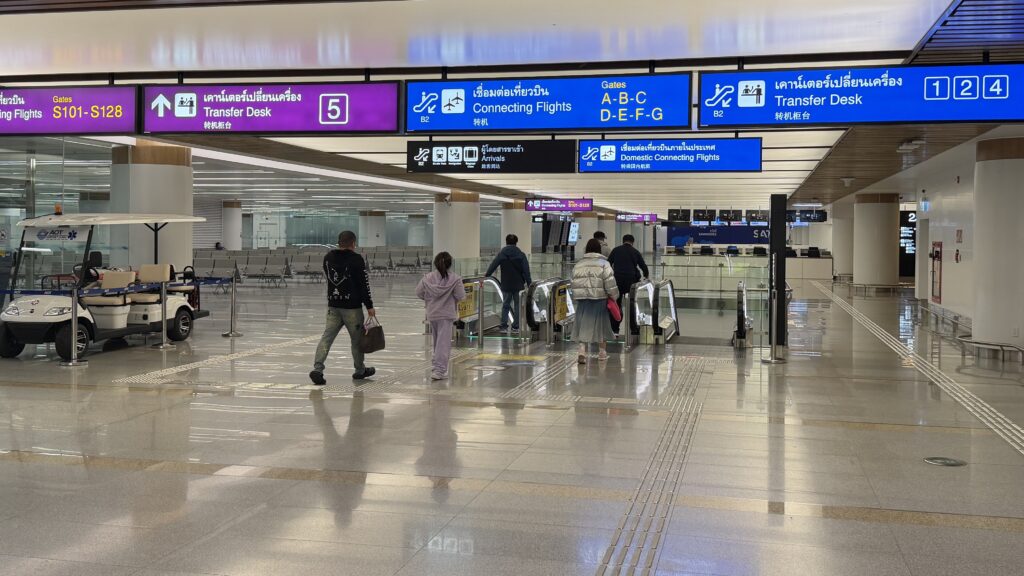
Suvarnabhumi still gives that huge cinematic first impression: bright ceiling grids, polished corridors, long moving walkways, and a sense that Bangkok begins before you even reach the baggage belt. Don Mueang feels less dramatic, more functional, and usually a little less graceful, but for many low-cost routes it is still completely manageable. The mistake is assuming both airports work the same way. They do not. BKK rewards planning and lane choice. DMK rewards simplicity and speed.
What It Actually Feels Like After Landing
At BKK, the arrival sequence feels long but logical. You get off the plane, follow the stream toward passport control, and if your aircraft is parked at SAT-1 you may need to use the internal train connection before reaching the main terminal arrival process. That part sounds complicated on paper, but in practice it is well signed. The airport’s layout is built to absorb huge international arrival waves, and that scale is both its biggest strength and its biggest trap.
I think this is where many travelers misread the experience. Because the airport looks polished and organized, they relax too early. I made this mistake myself on a previous Asian arrival years ago — not in Thailand, but the logic was identical. I slowed down, checked messages, stopped to get oriented, and by the time I reached immigration, three aircraft had already stacked in front of me. Since then, I treat every international arrival as a race against a queue, not against distance.
DMK feels more compressed. You usually understand the building faster, but that also means congestion can feel more immediate. If BKK is a broad funnel, DMK can feel like a narrower one. The upside is that once you are landside, your next move is often more obvious.
Thailand Arrival Process in 2026: Step-by-Step
1) Before you board
- Check whether you need a visa or qualify for visa-exempt entry.
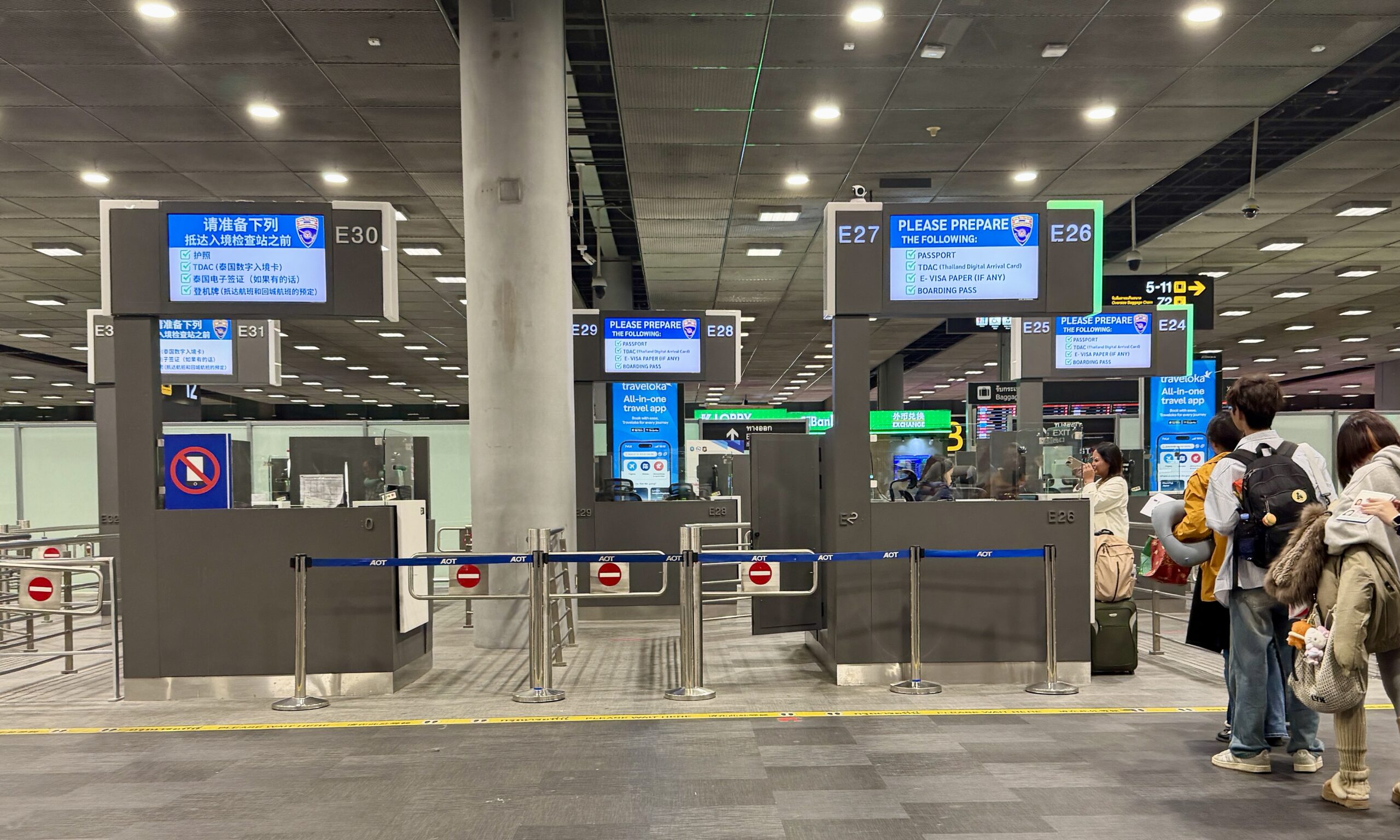
- Complete your Thailand Digital Arrival Card (TDAC) during the allowed pre-arrival window.
- Save your hotel name, address, and first-night contact details.
- Keep proof of onward or return travel accessible if your airline or immigration officer asks.
- Screenshot your transport plan before departure so you are not making big decisions on weak airport Wi-Fi while tired.
2) After landing
Follow the international arrivals signs directly to passport control. At Suvarnabhumi, some arrivals may route through SAT-1 and then onward to the main terminal arrival process. Do not assume that a long walk means you took a wrong turn. Usually, it just means the airport is doing what large hub airports do.
3) Passport control / immigration
Thailand’s arrival process is now more digital than the old paper-card era. In practical terms, that means your preparation matters more than handwriting speed. E-passport holders may see automatic channel or e-gate style processing options depending on lane availability and eligibility, while others will use manual counters. Either way, the big variable is not usually the officer interaction itself — it is queue build-up from flight banks.
4) Baggage claim
Once you clear passport control, go straight to your carousel. If you packed light and your bag is delayed, this is usually where the arrival timing stretches. I personally prefer to treat baggage claim as the first moment to slow down, not immigration. That order feels minor, but it changes the mood of the entire arrival.
5) Customs
If you have nothing to declare, use the green channel. If you are carrying goods that require declaration or restricted items, use the red channel. Thailand’s customs system is simple in principle, but the safest rule is obvious: if you are unsure whether something needs declaration, do not gamble on tired judgment after a long flight.
6) Landside decisions
Only after customs should you think about SIM cards, cash exchange, food, and ride choice. This is where many travelers switch from “entry mindset” to “city mindset,” and the best move depends on where you are staying, what time you landed, and how much luggage you have.
Key Arrival Facts You Should Know
| Topic | Practical Answer |
|---|---|
| TDAC window | Complete it shortly before arrival within the official pre-arrival timeframe, not weeks in advance. |
| Old TM6 paper card | The old paper-card logic has largely been replaced by the digital arrival workflow for foreign travelers. |
| Fastest city access from BKK | Airport Rail Link if you travel light and are heading toward the rail-connected core of Bangkok. |
| Official BKK taxi point | Level 1 public taxi area with queue-ticket machines. |
| Best app-based ride choice | Grab is the easiest for most visitors because pickup points are clearer and pricing is transparent. |
| Best SIM strategy | Install an eSIM before departure or use only official telecom counters after immigration. |
Airport Rail Link vs Grab vs Taxi: Which One Should You Actually Use?
This is the decision that shapes your first impression of Bangkok. Get it right and the city feels efficient. Get it wrong and your “welcome to Thailand” memory becomes a sweaty negotiation with luggage while traffic barely moves.
| Option | Best For | Advantages | Trade-Offs |
|---|---|---|---|
| Airport Rail Link | Solo travelers, backpacks, daytime arrivals | Fast, predictable, avoids road traffic | Not ideal with heavy luggage or hotel transfers far from rail links |
| Grab | Families, tired arrivals, clear pricing preference | App-based routing, no fare negotiation, simple payment flow | Traffic can erase the convenience advantage |
| Official Public Taxi | Late-night arrivals, direct hotel drop-off, simple traditional option | Regulated airport process, easy for first-timers | Airport surcharge and toll discussion can confuse exhausted visitors |
My honest rule for choosing
If I land at BKK in daytime with one bag, I would take Airport Rail Link almost every time. If I land late, travel with someone else, or head to a hotel that is awkward by rail, I would choose Grab. I reserve the official public taxi for cases where I want a simple direct ride and do not want to think too much.
BKK vs DMK: Arrival Experience Comparison
| Factor | Suvarnabhumi (BKK) | Don Mueang (DMK) |
|---|---|---|
| First impression | Modern, large, polished, spacious | Compact, functional, lower-cost-carrier feel |
| Best for | Long-haul arrivals, central rail access, premium international gateway feel | Regional routes, low-cost itineraries, simpler layout |
| Transport personality | Rail is a major advantage | Road-based choices matter more |
| Common mistake | Underestimating walking distance and queue waves | Assuming pickup logistics are self-evident |
SIM Cards, eSIM, Cash Exchange, and the First 30 Minutes
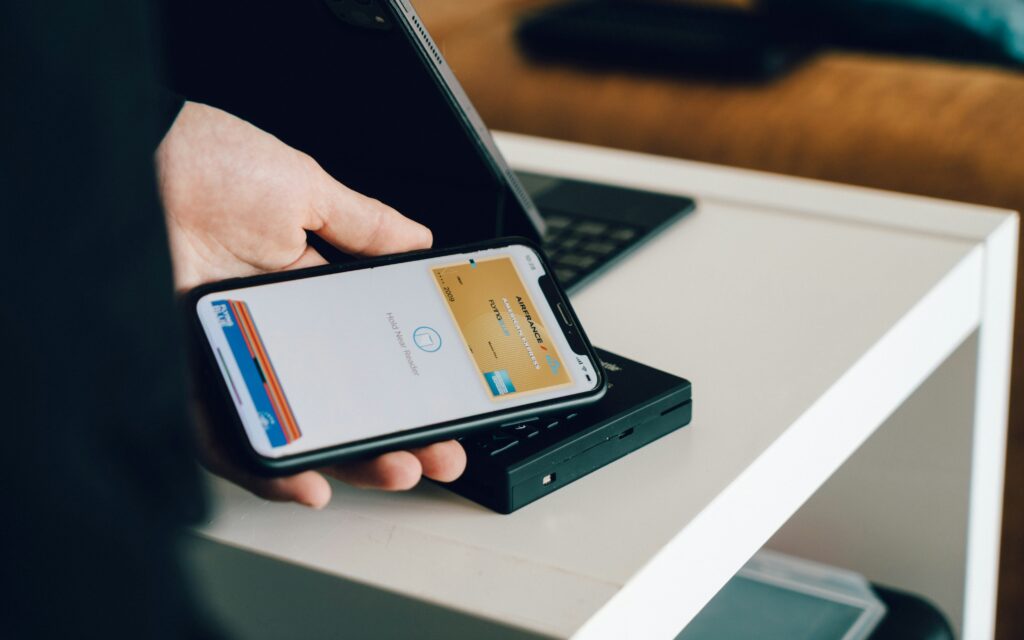
Your phone setup is not a small issue in Thailand. It determines whether you can call a car, confirm your hotel, translate an address, and avoid walking into bad transport decisions. That is why I strongly prefer solving connectivity before the trip, not after landing.
- Best setup: install an eSIM before departure so your phone is ready the moment you land.
- Second-best setup: use only official airport telecom counters after immigration.
- Worst setup: comparing every package while standing in the arrival hall before border control.
- Cash strategy: exchange only a small amount at the airport unless you specifically need baht immediately.
- Card reality: digital payments are common, but transport, small food stops, and some local situations still reward having at least a little cash.
The 7 Most Common Arrival Mistakes
- Waiting until the airport to think about TDAC.
- Stopping for food or shopping before immigration.
- Accepting unofficial transport help inside arrivals.
- Assuming all taxi situations are scams and then getting stuck overthinking.
- Not saving the hotel address in a screenshot.
- Landing without data and trying to rely on memory.
- Choosing rail with too much luggage, then regretting every escalator and platform transfer.
Who This Arrival Strategy Works Best For
Best fit: first-time Thailand visitors, visa-exempt tourists, short-stay city travelers, and anyone landing in Bangkok who wants to minimize confusion rather than optimize every baht.
Needs extra checking: travelers entering on special visa categories, long-stay visitors, people with recent rule changes affecting their nationality, and anyone arriving with unusual customs declarations.
My simple advice: when your entry status is complicated, never let a blog post be your final authority. Use the official visa and entry systems before flying.
Frequently Asked Questions (2026)
How early should I complete TDAC?
Complete it in the official pre-arrival window, not months ahead. Treat it as part of your final travel checklist before departure.
Is the old TM6 paper form still the main system?
No. The arrival process is now built around the digital arrival workflow rather than the old paper-card habit many travelers remember.
Can foreign travelers use automated immigration channels?
Some travelers may be able to use automatic channels depending on e-passport standards and operational conditions. Never assume eligibility until you see the lane rules on arrival.
What is the fastest way from BKK to central Bangkok?
For most light-pack travelers during normal operating hours, Airport Rail Link is usually the fastest and most predictable choice.
Is Grab allowed at BKK and DMK?
Yes, but use the designated pickup instructions and airport zones rather than improvising. Official pickup organization matters.
Should I buy a SIM card after landing or before departure?
Before departure is better. A pre-installed eSIM makes arrival smoother and reduces stress immediately after customs.
Do I need to exchange a lot of money at the airport?
Usually no. Exchange only what you need for the first part of the trip unless you have a specific reason to carry more cash right away.
Which airport is easier for first-time visitors: BKK or DMK?
BKK is usually easier if you value better signage, rail access, and a more intuitive international-hub feel. DMK can still be easy, but it feels more practical than polished.
Related Trip Nexus Guides
Official Resources
Final Verdict
Thailand Arrival Guide 2026 comes down to one idea: Thailand rewards travelers who prepare before the wheels touch the runway. The system is no longer difficult in the old-fashioned paperwork sense. It is difficult only when you arrive underprepared, underslept, and reactive.
If I had to reduce this whole guide to one sentence, it would be this: complete TDAC, walk quickly, ignore unofficial transport offers, and choose your ride based on luggage and time of day rather than ego. That formula is not glamorous, but it works.