Russia Visa Guide: Entry Rules, E-Visa & Practical Travel Insights
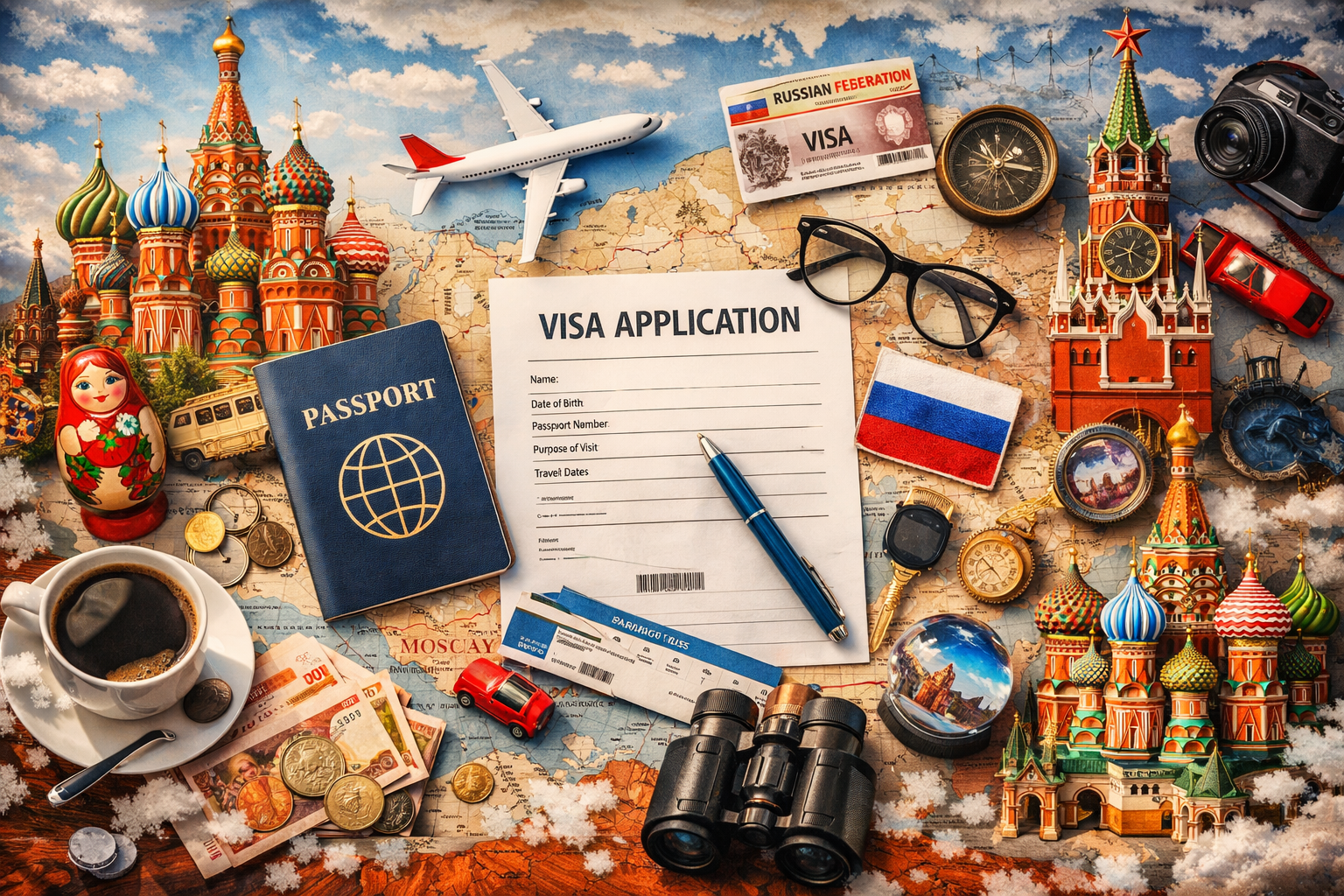
Traveling to Russia is as much a bureaucratic journey as it is a cultural one. From visa eligibility to border inspections, understanding Russia’s entry requirements is essential before you book flights or accommodation. This Russia Visa Guide provides a clear, practical breakdown of visa rules, application timelines, fees, connectivity, and currency considerations for tourists, families, students, digital nomads, and business travelers.
Visa-Free Entry to Russia
Russia’s visa-free access is limited and governed by bilateral agreements that can change with little notice. Most travelers from North America, the European Union, and much of Asia must obtain a visa before arrival. Certain passport holders from South America, CIS countries, and select Asian nations may qualify for short visa-free stays, depending on nationality and purpose of travel.
Because eligibility can shift rapidly due to diplomatic changes, travelers should always confirm their status via the official Russian visa portal before booking. Seasonal demand also affects border processing, with summer holidays and winter festivals causing longer queues at major airports such as Moscow Sheremetyevo and St. Petersburg Pulkovo.
Types of Russian Visas
Tourist, Business & Student Visas
Russia offers several visa categories, including tourist, business, student (short- and long-term), humanitarian, personal, and transit visas. Each visa type has specific documentation requirements. A common misconception is that remote work is allowed on a tourist visa—it is not. Digital nomads typically require business or humanitarian visas, depending on activity.
Applicants should prepare detailed itineraries, accommodation confirmations, proof of funds, and return tickets. Students and long-term visitors may face additional checks related to institutional sponsorship and financial stability.
Family & Group Travel Considerations
Families traveling with children should carry birth certificates and notarized consent letters if one parent is not present. Group travelers and students may be asked to provide official invitation letters or group leader credentials. Medical insurance documentation is frequently checked, particularly for elderly travelers.
Russia Visa Application Fees
Visa fees vary by nationality, visa type, and processing speed. Standard tourist visas are relatively affordable, while expedited processing significantly increases costs. Business and long-term student visas generally carry higher fees due to enhanced review procedures.
Always verify current pricing on the official e-visa website. Additional costs such as translation, notarization, and service center charges are often non-refundable and should be factored into your budget.
Visa Processing Time
Processing times range from approximately three business days for eligible e-visas to several weeks for complex applications, including student and long-term visas. Peak travel periods—May through July and December through January—often result in delays.
Applicants traveling with children or elderly family members should apply well in advance, as additional medical or insurance documentation may be requested during review.
Official Online Application & Status Check
The Russian government manages applications through its official e-visa portal, which supports tourist, business, and humanitarian visas for eligible nationalities. Applicants can track their visa status online at every stage of processing.
Respond promptly to any requests for additional documents, as delays in communication can significantly slow approval.
Local Telecom & Connectivity in Russia
Reliable connectivity is essential for navigation, translation, and emergency access. The largest provider, MTS, offers strong coverage in cities and major transport corridors. Travelers can purchase local SIM cards or eSIMs at airports and official retail outlets.
While urban areas benefit from high-speed networks, rural regions may experience coverage gaps. Verify device compatibility and roaming policies before departure to avoid excessive international charges.
Currency, Banking & Financial Access
Russia uses the ruble, regulated by the Central Bank of Russia. Currency exchange is widely available in cities but less reliable in rural areas. Travelers should monitor exchange rates through official sources and use licensed banks or exchange offices.
Sanctions and banking restrictions may affect foreign card usage. Carrying a combination of cash and cards is recommended. Inform your home bank of travel plans and confirm ATM compatibility in advance.
Final Travel Preparation Tips
Beyond visas and finances, travelers should prepare for Russia’s climate extremes and cultural expectations. Large cities are generally safe, though petty theft can occur in crowded areas. Keep photocopies of important documents separate from originals and pack clothing suitable for seasonal conditions.
With proper preparation, crossing into Russia becomes the gateway to a destination rich in history, scale, and unforgettable experiences.
Visa / Immigration: https://electronic-visa.kdmid.ru
Border Control: https://мвд.рф
Telecom: https://www.mts.ru
Currency / Central Bank: https://www.cbr.ru