Slovenia Visa Guide (2026): Schengen Entry Rules, Fees, Documents, Border Questions & Clean Checklists
Slovenia Visa Guide is your “no-stress” entry plan for Slovenia—tourism, business, visiting family, or longer stays.
Slovenia is inside the Schengen Area, so the rules are standardized… and yes, the checks can be strict.
The trick is simple: keep your story consistent (purpose → dates → bookings → money proof), and border control becomes quick and boring (in a good way).
You want the real, practical stuff: who needs a visa, how 90/180 Schengen days work, what documents border officers can ask for,
current fees, realistic processing time, how to avoid the top rejection triggers, and what to prepare on arrival (SIM, money, safety).
Quick Summary (Save This)
- Schengen rule: short stays are max 90 days in any 180-day window across all Schengen countries combined.
- Border checks are real: even visa-free travelers can be asked for hotel/invitation, return/onward, and funds proof.
- Schengen visa fee: the standard short-stay (Type C) fee is €90 for adults (updated EU fee level).
- ETIAS: not live yet — the official EU site says it’s expected to start in Q4 2026. Don’t pay any “apply now” websites.
- Biggest mistake: your documents tell one story, but you say another (purpose/date mismatch = delays, refusals, or visa rejection).
Quick Planning Snapshot (2026)
| Short stay rule | Up to 90 days within any 180 days across the Schengen Area (combined). |
|---|---|
| Visa types used | Airport transit (A), Short-stay Schengen (C), National long-stay (D). |
| Schengen visa fee | €90 (adults), €45 (children 6–11) — standard EU fee level (service fees may apply at external providers). |
| ETIAS (visa-free travelers) | Not live yet — the official EU ETIAS website states operations expected in Q4 2026. |
| Where to verify “Do I need a visa?” | Use Slovenia’s official government pages (GOV.SI / MZZ) for the latest visa regime list. |
| Official sources (start here) | GOV.SI | MZZ (Foreign Affairs) | Slovenia Police (Border Control) | Official EU ETIAS site | European Commission (Home Affairs) |
Sources used for the 2026 update: Slovenia Police entry/residence guidance, GOV.SI visa/entry pages, EU Commission Schengen visa fee update, and the official EU ETIAS site timeline.
What Border Control Usually Feels Like (Realistic)
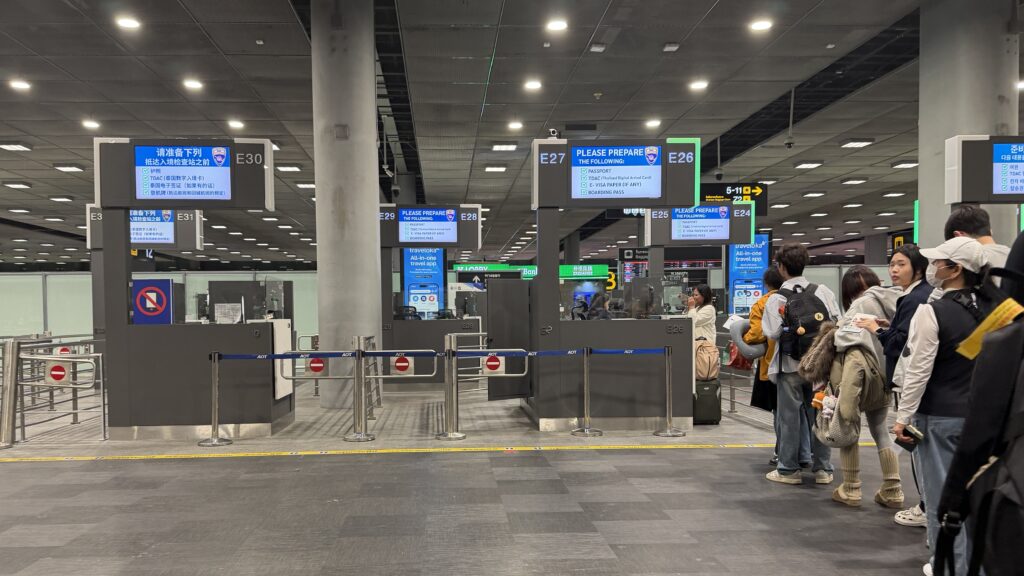
If you’re flying into Ljubljana or entering by land, most people have a totally normal experience: passport check, a couple questions, stamp or scan, done.
But Slovenia is Schengen, and Schengen officers have the right to ask for proof if they want clarity.
The “stress” usually happens when travelers can’t quickly show where they’ll stay, how long, and how they’ll pay.
Keep a small “border folder” on your phone: hotel booking / invitation, return ticket, insurance (if applicable), and a recent bank statement screenshot.
When asked, you can answer in 10 seconds instead of explaining for 10 minutes.
Quick Entry Checklist (Border-Ready)
- Passport validity: valid for your full stay (many travelers keep extra buffer to avoid airline disputes).
- Purpose: tourism / business / family visit — pick one and keep it consistent.
- Accommodation proof: hotel booking or invitation (address + contact details).
- Onward/return plan: ticket confirmation or a clear onward itinerary.
- Money proof: bank statement, cards, or sponsor documents (quickly accessible).
- Travel insurance: essential for Schengen visa applications; still smart for visa-free travel.
- Schengen day tracking: double-check your 90/180 count before you travel.
Visa-Free Entry (Still Not “No Checks”)
Many nationalities can enter Slovenia visa-free for short stays under Schengen rules.
But visa-free does not mean “walk in with nothing.”
Border officers can request evidence that you meet entry conditions—especially when travel plans look vague.
- Where are you staying? Hotel booking or invitation letter.
- When are you leaving? Return / onward proof.
- How will you pay? Funds proof (bank statement / cards).
- What’s your plan? Simple itinerary that matches your dates.
People miscount Schengen days or casually say “I’ll extend later.”
Overstays can cause future refusals and visa problems. If you’re unsure, track your days carefully before boarding.
Types of Visas for Slovenia (Simple, Not Confusing)
For tourism, short business, short family visits, events, and other temporary stays.
Your documents should clearly prove: why you’re going, where you’ll stay, how you’ll fund it, and why you’ll leave.
- Itinerary + bookings that match dates
- Funds proof (and sponsor proof if someone pays)
- Travel medical insurance for Schengen visa rules
For work, study, family reunification, and other longer stays.
The big difference: your “purpose proof” needs to be official (employment contract, enrollment letter, sponsorship, etc.).
- Official letters/contracts
- Accommodation proof
- Insurance that meets long-stay conditions
- Clean, lawful stay pathway (no “tourism but actually living” vibes)
Slovenia is popular for remote work, but there isn’t always a dedicated “digital nomad visa” bucket.
The number one rejection trigger is purpose mismatch: applying as tourism while your documents clearly show remote work plans.
Choose a category that legally matches your situation (and check official guidance before you commit).
Visa Fees & Processing Time (Updated Reality)
Schengen visa fees follow EU-wide rules. The European Commission confirmed the updated standard Schengen visa fee level (adult) is €90.
Some applicants have reduced fees or exemptions (children under 6, certain researchers/students, etc.), depending on eligibility.
- Apply early: peak season (summer, holidays, semester start) is slower.
- Best buffer: aim for 4–6 weeks before travel (more if complex).
- Most delays come from: missing docs, unclear purpose, inconsistent dates, weak financial proof.
Your documents should tell one clean story.
If your hotel dates, flights, and itinerary don’t match, you’re basically inviting extra questions.
ETIAS (2026) — Don’t Get Scammed
Here’s the only thing you need to remember:
ETIAS is not live yet. The official EU ETIAS site states it is expected to start operations in the last quarter of 2026.
That means if a website says “Apply now” today, it’s either fake or a paid third-party service.
- Official ETIAS source: travel-europe.europa.eu
- Safety rule: don’t pay anyone unless you’re sure you’re on an official government/EU domain.
Insider Tips & Warnings (This Saves People)
Keep 4 screenshots ready: hotel, return ticket, insurance (if relevant), bank statement.
You’ll answer fast, confidently, and the conversation ends immediately.
Tourism means tourism. If you’re visiting family, say that and show the invitation/address. Business means business (meeting invite, event registration).
Complexity = extra questions.
The 90/180 rule is the #1 “accidental” travel killer. If you’ve been hopping around Europe, check your remaining days before you buy non-refundable tickets.
Your flight says one date, your hotel says another, and your itinerary says “maybe.”
Officers and visa staff see that as uncertainty. Fix the story before you travel/apply.
If you enter as a short-stay visitor, be prepared to show you’ll leave within allowed days.
Extensions aren’t a casual promise—overstays can harm future entry.
If the domain isn’t a real government/EU domain, assume it’s marketing.
Always start at: mzz.gov.si or gov.si.
A vs B: Visa-Free Entry vs Schengen Visa (Type C)
| Choose based on… | Visa-Free (if eligible) | Schengen Visa Type C |
|---|---|---|
| Who | Nationals of visa-exempt countries (check official list) | Those who require a visa based on nationality/purpose |
| Best for | Simple tourism / short visits with clear proof | When visa is required or you need formal authorization |
| My verdict | Fastest path—just be document-ready at the border | Slower but structured—strong paperwork matters |
Practical Arrival Prep: SIM, Money, Safety
Having data immediately helps with navigation, banking verification, and contacting accommodation.
Telekom Slovenije is a major local operator.
- Telekom Slovenije (Official)
- Tip: if you’re an eSIM person, set it up before landing.
Slovenia uses the euro (EUR). ATMs are common in cities; smaller towns may prefer cash for tiny purchases.
Keep a backup payment method (second card) if you can.
- Bank of Slovenia (Official)
- Border tip: a recent bank balance screenshot is often enough if asked.
Official Resources (Use These, Not Random “Agents”)
- Slovenian Ministry of Foreign and European Affairs (MZZ) — visa guidance
- GOV.SI — entry & residence topics / official government info
- Slovenia Police — border control & entry conditions
- Official EU ETIAS Website — timeline & launch status
- European Commission (Home Affairs) — Schengen visa policy updates
- Telekom Slovenije — mobile connectivity
- Bank of Slovenia — euro/currency & financial authority
FAQ
Do I need a visa for Slovenia?
It depends on your nationality and purpose. Slovenia follows Schengen rules for short stays, and some nationalities are visa-exempt.
Always confirm using MZZ / GOV.SI before you apply or book.
What documents can border officers ask for?
Common asks: accommodation, return/onward travel, funds proof, and purpose proof. The Slovenia Police site explains entry conditions and refusal grounds under Schengen rules.
How does the Schengen 90/180 rule work?
It’s a rolling window: you can be in Schengen up to 90 days within any 180 days total—across all Schengen countries combined.
If you’ve traveled in Europe recently, track your remaining days before you enter.
What is the current Schengen visa fee?
The standard Schengen visa fee level is €90 for adults and €45 for children (6–11) based on the EU-wide update.
External providers may charge additional service fees depending on your country.
How early should I apply?
For most travelers, 4–6 weeks is a safe buffer, but apply earlier during peak seasons or if your case is complex.
Missing documents are the biggest cause of delays.
Is ETIAS required for Slovenia in 2026?
Not yet. The official EU ETIAS site states it is expected to start operations in Q4 2026.
Until the EU announces the exact start date and opens the official portal, don’t pay any “apply now” site.
Can I enter Slovenia and then “switch” to a long stay?
Don’t assume you can improvise. Long-stay pathways usually require specific legal steps and documents.
If you plan to study/work/live long-term, align your entry plan with the correct category and official guidance first.
What’s the #1 reason people get questioned or refused?
Inconsistency. Your stated purpose doesn’t match your documents, or your dates don’t line up.
Fix the story before you arrive: purpose → dates → booking → funds proof.
Next Step
If you’re using this as a pillar post template: copy the checklist, verify your visa status on MZZ, and build your border folder today. When travel day comes, you’ll feel unusually calm—and that’s the go/p>