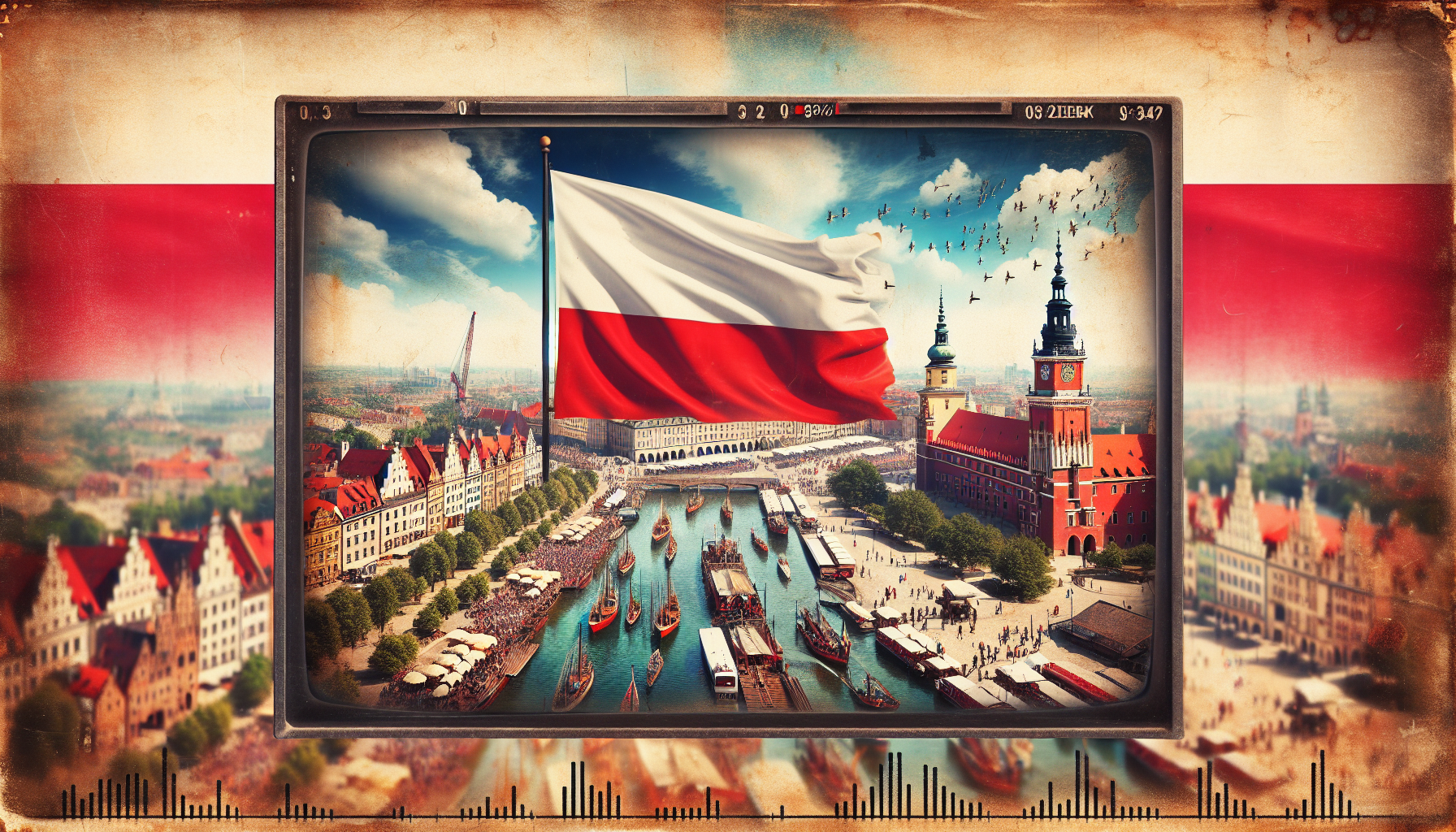
Poland stands at the crossroads of Central Europe, a land where medieval castles, bustling urban centers, and tranquil countryside converge to create a tapestry that entices every kind of traveler. Whether you’re navigating the cobbled streets of Kraków, plotting a business expansion in Warsaw, or seeking out a semester of academic discovery, understanding Poland’s entry requirements is the first step to a seamless journey. As an expert visa consultant and seasoned travel planner, I’m committed to unraveling every nuance of Poland’s immigration rules—so you enter this remarkable country prepared, confident, and ready to embrace its vibrant culture.
Visa-Free Entry
Poland, as a Schengen member, welcomes citizens of many countries into its fold—often without the need for a visa for short stays. Visitors from the EU, EEA, and select other nations can enjoy up to 90 days within a 180-day period without the paperwork burden. However, travelers should quietly prepare for border control expectations: officers may still request proof of onward travel, sufficient funds, and strong ties to your home country. Many immigration systems use automated pre-screening to flag inconsistencies; for families with elderly parents or children, ensuring all supporting documents are consistent and accessible avoids unnecessary delays. Digital nomads, often misunderstood as tourists, should be ready to explain their remote work and financial independence, as Polish officers typically expect clarity on your purpose of travel. Solo travelers—especially those from countries with enhanced scrutiny—must be meticulous: a single red flag can prompt deeper questioning or even refusal of entry. One case study involved a Canadian solo traveler flagged due to mismatched accommodation dates and flight details; they were ultimately admitted, but only after providing additional documentation verifying their itinerary.
Types of Visas
The spectrum of Polish visas is as diverse as its travelers. From the classic Schengen short-stay C visa for tourists, business travelers, and family visitors, to the long-stay D visa for students, expatriates, or those seeking work, each category is tailored to the complexity of modern mobility. Couples planning an extended European honeymoon should apply for the appropriate long-stay visa, ensuring their financial documents and itinerary are synchronized. Families with school-age children or seniors often apply for family reunification visas, which require careful cross-checking of relationship proofs and financial support statements. Business travelers must match their invitation letters with their stated purpose, as Polish officers scrutinize business intent for authenticity. Students, whether for a single semester or an entire degree, should prepare academic acceptance letters, housing confirmations, and comprehensive financial proof. A common misunderstanding is assuming a tourist visa can be extended for study or work—officers will not hesitate to reject such requests at the border. A recent group of digital nomads from Argentina successfully entered Poland by presenting detailed contracts and evidence of ongoing remote work, demonstrating high-trust applicant behavior.
Visa Application Fees
Visa fees in Poland reflect both the administrative effort and the country’s commitment to secure, efficient border management. Standard Schengen short-stay visas currently cost around 80 EUR, with reduced rates for children aged 6-12 and exemptions for certain categories such as students on exchange programs or family members of EU citizens. Long-stay D visas and work permits typically attract higher fees, which can vary based on application specifics. Travelers should keep in mind that payment methods are strictly defined—usually by bank transfer or directly at consulates—and that non-refundable fees reinforce the importance of a flawless application. Senior travelers and families with children should quietly prepare for possible additional costs, such as document translation or courier services. In one case, a business traveler from Japan was delayed due to a bank error in the fee payment; always double-check transfer details and retain receipts as proof. For digital nomads and students, budgeting for these upfront costs is an essential part of preparing for your Polish adventure.
Visa Processing Time
The anticipation of travel often hinges on visa processing timelines. For Poland, short-stay visa applications are typically processed within 15 calendar days, though high season or incomplete documentation can extend this to 30 days or more. Long-stay visas, particularly for work or study, may require up to 60 days. It is essential to verify the current processing times directly with the relevant Polish consulate, as local volumes and seasonal demand can dramatically impact waiting periods. Families and groups should apply as early as possible to avoid disappointment, particularly during peak summer travel or major Polish holidays. A group of senior travelers from Australia experienced a seasonal backlog, but by preparing a comprehensive, well-organized dossier, they ensured approval before their Baltic cruise. Digital nomads and students, whose plans often shift rapidly, should build in extra time for document collection and potential requests for additional evidence. Officers may cross-check details with inviting institutions or employers, and any inconsistency can trigger delays. Travelers should always anticipate the possibility of a request for interview or supplementary documents—a subtle but crucial micro-checklist for a smooth journey.
Official Online Application Links
Poland’s commitment to digital transformation is evident in its robust online visa application system. The portal, accessible at https://www.gov.pl/web/diplomacy, provides a streamlined process for all applicant types—solo travelers, families, business visitors, and students alike. The site guides you through each stage, from document upload to appointment booking, and travelers should quietly prepare digital copies of all essential paperwork. Enhanced scrutiny for certain nationalities means every field must be completed with precision; even a minor discrepancy can result in processing delays. Families with elderly parents or young children should double-check that all passports are valid for at least three months beyond the intended stay, and group travelers must ensure all members submit applications simultaneously, to avoid mismatched appointment slots. Case in point: a group of long-term expatriates from India navigated the system efficiently by pre-scheduling biometric appointments and uploading notarized translations in advance, illustrating the benefits of meticulous preparation.
Online Status Check
After submitting your application, the suspense can be both exhilarating and nerve-wracking. Poland’s visa tracking system, available through the same portal at https://www.gov.pl/web/diplomacy, offers real-time updates on your application’s progress. Travelers should keep in mind that status updates may lag during peak periods; patience and persistence are virtues. For families and students, monitoring the status allows timely response to any requests for further information. Business travelers, who often face tight deadlines, should assign a trusted contact to monitor updates and respond promptly. A solo traveler from South Africa once caught a critical omission—a missing signature—thanks to diligent online tracking, enabling a quick fix and on-time approval. Digital nomads, who may be moving between countries while waiting, should ensure they have stable internet access and the ability to receive notifications. Always verify your status regularly and prepare to act swiftly on any consulate communication.
Local Telecom & Connectivity Information
Staying connected in Poland is straightforward, with reliable nationwide coverage offered by Orange PL (https://www.orange.pl). From the bustling metropolis of Warsaw to the serene landscapes of the Tatra Mountains, travelers can expect fast mobile internet and easy SIM card access at airports, kiosks, and city centers. Digital nomads will appreciate the range of flexible data packages, while families can find cost-effective plans suited for group travel. Senior travelers and those unfamiliar with local telecom systems should quietly prepare by researching prepaid options and familiarizing themselves with activation procedures. A student from Canada, newly arrived in Gdańsk, found that prepping a local SIM in advance allowed immediate navigation and communication with her university. For those journeying into rural regions, always double-check coverage maps and consider carrying a backup power bank—urban centers boast excellent connectivity, but mountain or border regions may require extra preparation. Safety tip: avoid public Wi-Fi for sensitive transactions; secure communication is as vital as your passport.
Currency, Exchange & Financial Info
Poland’s currency, the złoty (PLN), is stable and widely accepted, with robust banking infrastructure and numerous ATMs in both urban and rural areas. For up-to-date exchange rates, travelers should reference the National Bank of Poland at https://www.nbp.pl. Couples and families should quietly prepare for minor fluctuations by exchanging a small sum on arrival and using reputable bank ATMs for larger withdrawals. Business travelers often require official receipts, which are easiest to obtain at banks or official exchange offices (kantor). Digital nomads benefit from Poland’s growing acceptance of international cards, but should still notify their bank of travel plans to avoid blocked transactions. Senior travelers may wish to carry some cash for smaller purchases in rural villages, where card acceptance can be limited. A family from the US encountered a currency scam at a tourist market; always verify exchange rates and avoid unlicensed vendors. Safety and financial peace of mind go hand in hand—double-check your cards’ international compatibility and keep emergency contacts for your bank readily available.
Every traveler’s Polish adventure is unique, shaped by purpose, preparation, and the country’s dynamic entry rules. By embracing detailed advance planning, respecting local customs, and responding proactively to visa and border expectations, you transform the sometimes-daunting process of immigration into a smooth, empowering gateway to discovery. Poland rewards the well-prepared with rich culture, warm hospitality, and unforgettable experiences—so take the time to master each step, and the journey will be as rewarding as the destination itself.
Visa / Immigration: https://www.gov.pl/web/diplomacy
Border Control: https://www.gov.pl/web/mswia
Telecom: https://www.orange.pl
Currency / Central Bank: https://www.nbp.pl