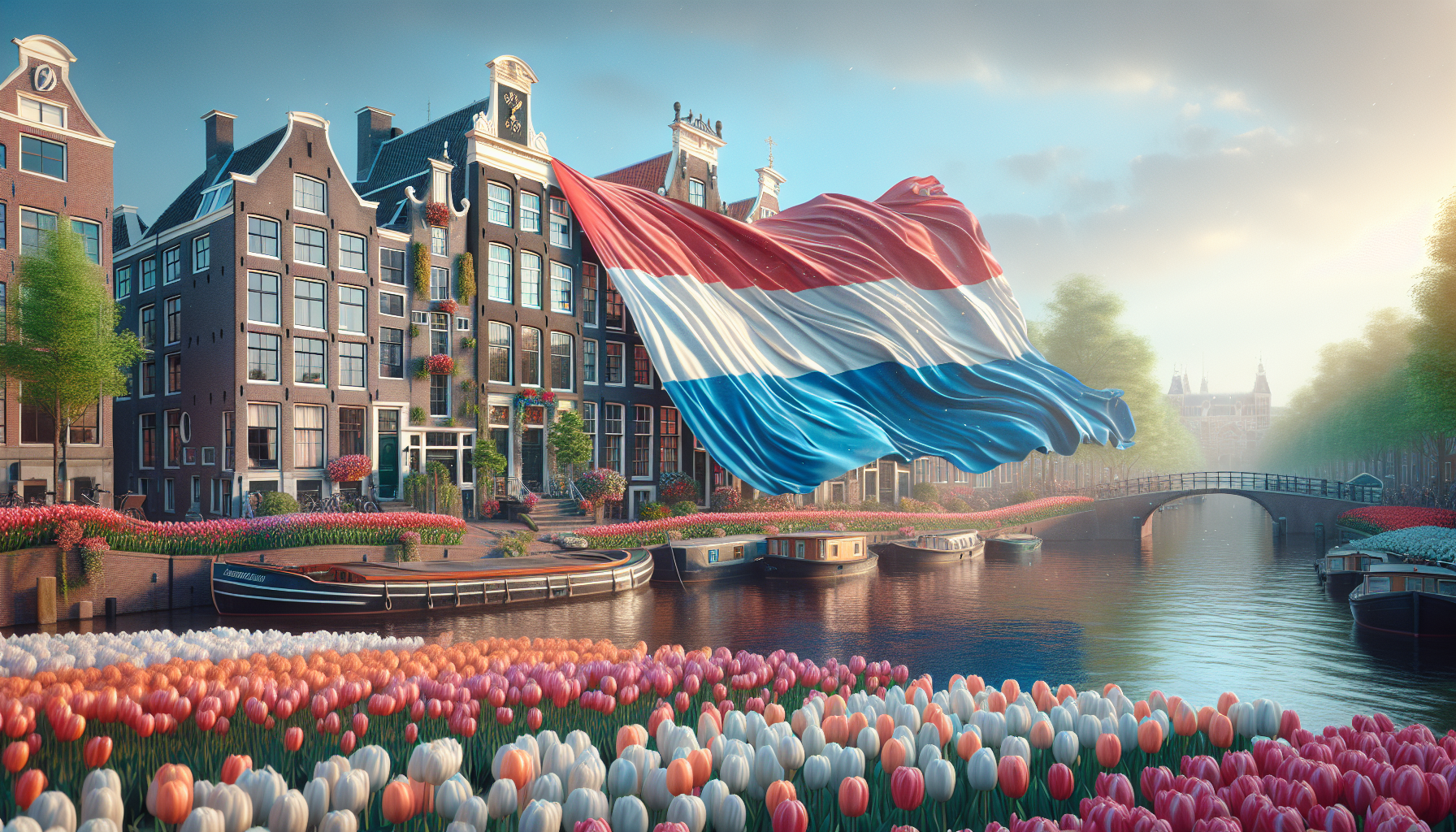
The Netherlands stands as a beacon for travelers—its iconic windmills, vibrant tulip fields, and cosmopolitan cities weaving together a tapestry that draws visitors from every walk of life. Whether you are a solo adventurer in search of Amsterdam’s creative pulse, a family eager to experience Dutch heritage, or a business traveler negotiating the canals of commerce, understanding the Netherlands’ entry rules and visa processes is the first essential step to a rewarding journey. This comprehensive Netherlands visa guide is crafted by seasoned travel consultants and visa specialists to illuminate every facet of your Dutch adventure, with deep insights into immigration rules, telecom essentials, and the financial landscape awaiting you.
Visa-Free Entry
Many travelers are delighted to discover that the Netherlands extends visa-free entry to citizens of numerous countries, primarily within the European Union, Schengen Area, and several visa-waiver program nations. For short stays—typically up to 90 days within any 180-day period—tourism, family visits, and business meetings can often proceed without the bureaucratic weight of a visa. However, even visa-free travelers must adhere strictly to border control expectations, including proof of onward travel, sufficient funds, and evidence of accommodation. For example, a Canadian family arriving at Schiphol Airport during the spring tulip season found their seamless entry delayed when officers requested additional documentation to confirm their departure date and hotel booking. Always double-check your eligibility status before departure and carry printed confirmations to avoid being caught off-guard by automated pre-screening systems at entry points.
Solo travelers and couples often breeze through border checks, yet senior travelers or families with small children may face extra questions—especially regarding medical insurance and return plans. Digital nomads, meanwhile, should quietly prepare to demonstrate their remote work status is not intended to violate local employment laws. Officers typically expect high-trust applicant behavior: consistency in your story, financial means that match your itinerary, and a clear, legitimate purpose for your visit. Many immigration systems use automated pre-screening to flag inconsistencies, so travelers should keep in mind that what may seem like a small oversight—such as a mismatch between declared funds and itinerary length—can result in secondary screening.
Types of Visas
The Netherlands offers a range of visa types designed to accommodate myriad travel scenarios. Tourist visas, business visas, student visas, and long-term residence permits are among the most requested. Short-term Schengen visas are the most common, allowing travel throughout the Schengen Zone for up to 90 days. Meanwhile, students enrolling in Dutch universities, like a recent case of a Korean graduate student beginning a master’s program in Rotterdam, require a national (MVV) visa and residence permit, with the application scrutinized for proof of strong ties to home and sufficient financial resources.
Families with elderly parents or children must pay close attention to supporting documents—officers cross-check for clear relationships, parental consent for minors, and comprehensive travel insurance. Business travelers should ensure that invitation letters precisely match the purpose and duration of stay, as even small discrepancies can trigger enhanced scrutiny. Digital nomads and remote workers seeking longer stays are advised to research evolving visa options, as some categories may shift with changing Dutch and EU policies.
For group travelers, such as a student group from Brazil visiting for a Model United Nations conference, precise coordination of documentation is vital. In one scenario, a missing parental consent letter nearly resulted in denied boarding—a micro-checklist reminder to verify every required form well in advance. Expatriates planning long-term relocation must prepare for rigorous financial consistency checks and proof of accommodation, as Dutch officers look for strong-ties proof to avoid potential overstays.
Visa Application Fees
Visa application fees for the Netherlands vary depending on visa type, applicant age, and duration of stay. As of 2024, a standard short-stay Schengen visa generally costs around €80 for adults, with reduced rates for children and certain categories of travelers. It is essential to verify current fees on the official website, as fee adjustments can occur unexpectedly. A common misunderstanding is assuming all family members pay the same rate; for example, children under six may be exempt from fees, while students or researchers may qualify for reduced rates or waivers.
Travelers should keep in mind that all payments are typically non-refundable, even if the visa is denied. In one case, a senior traveler from South Africa, applying for a long-term family reunion visa, was surprised by an additional processing fee due to document translation requirements. Always double-check if supplementary services, such as fast-track processing or courier delivery, incur extra charges. Business applicants should ensure that company sponsorship letters clearly outline who covers the visa fees to prevent last-minute confusion or delays at consulates.
Visa Processing Time
Processing times for Dutch visas can vary widely, influenced by season, application complexity, and embassy workload. A standard short-stay Schengen visa application typically takes 15 calendar days, but during high travel seasons—such as spring flower festivals or major trade fairs—delays can stretch to 30 days or more. In one case, a digital nomad from Australia applying during the peak summer rush faced a three-week processing delay due to incomplete supporting documents.
Families with children and elderly travelers are advised to apply well in advance, as additional supporting documents may extend review times. Senior travelers seeking medical treatment or long-term stays should quietly prepare for possible medical document verifications. Students and expatriates should begin their application process at least two months before their intended arrival, as university admission letters and proof of housing require careful review. Officers typically expect applications to be internally consistent; mismatched travel dates or unexplained gaps in documentation are red-flag triggers that can result in requests for clarification or outright rejection.
Always double-check embassy holidays and local application center closures, as these can unexpectedly impact your timeline. Travelers should keep in mind that expedited processing is rarely available for Dutch visas, so proactive planning is not just advisable—it is essential.
Official Online Application Links
For the most secure, up-to-date information, travelers should always use the official Dutch visa portal: https://ind.nl. This portal provides comprehensive guidance for all visa types, supporting documents, and the most current policy updates in response to global events. In a recent scenario, a group of U.S. students almost fell victim to a scam site mimicking the official portal; only by cross-checking the official URL were they able to avoid financial loss and ensure their application was correctly processed.
Travelers should quietly prepare by reading all instructions thoroughly and preparing digital copies of each document. A micro-checklist: scan your passport’s data page, proof of accommodation, travel itinerary, financial statements, and insurance confirmation before starting the online process. Business travelers should keep in mind to print and bring both digital and physical copies of their invitation letters and company credentials, as border officers may request originals upon arrival.
Online Status Check
Applicants can monitor the progress of their visa requests via the official border agency portal: https://www.politie.nl. This secure system allows you to track real-time updates, receive notifications of missing documents, and view final decisions. In a notable case, a family relocating from India was alerted to a missing sponsorship letter through the portal’s alert system, enabling them to resolve the issue before their departure date.
It is essential to verify your application reference number and email address when registering for status updates. Solo travelers and digital nomads should keep in mind that status changes may occur outside business hours, so regular online checks are recommended. Senior travelers often benefit from designating a trusted family member to receive notifications, ensuring no critical update is overlooked during travel preparations.
Local Telecom & Connectivity Information
Staying connected in the Netherlands is effortless, thanks to advanced infrastructure and widespread coverage. The leading provider, KPN (https://www.kpn.com), offers a wealth of prepaid and postpaid options suitable for every traveler profile. Digital nomads and business travelers particularly praise KPN’s extensive 5G networks and flexible eSIM solutions, which cater to the high demands of remote work, video conferencing, and secure banking access.
Families with children benefit from easy access to local SIM cards at airports and train stations—ideal for keeping everyone connected during urban excursions or rural explorations. A group of senior travelers recently lauded KPN’s customer support, which provided English-language guidance and quick troubleshooting for device compatibility. Travelers should quietly prepare by unlocking their smartphones before departure and downloading essential travel apps, including public transit schedules and translation tools.
Weather can impact connectivity in remote areas, particularly during winter storms or heavy coastal rains, so always double-check coverage maps if your itinerary includes the Dutch countryside. It is essential to verify roaming rates with your home provider to avoid unexpected charges, and consider purchasing a Dutch SIM for cost-effective, high-speed access throughout your stay.
Currency, Exchange & Financial Info
The Netherlands’ financial system is renowned for its reliability and transparency. The national currency is the euro (€), and financial information, including exchange rates and economic updates, can be sourced from the Dutch central bank: https://www.dnb.nl. Urban centers are replete with ATMs, while contactless card payments are ubiquitous—even the smallest cafes accept digital wallets. In one recent scenario, a family from Japan was pleasantly surprised to find they could use their international debit cards across Amsterdam’s museums and parks, though rural areas may still prefer cash for minor purchases.
Travelers should keep in mind that currency exchange kiosks at airports and major train stations often charge higher fees than city-center banks. Solo travelers and couples are advised to notify their banks of international travel to prevent accidental card blocks, especially during high spending periods like the spring flower festivals or summer music events. Digital nomads and students should quietly prepare to open a Dutch bank account for long-term stays, which requires proof of residence and a valid visa.
Senior travelers may wish to carry a small reserve of cash for emergencies, as weather or technical disruptions can temporarily impact card payment systems. Families with children should always double-check exchange receipts and count returned change, especially in crowded tourist areas where distraction can lead to errors.
As you embark on your Dutch journey, meticulous preparation and deep awareness of immigration rules, financial logistics, and connectivity options unlock the seamless experience the Netherlands is celebrated for. Each traveler’s situation is unique—whether you seek the tranquility of the countryside, the energy of city life, or the inspiration of Dutch cultural festivals, understanding entry requirements and local systems is your passport to discovery. The Netherlands rewards those who approach travel with curiosity, care, and an eye for detail—ensuring memories as enduring as the windmills on the horizon.
Visa / Immigration: https://ind.nl
Border Control: https://www.politie.nl
Telecom: https://www.kpn.com
Currency / Central Bank: https://www.dnb.nl