Thailand, a land where ancient temples rise above bustling markets and golden beaches beckon under tropical skies, is a dream destination for travelers worldwide. Yet, before one can immerse in its vibrant culture and dazzling beauty, understanding the visa process is essential. As a seasoned visa specialist and travel planner, I am devoted to guiding you—whether you’re a solo adventurer, a family with children or elderly parents, a digital nomad, or a business traveler—through every intricacy of Thailand’s entry rules with passion and precision.
Visa-Free Entry
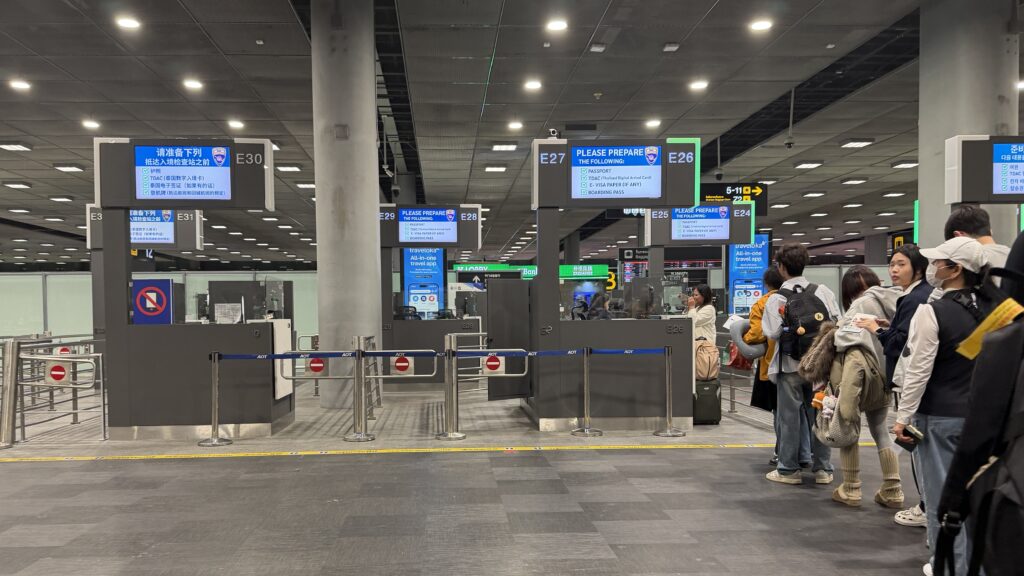
Many travelers are delighted to discover that Thailand offers visa-free entry to citizens of numerous countries for short stays. The length of stay permitted without a visa varies, typically ranging from 14 to 90 days depending on nationality and bilateral agreements. For example, travelers from the US, UK, much of the EU, Australia, and Japan can enter visa-free for up to 30 days when arriving by air, with an extension possible at local immigration offices. Families should quietly prepare supporting documents for all members, including birth certificates for children and proof of onward travel, as officers may request these at the border. Digital nomads and business visitors should be aware: working is strictly prohibited under tourist exemptions, and border control is increasingly vigilant in detecting those who overstay or misuse visa waivers. Officers typically expect a clear itinerary and sufficient financial proof. Always double-check your eligibility and stay duration on official resources before you travel.
Types of Visas
Thailand’s visa system is diverse, designed to accommodate the unique needs of every traveler. The most common are tourist visas (single or multiple entry), business visas, education visas, and long-stay options such as the Non-Immigrant O (for retirees or those visiting family) and ED (for students). Each category carries distinct requirements and privileges. For example, a passionate group of students attending a Thai language program must submit acceptance letters and proof of tuition payment, while business travelers are scrutinized for invitations from Thai companies and evidence of commercial ties. A case study: a family of five, including elderly grandparents, recently succeeded in securing a Non-Immigrant O visa by providing extensive financial proof, medical insurance, and a detailed letter explaining their purpose. Preventive guidance: Always ensure your documents cross-match, financial statements align with the declared purpose, and your travel plans are consistent. Enhanced scrutiny may apply to applicants from certain high-risk countries, with automated pre-screening systems flagging inconsistencies or incomplete paperwork. It is essential to verify all documentation against official requirements before submitting your visa application.
Visa Application Fees
Visa fees for Thailand vary by type and processing location. A single-entry tourist visa typically costs around 1,000 THB, while multiple-entry and business visas can exceed 5,000 THB. Students and retirees may find certain categories slightly discounted or subject to additional requirements, such as proof of funds or insurance. A common misunderstanding is that fee waivers are widely available—these are rare and usually apply during specific promotional periods or for select nationalities. Always confirm the current fee structure on official websites, as third-party agencies may add their own charges. For families or groups, it’s wise to calculate total costs in advance and prepare exact amounts to avoid delays. Business travelers should keep in mind that their employers may be able to sponsor or reimburse visa costs, but only with proper documentation.
Visa Processing Time
Processing times for Thai visas are generally efficient but can vary widely based on category, consular workload, and applicant background. Tourist visas are often issued within three to five working days, while business, education, and long-stay visas may require up to two weeks or longer for enhanced checks. Senior travelers and families with children should apply well in advance, especially during peak travel seasons when applications surge and embassy queues lengthen. One digital nomad recently faced an unexpected delay after an automated system flagged an inconsistency between his financial statements and declared purpose—a reminder that providing clear, consistent information can save critical time. Border control expectations are rigorous: officers favor applicants with strong ties to their home country, such as employment letters, property deeds, or school enrollment certificates. Travelers should keep in mind that incomplete or inconsistent applications are the most common reason for delay or denial.
Official Online Application Links
Thailand’s government has invested heavily in digital infrastructure, enabling travelers to access official visa information, forms, and application portals online. The authoritative source for visa and immigration details is the Thai Immigration Bureau. Here, you’ll find up-to-date requirements, downloadable forms, and the latest policy advisories. Always rely exclusively on official websites for application submissions—cases have arisen where applicants using unofficial portals faced scams or invalid approvals. For business travelers and digital nomads, it is essential to verify that your application is routed through government channels. Families and group travelers should ensure all members’ applications are linked and cross-referenced to prevent administrative errors. Solo travelers and students can benefit from the step-by-step digital guides provided on the portal, which minimize the risk of missing documents or incorrect entries.
Online Status Check
After submitting a visa application, travelers can track their status online via the same official portal. This transparency allows for real-time updates and early identification of any missing documents or required interviews. If, for example, a family’s application is flagged for further review, prompt response to correction requests can significantly accelerate approval. Business applicants, in particular, may be contacted for additional verification if automated systems detect financial discrepancies or ambiguous travel purposes. A noteworthy case involved a senior traveler who, thanks to diligent online monitoring, provided supplemental medical documents within 24 hours of an embassy request—securing his visa just in time for a long-awaited reunion. Always double-check your application status regularly, and respond immediately to any communication from immigration authorities.
Local Telecom & Connectivity Information
Staying connected in Thailand is seamless, with leading providers like AIS offering extensive nationwide coverage, high-speed internet, and flexible tourist SIM packages. Upon arrival, travelers can purchase SIM cards at the airport or convenience stores—ideal for navigating Bangkok’s dynamic streets or sharing memories from Phuket’s sunlit shores. Digital nomads and business travelers should quietly prepare by checking data plan options and coverage in rural areas, especially if work demands uninterrupted connectivity. Families with teenagers will appreciate generous data allowances, while seniors benefit from easy-to-use tourist packages. It is essential to verify that your phone is unlocked and compatible with Thai networks. Always activate international roaming as a backup before you depart, just in case.
Currency, Exchange & Financial Info
The Thai Baht (THB) is the official currency, and understanding exchange rates and banking options is vital for a smooth stay. The Bank of Thailand provides up-to-date exchange rates, official guidance on currency regulations, and tips for safe financial management. Upon arrival, travelers should exchange money at authorized banks or reputable counters—urban areas offer favorable rates, while rural regions may present fewer options. Digital nomads and business travelers often rely on international cards, but it’s wise to inform your bank in advance to prevent unexpected blocks. Families and groups should quietly prepare a blend of cash and cards, especially for excursions to local markets or remote islands. Seasonal climate can impact accessibility—during monsoon months, some ATMs or branches may close early due to flooding. Night travelers should exercise caution when withdrawing cash and avoid isolated areas. A recent case involved a group of friends who, after facing a power outage in Chiang Rai, relied on pre-arranged cash to cover expenses until services resumed. Always double-check ATM fees and currency conversion policies before making large withdrawals, and keep receipts for reference. Awareness of local etiquette—such as handing money to vendors with your right hand and avoiding ostentatious displays of cash—fosters mutual respect and keeps you safe.
Thailand’s visa journey is more than a bureaucratic hurdle—it’s an invitation to engage deeply with a country renowned for its warmth, complexity, and generosity. Whether you come seeking adventure, business opportunity, family connection, or personal transformation, the keys to seamless entry are preparation, honesty, and respect for local customs. Officers and automated systems are vigilant, but travelers who present consistent, truthful documentation and embrace the nuances of Thai etiquette rarely encounter obstacles. In the rhythm of Thailand’s seasons, in the smiles of its people, and in the vibrant pulse of its cities and villages, opportunity awaits those who cross its borders prepared and informed. Let your journey begin with confidence, armed with knowledge and an open heart for all that Thailand offers.
Visa / Immigration: https://www.immigration.go.th
Telecom: https://www.ais.co.th
Currency / Central Bank: https://www.bot.or.th