Japan, a land where tradition meets cutting-edge innovation, offers a journey that is as visually arresting as it is culturally profound. With its ethereal cherry blossoms, bustling metropolises, and tranquil temples, Japan draws millions from around the world—each with their own dreams, plans, and questions about entry. Whether you are a solo traveler tracing the poetic footsteps of Bashō, a family eager to experience the magic of Tokyo Disneyland, or a digital nomad seeking inspiration in Kyoto’s serene teahouses, understanding Japan’s visa landscape is the first and most crucial step to a seamless adventure.
Visa-Free Entry
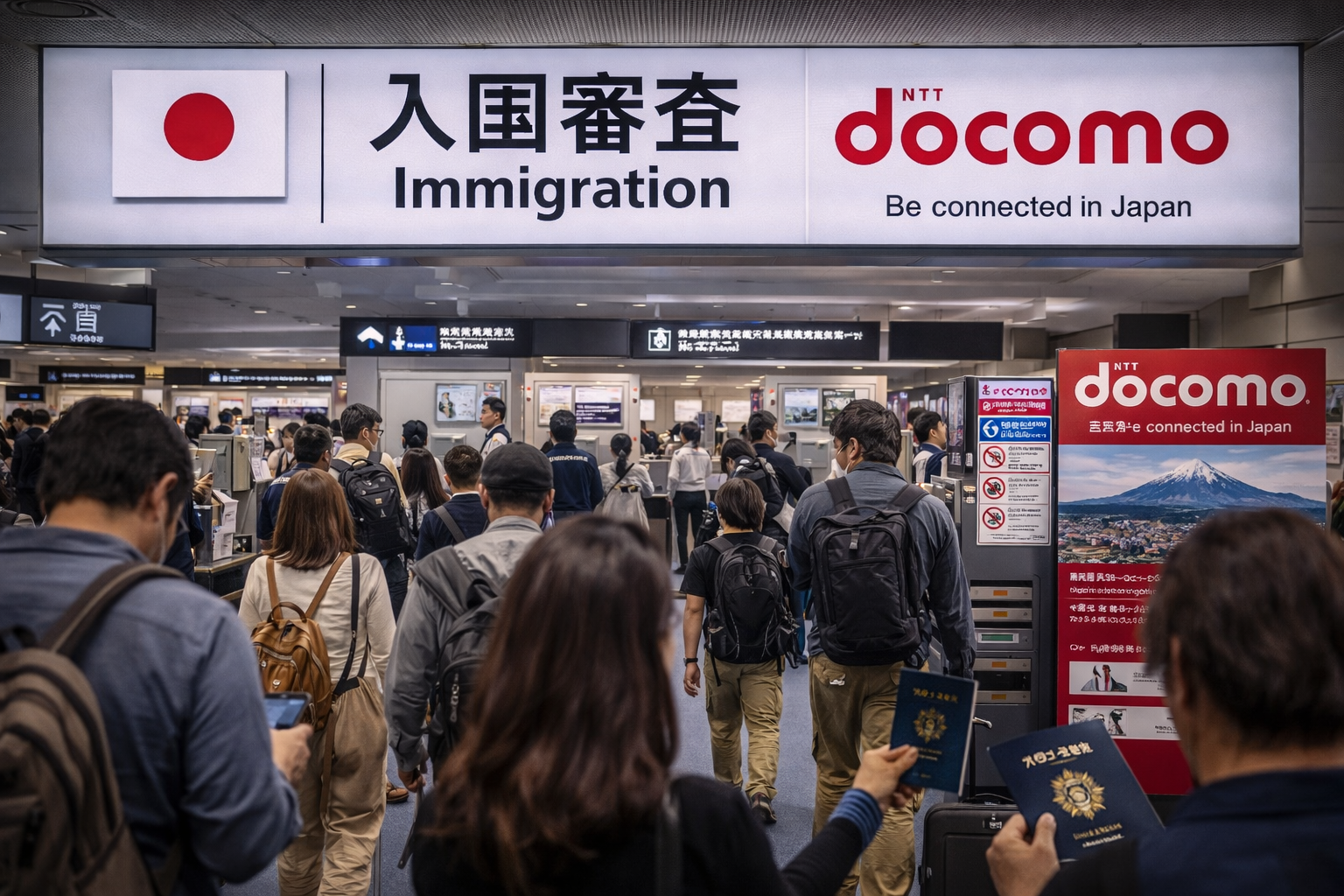
For many global citizens, the prospect of experiencing Japan’s remarkable hospitality begins with a stroke of luck—visa-free entry. Depending on your nationality, you may be granted a short-term stay (usually up to 90 days) for tourism, business, or transit purposes without the need for a formal visa. This privilege, however, comes with conditions. Officers at the border will meticulously check your return ticket, evidence of hotel bookings, and proof of sufficient funds. Solo travelers should discreetly prepare to show strong ties to their home country, while families traveling with children or elderly parents can expect officers to evaluate the purpose and duration of stay in more detail. In recent years, Japan has intensified its use of automated pre-screening systems at major airports, flagging inconsistencies between declared purposes and supporting documents. A common misunderstanding is that visa-free entry means guaranteed access—officers retain full discretion and will not hesitate to ask probing questions if any red flags arise. For example, a student from Europe was once denied entry due to unclear accommodation arrangements, while a business traveler from Southeast Asia was delayed after providing insufficient financial documentation. Always double-check the latest entry rules for foreign visitors on the official Japanese immigration website before traveling.
Types of Visas
Japan’s visa system is finely tailored to accommodate a vast spectrum of travelers. From short-term tourist and business visas, to long-term student, work, or family reunion visas, each type comes with its own set of requirements and review logic. Digital nomads, for instance, may apply for a cultural activities visa, but officers will check not only for financial self-sufficiency but also for a clear, documented plan of activities. Senior travelers applying for long-stay visas should prepare robust medical insurance documentation, as Japan’s healthcare standards are rigorous. Families moving for work assignments must show proof of schooling arrangements for children and clear evidence of accommodation. In several case studies, group travelers faced delays due to inconsistencies between declared travel itineraries and hotel bookings. Meanwhile, a business traveler was flagged by automated systems when their previous overstays in other countries came to light. Purpose-of-travel matching is critical: students must present official acceptance letters; expatriates need verifiable employment contracts. Officers typically expect applicants to provide strong-ties proof, such as property deeds, family certificates, or ongoing business operations at home. Enhanced scrutiny is common for applicants from countries with high overstay rates, so it is essential to verify your eligibility and prepare supporting documents well in advance. For specific advice, consult the official visa page.
Visa Application Fees
Visa application fees for Japan vary according to visa type and applicant nationality. Standard tourist or business visas generally carry a moderate fee, payable in local currency or as specified by the Japanese embassy or consulate. Students and long-term expatriates should expect higher fees, reflecting the extended processing and documentation required. It is essential to verify the current fee structure, as exchange rate fluctuations and embassy policy updates can affect the total cost. In one notable instance, a family of five planning a long-term relocation to Osaka found themselves underprepared for the cumulative cost of fees and related documentation. Travelers should quietly prepare for additional expenses such as translation of documents, notarization, and medical certificates. Always check the most up-to-date fee information through the official immigration website before initiating your application.
Visa Processing Time
The anticipation of stepping into Japan’s vibrant streets is often tempered by the realities of visa processing times. For short-term visas, processing usually takes from five to ten working days, but this can extend significantly during peak travel seasons, such as cherry blossom spring or Golden Week in May. Families traveling with children, or those with elderly parents, may experience additional scrutiny, extending the review process. Senior travelers and students should also anticipate possible delays if their supporting documents require further verification. In one case, a group of students applying for university exchange programs faced a two-week delay due to incomplete financial statements. Automated pre-screening systems now flag inconsistencies swiftly, but manual reviews add complexity. For solo travelers, a lack of proof of onward travel can trigger requests for further information. Travelers should keep in mind that embassies may pause processing during national holidays, so plan your application timeline accordingly. Always double-check your embassy’s processing schedule and ensure all documents are complete and consistent to minimize wait times.
Official Online Application Links
Japan’s transition to digital services has streamlined the visa application process for many travelers. The official Ministry of Justice website is your authoritative hub for up-to-date guidance, downloadable forms, and online application portals. Business travelers and digital nomads, in particular, will appreciate the clarity and transparency of Japan’s digital process. However, be wary of unofficial third-party services promising guaranteed approvals; Japan’s immigration rules are strictly enforced, and only official channels should be trusted. Before submission, always verify the URL and ensure you are using an encrypted, secure connection. In one illustrative case, a couple attempting to use a non-official site lost both time and money. Strong-ties documentation, such as employment letters or family certificates, should be uploaded in the formats specified by the official system. For families or groups, ensure each individual’s application is complete and cross-checked for consistency—discrepancies can trigger manual reviews or even rejections. Refer to the official application portal for the latest forms and step-by-step instructions.
Online Status Check
The anxiety of waiting can be mitigated by Japan’s robust online status check tools. Once your application is submitted, the official immigration website allows real-time status tracking using your application number. This feature is particularly valuable for students, long-term expatriates, and business travelers with tight itineraries. In one case, a digital nomad discovered a missing document only after checking their status online, allowing for prompt correction and averted rejection. Families should quietly prepare to monitor each member’s application individually; group status updates are not always synchronized. Senior travelers and those applying through agencies should request their status numbers to maintain independent oversight. Always double-check your status regularly, especially if you have travel plans that hinge on timely approval. Officers may request additional documents via the portal, so keep contact details accurate and check your email frequently.
Local Telecom & Connectivity Information
Staying connected in Japan is vital for navigation, translation, and real-time updates on travel plans. NTT Docomo, Japan’s leading telecom provider, offers comprehensive coverage across urban and rural landscapes. Digital nomads and business travelers will find high-speed data plans indispensable, while families with children can benefit from portable Wi-Fi devices for group connectivity. In peak tourist seasons, congestion may affect network speeds in major cities, so always verify coverage at your destination. Senior travelers should consider voice-enabled SIM cards for emergency contact. In one case, a family traveling during the humid summer struggled with connectivity in mountainous regions, highlighting the need to confirm rural coverage in advance. Japan’s telecom etiquette is rooted in respect—phone calls are discouraged on public transport, and loud conversations may draw disapproving glances. For up-to-date service plans and coverage maps, consult NTT Docomo’s official website before arrival.
Currency, Exchange & Financial Info
Japan’s currency, the yen, is a symbol of both economic power and cultural identity. While major cities are embracing cashless payments, cash remains king in many rural areas, traditional markets, and even some urban restaurants. Digital nomads and expatriates should ensure they have multiple payment options, as international cards may not be accepted everywhere. Always double-check the latest exchange rates before converting large sums, and use only official exchange counters or ATMs. In a notable scenario, a business traveler lost money to a street-side exchange scam in Osaka—a stark reminder to rely on banks or official counters. Families should quietly prepare an emergency cash reserve for rural excursions. Seasonal factors also matter: during typhoon season, ATMs in rural regions may be temporarily inaccessible, while high-season congestion can lead to long lines at exchange counters. For authoritative financial guidance and the latest rates, refer to the Bank of Japan’s official portal.
Ultimately, the journey to Japan is shaped not only by paperwork but by the depth of preparation and cultural understanding each traveler brings. The visa process is a reflection of the country’s meticulous standards and unwavering commitment to security and hospitality. Whether you are embarking on a brief sojourn or a transformative chapter as a student or expatriate, embracing these rules will open the way to experiences as profound as the country itself. The most seasoned travelers know that mastery lies in the details—so quietly prepare, verify, and let the spirit of Japan guide your path onward.
🇯🇵 Japan

Visa / Immigration: https://www.moj.go.jp/isa

Telecom: https://www.nttdocomo.co.jp

Currency / Central Bank: https://www.boj.or.jp