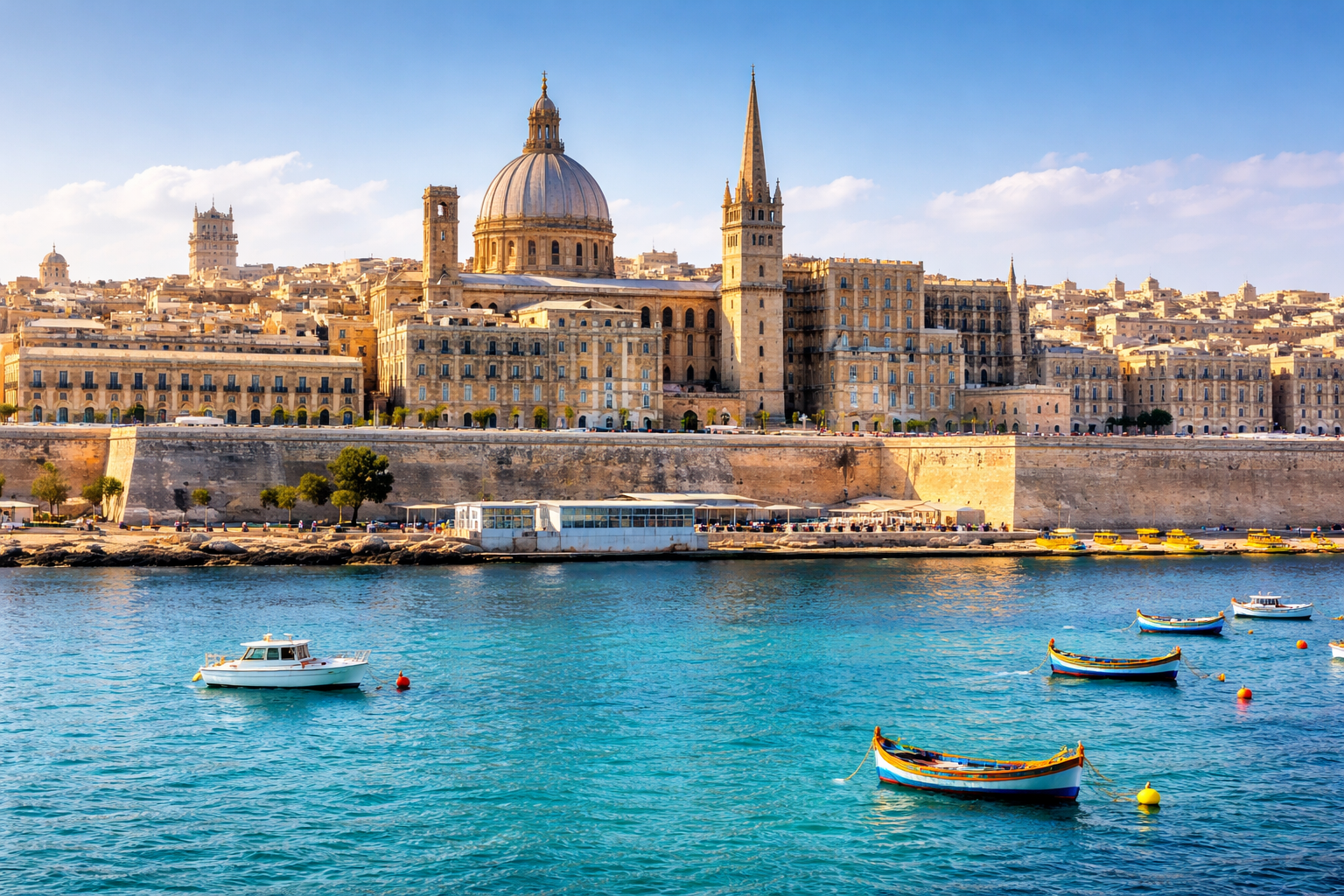
Malta, a sun-drenched archipelago in the heart of the Mediterranean, beckons with its ancient walled cities, crystalline waters, and a culture woven from centuries of trade and conquest. For every traveler—whether you’re a solo adventurer, a family seeking sunlit beaches, or a student ready to embrace island academia—understanding Malta’s entry and visa system is the first step toward an unforgettable journey. This guide offers a passionate, expert view into the nuances of Malta’s immigration rules, border control expectations, telecom landscape, and financial essentials, all tailored for today’s dynamic global visitor.
Visa-Free Entry
Malta’s strategic position and EU membership grant it a cosmopolitan openness while maintaining robust border controls. Many visitors from the EU, Schengen Area, and select partner countries can enter Malta visa-free for short stays, typically up to 90 days within a 180-day period. However, travelers should quietly prepare: even if visa-free, border officers conduct swift yet thorough checks, confirming onward travel, accommodation bookings, and the financial means for your stay. Families with children or elderly parents may experience extended document verification, especially when traveling during high summer or religious festivals when border posts become more congested.
Solo travelers often breeze through, but digital nomads and business visitors are sometimes asked to clarify the nature of their stay. Officers typically expect strong evidence of ties to home—return flight tickets, proof of employment or studies, or property ownership. A common misunderstanding is believing a visa-free regime means no questions; in reality, automated pre-screening systems flag inconsistencies, particularly for those with frequent travel to risk-assessed regions. Senior travelers and students should verify passport validity (at least three months beyond intended departure) and always double-check national entry requirements, as these may shift with evolving EU agreements.
Types of Visas
Malta offers a spectrum of visa types, each designed to match distinct traveler profiles. The most common is the Schengen short-stay visa (Type C), granting stays up to 90 days for tourism, family visits, or business. Students embarking on longer academic programs, digital nomads, and expatriates need to apply for national long-stay visas (Type D), requiring detailed documentation of purpose, local accommodation, and sufficient funds.
Business travelers should prepare for enhanced scrutiny—officers may cross-check invitation letters with the hosting entity and look for financial consistency across submitted documents. Couples seeking seasonal escapes or honeymoons must demonstrate joint travel plans and shared accommodation. Group travelers and families should ensure every member’s documents are complete; often, missing paperwork for one child delays the entire group.
Case studies illuminate the process: one family vacationing in Malta’s Gozo region was delayed at entry due to an incomplete travel insurance policy for their youngest child. Another digital nomad, planning a six-month remote work stint, faced additional questions after automated screening noted multiple recent entries to Malta—officers requested proof of continued employment and accommodation bookings. Senior travelers on a Mediterranean cruise were asked for proof of health insurance covering their entire stay, reflecting Malta’s diligent approach to visitor welfare.
For students, especially those on Erasmus or exchange programs, visa officers expect official admission letters and evidence of financial support. Long-term expatriates settling for work must provide employment contracts and, often, a clean criminal record from their home country. Always double-check the category of visa that matches your purpose; misclassification can result in denial at the border.
Visa Application Fees
Visa fees for Malta are standardized under Schengen rules but can vary based on age, nationality, and visa type. Most short-stay visas cost approximately €80 for adults and €40 for children, with additional service fees for applications lodged via visa centers. Families with multiple children should anticipate cumulative costs and quietly prepare exact change or accepted payment methods, as some consulates do not accept cash or credit cards.
Students and researchers may benefit from reduced fees or exemptions, provided they present official documentation. Senior travelers, especially those over 80, should verify fee exemptions before visiting consular offices. Digital nomads and business travelers should account for potential express or courier charges if expedited service is required. It is essential to verify all applicable fees on the official Malta visa portal before submitting your application, as charges are periodically updated in alignment with EU regulations.
Visa Processing Time
Processing times for Malta visas typically range from 10 to 15 calendar days for short-stay applications, though this can extend during peak travel seasons or for complex cases. Families traveling during Malta’s lively summer festivals should allow extra time for processing, as consulates experience high demand. Case study: A group of students planning to attend a spring conference in Valletta found their applications delayed due to incomplete accommodation details; after resubmitting, their approvals arrived within two weeks.
Business travelers should quietly prepare for enhanced cross-checking, particularly if supporting documents involve third-party verification. Long-term expatriates, digital nomads, and students on extended stays may experience additional scrutiny related to financial documentation and health insurance. Officers often cross-reference declared travel purposes and supporting evidence, flagging discrepancies through automated pre-screening.
Senior travelers and families with elderly members should consider postal delays if original documents are required. Always double-check with the official portal for the most current information, and submit applications well in advance of planned travel dates to avoid last-minute complications.
Official Online Application Links
Applicants for Malta visas can access the official e-application system directly at https://identitymalta.com. This platform supports the full spectrum of visa types, from short-term tourism to long-term relocation. Travelers should keep in mind: submitting complete, accurately scanned documents—including biometric photos that meet Schengen standards—is crucial to avoid delays or rejection.
Business travelers, digital nomads, and students can track their progress and upload missing documentation through the portal. Families and group travelers are advised to create individual applications for each member, as linked profiles can sometimes trigger automated security checks. It is essential to verify local embassy requirements, as some nationalities must submit hard copies or appear in person for biometric collection, even after completing the online process.
Online Status Check
After submission, applicants can monitor their visa status via the same official portal. Real-time updates indicate the progress of application review, document verification, and final decision. Students and long-term expatriates, whose applications may require supplementary documentation, benefit from regular status checks to ensure timely responses to embassy requests.
Case study: A solo traveler from South Korea noticed her status stalled at “Pending” due to a missing accommodation letter; after uploading the document, approval followed within 48 hours. Families should quietly prepare by monitoring each member’s application individually, as approvals may not occur simultaneously. Business applicants should retain digital receipts and reference numbers, as these are often requested when collecting visas from the consulate.
Local Telecom & Connectivity Information
Malta boasts robust mobile coverage and fast data networks, ensuring visitors remain connected whether exploring Valletta’s winding alleys or lounging on Gozo’s secluded beaches. The leading provider, GO, offers prepaid SIMs, eSIM activation, and competitive data packages suitable for every traveler profile. Digital nomads and business travelers should consider unlimited data options for video conferencing and remote work, while families can benefit from shared plans that keep children and elderly parents connected in case of emergencies.
It is essential to verify device compatibility and unlock status before arrival, as not all international handsets work seamlessly with local networks. Students and long-term expatriates often opt for monthly contracts, which require a local address and identification. For more details on rates and coverage, visit GO’s official site. Always double-check roaming charges and activation procedures, especially during high-season when telecom shops are crowded and wait times increase.
Currency, Exchange & Financial Info
Malta’s official currency is the euro (EUR), with ATMs readily available in both urban centers and rural villages. Travelers should keep in mind that cash is still preferred in smaller markets and some family-run guesthouses, while cards are widely accepted in hotels, restaurants, and transport hubs. Currency exchange is best conducted at banks and official bureaus, where rates are transparent and fees minimal. It is essential to verify rates through the Central Bank of Malta’s website before exchanging large sums.
Case study: A senior couple encountered a currency exchange scam in a tourist area of Sliema—always double-check the legitimacy of exchange offices and retain receipts. Digital nomads and students managing international transfers should prepare for possible delays, especially during public holidays. For large withdrawals, notify your bank in advance to avoid security blocks. Families with children and elderly parents should quietly prepare spare cash for taxis and rural excursions, where card facilities may not be available.
Seasonal visitors arriving during summer festivals should expect crowding at banks and ATMs—plan withdrawals in advance and be wary of pickpocketing in busy areas. Urban centers are generally safe, but travelers are advised to remain vigilant at night, especially in entertainment districts. The blend of Mediterranean hospitality and careful financial planning ensures a smooth and secure travel experience.
Malta’s timeless allure is matched by the precision of its modern entry systems and the warmth of its Mediterranean welcome. Whether navigating the intricate logic of visa officers, preparing for seasonal travel surges, or simply savoring the island’s radiant culture, every journey begins with informed, passionate preparation. The key is to approach each stage with quiet diligence—verifying documents, understanding local customs, and embracing the unique rhythms of island life. In this way, every traveler, from solo explorers to vibrant family groups, can discover Malta not just as a destination, but as a transformative adventure.
Visa / Immigration: https://identitymalta.com
Border Control: https://identitymalta.com
Telecom: https://www.go.com.mt
Currency / Central Bank: https://www.centralbankmalta.org