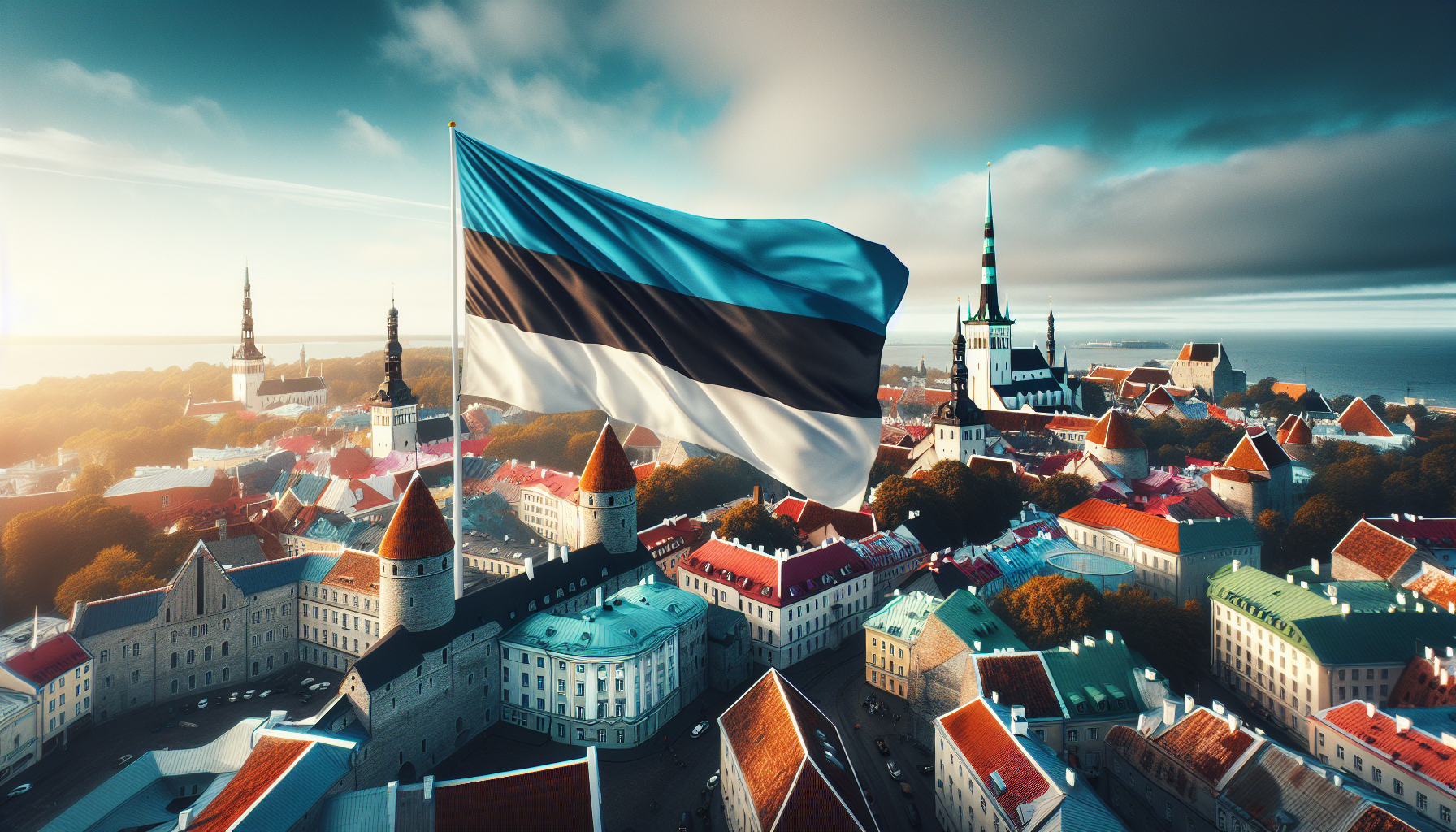
Estonia, nestled on the Baltic Sea’s edge, has rapidly emerged as a beacon for modern travelers—adventurers, business minds, digital nomads, and families alike—seeking both cultural depth and digital innovation. The country’s seamless blend of medieval charm and cutting-edge technology makes it a magnet for explorers who want more than a fleeting glimpse of Europe. Navigating Estonia’s immigration rules, visa types, and essential travel logistics demands both precision and passion. This guide delivers the ultimate resource for every travel scenario, with expert insights to ensure your Estonian journey is as smooth as the country’s famed digital services.
Visa-Free Entry
Estonia’s welcoming policy extends to many nationalities, allowing visa-free entry for short-term tourism, business, or family visits. Nationals from the EU, EEA, Switzerland, and several other countries can enter Estonia for up to 90 days within a 180-day period without a visa, provided they have a valid passport or ID. For solo travelers and couples, this facilitates spontaneous urban escapes to Tallinn’s cobbled streets or tranquil retreats along the Baltic coast. Families with children or elderly parents benefit from hassle-free border crossings, but should always double-check passport validity requirements—Estonian officials are meticulous about travel document integrity.
It is essential to verify eligibility for visa-free access with the Estonian Police and Border Guard Board before planning your trip. Automated pre-screening systems often flag inconsistencies in travel history or purpose, so travelers should quietly prepare supporting documents, such as proof of accommodation or onward travel, even if not explicitly required at entry. Officers typically expect strong ties to the home country, especially from visitors arriving from regions with higher overstay risks. A common misunderstanding is assuming Schengen-wide access guarantees entry—Estonian border control maintains the right to refuse entry if red flags arise, such as insufficient funds or ambiguous travel intent.
Types of Visas
Estonia’s visa system is structured yet flexible, accommodating diverse traveler profiles. The most common is the short-stay (Schengen) visa, ideal for tourists, business travelers, students (short-term), and group tours. This visa allows up to 90 days within a 180-day window across the entire Schengen Area. For digital nomads and long-term expatriates, Estonia’s pioneering Digital Nomad Visa and long-stay D-visa offer tailored solutions, provided you meet financial and professional criteria. Families relocating or students pursuing degree programs must apply for the appropriate long-term visa or residence permit, emphasizing consistent documentation and clear purpose-of-travel matching.
Visa officers scrutinize applications for financial consistency, proof of accommodation, travel insurance, and a well-defined itinerary. Group travelers should submit individual applications with group context explanations. Business travelers—often subject to enhanced scrutiny—should prepare robust invitation letters and evidence of business ties. Case studies reveal that applicants with unclear funding sources, last-minute itinerary changes, or incomplete documentation face delays or denials. Conversely, students with detailed acceptance letters and families with proof of joint travel plans experience smoother processing. Many immigration systems use automated pre-screening to flag inconsistencies, so always align your story and your documents.
Visa Application Fees
Visa fees in Estonia are standardized for transparency and efficiency. The Schengen short-stay visa typically costs around €80 for adults and €40 for children aged 6-12, while younger children may be exempt. Long-stay (D-visa) and Digital Nomad Visa fees vary, reflecting the complexity of review and duration. Students and researchers often benefit from reduced rates, but should always confirm fee structures on the official portal before applying.
Case studies demonstrate the importance of financial preparation: a family overlooked currency fluctuations and underpaid their fee, leading to a processing delay. Another applicant, a digital nomad, realized too late that supplementary bank verification was needed for higher-value visas. Always double-check both the fee and payment method—officers expect receipts and verified transactions. Senior travelers are advised to keep proof of payment accessible, as occasional system lags can prompt manual verification at the consulate.
Visa Processing Time
Visa processing for Estonia generally takes 15 calendar days for Schengen short-stays, but this can extend during peak seasons or when additional scrutiny is triggered. Long-term and Digital Nomad Visas may require several weeks, especially if background or financial checks are necessary. Families traveling with children or elderly parents should apply well in advance—officers may request additional documents for minors or dependents, such as birth certificates or health insurance.
Travelers should keep in mind that unexpected delays may arise from high application volumes in summer or during major Estonian festivals. Urban centers typically process visas faster than rural consulates, but all applicants benefit from early submissions and diligent follow-up. A common pitfall is underestimating the impact of missing or ambiguous information; one business traveler’s application was delayed due to an unclear invitation letter, while a student’s prompt response to a document request ensured timely approval. Always monitor your email for updates, and remember that strong-ties proof—such as employment letters or family commitments—can expedite officer trust and minimize delays.
Official Online Application Links
Estonia’s commitment to digital excellence shines in its visa application process. All major visa types, including Schengen, Digital Nomad, and long-term categories, can be initiated through the official Police and Border Guard Board portal. This platform provides comprehensive instructions, eligibility tools, and secure document upload capabilities. Travelers should quietly prepare all required documents in advance, ensuring scanned copies are clear and complete—officers routinely cross-check digital submissions with physical originals at interviews.
It is essential to verify that you are using only the official portal. Third-party “visa services” or unofficial sites can introduce errors, privacy risks, or even scams. For group applications, designate a lead applicant to coordinate and cross-verify all submissions. Solo travelers benefit from clear guidance on the site, while families and students appreciate the tailored instructions for minors and dependents. Officers typically expect that all documentation matches the online application exactly, so keep digital and physical files synchronized.
Online Status Check
Once your application is submitted, tracking status online is both efficient and reassuring. The Police and Border Guard Board website offers real-time status updates, document checklists, and appointment scheduling. Digital nomads and business travelers find this system invaluable, allowing them to adjust travel plans with confidence. A senior traveler’s experience highlights the benefit of proactive monitoring—an early alert about missing insurance documentation prevented a costly delay.
Always double-check your application reference number and keep login details secure. If discrepancies appear, contact the consulate or board immediately; system flags can result in automatic holds. For families and group travelers, designate a responsible member to manage correspondence and status updates. Students should monitor their emails closely, as universities and consulates may send parallel communications requiring prompt action. Officers appreciate applicants who respond swiftly and professionally to requests for clarification.
Local Telecom & Connectivity Information
Seamless connectivity is a hallmark of the Estonian travel experience. Upon arrival, travelers will find robust mobile networks and widespread Wi-Fi, particularly in urban centers and transport hubs. Telia is Estonia’s leading mobile provider, offering convenient prepaid SIM cards and eSIM options at airports, kiosks, and online. Solo travelers and digital nomads can activate data plans instantly, while families benefit from bundled packages with parental controls.
It is essential to verify device compatibility before purchasing local SIMs. Group travelers should consider shared data plans for cost-efficiency. Business travelers and expatriates will appreciate Telia’s customer support in English and digital self-service tools. Rural areas have generally strong coverage, but travelers venturing into remote national parks should prepare for occasional weak signals. A student’s story illustrates the value of backup connectivity—a portable Wi-Fi device ensured uninterrupted study sessions during a countryside homestay. Always keep emergency contact numbers handy, and remember that officers may ask for a reachable local number during long-term visa interviews.
Currency, Exchange & Financial Info
Estonia’s financial ecosystem is both modern and traveler-friendly, anchored by the euro (EUR) and a network of ATMs and cashless payment options. The Bank of Estonia provides up-to-date exchange rates and financial insights for visitors. Solo travelers and couples enjoy the ease of contactless card payments, while families and group travelers should monitor exchange rates for larger transactions, especially when budgeting for accommodation or excursions.
Always double-check ATM fees and inform your home bank of travel dates to avoid card blocks. Business travelers should keep documentation for business expenses, as officers may review financial consistency in visa applications. Senior travelers and students often find it helpful to carry a small amount of cash for rural markets or public transport, as not all vendors accept cards. During high season, urban ATMs may experience queues—plan withdrawals outside peak hours. A digital nomad’s experience underscores the importance of financial planning: a sudden currency fluctuation impacted their monthly budget, but real-time alerts from their banking app helped them adjust spending without stress.
Estonia’s blend of tradition and modernity is reflected in every aspect of travel—its visa system, digital infrastructure, and financial transparency are designed to empower visitors of all profiles. By preparing diligently, leveraging official resources, and honoring local etiquette, every traveler can experience Estonia’s vibrant culture and breathtaking landscapes with confidence and ease.
Border Control: https://www.politsei.ee
Telecom: https://www.telia.ee
Currency / Central Bank: https://www.eestipank.ee