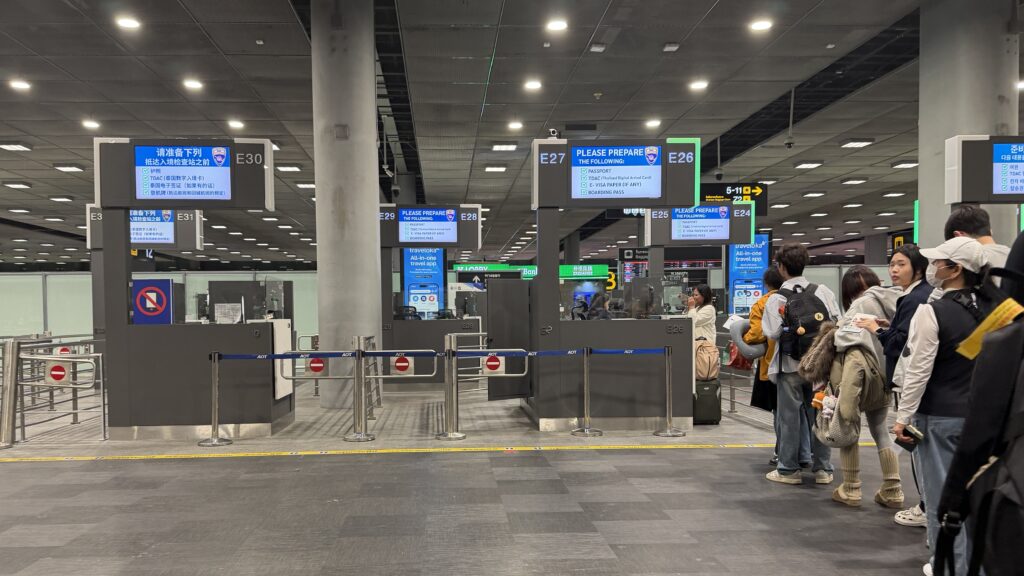
Denmark stands as an irresistible tapestry of Nordic history and modern elegance, with its cobbled streets, cutting-edge design, and captivating fjords. Yet, navigating the intricate world of Danish visas and entry requirements is as essential to your journey as exploring Nyhavn’s vibrant harbor or cycling beneath Copenhagen’s endless summer twilight. This guide, crafted with the precision of a seasoned immigration specialist and the care of a passionate travel advisor, demystifies every step of the Danish entry process—whether you’re a solo adventurer, a family exploring together, a digital nomad seeking hygge, or a business traveler with global ambitions.
Visa-Free Entry
For many travelers, the gateway to Denmark is remarkably open. Citizens of the EU/EEA and Switzerland enjoy visa-free access for up to 90 days within any 180-day period, moving freely for tourism, business, or family visits. The same privilege extends to nationals of several other countries under Denmark’s Schengen commitments. However, a common misunderstanding is that visa-free entry does not equate to unrestricted stay or activity; border control officers rigorously check the purpose of your visit, financial means, and strong return ties. Automated pre-screening systems are now standard at Danish borders, silently flagging inconsistencies in travel history or supporting documents. Senior travelers and families with elderly parents should be ready for questions about medical insurance and onward travel plans, while solo travelers and digital nomads may be asked to demonstrate deeper financial consistency and proof of accommodations. Always double-check your eligibility on the official portal before departure, as rules may change rapidly in response to global events.
Types of Visas
Denmark’s visa regime is nuanced, designed to accommodate a mosaic of traveler needs. The short-term Schengen visa (Type C) is the gold standard for tourists, business visitors, students on short courses, and those joining cultural events. Long-term visas (Type D) cater to students, expatriates, and family reunification, with each category demanding a specialized set of documents. Travelers should quietly prepare robust evidence matching stated purposes: a business traveler’s invitation letter, a student’s enrollment proof, or a family’s documentation of kinship. For families with children, officers typically expect comprehensive itineraries, birth certificates, and parental consent for minors. Digital nomads and group travelers should note enhanced scrutiny for applicants from countries with high overstay risks; officers meticulously cross-check past travel histories and financial flows. Case in point: a South American couple planning a six-month sabbatical in Denmark had their application delayed due to insufficient proof of accommodation for the entire period—offering detailed rental contracts ultimately resolved their case. Another scenario saw a senior traveler from Asia required to supplement their application with additional medical insurance due to pre-existing conditions, highlighting the importance of preemptive preparation.
Visa Application Fees
Visa fees for Denmark are standardized in line with Schengen policy: short-term visas typically cost around €80 for adults, with reduced rates for children aged 6-12 and exemptions for younger travelers. Students and researchers may access fee waivers, but it is essential to verify eligibility in advance. Families with multiple applicants should budget for each member and prepare for bank statement cross-checks—officers look for consistency between declared means and actual payments. Long-term visa applicants face higher fees, reflecting the complexity of processing and extended scrutiny. Business travelers should ensure their companies issue payment confirmations where appropriate, as officers are alert to discrepancies between stated sponsorship and actual fee payment. One notable case involved a digital nomad whose application stalled due to a fee mismatch; rectifying the payment with a bank confirmation letter restored trust and expedited approval.
Visa Processing Time
The path to a Danish visa is marked by both efficiency and unpredictability. Standard processing for short-term visas ranges from 15 to 30 calendar days, but high-season congestion—especially around European summer and Christmas—can extend this period. Weather-related delays, particularly during Denmark’s snowy winters, may impact courier deliveries of passports and supporting documents. Group travelers and families should apply well in advance, as batch processing can introduce additional checks. Automated pre-screening frequently accelerates low-risk cases, while red-flag triggers, such as travel history gaps or unexplained financial activity, prompt deeper investigation. Senior travelers and students should be aware that officers may request supplemental documentation mid-process. In one scenario, a multinational business team’s application was delayed at the border due to incomplete group travel insurance—adding a policy confirmation resolved the issue, underscoring the need for comprehensive, up-to-date paperwork.
Official Online Application Links
Denmark’s digital infrastructure empowers travelers with streamlined, transparent application processes. All official visa applications should be initiated via the official Danish immigration portal, which offers detailed guidance, document checklists, and secure payment options. It is essential to verify that you are on the legitimate government site—unofficial intermediaries can introduce delays, errors, or even fraud. Travelers preparing as a group, or families with elderly parents, should use the group appointment feature to synchronize interviews and biometrics. Students and digital nomads benefit from downloadable templates for invitation and sponsorship letters. A frequent pitfall is incomplete uploads—always double-check that scans are legible and all required fields are completed. In a recent case, a long-term student applicant failed to submit a translated enrollment letter; prompt correction through the online portal ensured timely reconsideration.
Online Status Check
Transparency is a hallmark of Denmark’s immigration system. Once submitted, visa applicants can monitor status updates directly through the official online tracker, using reference numbers provided at submission. This not only reduces anxiety but also allows families and group travelers to coordinate travel plans with confidence. Business travelers and digital nomads should check status at regular intervals, as requests for additional documentation may arrive without warning. Automated notifications help, but personal vigilance is key—a family with children recently avoided travel disruption by responding within 24 hours to a supplemental document request. Travelers should keep in mind that status updates may lag during peak periods, so patient, proactive follow-up is often rewarded.
Local Telecom & Connectivity Information
Staying connected in Denmark is seamless, thanks to a robust telecom infrastructure. TDC is the primary provider, offering prepaid SIMs, eSIM options, and high-speed data plans suitable for everyone from solo explorers to business travelers needing uninterrupted video calls. Digital nomads and students should acquire a local SIM upon arrival at the airport or city kiosks, as roaming can be costly. Families with children benefit from family-packaged data plans, while elderly travelers may prefer straightforward, pay-as-you-go options. Rural regions are well-covered, though it is wise to download offline maps when venturing to the Danish countryside, especially in winter when weather can disrupt signals. A common misunderstanding is assuming urban speeds extend everywhere—always double-check regional coverage, particularly if your plans include remote work or telemedicine appointments. In one case, a group of expatriate students resolved housing search delays by leveraging TDC’s eSIM for instant connectivity on arrival.
Currency, Exchange & Financial Info
Denmark proudly retains its own currency, the Danish krone (DKK), adding a distinctive financial flavor to your journey. Exchange rates are best checked in real-time through the National Bank of Denmark, which provides accurate, official rates. Urban centers abound with ATMs and card payment options, but travelers should quietly prepare a supply of cash for rural markets and smaller towns, where electronic payments may encounter issues. Business travelers and digital nomads will find contactless payments universally accepted, making expense tracking effortless. Families and group travelers should be alert to dynamic currency conversion offers at tourist hotspots, as rates can be unfavorable. Senior visitors should notify their banks of international travel to avoid card blocks. One case involved a family whose trip was disrupted by a blocked debit card—resolving the issue required a call to their home bank, highlighting the importance of pre-travel financial readiness. It is essential to verify with your local bank regarding withdrawal fees and daily limits before departure, ensuring a smooth financial experience in Denmark.
Entering Denmark is an invitation to discover a society that values transparency, security, and hospitality. Whether you’re navigating the city lights of Copenhagen or the serene landscapes of Jutland, a well-prepared visa application, vigilant document management, and an understanding of local culture and climate are your keys to a seamless journey. Travelers who approach the process with respect for detail and a spirit of anticipation will find Denmark’s borders not a barrier, but a gateway to unforgettable experience, connection, and discovery.
Visa / Immigration: https://www.nyidanmark.dk
Border Control: https://politi.dk
Telecom: https://tdc.dk
Currency / Central Bank: https://www.nationalbanken.dk