Introduction to the Grand Palace Bangkok
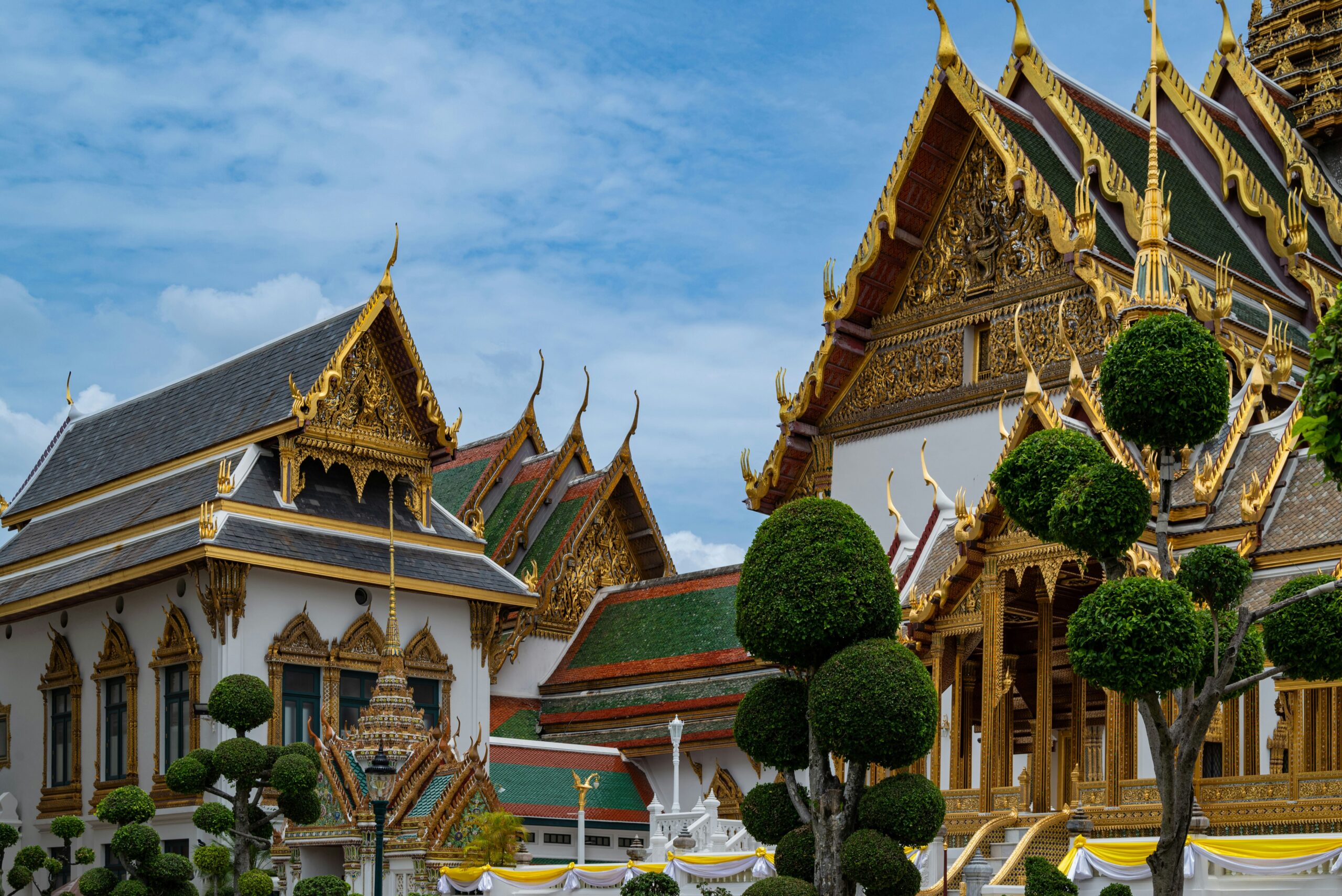
Grand Palace Bangkok is Thailand’s most iconic historical landmark and a symbol of royal heritage, spirituality, and national identity. Built in 1782, the palace served as the official residence of the Kings of Siam for more than 150 years and remains the ceremonial heart of the Thai monarchy today. With its glittering spires, sacred temples, and meticulously preserved halls, the Grand Palace is an essential stop for first-time and returning visitors to Bangkok.
Essential Visitor Information
| Location | Na Phra Lan Road, Phra Nakhon, Bangkok, Thailand |
| Opening Hours | 08:30 – 15:30 (daily) |
| Admission Fee | 500 THB (includes Wat Phra Kaew & Queen Sirikit Museum) |
| Best Time to Visit | November–February (cool season) |
Official Resources
How to Get to the Grand Palace Bangkok
The Grand Palace is located in Bangkok’s historic Rattanakosin Island, close to the Chao Phraya River. The most efficient way to arrive is by Chao Phraya Express Boat, getting off at Tha Chang Pier, followed by a short walk. Taxis and public buses are widely available, though traffic congestion is common during peak hours. MRT and BTS services can be combined with river transport for smoother access.
Architectural Highlights Inside the Palace
The Grand Palace complex showcases the finest examples of traditional Thai architecture, featuring golden chedis, multi-tiered roofs, and detailed mosaic decoration. The site is divided into Outer, Middle, and Inner Courts, though the Inner Court remains closed due to its ceremonial role.
Temple of the Emerald Buddha (Wat Phra Kaew)
Wat Phra Kaew houses Thailand’s most sacred image, the Emerald Buddha, carved from a single block of jade. The statue’s seasonal robes are changed personally by the King of Thailand, underscoring its spiritual importance. Murals depicting the Ramakien epic surround the temple walls, making this one of the most visually and culturally significant spaces in the country.
Chakri Maha Prasat & Royal Halls
The Chakri Maha Prasat Hall blends European neoclassical design with traditional Thai rooftops, reflecting Thailand’s modernization under King Rama V. Nearby royal halls once hosted coronations, state ceremonies, and official receptions, offering insight into Thailand’s royal history.
Dress Code & Visitor Rules
Strict dress regulations apply at the Grand Palace Bangkok. Visitors must wear clothing that covers shoulders, arms, and legs. Shorts, sleeveless tops, and open-back sandals are not allowed. Complimentary cover garments are available at the entrance if needed. Photography is permitted outdoors but prohibited inside sacred buildings.
Best Time & Crowd Management Tips
Arriving early in the morning significantly reduces crowd levels. Weekdays are generally quieter than weekends. During the hot season (March–May), heat can be intense, while the rainy season (June–October) may bring short but heavy showers. Sun protection and hydration are essential year-round.
Cultural Significance & Royal Ceremonies
The Grand Palace Bangkok remains a central venue for royal ceremonies, including coronations and national celebrations. While some areas may close during official events, the surrounding atmosphere offers a rare glimpse into Thailand’s living royal traditions.
Nearby Attractions Worth Visiting
- Wat Pho – Home of the Reclining Buddha and traditional Thai massage
- Tha Chang Market – Riverside food stalls and local life
- Bangkok National Museum – Thailand’s largest historical museum
Sustainable Tourism & Preservation
Ticket revenue directly supports conservation projects that preserve murals, architecture, and sacred artifacts within the palace complex. Visitors are encouraged to respect all rules, remain on designated paths, and avoid physical contact with historical structures.
Grand Palace Bangkok Map Location
Final Travel Advice
Visiting the Grand Palace Bangkok is not just sightseeing—it is a journey into Thai history, spirituality, and royal tradition. Allow at least two to three hours, move respectfully, and consider hiring a licensed guide for deeper historical context.