How to Use Grab in Vietnam Without Mistakes: Real Tips for Safer, Smarter Travel
Grab Vietnam is still one of the most useful transport apps for travelers who want fixed fares, driver tracking, and less stress in Hanoi, Ho Chi Minh City, Da Nang, and other major urban areas. In 2026, the smartest way to use it is not just opening the app and booking blindly, but understanding the service types, pickup logic, payment quirks, airport strategy, and when a competitor may actually be the better backup.
Search Intent
This guide is for travelers searching Grab Vietnam, how to use Grab in Vietnam, GrabBike vs GrabCar, Vietnam airport ride app, and is Grab safe in Vietnam. It is written for people who want practical transport advice, not generic promo copy.
Quick Summary: 5 Things That Matter Most
- Grab is useful, but not the only major player anymore: Vietnam’s ride-hailing market is more competitive now, so Grab works best when you also keep one backup app.
- GrabBike is usually the fastest choice in dense traffic: It is best for solo travelers with light bags and short city hops.
- GrabCar is the safer all-around option for most visitors: Better for airport runs, late-night arrivals, rain, luggage, and first-time travelers.
- Cashless payment is convenient, but foreign-card fees can apply: Always check the fare breakdown before confirming.
- The pickup point matters almost as much as the app: Clear landmarks, the correct terminal exit, and waiting until you are actually curbside will prevent most booking mistakes.
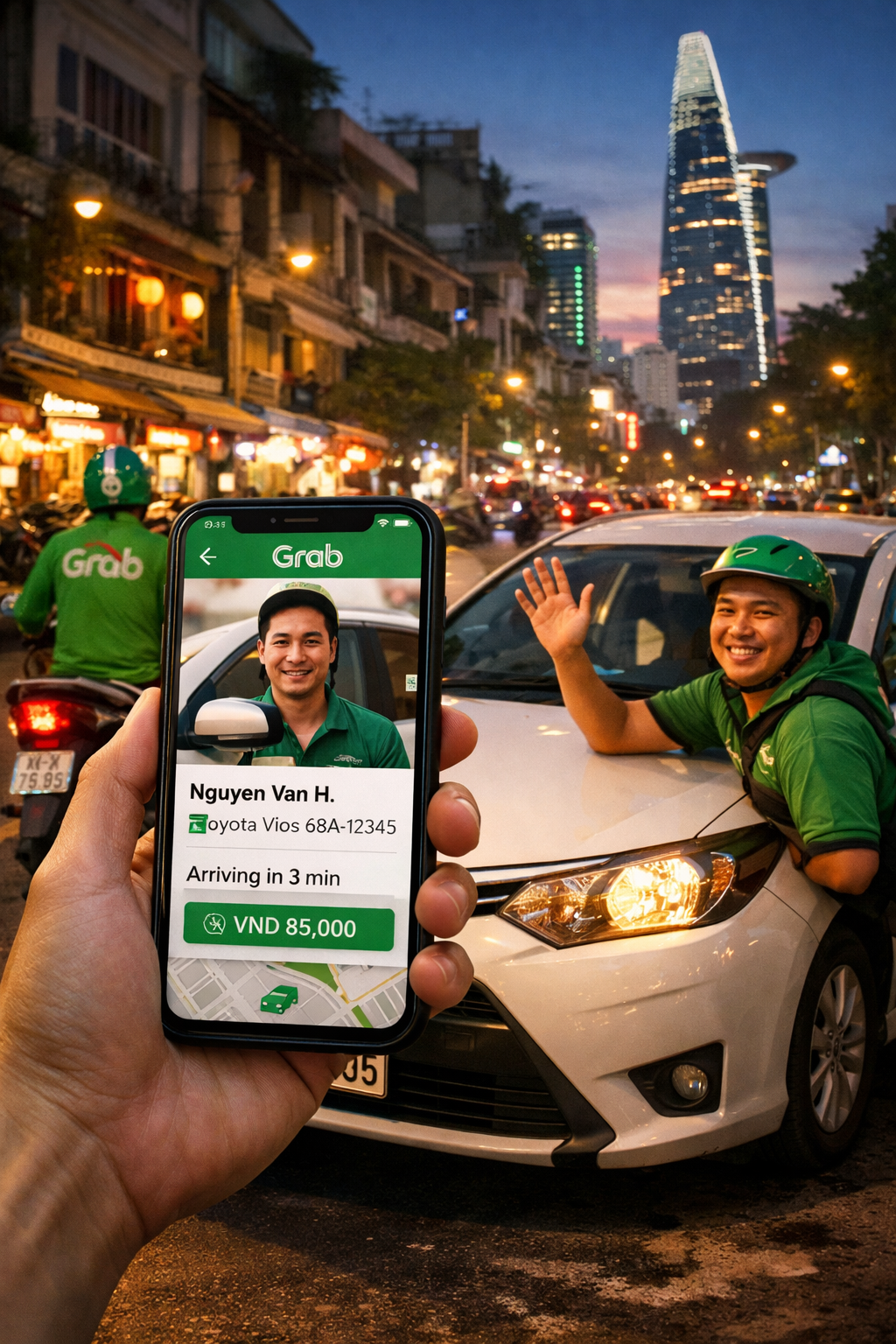
A typical Grab pickup moment in Ho Chi Minh City where travelers easily connect with drivers using the Grab Vietnam ride-hailing app.
Why Grab Vietnam Still Matters for Travelers
Grab Vietnam remains one of the easiest tools for reducing travel friction. You open the app, see an estimated fare, track the driver, confirm the plate number, and avoid one of the classic stress points in Southeast Asia: uncertain street-side negotiation after a long flight or on a busy night. For visitors who do not speak much Vietnamese, that alone can make a huge difference.
What changed, though, is the context. A lot of older travel articles still describe Grab as if it completely dominates the field. That is too simplistic in 2026. Vietnam’s ride-hailing landscape has become more competitive, especially with Xanh SM expanding aggressively and becoming a real first-choice option for many riders. So the smarter advice now is this: use Grab as a primary tool, but do not travel Vietnam with only one ride app installed.
I also think travelers overestimate the “app solves everything” fantasy. It does not. It solves pricing visibility, driver identity, route transparency, and convenience. But it cannot fix a bad pickup pin, airport curb confusion, dead phone battery, weak mobile signal, or your own decision to order a motorbike while standing on the wrong side of a six-lane road. Vietnam is fast, loud, and dynamic. The app helps, but your judgment still matters.
What It Feels Like to Use Grab in Vietnam
The first time I used a ride app in Vietnam after arriving tired and slightly overstimulated, the biggest relief was not the price. It was the removal of uncertainty. The streets were already loud with scooters, horns, food smoke, and people moving in every direction. I remember thinking that the city felt exciting, but also one wrong decision away from becoming annoying. Seeing the driver photo, plate number, live map, and fare estimate made the whole situation feel manageable.
That is what Grab does best for visitors: it turns transport from a negotiation into a process. You are not waving at random taxis and hoping the meter behaves. You are not relying only on gestures at 11:30 PM in the rain. Instead, you get structure. And in Vietnam, structure is underrated.
Still, the experience varies by context. On a dry afternoon in central Da Nang, Grab can feel effortless. At a crowded airport exit or during sudden rain in Ho Chi Minh City, it can feel more chaotic. Drivers may call, the pin may drift, traffic may freeze, and pickup zones may be crowded with several identical cars and bikes. That does not mean the system is broken. It just means Vietnam rewards travelers who stay alert and practical.
Why Ride-Hailing Fits Vietnam So Well
Vietnam’s urban transport culture is naturally compatible with app-based mobility: dense cities, heavy motorbike traffic, short-to-medium urban trips, fast-changing demand, and a population that has rapidly embraced mobile payments and digital services. That is why ride-hailing here is not just a convenience layer. In many cases, it is part of the city’s real operating system for daily movement.
Grab Vietnam Service Matrix for Travelers
| Service | Best Use Case | Strength | Watch Out For |
|---|---|---|---|
| GrabBike | Solo travelers, short hops, rush hour | Fast and usually the cheapest option | Not ideal for large luggage, rain, or nervous riders |
| GrabCar | Airport runs, families, late-night travel | Comfort, AC, luggage space, easier pickup logic | Can surge more during rain and peak hours |
| JustGrab | When speed matters more than vehicle type | Quick matching with the nearest available car or taxi | Less control over the exact vehicle category |
| GrabTaxi | Traditional taxi preference with app matching | Driver tracking and easier booking than street hailing | Fare logic can differ from fully fixed private-car rides |
| Rent / Advance Booking | Planned airport transfers or multi-stop days | More structured for pre-arranged transport | Higher cost than on-demand rides |
Payment Strategy: Card, Cash, and the Foreign Fee Detail
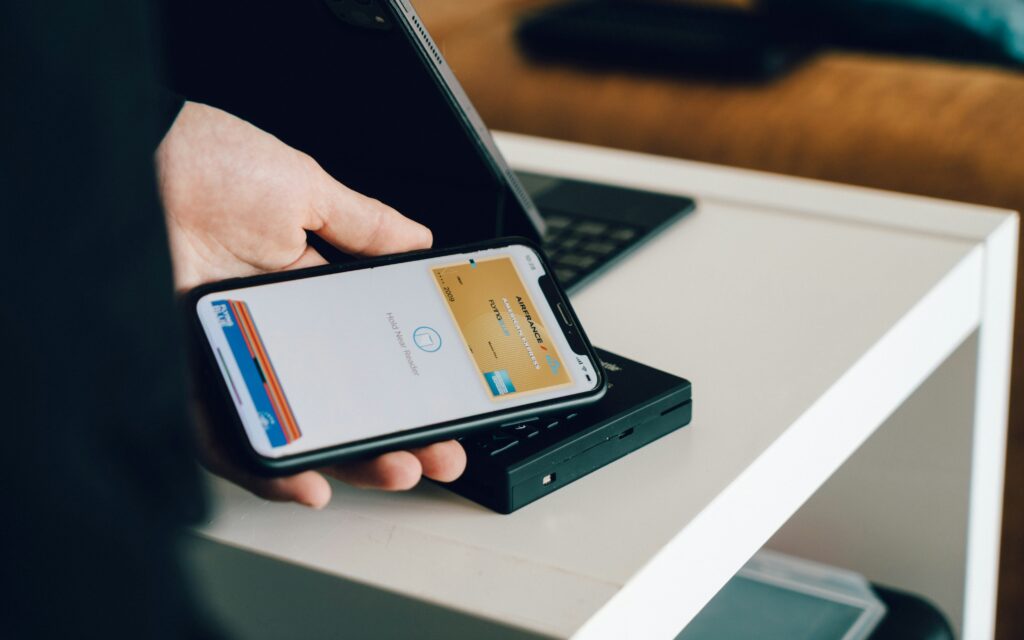
For travelers, the most practical setup is simple: add a credit or debit card before your trip, but keep enough cash in case your bank blocks a charge, your signal drops, or a specific payment method fails. Grab Vietnam supports card payments, and the app also lets users choose a preferred method for rides and orders.
One detail many travel blogs miss is that foreign-issued cards can trigger an additional processing fee in Vietnam. This means “cashless” is not always identical to “cheapest.” If your card works smoothly and you value convenience, it is still often worth it. But on short rides, especially repeated daily trips, those small add-ons can quietly stack up.
Another niche but important point: some users from other Grab markets may need to re-save their card in Vietnam due to local payment-processing requirements. That matters if you used Grab before in another country and expect everything to work automatically on arrival. I would set the app up before departure, then test the card with a small ride early in the trip rather than discovering a payment issue during an airport departure.
Insider Tips That Actually Help
- Do not book too early at airports: wait until you are physically near the correct pickup area.
- Use landmarks, not vague street pins: hotel entrance, convenience store corner, or a named café works better.
- Check plate number before anything else: not helmet color, not car brand, not driver wave.
- GrabBike is brilliant, but be honest about your comfort: if you are jet-lagged, carrying a backpack plus shopping, or nervous in traffic, book a car.
- Save one backup app: in Vietnam, transport strategy beats brand loyalty.
- Keep mobile data active: live communication is part of using ride-hailing well here.
Airport Pickup Strategy: Where Most Mistakes Happen
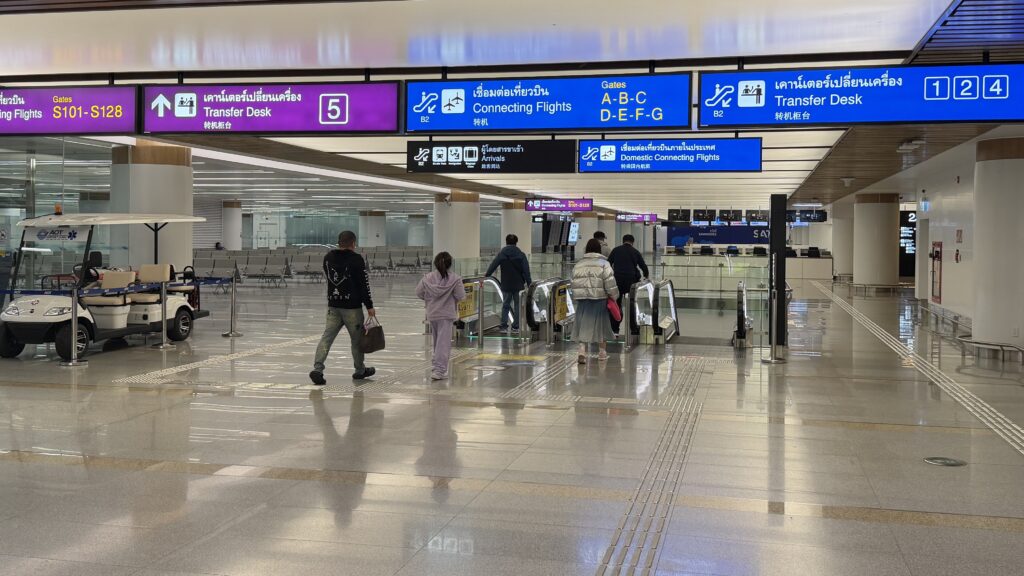
Airports are where travelers make the most avoidable Grab mistakes. After landing, it is tempting to open the app immediately while still inside the terminal. I would not do that. Move first. Get connected. Confirm which exit or ride zone you are actually using. Then book.
At busy airports like Tan Son Nhat, the problem is rarely the app itself. The problem is environment: crowding, traffic marshals, moving pickup lanes, poor pin placement, and travelers dragging luggage while trying to message drivers at the same time. If you choose GrabBike here with a suitcase, you have probably already made the wrong decision.
For airport arrivals, my rule is straightforward:
- Get through arrivals fully before requesting the ride.
- Check the exact pickup instructions in the app.
- Stand in a place where the driver can legally and realistically stop.
- Use chat or call only to clarify the final landmark, not to negotiate the whole route.
- If the area is chaotic and you are tired, choose GrabCar or pre-book instead of improvising.
This is one of those cases where spending slightly more often saves more than it costs. I have seen travelers waste twenty minutes trying to save the price difference between a bike and a car while standing in heat with luggage. That is false economy.
Grab vs Street Taxi vs Backup Ride Apps
| Option | Best For | Pros | Cons |
|---|---|---|---|
| Grab | Most travelers, everyday urban rides | Tracking, app support, multiple service types, strong travel usability | Surge pricing, pickup friction, foreign card fee possible |
| Street / Metered Taxi | Fast curbside departure in obvious taxi zones | Immediate availability in some places | Less transparency, fewer in-app protections, quality varies |
| Backup App (e.g. Xanh SM / inDrive) | Price comparison and availability hedge | Useful when Grab wait times surge or prices spike | Different service logic, interface, and local availability |
The practical conclusion is not “Grab always wins.” The real answer is that Grab is the best default starting point for many visitors, while a backup app gives you leverage. That combination is stronger than relying on any single transport method.
Who Should Use GrabBike, and Who Probably Should Not
GrabBike is ideal for: solo travelers, confident urban movers, short daytime trips, and people traveling light.
GrabBike is not ideal for: families, airport transfers with luggage, heavy rain, late-night nervous travelers, or anyone who already feels overwhelmed by Vietnam traffic.
Personally, I think some travel blogs oversell GrabBike because it sounds adventurous and local. It can be fun and efficient, yes. But if you are tired, carrying bags, wearing slippery shoes, or just not in the mood for sensory overload, there is absolutely no shame in choosing GrabCar. Comfort is part of travel quality too.
Step-by-Step: How to Use Grab in Vietnam Smoothly
- Install the app before departure and verify your account while your home network is stable.
- Add a card, but carry cash too. Convenience is great; redundancy is smarter.
- Get reliable mobile data on arrival. A stable connection makes live pickup coordination much easier.
- Choose the right service type, not just the cheapest one. Bike for speed, car for comfort, advance booking for structure.
- Use a real landmark for pickup. Do not trust vague street numbers in dense areas.
- Confirm plate number before boarding.
- Watch the fare breakdown before confirming. Small fees matter over repeated rides.
- Keep one backup transport option ready. Smart travel in Vietnam is flexible, not rigid.
FAQ: Grab Vietnam for Travelers
Is Grab available in Vietnam for foreign travelers?
Yes. Grab operates in Vietnam and is one of the main ride-hailing options used by both locals and visitors, especially in larger urban areas.
Is Grab better than regular taxis in Vietnam?
For many travelers, yes. The biggest advantages are fare visibility, driver identification, live tracking, and easier complaint or support channels. Official taxis still have a role, but apps reduce uncertainty.
Can I use an international card on Grab Vietnam?
Usually yes, but foreign-card processing fees may apply, and some users may need to re-save their card in Vietnam depending on account/payment setup.
Should I use GrabBike in Vietnam?
Use it if you are solo, traveling light, comfortable with motorbike traffic, and trying to move fast in congested areas. Choose GrabCar if you have luggage, feel tired, or want a calmer ride.
Is Grab safe in Vietnam?
It includes useful safety features like driver identification, ride tracking, trip sharing, and access to support. That said, basic traveler caution still matters, especially during pickup.
What is the biggest mistake travelers make with Grab in Vietnam?
Booking from the wrong pickup point, especially at airports or on busy streets. Most ride problems start with location confusion, not app failure.
Should I keep another ride app besides Grab?
Yes. In 2026, that is the most practical move. Market competition in Vietnam is real, and having a backup improves availability, pricing comparison, and peace of mind.
Useful Internal Guides for Your Vietnam Trip
- Best International eSIM Providers — the easiest way to stay connected for live ride tracking and pickup calls.
- Roamless eSIM Review 2026 — a useful backup if you want flexible mobile data for navigation-heavy travel days.
- inDrive Ride-Hailing Survival Guide — a smart alternative when you want a second transport app in Vietnam.
- GLN Global Loyalty Network Guide — useful if you are optimizing payments and travel spending.
- Airport Immigration Process Guide — helps you move faster from landing to curbside pickup.
- Hoan Kiem Lake Hanoi Guide — ideal if you are planning city rides around central Hanoi.
Official and Helpful External Resources
- Grab Vietnam Transport — official overview of transport services including GrabTaxi, GrabCar, JustGrab, GrabBike, and Rent.
- Grab Vietnam Trust & Safety — official safety features, support access, and ride-sharing tools.
- Grab Help Centre: Add Payment Card — official payment setup guidance.
- Grab Help Centre: Foreign Card Processing Fee — official fee explanation for foreign-issued cards in Vietnam.
- Grab Airport Rides: Tan Son Nhat — official airport transfer reference.
Final Take: Use Grab, But Use It Like a Smart Traveler
Grab Vietnam is still one of the most useful travel apps you can have on your phone in 2026. It makes urban movement easier, more transparent, and usually less stressful than starting from zero on the curb. But the best results come when you stop treating it like magic and start treating it like a tool.
Install it early. Add payment before you need it. Keep data active. Use clear pickup landmarks. Choose the right ride type for your actual condition, not your fantasy version of yourself. And most importantly, keep one backup app ready, because Vietnam’s transport market is now dynamic enough that flexibility beats loyalty.
If your goal is simple, safe, practical movement across Vietnam, Grab is still absolutely worth using. Just use it with a little strategy, and the whole country starts to feel easier.