Can I Use Apple Pay in Thailand? What Tourists Should Really Expect in 2026
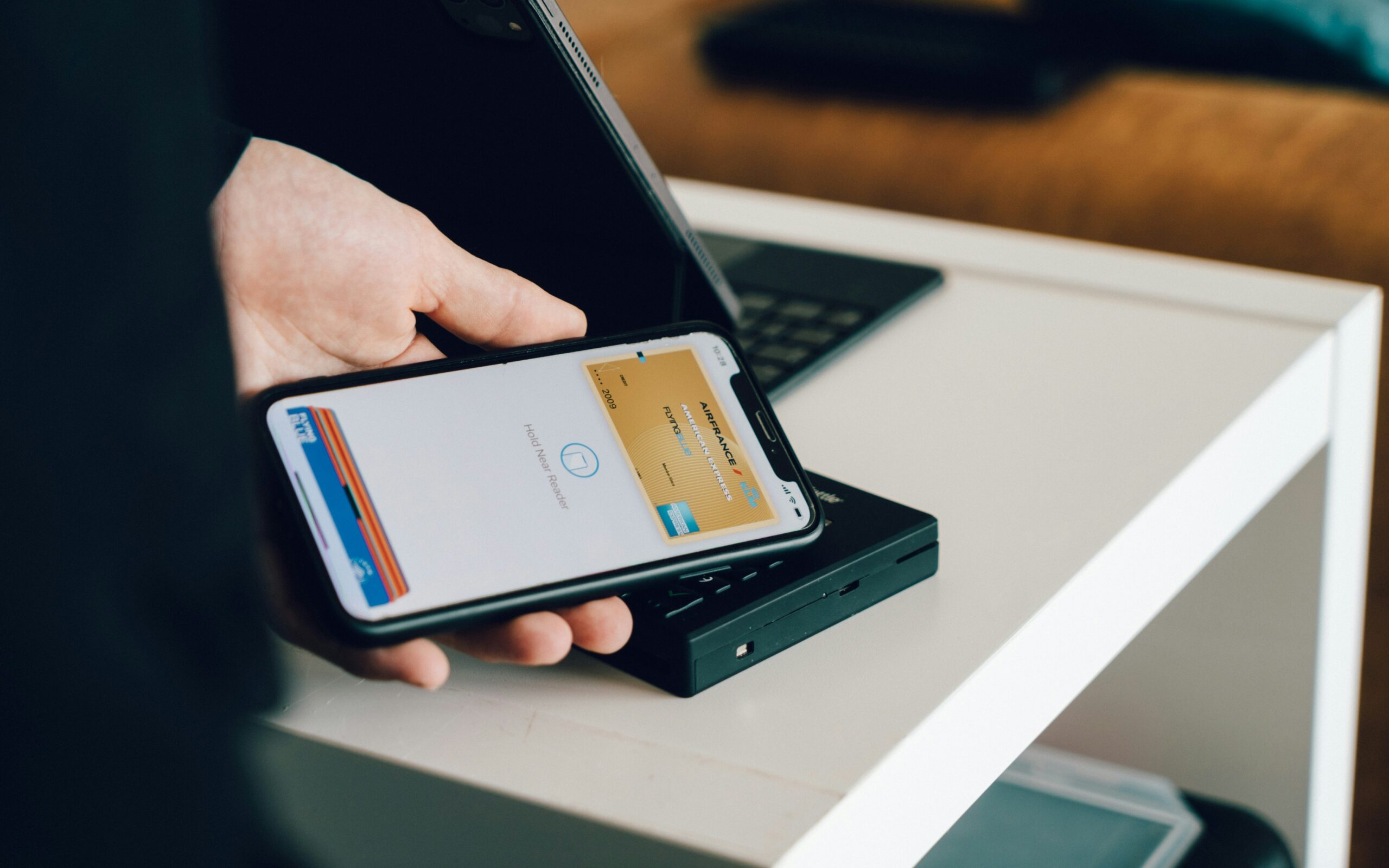
Can I use Apple Pay in Thailand? Yes, sometimes—but not everywhere, and that difference matters a lot once you leave airports, malls, and larger chain businesses. If you are planning a Thailand trip and hoping to tap your iPhone for everything, the short version is simple: Apple Pay can work at some modern merchants that accept international contactless card payments, but Thailand is still heavily shaped by QR payments and cash-friendly local habits.
For travelers, the real strategy is not “Apple Pay or nothing.” It is Apple Pay + a physical backup card + some cash. That setup usually saves the most stress.
Search Intent
This guide is for travelers who want to know whether they can rely on Apple Pay in Thailand, where it usually works, where it often fails, and what payment mix is safest in Bangkok, Phuket, Chiang Mai, Pattaya, and beyond.
Quick Summary
- Apple Pay can work in Thailand at some larger merchants that accept international contactless card payments.
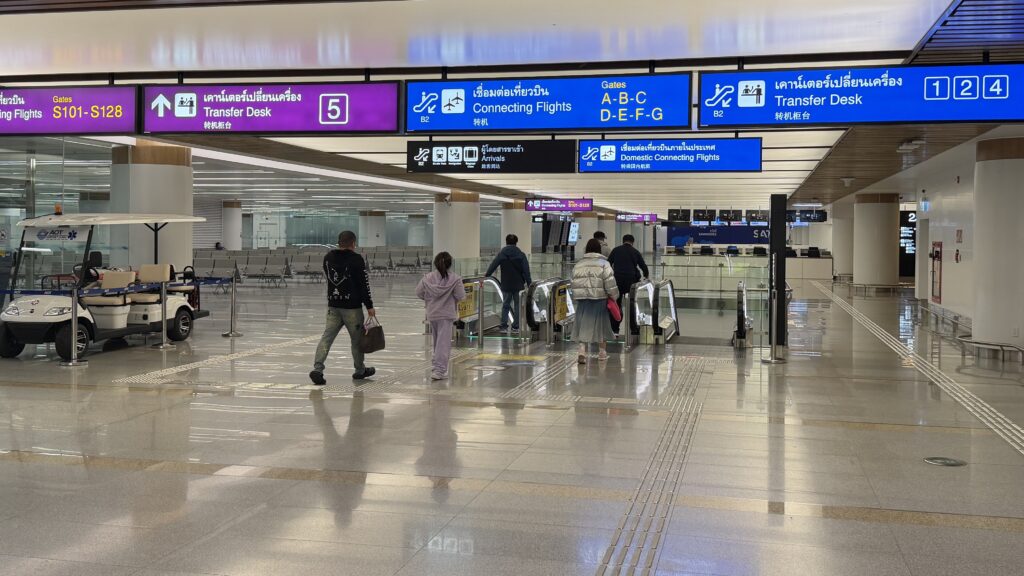
- It is far more reliable in malls, hotels, airports, and chain businesses than in street markets or small local shops.
- Thailand has a strong QR payment culture, especially through PromptPay, which many tourists cannot use directly.
- You should still carry a physical Visa or Mastercard and some cash for everyday travel.
- Apple Pay is best treated as a convenience, not your only payment method in Thailand.
Why This Matters for Travelers
Payment friction can quietly ruin a trip. You can spend hours planning temples, beach clubs, rooftop bars, and train rides, then still get stuck because the small café near your hotel only wants cash, or the local vendor points at a QR code that your foreign wallet cannot scan. Thailand is one of those destinations where modern digital payments and traditional on-the-ground realities exist side by side.
I actually think this is why the question matters so much. A lot of travelers arrive assuming a major tourist destination must be fully tap-and-go by now. Then the first few payments feel confusing: one upscale mall accepts a tap instantly, but a nearby food court stall, ferry counter, or small independent restaurant may prefer cash or a Thai-style QR payment. That gap is normal in Thailand.
So the goal is not just answering “yes” or “no.” The goal is helping you avoid that awkward moment when you are hungry, sweaty, carrying luggage, and realizing your phone is not enough.
What It Feels Like on the Ground
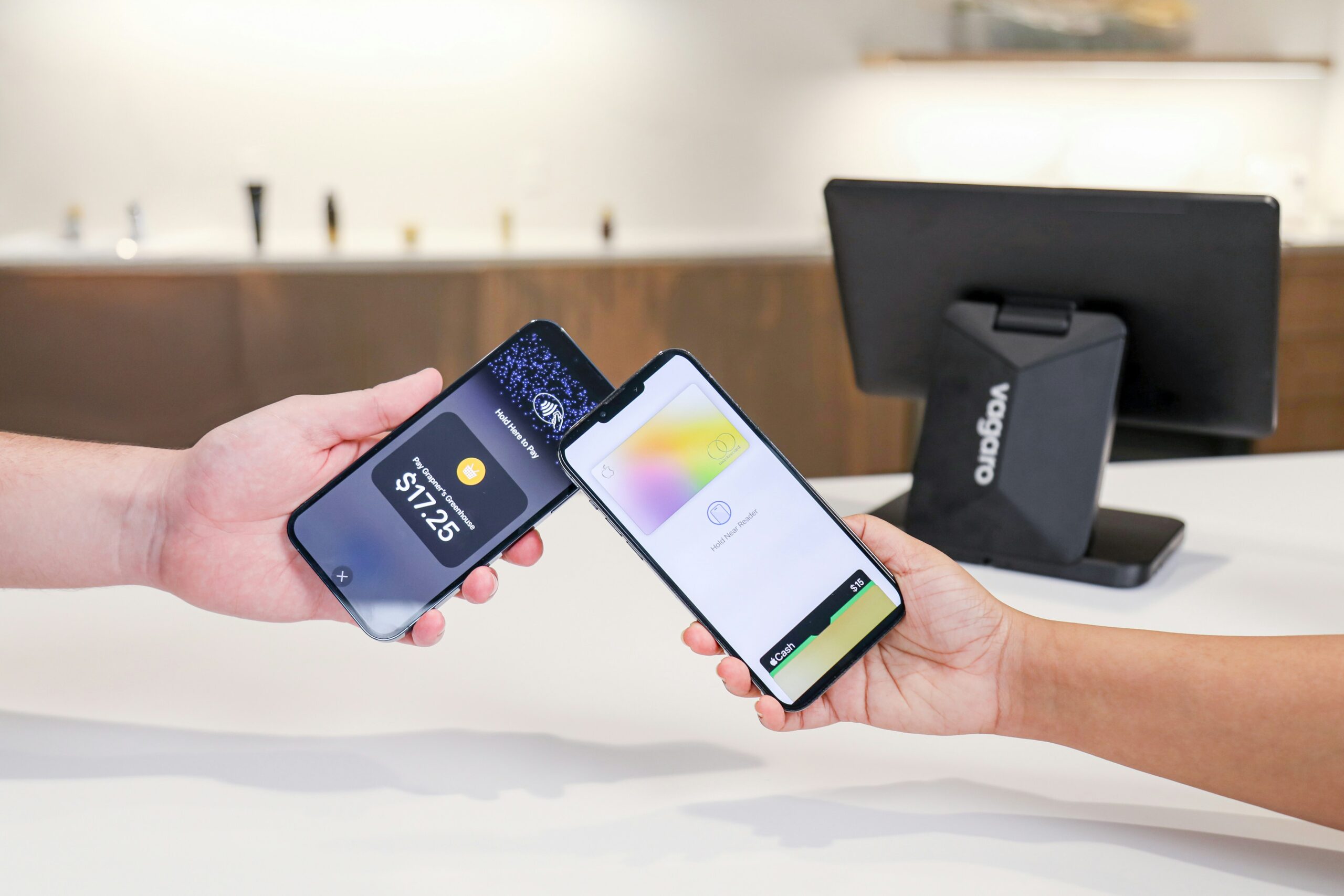
In Bangkok, Apple Pay can feel surprisingly smooth for a while. You walk into a polished mall, buy coffee from an international chain, tap your phone, and it works. That gives you confidence. Then later you stop at a local dessert shop, a market stall, or a casual neighborhood restaurant, and suddenly the payment expectation changes completely.
One thing I have noticed in Thailand is that the payment experience often depends less on the city itself and more on the exact type of merchant. Tourist-facing businesses with international systems are usually easier. Local everyday businesses are more likely to be built around cash or Thai banking apps. That means your success with Apple Pay might be excellent in the morning and frustrating by evening.
The mistake many travelers make is assuming one good Apple Pay experience proves total acceptance. It does not. Thailand rewards flexible travelers more than idealistic ones.
Why Thailand Feels Different: Contactless Cards vs QR Payments
To understand Apple Pay in Thailand, you have to understand how Thai payments work. Thailand has strongly developed digital payments through QR systems, especially PromptPay. That means many local merchants are comfortable showing a QR code and expecting payment through a bank app. For residents, that is convenient and fast. For foreign travelers, it can be much less useful unless they have access to a supported local or linked cross-border system.
At the same time, card and contactless payments are also present, especially in more international environments. This is where Apple Pay enters the picture. Apple Pay rides on the underlying card network. So if a store’s terminal properly accepts contactless international Visa or Mastercard transactions, Apple Pay has a better chance of working. If the merchant mainly operates through Thai QR habits or only wants cash, Apple Pay will not magically solve that.
Simple rule:
Where Apple Pay Is Most Likely to Work in Thailand
You have the best chance in places that already serve international travelers and process global card transactions regularly. These include:
- Large shopping malls in Bangkok, Phuket, Pattaya, and Chiang Mai
- International hotel chains and upscale resorts
- Airport stores, lounges, and some transport-related counters
- Major chain cafés, restaurants, and convenience-oriented retail brands
- Selected transit systems or modern transport services using contactless card infrastructure
In those environments, your iPhone or Apple Watch can feel perfectly natural. But even there, I would not assume anything until I see the terminal and the staff are comfortable with card payments.
Key Visitor Info Table
| Payment Method | How Reliable in Thailand? | Best Use Case |
|---|---|---|
| Apple Pay | Limited to moderate | Malls, hotels, airports, modern chains |
| Physical Visa / Mastercard | More reliable than Apple Pay | General backup for card-friendly merchants |
| Cash | Very reliable | Markets, street food, small shops, taxis, local stalls |
| Thai QR / PromptPay | Excellent for locals, limited for many tourists | Local app-based payments where supported |
The Real Payment Culture Tourists Notice
Thailand can look digitally advanced and still be uneven for foreign wallets. That is not a contradiction. It is simply a market where local consumer behavior, bank-led QR infrastructure, and international tourism overlap.
In practical terms, this means tourists should expect two Thailands at once. One is sleek, air-conditioned, polished, and easy to tap through. The other is the Thailand many travelers actually love more: neighborhood noodle shops, floating market snacks, quick local transport, beach vendors, night market stalls, and independent cafés with handwritten menus. That second Thailand is exactly where cash still matters most.
I would even say this is part of the travel rhythm. If you try to force a fully cashless, fully Western payment experience onto Thailand, you may end up more annoyed than necessary. Once you accept that Thailand is a mixed-payment destination, the whole experience becomes easier.
Travel Tips: How to Use Apple Pay Smartly in Thailand
Tip #1:
Tip #2:
Tip #3:
Another honest tip: do not wait until your battery is at 3%. Travel days in Thailand can be long, humid, and transit-heavy. If your payment strategy depends on your phone, bring a power bank. It sounds obvious, but it is the kind of mistake people only make once.
How to Pay in Thailand Without Stress
- Set up Apple Pay before departure. Make sure your card is already working in Wallet and approved for international travel.
- Bring at least one physical backup card. Do not rely on your phone alone.
- Withdraw some local cash early. Even a modest amount can rescue a day.
- Use Apple Pay first in international-style venues. Malls, airports, upscale hotels, and large chains are your safest test zones.
- Watch what locals are doing. If everyone is scanning QR codes or paying cash, assume Apple Pay may not be ideal there.
- Stay flexible. The best Thailand payment strategy is mixed, not purist.
Examples of Places Where Your Chances Are Better
If you want practical examples, think of places like major Bangkok malls, airport retail zones, big hotel groups, or tourist-heavy retail districts. A polished retail environment around places such as ICONSIAM or large shopping complexes is simply a better Apple Pay bet than an open-air market stall or a family-run street food cart.
That does not mean small businesses are behind. Often they are just optimized for Thai consumer behavior rather than foreign wallet habits. As a traveler, it helps to interpret that correctly instead of reading it as a service failure.
Apple Pay vs Cash in Thailand
| Factor | Apple Pay | Cash |
|---|---|---|
| Speed | Very fast when accepted | Always understandable, but slower for change |
| Coverage | Selective | Extremely broad |
| Best for | Malls, hotels, larger retailers | Markets, local meals, small shops, transport |
| Tourist confidence | Convenient but inconsistent | Unfashionable but dependable |
Who Can Rely on Apple Pay More?
Apple Pay is more useful in Thailand for travelers who stay in central city areas, spend most of their time in malls or international hotels, and naturally use card-friendly businesses. It is less reliable for backpackers, market-hoppers, rural explorers, and food-focused travelers who spend more time in informal local settings.
If your itinerary is built around rooftop bars, brand-name cafés, airport transfers, and upscale shopping, Apple Pay may feel pretty decent. If your itinerary is built around islands, night markets, street noodles, old-town wandering, and spontaneous local stops, cash becomes much more important.
FAQ
Does Apple Pay work everywhere in Thailand?
No. It can work at some contactless-enabled merchants, but it is not universal across Thailand.
Can tourists use Apple Pay in Bangkok?
Yes, especially in larger malls, hotels, airports, and international chains. Bangkok is your best Apple Pay environment in Thailand, but even there you still need backup options.
Is Apple Pay better than carrying cash in Thailand?
No. Apple Pay is convenient, but cash is still essential for many everyday travel situations in Thailand.
Why do some Thai merchants show QR codes instead of card terminals?
Thailand has a strong QR-based payment culture, especially through PromptPay and bank app ecosystems.
Should I bring a physical card if I have Apple Pay?
Absolutely. A physical Visa or Mastercard is one of the smartest backups you can carry in Thailand.
What is the safest payment setup for Thailand?
Apple Pay for convenience, a physical international card for backup, and enough Thai baht for local spending is the best all-around setup.
Related Guides
Official and Useful Sources
Bangkok Example: A Good Area for Card-Friendly Spending
Final Answer
So, can you use Apple Pay in Thailand? Yes—but only in the right places, and not with the consistency most travelers expect from fully cashless destinations. Thailand is modern, digital, and travel-friendly, but it is also proudly practical. QR payments are strong, cash remains useful, and local merchant habits do not always match international wallet assumptions.
If I had to give one honest recommendation, it would be this: bring a flexible payment setup, not a single payment dream. Apple Pay can absolutely make parts of your trip smoother, especially in larger urban and tourist-facing environments. But the travelers who have the easiest Thailand experience are usually the ones carrying three things: a phone, a card, and some cash.
That combination is not glamorous—but in Thailand, it is smart.