Vietnam Arrival Guide 2026: Immigration, Visa, Airport Process, and Mistakes First-Time Travelers Make
Vietnam arrival guide for first-time travelers starts before you even leave the terminal. The hardest part is not usually the visa rule itself. It is the first 30 to 90 minutes after landing: following the right signs, clearing immigration, finding baggage, handling customs, setting up mobile data, and getting into the city without overpaying or getting overwhelmed.
Vietnam is not a difficult country to enter, but first arrivals can feel chaotic if you do not already know the sequence. Hanoi can feel busy and compressed, Ho Chi Minh City can feel fast and noisy, and even calmer airports like Da Nang can still surprise you with bag checks or item restrictions that many travelers never think about until it is too late.
What I like about a good arrival guide is simple: it should tell you what really happens, not just what the official rulebook says. This one is built for exactly that first-time moment when you step off the plane and want a practical, stress-saving roadmap from runway to city.

Search Intent
This guide is for first-time travelers arriving in Vietnam who want a clear, real-world walkthrough of immigration, visas, airport transport, SIM cards, safety tips, and the biggest arrival mistakes to avoid without stress or surprises.
Quick Summary
- After landing, the normal flow is immigration → baggage claim → customs → arrivals hall.
- Vietnam’s official e-visa system now runs on evisa.gov.vn and approved e-visas should be printed.
- Fast Track can be worth it at busy airports, especially during heavy arrival waves.
- Da Nang usually feels easier for first-timers, while Hanoi and Ho Chi Minh City can feel more intense.
- Airport SIM counters are convenient, but an eSIM before departure is usually smoother.
- Grab is the easiest and safest city-transfer option for most visitors.
- Vietnam is now very strict on e-cigarettes and heated tobacco products, so do not assume duty-free purchase makes them safe to carry.
Why First-Time Vietnam Arrivals Feel More Stressful Than They Need To
The real problem for first-time visitors is not that Vietnam’s arrival process is impossible. It is that everything happens quickly and in sequence. You are tired from the flight, the airport feels unfamiliar, signs appear in bursts, and you suddenly have to make several practical decisions in a row without much time to think.
That is why two travelers can land at the same airport and have completely different experiences. One gets through in under an hour and is in a Grab heading to the hotel. The other gets stuck in immigration, hesitates over visa paperwork, overpays for a SIM, then negotiates with an aggressive driver outside the terminal. The difference is preparation, not luck.
If you know the flow in advance, Vietnam becomes much easier. You do not need to memorize every regulation. You just need to understand what comes first, what matters most, and what mistakes create unnecessary friction in that first hour.
What It Feels Like in the First 60 Minutes
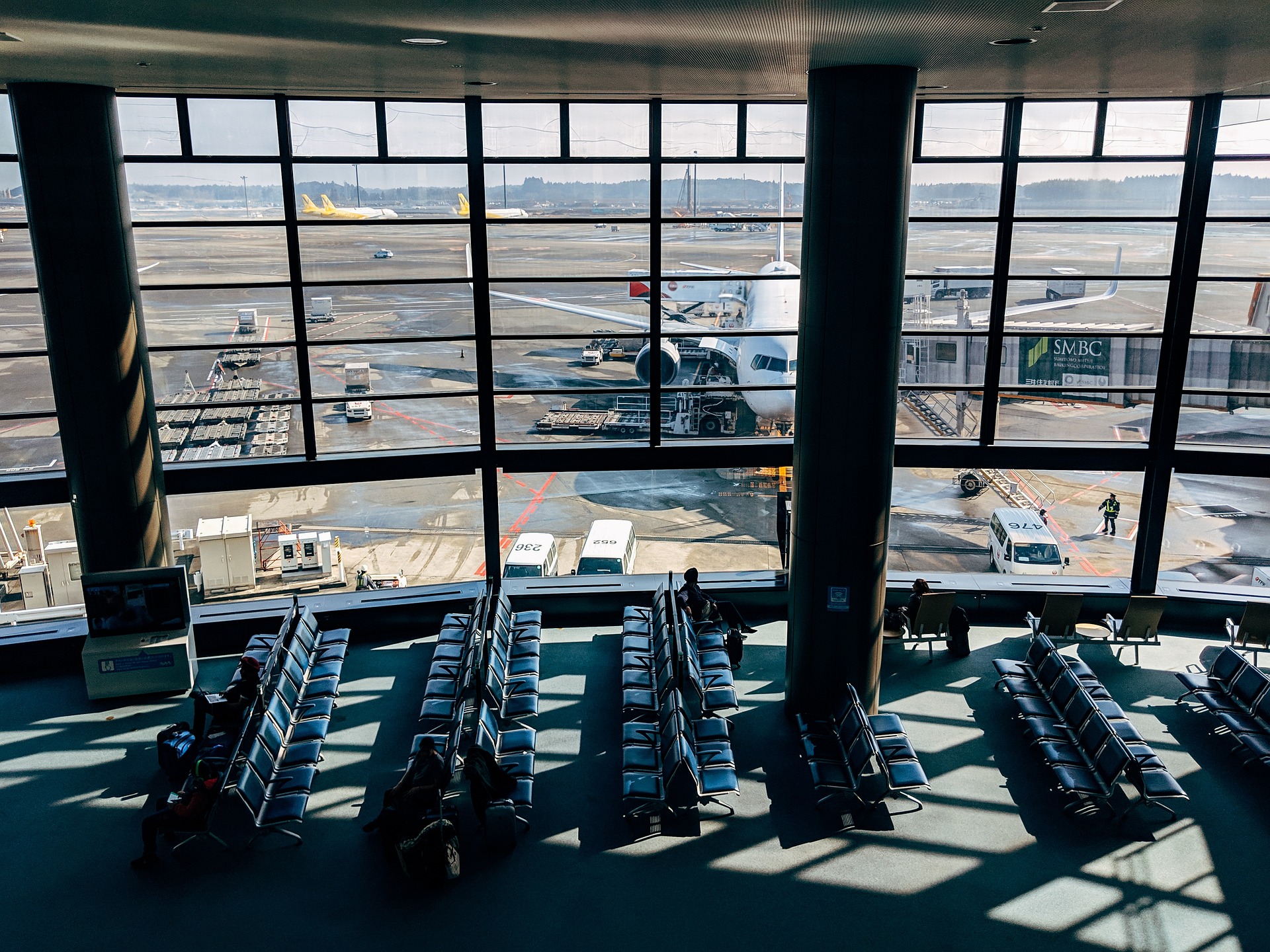
The moment the plane lands, there is usually a small wave of excitement followed by quiet pressure. Everyone stands up at once, reaches for bags, and starts mentally switching from flight mode to arrival mode. If it is your first time in Vietnam, this is often the moment you start wondering whether you forgot something important.
I think that feeling is completely normal. Airports are designed to keep people moving, not to help them feel calm. That is why the smartest move is to reduce decisions before they happen. Know where your passport is. Keep your visa printout accessible. Save your hotel address. Install your transport app before takeoff, not after baggage claim.
One small mistake I see often is that people assume they can “figure it out after landing.” In Vietnam, that usually makes the first hour heavier than it needs to be.
Vietnam Arrival Quick Checklist
- Passport valid for at least 6 months
- Printed e-visa, if your nationality requires one
- Hotel name and address saved offline
- Return or onward ticket details available
- eSIM installed or airport SIM plan decided in advance
- Grab app ready before landing
- Some Vietnamese Dong or a working international card for immediate arrival needs
Step-by-Step: Vietnam Airport Arrival Process (Plane to Exit)
Step 1) Follow Signs to Immigration
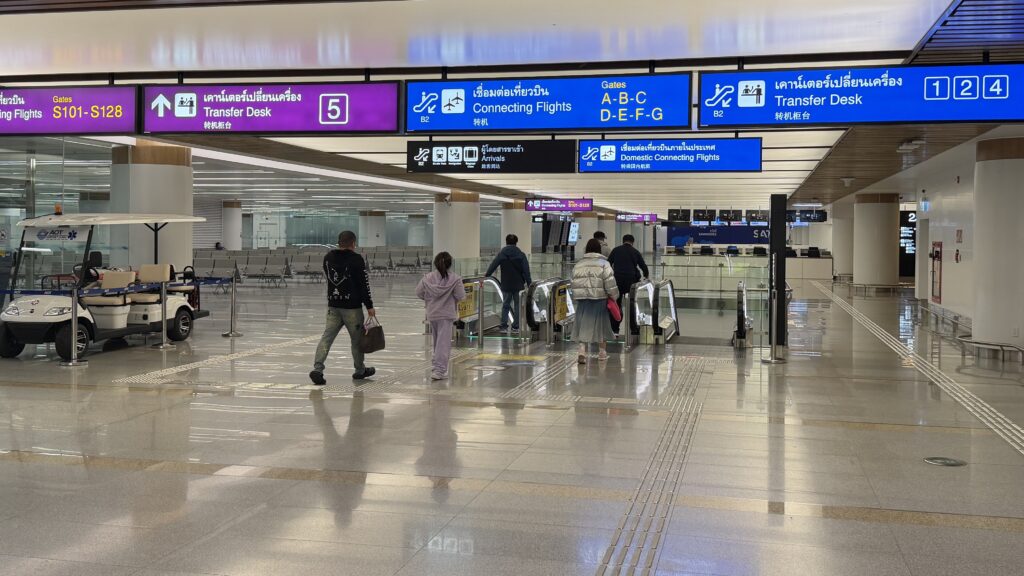
After leaving the aircraft, follow signs such as Immigration, Passport Control, or Arrivals. At major airports, you may pass through long corridors, escalators, or transfer sections before you reach the immigration hall.
Step 2) Immigration Check
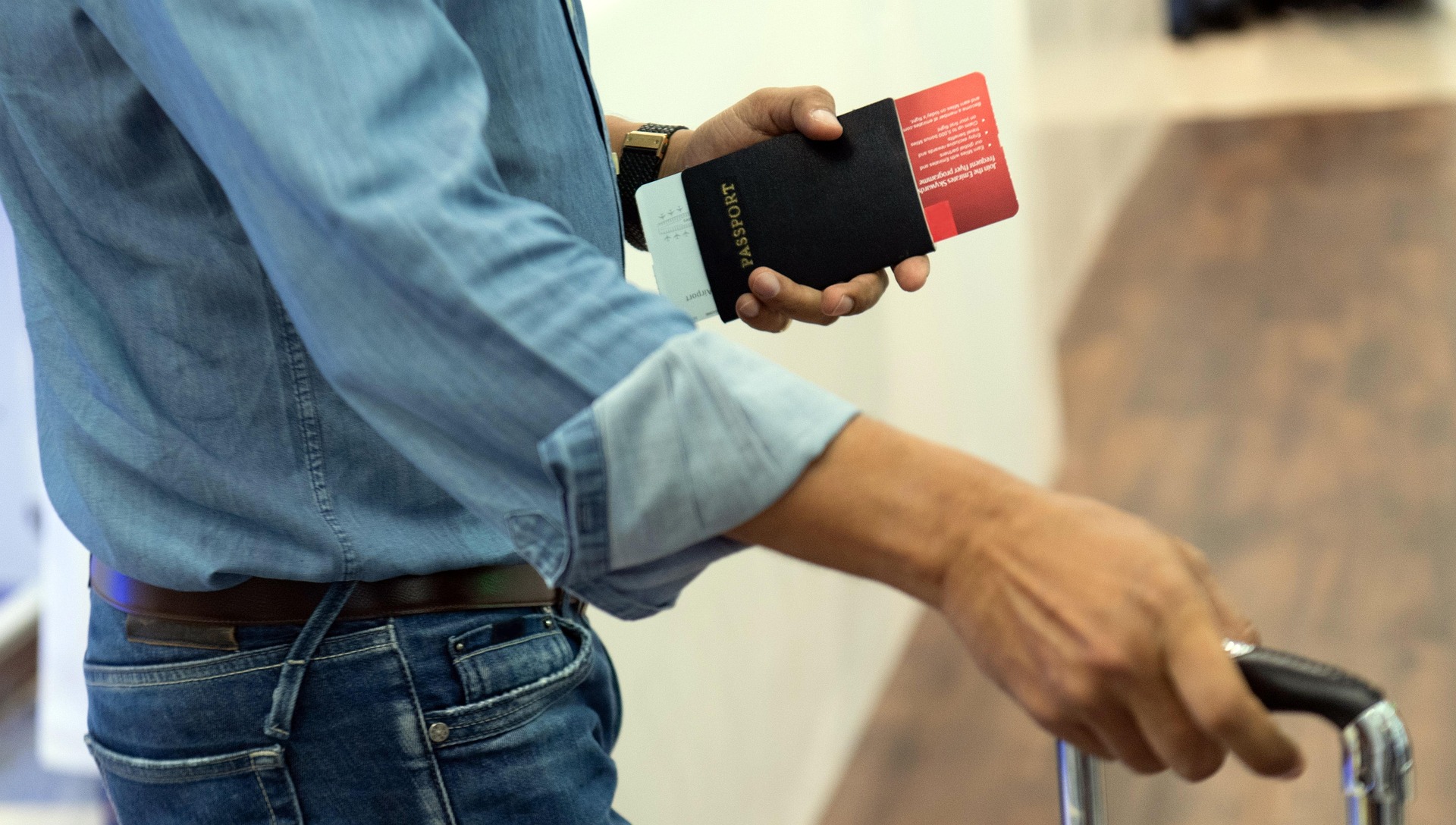
When it is your turn, the officer will check your passport and your visa status. If you need an e-visa, this is the point where having a printed copy helps most. The official Vietnam Immigration e-visa portal specifically instructs approved applicants to print the e-visa for entry and exit use.
In most cases, the interaction is short. The officer may ask where you are staying, how long you will remain, or the purpose of your trip. Clear, short answers work best.
Step 3) Baggage Claim
After immigration, you move to baggage claim. If you are traveling carry-on only, you will move faster, but that does not mean you skip the next stage entirely. Customs still matters, especially if you are carrying items that could trigger inspection.
Step 4) Customs Before Exit
This is the part that catches many first-time travelers off guard. Some arrivals are quick and simple, while others involve additional bag inspection before you can fully exit into the public arrivals area. Even if most passengers pass through smoothly, you should not assume this stage is irrelevant.
Step 5) SIM, Cash, and Transport Decisions
Once you enter the arrivals hall, the next decisions come fast: whether to buy a SIM, where to exchange cash, and how to get into the city. This is where pre-arrival planning saves the most stress. If your mobile data and transport plan are already sorted, the airport suddenly feels much easier.
Real Arrival Lesson: What You Carry Can Matter as Much as Your Passport
One of the biggest mistakes first-time travelers make is focusing only on immigration paperwork and ignoring customs risk. In practice, what is inside your bag can matter just as much as your passport or hotel booking.
That is why stories about bag inspection matter. They remind you that arrival is not finished just because immigration is done. A lot of people mentally relax too early, especially if they bought something at duty free and assume that makes it safe everywhere. It does not.
If there is any item you are unsure about, check the current rule before flying. That habit is much safer than relying on airport myths or old forum posts.
WARNING (2026): Vietnam now has an official ban on electronic cigarettes, heated tobacco products, and related products from 2025 onward. Do not assume duty-free purchase protects you from confiscation or trouble on arrival.
Visa and Visa-Free Entry: What You Need to Know in 2026
Vietnam offers a mix of visa-free entry and e-visa access, but you should never assume yesterday’s rule is still today’s rule. The practical reality is that visa policy has changed repeatedly, and the safest approach is to check your nationality against current official sources before departure.
The biggest detail many old blog posts still miss is that Vietnam’s e-visa portal changed domains. The older portal now directs travelers to the newer official addresses: evisa.gov.vn and thithucdientu.gov.vn. That matters because visa scams and unofficial agency sites remain common around high-intent travel searches.
Vietnam Tourism also announced new visa exemption policies effective from 15 August 2025, including a 45-day stay window for certain countries under the updated scheme. That makes it even more important to verify the current rule that matches your passport rather than relying on generic “Vietnam visa-free” advice online.
Best practice: even if your visa is digital, print it anyway. The official e-visa instructions say approved visas should be printed, and paper is still much easier to present at a counter when you are tired or your phone battery is low.
Fast Track: When It Is Worth Paying For
Fast Track is not mandatory, but it can be worth real money if you land at a bad time. It is most useful when multiple international flights arrive together, when you are traveling with children or older family members, or when your arrival time leaves very little margin for long queues.
Usually worth it if:
- You land late at night and want the fastest possible exit
- You arrive during known peak periods at HAN or SGN
- You are traveling with kids, parents, or a group
- You are connecting your airport arrival to a tight hotel, train, or domestic flight plan
Usually not necessary if:
- You land in a quieter period
- You arrive at Da Nang and do not mind a normal queue
- You prefer saving money and do not have time-sensitive onward plans
Airport Differences: Hanoi vs Da Nang vs Ho Chi Minh City
| Airport | Best For | Typical Feel | First-Time Difficulty |
|---|---|---|---|
| Hanoi (HAN) | Northern Vietnam arrivals, city breaks, Ha Long Bay routing | Busy, compressed, more queue-sensitive | Moderate |
| Da Nang (DAD) | First-timers, beach trips, central Vietnam routing | Calmer, easier, more beginner-friendly | Low |
| Ho Chi Minh City (SGN) | Southern Vietnam arrivals, business trips, multi-city starts | Fast, loud, crowded, energetic | Moderate to high |
My take: if this is your first ever Vietnam arrival and you have a choice, Da Nang usually feels the easiest. Hanoi and Ho Chi Minh City are absolutely manageable, but they demand slightly more confidence in that first hour.
Documents You Will Actually Need
- Passport
- Printed e-visa if applicable
- Hotel name and address
- Return or onward ticket details
- Any supporting booking or trip summary that helps you answer questions consistently
SIM Cards and eSIMs: The Smartest Arrival Shortcut
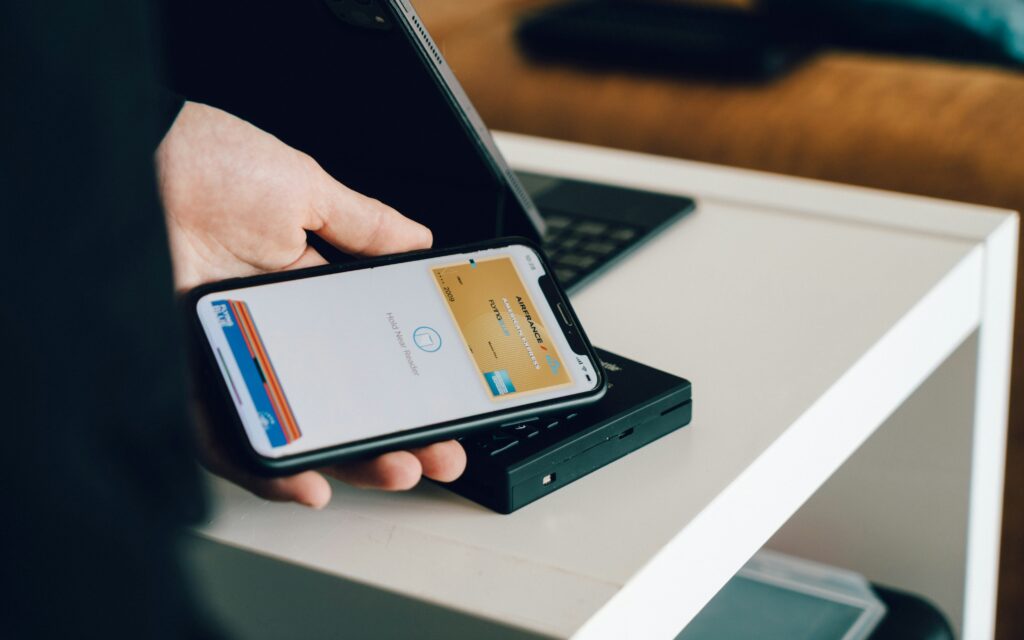
Airport SIM counters are convenient, but they are not always the best value. If your phone supports eSIM, setting it up before departure is one of the cleanest arrival upgrades you can make. It removes the SIM counter decision, gets you online immediately, and makes booking Grab much easier the moment you exit.
For travelers who prefer a physical SIM, airport purchase is still fine if convenience matters more than price. In Vietnam, Viettel usually stands out for stronger nationwide coverage, especially if your trip goes beyond a single city.
Getting Into the City Safely
Grab is the easiest default choice for most first-time travelers in Vietnam. It is predictable, app-based, easier to price-check, and much less stressful than negotiating on the spot after a long flight.
Other options exist. Gojek and Be can work well in supported areas, while traditional taxi brands such as Mai Linh and Vinasun remain among the better-known choices. Still, for most visitors, the biggest arrival mistake is accepting random driver offers inside the terminal before comparing anything.
Experience Tip: Ignore unsolicited ride offers inside the airport. Walk to the proper pickup zone and book through an app instead. It is usually calmer, clearer, and cheaper.
Stress-Free Arrival Strategy: Print your e-visa, save your hotel address, set up data before landing, use Grab instead of negotiation, and do not carry risky items you have not verified in advance.
Who This Guide Helps Most
- First-time Vietnam travelers who want a smoother airport arrival
- Tourists arriving at HAN, DAD, or SGN with no local travel experience
- Visitors trying to avoid airport scams, confusion, and overpaying
- People who want visa, SIM, and transport decisions made before landing
- Travelers who want a realistic arrival plan instead of generic airport advice
Frequently Asked Questions
Do I need to print my Vietnam e-visa?
Yes. The official Vietnam Immigration e-visa instructions say approved e-visas should be printed for entry and exit use.
Is Fast Track mandatory in Vietnam?
No. It is optional. It is most useful during heavy arrival periods or when you want to reduce stress after a long flight.
Which Vietnam airport is easiest for first-time travelers?
Da Nang usually feels the easiest and most manageable, while Hanoi and Ho Chi Minh City can feel busier and more intense.
Is Grab safe in Vietnam?
For most first-time visitors, yes. It is usually the easiest and most transparent way to get from the airport into the city.
Can duty-free items still cause trouble on arrival?
Yes. Duty-free purchase does not override local law. This is especially important for items like e-cigarettes and heated tobacco products.
What is the smartest first-hour strategy after landing?
Keep your documents ready, clear immigration calmly, skip unnecessary airport decisions, go online quickly, and book transport through a trusted app.
Related Trip Nexus Guides
Official Links
Final Thoughts
Vietnam arrival guide for first-time travelers is really about one thing: reducing friction before it happens. If you know the sequence, keep your documents ready, and avoid risky assumptions, the process becomes far easier than it looks from the plane.
What matters most is not being perfect. It is being ready. A printed visa, a saved hotel address, working mobile data, and a clear transport plan remove most of the stress that makes first-time arrivals feel chaotic.
Next step: the smartest companion article from here is a dedicated Vietnam immigration questions and best answers guide or a city-specific Hanoi vs Ho Chi Minh airport arrival strategy post for higher-intent search traffic.