The airport immigration process can feel intimidating when you are tired, jet-lagged, and standing in a long passport control line. In reality, most entry procedures become much easier when you know the sequence in advance, keep your documents ready, and avoid small mistakes that slow travelers down.
This guide walks you through what usually happens from the moment you leave the aircraft to the moment you clear immigration and customs. It is designed for practical use: faster movement, cleaner answers, fewer avoidable delays, and better preparation for modern checks such as e-arrival cards and biometric identity verification.
Quick Summary
Why Travelers Get Stuck at Immigration
Most delays are not caused by dramatic problems. They usually come from ordinary confusion: people searching for a hotel address at the counter, removing items from bags too late, joining the wrong line, or giving answers that are longer and less clear than necessary. Officers mainly need to confirm who you are, why you are entering, where you are staying, and whether your documents match your stated travel plan.
That is why the best strategy is not to sound clever. It is to be consistent, calm, and organized. Clear documents plus clear answers beat overexplaining almost every time.
Step-by-Step: From Aircraft to Exit
1. Go Straight to Passport Control
If you do not urgently need the restroom or special assistance, head directly to the immigration area after deplaning. This is one of the easiest ways to reduce waiting time, especially when multiple flights land close together. A short delay at the gate can turn into a much longer delay in the queue.
2. Join the Correct Queue
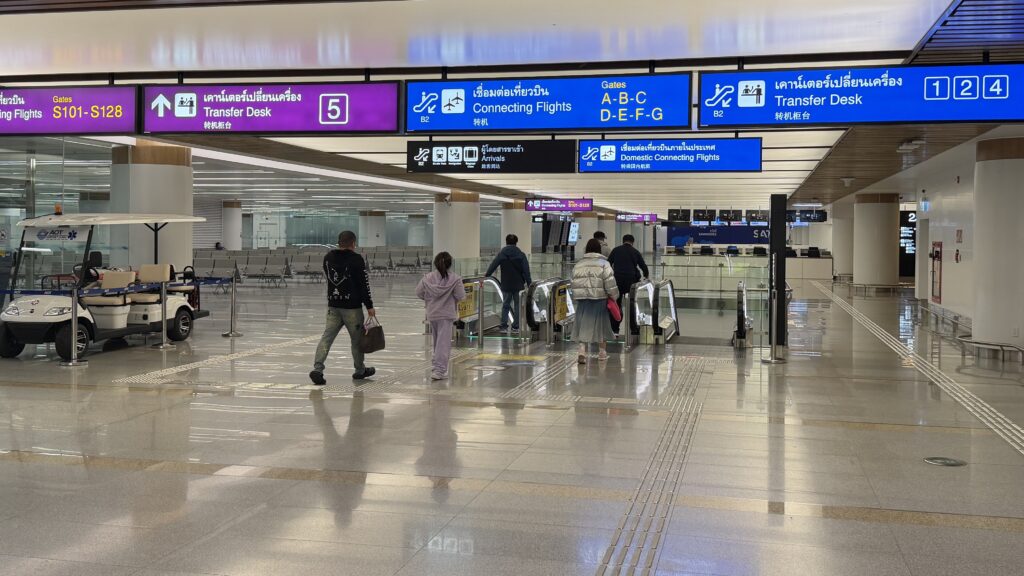
Airports often split passengers by nationality, visa status, automated gates, crew, or residents versus visitors. Read the signs carefully before committing to a line. Joining the wrong queue wastes time and creates unnecessary stress when you are asked to move.
3. Prepare Documents Before You Reach the Desk
- Passport: Open to the identification page.
- Visa or travel authorization: Ready if the destination requires it.
- Arrival card or QR code: Paper or digital, depending on the country.
- Accommodation details: Hotel name, address, or host details.
- Return or onward information: Useful if officers ask how long you plan to stay.
4. Expect Biometrics
Biometric identity checks are now common in many airports and border systems. Depending on the country, this may involve a facial image, fingerprints, or an automated gate scan. To avoid repeat attempts, remove hats and sunglasses, stand still, and look directly at the camera when instructed.
5. Keep Answers Short and Consistent
If an officer asks questions, answer the question asked and stop there. Do not volunteer extra details unless needed. In most cases, officers want clean, direct confirmation rather than a long story.
Q: Purpose of trip? → A: Tourism.
Q: Where are you staying? → A: [Hotel Name]. I have the booking here.
Q: How long will you stay? → A: Five nights.
Related reading: Immigration Questions: What Officers Ask & Best Answers
What Usually Happens After the Stamp
Immigration is not the end of the process. After passport control, you usually proceed to baggage claim and then customs. If the country uses a green/red channel system, the green channel is generally for travelers with nothing to declare, while the red channel is for items that must be declared, checked, or taxed. If you are unsure, choosing the declaration channel is safer than guessing wrong.
🚨 2026 Alert: High-Risk Items Can Ruin an Arrival Day
Customs rules are highly country-specific. Some items that seem ordinary at home can trigger fines, seizure, or detention abroad.
Prepared vs. Unprepared: What Changes at the Counter
Practical Tips That Make the Biggest Difference
Frequently Asked Questions
Related Trip Nexus Entry Guides
Official Resources to Check Before You Fly
Final Take
The airport immigration process usually feels hardest when you do not know what comes next. Once you understand the order, prepare your documents in advance, and keep your answers clean, the whole experience becomes far more manageable.
The smartest mindset is simple: move early, stay organized, answer directly, and verify country-specific entry and customs rules before departure. That combination does more to speed up an arrival than any “secret trick.”
Updated: March 2026 | Always verify airline, immigration, customs, and health-entry rules with official sources before travel.