First 60 Minutes Plan: Immigration, Baggage, Money & Transport
Airport arrival survival guide planning starts before your plane even touches the runway.
Those first 60 minutes after landing can decide whether your trip begins smoothly or turns into a tired, overpriced, stressful mess.
This guide shows you exactly how to handle immigration, baggage claim, money, phone data, and airport transport without rushing into bad decisions.
You are probably searching for an airport arrival survival guide because you want a realistic step-by-step plan for the first hour after landing.
You want to get through immigration faster, avoid airport scams, handle SIM or eSIM setup, withdraw money safely, and choose the right transport without wasting time or overpaying.
Quick Summary (Save This Before You Fly)
- Your first priority after landing is not shopping, tours, or upgrades — it is getting connected, cleared, and moving safely.
- Keep passport, hotel address, onward details, and arrival forms easy to access before you reach immigration.
- At the airport, make only small money decisions: minimal cash, essential transport, and basic data access.
- If you feel tired and overwhelmed, delay non-essential choices until after hotel check-in. Fatigue leads to bad purchases.
- The smartest first-hour strategy is simple: immigration → baggage → ATM/data → official transport → hotel.
Why the First 60 Minutes Matter More Than Most Travelers Think
I have always felt that the first hour after landing is where a trip quietly gets decided.
Not the whole trip, of course, but the tone of it.
If that first hour goes well, you feel sharp, in control, and excited.
If it goes badly, you start your trip annoyed, overcharged, sweaty, and already tired of the airport.
What makes airport arrivals tricky is that they come at your weakest moment.
You are usually dehydrated, carrying bags, watching battery percentage drop, and trying to process signs in a place you may have never seen before.
Meanwhile, the airport is designed to push quick choices at you: currency exchange counters, SIM booths, “special taxi” offers, queue shortcuts, and random upsells.
That is why an airport arrival survival guide should not be about vague motivational advice.
It should be about building a simple system:
know what matters,
know what can wait,
and know what to avoid until your brain is working properly again.
What It Actually Feels Like After Landing
Stepping off a long-haul flight rarely feels glamorous.
The cabin air has dried you out, your body clock is confused, your legs feel strange, and your brain is moving half a second behind your body.
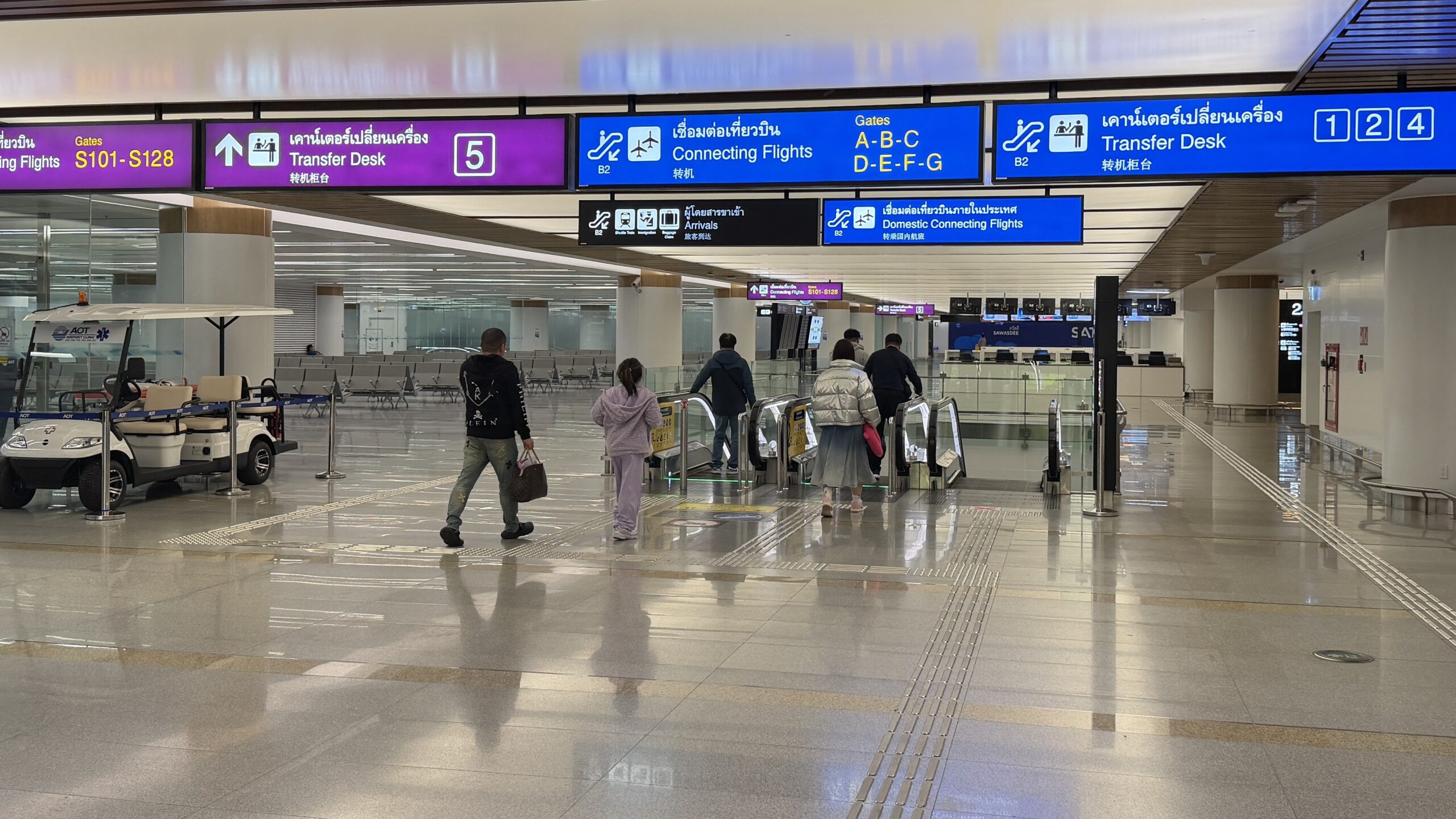
Then the airport hits you all at once: fluorescent lights, announcements, immigration lines, people overtaking each other, and the silent pressure to keep moving.
One thing I have noticed is that airport stress does not usually come from one major disaster.
It comes from five tiny bad decisions in a row.
You stop to compare SIM plans while tired.
You exchange too much cash at a weak rate.
You say yes to the first driver who approaches you.
You realize too late that your hotel address is buried in email.
None of these is catastrophic on its own, but together they create chaos.
Everything else can wait until I am checked in, watered, connected, and sitting down somewhere calm.
Key Visitor Info Table: First-Hour Priorities
| Priority #1 | Clear immigration with your documents ready and answers consistent. |
| Priority #2 | Collect baggage carefully and verify the tag before leaving the carousel. |
| Priority #3 | Get minimal money/data access for transport and communication. |
| Priority #4 | Use official transport channels only: train, airport bus, licensed taxi queue, or trusted ride-hailing app where available. |
| What can wait | Tour bookings, large cash exchange, non-essential shopping, and complicated SIM plan comparisons. |
Step 1: Immigration — Keep It Accurate, Calm, and Short
Immigration is where many travelers burn mental energy for no reason.
In most cases, the officer is not looking for a speech.
They are checking whether your documents, travel purpose, and answers fit together cleanly.
Before you join the line, make sure you can access the basics quickly:
passport,
hotel address,
return or onward details if relevant,
and any required digital arrival record or entry form for your destination.
If your destination uses an electronic arrival system, complete it before you reach the counter and keep a screenshot or PDF copy saved offline.
give short, truthful, consistent answers.
“Tourism for five days,” “Staying near the city center,” or “Visiting family for one week” is usually stronger than rambling through your full itinerary.
The biggest red flag is not nervousness.
It is contradiction.
If your booking says one week but you say three days, or your purpose sounds different from your paperwork, questions increase.
Calm matters, but consistency matters more.
What It Feels Like at Immigration
The line can feel longer than it is, especially late at night.
I have had those moments where I am staring at the back of someone’s jacket, holding my passport, and trying to remember the exact name of the hotel I booked six weeks earlier.
That is why I now keep one screenshot folder ready before landing:
passport photo page,
hotel address,
onward ticket,
and arrival form confirmation if the destination requires one.
It sounds simple, but it changes the experience completely.
Instead of searching through email in front of an officer, you already have the answer.
That alone makes you look more organized and feel much calmer.
Step 2: Baggage Claim — Do Not Switch Your Brain Off Yet
Once immigration is done, many travelers mentally relax too early.
That is exactly when small mistakes happen.
Baggage claim seems easy, but it is one of the most chaotic parts of the arrival process:
unclear belt announcements,
identical black suitcases,
crowds standing too close,
and tired travelers grabbing the wrong bag.
I once reached for a suitcase that looked exactly like mine until I noticed the handle tape was missing.
Since then, I always check the luggage tag before pulling anything off the belt.
That five-second check is worth more than any luggage sticker.
do not leave the carousel area until you have confirmed the bag tag, checked visible damage, and made sure you still have your baggage receipt if the airport uses one.
Step 3: Money and Connectivity — Solve the Minimum, Not Everything
This is where many arrivals go wrong.
Travelers often try to solve all money and phone needs inside the airport in one shot.
That usually leads to bad exchange rates, overpriced tourist SIMs, and too much time wasted standing under bright retail signs while your energy drops even further.
My approach is simpler:
get only what you need for the next few hours.
That usually means either a small amount of local currency or confirmed card access,
and enough mobile data to open maps, hotel messages, and transport apps.
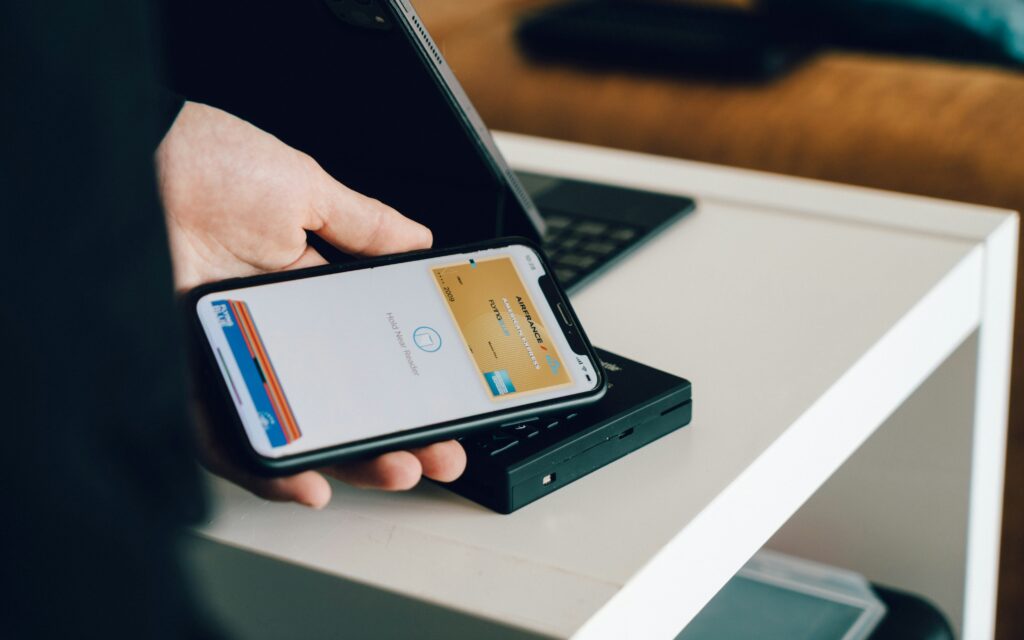
If I already installed an eSIM before departure, I activate that first and skip the airport SIM queue entirely.
If I need cash, I take out only what helps me reach the city and cover immediate basics.
I do not make big exchange or payment decisions until later.
when using an airport ATM abroad, read the currency conversion prompt carefully.
In many destinations, accepting the machine’s “helpful” home-currency conversion can be worse than taking the local-currency option.
My First 60 Minutes Timeline
| Time | What I Focus On |
|---|---|
| Minute 0–20 | Immigration, passport, arrival forms, hotel screenshot, basic answers. |
| Minute 20–40 | Baggage claim, tag check, quick regroup, customs exit if applicable. |
| Minute 40–50 | Minimal money/data setup: ATM, eSIM activation, or quick essentials only. |
| Minute 50–60 | Official transport only: train, airport bus, licensed taxi queue, or app pickup zone. |
Taxi or Train? My Honest Comparison
I do not think one answer fits every arrival.
Your best option depends on luggage, fatigue, arrival time, city layout, and whether the airport train actually gets you close to your hotel.
Still, the difference between a smart choice and a frustrating one can be huge.
| Option | Best Part | Main Drawback | Best For |
|---|---|---|---|
| Airport Rail | Usually cheap, predictable, and free from traffic. | Can be awkward with heavy luggage or late-night arrival. | Solo travelers, light packers, budget-conscious arrivals. |
| Ride-Hailing App | Usually clear pricing and no meter argument. | Can cost more than rail and may require designated pickup zones. | Families, tired travelers, late arrivals, travelers with luggage. |
| Licensed Taxi Queue | Simple when official queues are well organized. | Can still involve traffic, surcharges, or unclear routing if you are unprepared. | Travelers arriving where taxi systems are tightly controlled. |
Insider Hacks: Small Moves That Save You Big Stress
- Save one offline folder before landing: passport copy, hotel address, onward ticket, and arrival form confirmation.
- Do not stop for random transport sellers in the arrivals hall. Walk directly to the official option you already chose.
- Delay airport shopping. The first hour is not the time to compare gadgets, tours, or “special promotions.”
- Take only the money you need first. A small, practical amount is better than overcommitting at poor airport rates.
- Keep your first-night hotel pinned in maps. That one step removes a surprising amount of friction.
A vs B: Smart Arrival vs Rookie Arrival
| Smart Arrival | Rookie Arrival |
|---|---|
| Documents ready before queue starts. | Searches email at the counter for hotel details. |
| Uses short, accurate answers at immigration. | Overexplains, contradicts itinerary, sounds unsure. |
| Checks baggage tag carefully. | Grabs the first similar-looking suitcase. |
| Gets minimal money/data and leaves. | Spends 40 minutes comparing airport offers while exhausted. |
| Uses official train, bus, app, or licensed taxi queue. | Follows unsolicited drivers in the arrivals hall. |
Who This Guide Helps Most
This kind of airport arrival strategy helps almost everyone, but it is especially useful for:
- first-time international travelers who tend to freeze after landing,
- families handling bags, children, and transport at the same time,
- late-night arrivals when judgment is worse and train options may be limited,
- travelers landing in large airports where arrival halls are noisy and crowded,
- people who are comfortable planning ahead but do not want an overcomplicated checklist.
What matters most is not being “experienced.”
It is having a sequence.
If you know the order of your next five moves, you are already ahead of most tired arrivals around you.
FAQ
What is the most important part of the first hour after landing?
Immigration and transport decisions matter most. If you clear the airport smoothly and use safe transport, the rest of your arrival becomes much easier.
Should I exchange money at the airport?
A small amount can be practical, but large exchanges are usually better handled later after you have compared your options in the city.
Is airport Wi-Fi enough, or should I prepare data in advance?
Airport Wi-Fi can work, but it is often inconsistent or inconvenient. If possible, having data ready before landing makes maps, messages, and transport much smoother.
Should I use taxi or train from the airport?
It depends on your bags, budget, arrival time, and where your hotel is. Train is often cheaper; app-based rides or official taxi lines are often easier with luggage.
What is the biggest first-hour mistake travelers make?
Trying to solve too much at once. The best strategy is to solve immediate needs only and postpone non-essential decisions until after hotel check-in.
How can I get through immigration faster?
Have documents ready, keep your answers truthful and short, and make sure your paperwork matches what you say.
What should I screenshot before landing?
Your hotel address, onward details if needed, arrival form confirmation if required, and any transport booking or pickup instructions.
Is the first hour really that important?
Yes. A calm first hour reduces overpaying, confusion, and bad decisions — and it sets up the rest of your trip much better.
Recommended Internal Links
Official / Authoritative Resources
Arrival formalities, customs rules, and digital entry procedures vary by destination.
Always confirm the exact rules for the country you are entering before departure.
Final CTA
If you remember only one thing from this airport arrival survival guide, remember this:
the first hour is not about making perfect travel choices — it is about making safe, low-stress, low-regret choices.
Before your next flight, prepare one offline folder with your passport details, hotel address, onward plan, and arrival confirmation.
That tiny bit of prep can save you more stress than any airport “priority” service ever will.