Journey Through Ha Long Bay: Vietnam’s Iconic Natural Masterpiece
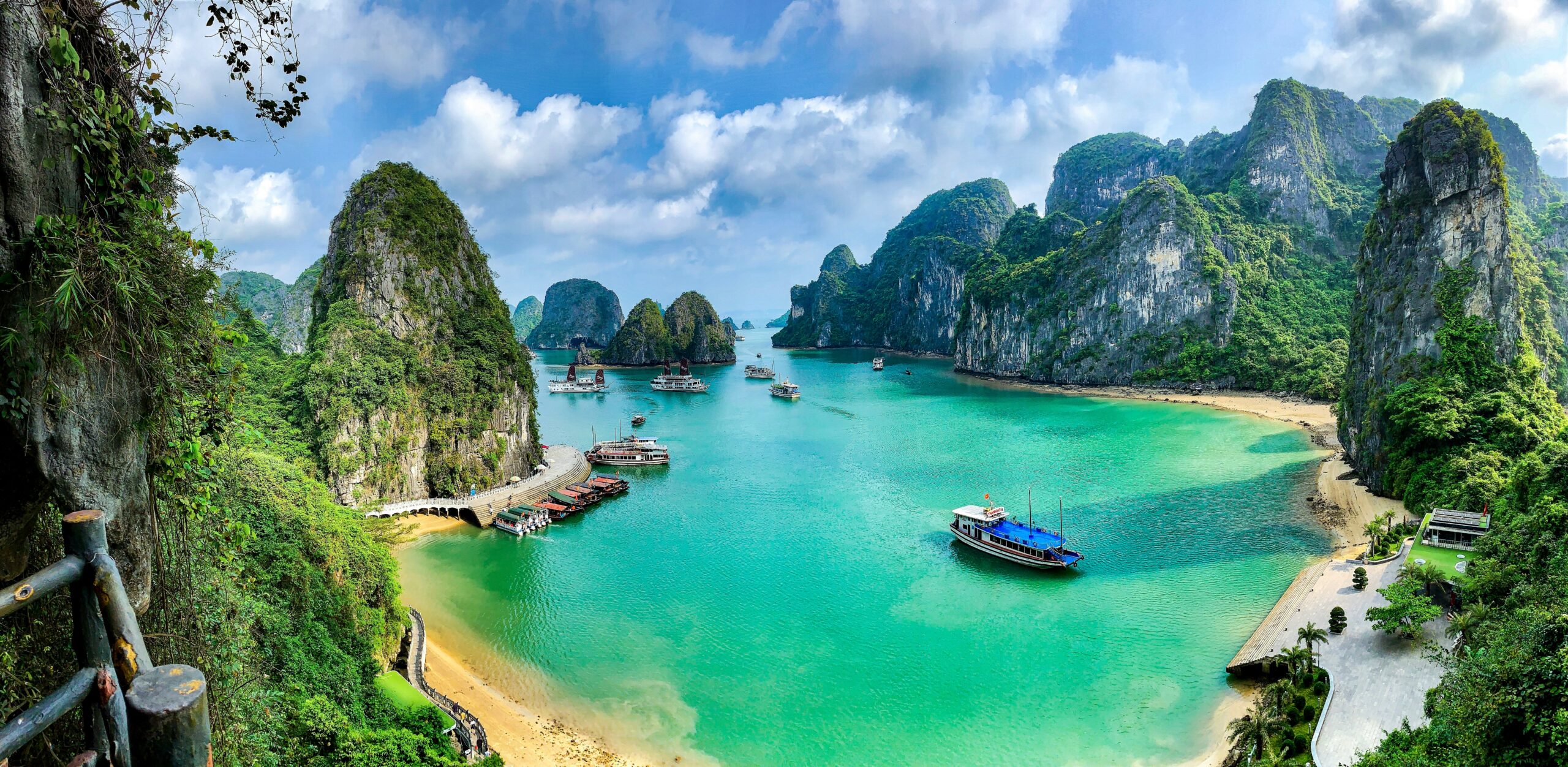
Ha Long Bay is one of Southeast Asia’s most extraordinary natural wonders and a centerpiece of Vietnam’s travel identity. Located in Quang Ninh Province in northeastern Vietnam, this UNESCO World Heritage Site is renowned for its emerald waters, thousands of limestone karsts, and deeply rooted coastal culture. For travelers seeking scenery, heritage, and immersive experiences, Ha Long Bay delivers a journey that is both visually breathtaking and culturally enriching.
From misty dawns over limestone peaks to evenings spent drifting past floating villages, Ha Long Bay offers a rare harmony between nature and human life—making it an essential destination for first-time visitors and seasoned explorers alike.
Why Visit Ha Long Bay
Ha Long Bay is celebrated for its dramatic seascape, formed by nearly two thousand limestone islands rising from calm waters. Beyond its visual grandeur, the bay is steeped in legend, history, and living tradition. Visitors can kayak through hidden lagoons, explore vast cave systems, or cruise aboard traditional wooden junks that echo centuries of maritime culture.
The bay’s appeal also lies in its commitment to sustainability. Protected by national and local authorities, Ha Long Bay balances tourism with conservation—ensuring its ecosystems, fishing communities, and cultural landmarks remain preserved for generations. Travelers looking to experience Vietnam’s natural beauty responsibly will find Ha Long Bay especially rewarding.
Stepping into Ha Long Bay
Most journeys into Ha Long Bay begin in Ha Long City, the main gateway to the region. Here, modern infrastructure blends with traditional markets, offering a gentle transition into the bay’s timeless environment. From ports such as Tuan Chau Marina or Bai Chay Port, visitors board cruise vessels and venture into a landscape that feels almost otherworldly.
As the boat glides across the water, towering karsts emerge on all sides, caves reveal intricate stalactite formations, and floating villages appear—home to families who have lived on the bay for generations. Light transforms the scenery throughout the day, from golden mornings to ethereal sunsets, making every moment on the water unique.
Key Information
| Location | Quang Ninh Province, Northeastern Vietnam |
| Opening Hours | 24 hours (cruises and attractions operate on schedules) |
| Admission | Bay entrance fees typically range from 40,000–250,000 VND (varies by route and cruise) |
| Best Time to Visit | October – April (dry season, pleasant weather) |
| Official Tourism Website | Vietnam National Tourism Administration |
| Local Authority | Ha Long City Government |
Immersive Cultural Experiences
Ha Long Bay is not only a natural spectacle—it is a living cultural landscape. Floating villages such as Cua Van and Vung Vieng offer insight into traditional fishing lifestyles adapted to the bay’s environment. Visitors can observe net-casting techniques, sample home-cooked seafood, and learn how communities coexist with the sea.
On land, Ha Long City provides opportunities to explore regional culture through cooking classes, handicraft workshops, and visits to the Quang Ninh Museum. Spiritual landmarks such as Long Tien Pagoda add another layer of cultural depth, blending Buddhism with local folklore tied to the bay’s mythical origins.
Seasonal Festivals and Events
Throughout the year, Ha Long Bay hosts celebrations that bring its heritage to life. The Ha Long Carnival, held in late April or early May, is the region’s most vibrant event—featuring parades, music, dance, and fireworks along the waterfront.
Other significant events include the Cua Ong Temple Festival and the Yen Tu Spring Festival, which draw pilgrims and travelers seeking spiritual connection. Seasonal seafood fairs during autumn and winter showcase the bay’s culinary richness, offering fresh catches directly from local waters.
Google Map
How to Get There
International travelers typically arrive via Noi Bai International Airport in Hanoi, located about 170 kilometers from Ha Long City. From Hanoi, limousine buses, private transfers, and guided tours take approximately 2.5–3.5 hours using modern expressways.
Alternative access is available via Hai Phong or Cat Bi International Airport, with onward travel by bus or taxi. Once in Ha Long City, embarkation points such as Tuan Chau Marina serve as gateways to the bay’s cruise routes. Advance bookings are strongly recommended during peak season.
Nearby Attractions and Local Eats
- Bai Tu Long Bay – A quieter alternative to Ha Long Bay, offering similar karst landscapes with fewer crowds.
- Quang Ninh Museum – A modern cultural landmark showcasing the region’s natural history and coastal heritage.

Essential Travel Tips
- Pack lightweight clothing and sun protection; temperatures can vary on the water.
- Choose cruises with sustainability certifications whenever possible.
- Carry cash (Vietnamese dong) for small purchases and village visits.
- Respect eco-guidelines: avoid littering and disturbing marine life.
- Check weather forecasts—fog or storms may alter cruise itineraries.
What Makes Ha Long Bay Unique
Ha Long Bay’s uniqueness lies in its seamless fusion of geology, legend, and living culture. From iconic formations like the Fighting Cock Islets to vast caves such as Sung Sot, every corner carries a story shaped by nature and folklore.
More than a scenic destination, Ha Long Bay represents Vietnam’s ongoing dialogue between preservation and exploration. Whether kayaking through a silent lagoon or sharing a meal with fishing families, visitors encounter a place where wonder is matched by respect—for the land, the sea, and the people who call it home.