The Sistine Chapel, nestled in the heart of Vatican City, is not just an architectural wonder but a testament to the transcendent power of art and faith. As you step into this sacred space, you’re welcomed by the breathtaking beauty of Michelangelo’s ceiling, a masterpiece that has inspired awe for centuries. This isn’t just a room; it’s a canvas where history, culture, and spirituality intertwine, offering an unparalleled glimpse into the Renaissance period’s splendor. But what makes this chapel truly magical isn’t just its artworks; it’s the way these paintings tell stories, each fresco a window into the past, inviting you to unearth the marvels within.
Imagine standing beneath the magnificent “Creation of Adam,” a scene so iconic it has shaped our collective understanding of human creation and divine intervention. The Sistine Chapel – Vatican City experience goes beyond mere viewing; it’s an emotional journey through time, where every brushstroke reveals layers of meaning and history. Whether you’re an art aficionado or a casual traveler, this profound encounter will leave you pondering humanity’s place in the universe. Ready to embark on this unforgettable adventure? Let us guide you through the chapel’s rich tapestry of art and history, with practical tips that ensure your visit is as enriching as possible.
Key Information
| Opening hours | Monday–Saturday: 9:00 AM–6:00 PM (last entry 4:00 PM); Sundays (last Sun of month): 9:00 AM–2:00 PM (last entry 12:30 PM) |
| Entrance fee | €17 adult ticket (includes Vatican Museums); €8 reduced (EU citizens 6–18 years); free for children under 6 |
| Address | Viale Vaticano, 00120 Città del Vaticano |
| Google Maps location name | Sistine Chapel, Vatican City |
| Best time to visit | Weekday early morning (9:00–10:30 AM) or late afternoon (4:00–6:00 PM) to avoid peak crowds |
| Transportation overview | Metro A to Ottaviano–San Pietro (8 min walk); Bus 64 or 49 to Cipro; taxi drop-off at Vatican Museums entrance |
History / Background
The Sistine Chapel was commissioned by Pope Sixtus IV in 1473 and completed four years later, serving as the papal chapel for official ceremonies and conclaves. Designed by architect Giovannino de Dolci, its name derives from “Sixtus,” honoring the pope who funded its construction. Over the centuries, the chapel evolved into an artistic showcase, with contributions from painters such as Sandro Botticelli, Pietro Perugino, and Domenico Ghirlandaio, whose works adorn the walls alongside frescoes by Michelangelo.
Michelangelo was summoned by Pope Julius II in 1508 to paint the chapel’s ceiling, a project spanning from 1508 to 1512 that transformed the space into a monumental visual narrative. His later work, The Last Judgment, completed between 1536 and 1541 under Pope Paul III, covers the altar wall with a dramatic depiction of the Second Coming of Christ and the final judgment of souls. These masterpieces elevated the chapel’s significance, making it a touchstone for Renaissance art and continuing to draw millions of visitors each year to Vatican City, Rome.
Main Attractions
The Ceiling Frescoes by Michelangelo
Michelangelo’s ceiling frescoes are the highlight of any visit to the Sistine Chapel – Vatican City. Spanning approximately 40 meters in length and 14 meters in width, the ceiling features nine central panels illustrating scenes from Genesis, including the iconic Creation of Adam. The pigments remain remarkably vibrant, thanks to modern restoration completed in the 1980s. Stand about 8 meters back from the center to appreciate the full scope, as the curvature of the vault creates an immersive panorama.
To fully absorb the sensory experience, arrive early when sunlight filters through the chapel’s windows, casting subtle reflections on the painted surfaces. Notice the expressive musculature and vivid emotions captured in each figure—an extraordinary feat given the scaffolding Michelangelo worked on, 20 meters above the floor. Wear comfortable shoes, as you’ll likely stand for at least 20 minutes gazing upward. Audio guides, available in multiple languages for an extra €7, offer insightful commentary on each panel’s symbolism and artistic techniques.
The Last Judgment
Covering the entire altar wall, The Last Judgment confronts viewers with over 300 figures in a swirling composition of the saved ascending to heaven and the damned descending to hell. Painted between 1536 and 1541, Michelangelo intended this fresco to provoke contemplation on sin, redemption, and divine justice. From the central Christ figure—muscular and commanding—to the anguished saints and demons, the scene is alive with movement and emotion.
Position yourself about 5 meters from the back of the chapel to admire the scale and detail. Notice tiny inscriptions and personal touches—Michelangelo is said to have depicted his own face among the damned. Given the average visitor spend of 4–5 minutes here, allow at least 10 minutes to appreciate the fresco fully. Be mindful of museum guards enforcing a silent environment; the hush enhances the reverence and allows you to hear subtle echoes of footsteps on the marble floor.
The Walls and Raphael’s Tapestry Cartoons
The side walls of the Sistine Chapel feature frescoes by Renaissance masters like Botticelli, Ghirlandaio, and Perugino, depicting Lives of Moses and Christ in vibrant colors and detailed landscapes. Below these, Raphael’s tapestry cartoons, displayed on rotating loan exhibitions in the Pinacoteca Vaticana, originally served as designs for tapestries hanging beneath the ceiling. Though not always on display inside the chapel, you can view full-scale reproductions and explanatory panels along the museum route.
As you walk the perimeter, notice the contrasting styles—Perugino’s serene compositions versus Botticelli’s dynamic figures. Practical tip: visit the Vatican Museums website in advance to see if the cartoons are currently exhibited. If not, plan a quick detour to the Raphael Rooms, located just a 3-minute walk away inside the museum complex, to complete your exploration of the Vatican’s tapestry legacy.
Recommended Travel Route
Follow this step-by-step route to maximize your Sistine Chapel visit and explore nearby Vatican highlights efficiently:
- Start at the Vatican Museums entrance (9:00 AM) – show your pre-booked tickets and pass through security in about 15 minutes.
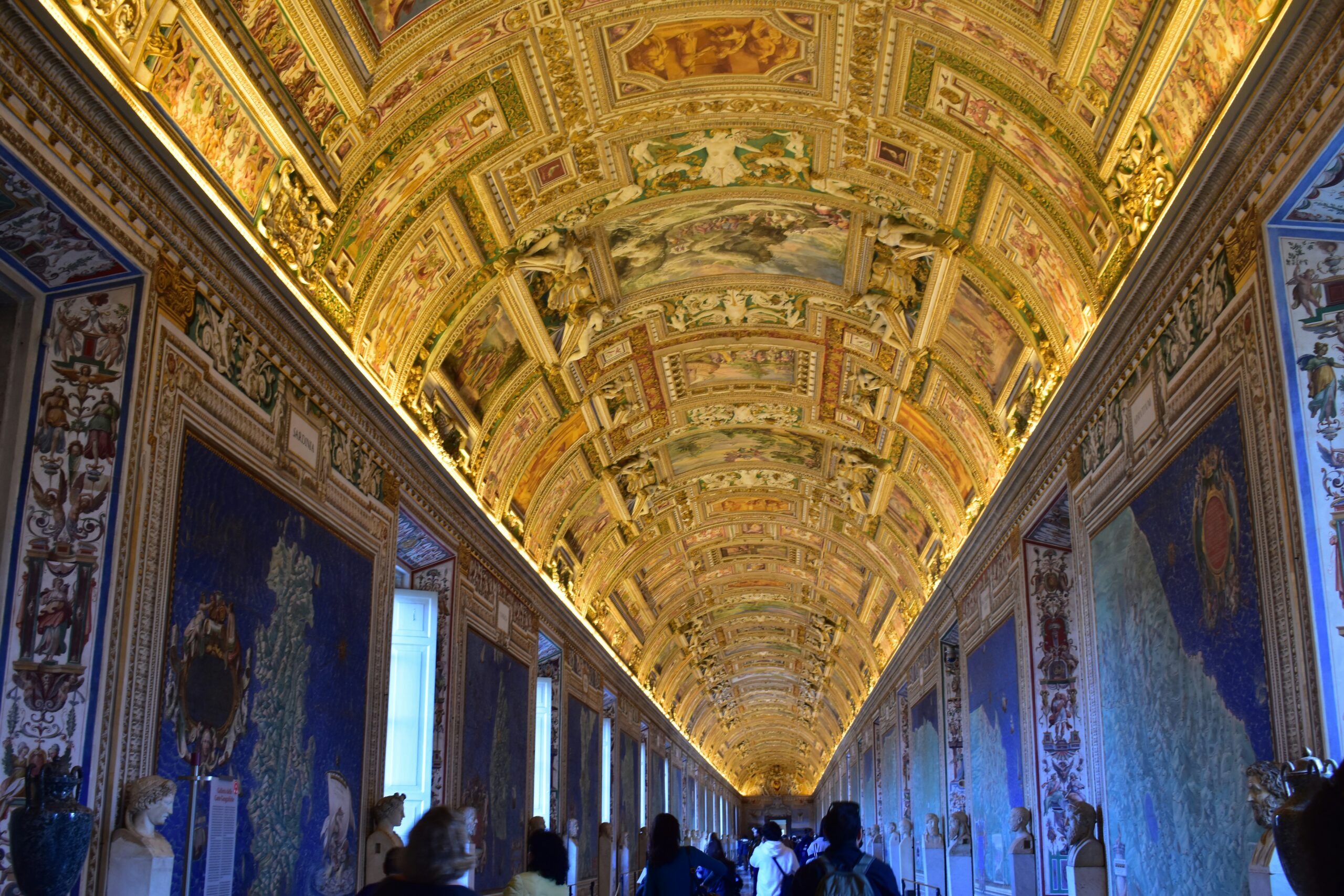
- Proceed through the Egyptian Museum, Pio-Clementino Museum, and the Gallery of the Maps (allow 30 minutes total).
- Enter the Raphael Rooms (10 min walk from Gallery of Maps) – spend 20 minutes viewing the frescoes.
- Head to the Pinecone Courtyard (5 min) and then to the Sistine Chapel entrance – arrive by 10:00 AM to beat crowds.
- Spend at least 45 minutes inside the chapel, focusing first on the ceiling frescoes, then the altar wall.
- Exit toward St. Peter’s Basilica via the Sala Regia (5 min walk) – no extra ticket required.
Summary / Final Thoughts
Visiting the Sistine Chapel – Vatican City is a must for art lovers, history buffs, and spiritual seekers alike. Best enjoyed on a weekday morning to avoid the largest crowds, this experience combines the grandeur of Renaissance art with the solemnity of an active place of worship. Michelangelo’s masterpieces, from the ceiling frescoes to The Last Judgment, showcase unparalleled skill and depth of meaning.
Remember to book tickets online in advance, arrive early, and respect the chapel’s quiet atmosphere by speaking softly and switching phones to silent. Pair your visit with a tour of St. Peter’s Basilica and the Vatican Museums for a full-day immersion into Rome’s most iconic treasures.