ITALY • ROME
Palatine Hill Rome Guide: Best Views, What to See, and How to Visit Without Rushing
Palatine Hill Rome is one of the most meaningful archaeological sites in the city, where imperial palaces, layered ruins, mythic origin stories, and some of the best elevated views in ancient Rome come together in one walkable hilltop experience.
Search Intent
This guide is for travelers who want to know whether Palatine Hill is really worth visiting in Rome, what you actually see beyond “ruins,” where the best viewpoints are, how long to stay, and how to fit the hill efficiently into a Roman Forum and Colosseum day without burning too much energy.
Quick Summary
- Palatine Hill is one of Rome’s most important archaeological zones and one of the city’s strongest viewpoint experiences.
- It is closely tied to Rome’s foundation myths and later became the zone of imperial palaces.
- It works best when visited as part of a larger Colosseum–Forum–Palatine day, but deserves real time, not a rushed pass-through.
- Best rewards: Circus Maximus views, palace ruins, Farnese Gardens, and a slower atmosphere than some blockbuster Rome sites.
- Plan around 1.5 to 2.5 hours if you want the visit to feel complete.
Palatine Hill Rome is one of those places where Rome stops feeling like a list of monuments and starts feeling like a layered civilization. The moment you begin climbing, the city’s tempo changes. Streets and traffic fall behind, the trees begin to frame the ruins, and the hill starts to feel less like a sightseeing stop and more like a platform for understanding how power, myth, and landscape shaped ancient Rome.
A lot of first-time visitors underestimate Palatine Hill because it gets overshadowed by the Colosseum and the Roman Forum. That is a mistake. The hill gives you something neither of those sites delivers in quite the same way: breathing room. It is archaeological, yes, but it is also spatial. You are not only reading history panels or staring at broken walls. You are moving through the topography of imperial Rome and seeing how residence, ceremony, and panoramic control once fit together.
I think this is why the site becomes more rewarding the longer you stay. At first glance, it can feel like “more ruins.” But once the views open over the Forum and Circus Maximus, and once the names of the imperial residences start connecting to the physical ground around you, Palatine Hill becomes much more than a scenic add-on. It becomes one of the clearest places in Rome for understanding how the city imagined itself.
Why It Matters
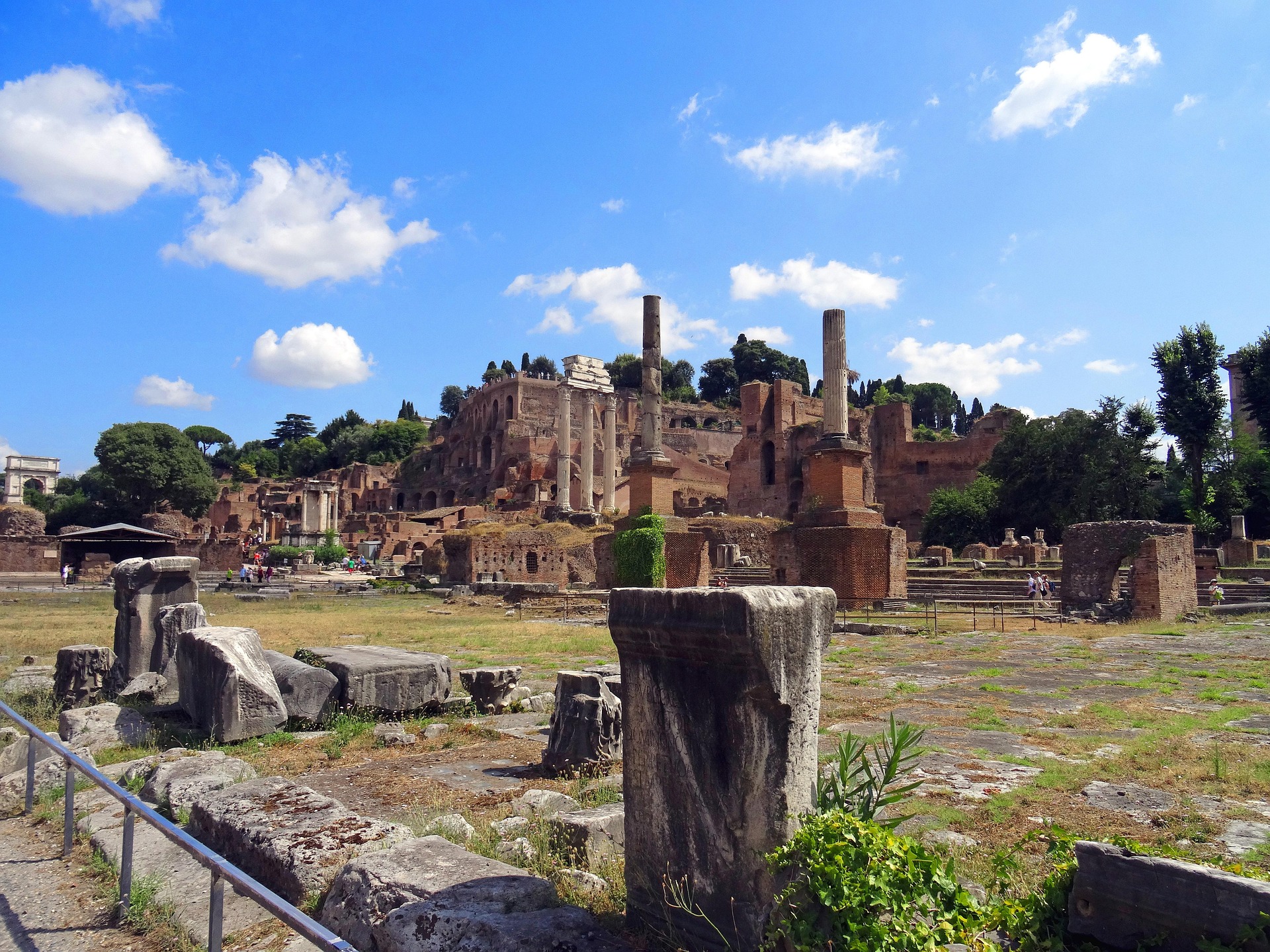
Official site material describes the Palatine as a place preserving remains connected with the earliest core of Rome, later the residential district of the aristocracy, and eventually the zone of the imperial palaces. That long arc—from origin myth to imperial center—is what makes the hill so important.
Key Information
| Official Area | Palatine Hill within the Parco archeologico del Colosseo system |
| Main Access Context | Usually visited with the Roman Forum and often paired with the Colosseum |
| Address Zone | Via di San Gregorio / Roman Forum–Palatine entrances in central Rome |
| Ticket Structure | Official tickets are managed through the Colosseum Archaeological Park, with several combined options |
| Hours | Seasonal; always verify on the official site before visiting |
| Best Time to Visit | Early morning or later afternoon for softer light and a more comfortable walk |
| Recommended Duration | 1.5–2.5 hours |
| Nearest Metro Reference | Colosseo area for many visitors, depending on chosen entrance |
History and Background
Palatine Hill is one of Rome’s seven hills and one of the places most strongly bound to the city’s founding mythology. Turismo Roma explicitly links the Palatine to the stories of Evander and, more famously, Romulus and Remus, the twins raised by the she-wolf who were later understood as the founders of Rome.
But the hill matters just as much historically as mythically. The official Palatine page explains that the area preserves traces of Iron Age settlements tied to the earliest urban core of Rome. By the late Republic, it had already become a prestigious residential district for the Roman elite. Augustus then intentionally chose the hill for his own house, and later emperors expanded it into the monumental palace zone of imperial Rome.
That sequence is what makes Palatine Hill so intellectually satisfying. You are not visiting one monument with one date. You are walking through a compressed narrative of Rome itself: origin myth, aristocratic prestige, imperial residence, and later reinvention through gardens and layered reuse. Few places in the city carry so much symbolic density in one elevated landscape.
What It Feels Like on the Hill
One of the reasons Palatine Hill stays in memory is that it does not feel like a single attraction. It feels like a shifting ridge of views, vegetation, palace remains, terraces, and archaeological fragments that gradually assemble into meaning. You move from hard stone to shade, from enclosed ruin zones to sudden open panoramas, from myth to imperial architecture almost without transition.
I especially like how the hill changes your relationship to Rome’s scale. Down in the Forum, the city can feel dense and historically overloaded. On the Palatine, there is more air. Pine trees break up the ruins, birdsong enters the background, and the views toward Circus Maximus and the Forum make the city read more clearly. It is one of those sites where walking slowly is not just pleasant but necessary.
The honest drawback is that people who rush through it often miss the point. Palatine Hill is not a “five-minute wow” destination. Its impact builds through movement, orientation, and perspective. Give it enough time, and it starts to feel like one of the most thoughtful stops in Rome.
Main Attractions
Domus Augustana
The Domus Augustana is one of the most rewarding areas for visitors who care about both ruins and views. Traditionally associated with the private sector of Domitian’s palace complex, it helps you understand how the Palatine was not just symbolic high ground but a lived imperial environment.
Domus Flavia
This area is often described as the public wing of the Flavian palace complex. It is one of the strongest places on the hill for sensing scale, ceremony, and the architectural ambition of palace life.
Farnese Gardens
Turismo Roma specifically references the later Farnese Gardens as part of the Palatine experience, and they matter because they soften the archaeological reading of the hill. They also help explain how the site kept being reinvented long after antiquity.
Forum and Circus Maximus Views
The viewpoints are not secondary here. They are part of the meaning of the hill. You are seeing ancient Rome from one of the places where power once looked outward.
Travel Tip
If you are already doing the Colosseum and Forum on the same day, do not leave the Palatine for last when you are exhausted. It works much better when you still have enough energy to walk, look outward, and linger at the viewpoints.
Common Mistake
The biggest mistake is treating Palatine Hill as just the walkway between the Roman Forum and something else. That almost guarantees an underwhelming visit.
Recommended Travel Route
- Enter early and orient yourself before the heavier site traffic builds.
- Head first toward the palace areas so you experience the imperial scale before fatigue sets in.
- Pause often at the overlooks instead of moving from ruin to ruin without context.
- Use the Farnese Gardens as a reset point between archaeology-heavy sections.
- Finish with a slow descent toward the Forum side or your chosen exit once the site logic has become clear.
Palatine Hill vs Other Rome Classics
| Site | Best For | Feel |
|---|---|---|
| Palatine Hill | Views, imperial palace context, slower archaeology | Open, layered, reflective |
| Roman Forum | Political and civic core of ancient Rome | Dense, historic, visually packed |
| Colosseum | Iconic monumentality and first-time Rome impact | High-impact, crowded, symbolic |
If the Colosseum is the symbol and the Forum is the textbook, the Palatine is where Rome starts to feel spatially intelligible.
Who Should Visit?
- Travelers who want more than a quick monument photo stop
- Visitors interested in imperial Rome rather than only Republic-era ruins
- People who enjoy scenic archaeology and elevated views
- Repeat Rome visitors looking to deepen their understanding of the city
- Anyone willing to walk a bit more in exchange for a richer sense of place
FAQ
Is Palatine Hill worth visiting?
Yes. It is one of the best places in Rome to connect myth, imperial history, views, and archaeology in a single visit.
How long should I spend there?
About 1.5 to 2.5 hours works well for most travelers.
Do I need a separate ticket for Palatine Hill?
Usually it is covered within the broader official Colosseum Archaeological Park ticket system, which includes combined access options.
What is the best time to visit?
Early morning or later afternoon is usually the most comfortable and visually rewarding.
What is the main appeal compared with the Forum?
The Palatine gives you more views, more spatial breathing room, and a stronger sense of imperial residence and elevation.
Should I rush through it after the Colosseum?
No. That is the most common way to undersell the site. It deserves its own real block of time.
Official Resources
Related Reads on Trip Nexus
Google Map
Final Thoughts
Palatine Hill is more than an archaeological stop. It is one of the places where Rome’s story feels physically arranged beneath you: the myths, the palaces, the Forum, the Circus Maximus, and the long afterlife of a hill that never stopped mattering.
If you give it enough time, it becomes one of the most rewarding parts of a Rome itinerary. Not because it is louder than the Colosseum, but because it is calmer, more elevated, and more revealing.
If you want a Rome site that combines panoramic reward, imperial context, and a slower, more intelligent archaeological experience, Palatine Hill deserves a real place in your day.