The Sistine Chapel is not simply a room filled with art—it is one of the most powerful intersections of faith, ambition, and human creativity ever achieved. Hidden within the Vatican Museums, this sacred space invites visitors into the very core of the Renaissance, where silence, scale, and symbolism converge beneath Michelangelo’s towering vision. To step inside is to enter a place that has shaped art history, religious tradition, and the imagination of millions for over five centuries.
Why Visit the Sistine Chapel
The Sistine Chapel stands as the spiritual and artistic climax of any Vatican visit. Famous worldwide for Michelangelo’s ceiling frescoes and The Last Judgment, it represents a level of artistic achievement that remains unmatched. For art lovers, it is a masterclass in anatomy, composition, and narrative. For spiritual visitors, it is a space of contemplation and reverence. And for first-time travelers to Rome, it is a once-in-a-lifetime encounter with one of humanity’s greatest creative accomplishments.
- Iconic masterpieces: Creation of Adam, prophets, sibyls, and The Last Judgment.
- Historical significance: site of papal conclaves and centuries of Vatican history.
- Emotional impact: a rare place where scale, silence, and meaning collide.
Stepping into the Sistine Chapel
Reaching the Sistine Chapel is a gradual journey through the Vatican Museums, where anticipation builds with every gallery. When you finally enter, the noise fades, and your eyes are drawn upward instinctively. The ceiling unfolds like a cosmic narrative—biblical scenes, muscular figures, and dramatic gestures suspended in color and motion. On the altar wall, The Last Judgment confronts visitors with a powerful vision of salvation, fear, and redemption.
Photography is prohibited, reinforcing the atmosphere of reverence. Visitors stand quietly, absorbing details that cannot be captured by a lens—only by memory.
Key Information
| Location | Vatican City, 00120 Vatican City State |
|---|---|
| Official Website | https://m.museivaticani.va |
| Opening Hours | Mon–Sat 9:00–18:00 (last entry 16:00); closed Sundays except last Sunday of the month |
| Admission | Included with Vatican Museums ticket |
| Best Time to Visit | Early morning or late afternoon |
| Accessibility | Wheelchair accessible; assistance available |
| Photography | Not permitted |
| Recommended Duration | 1–2 hours (museum route included) |
Immersive Cultural Experience
The Sistine Chapel is a living religious space, not a traditional museum hall. It continues to serve as the setting for major Vatican ceremonies, including papal conclaves. Guided tours provide deeper insight into the theological symbolism embedded in every panel—from Genesis to the prophets circling the ceiling. Understanding the immense physical and mental strain Michelangelo endured only deepens appreciation for the work’s intensity and ambition.
Seasonal Events and Vatican Ceremonies
While public festivals are not held inside the Sistine Chapel, it remains central to major Vatican events. During papal elections and significant liturgical moments, the chapel becomes the focus of global attention. Visitors traveling during religious seasons may feel a heightened sense of solemnity throughout Vatican City.
How to Get There
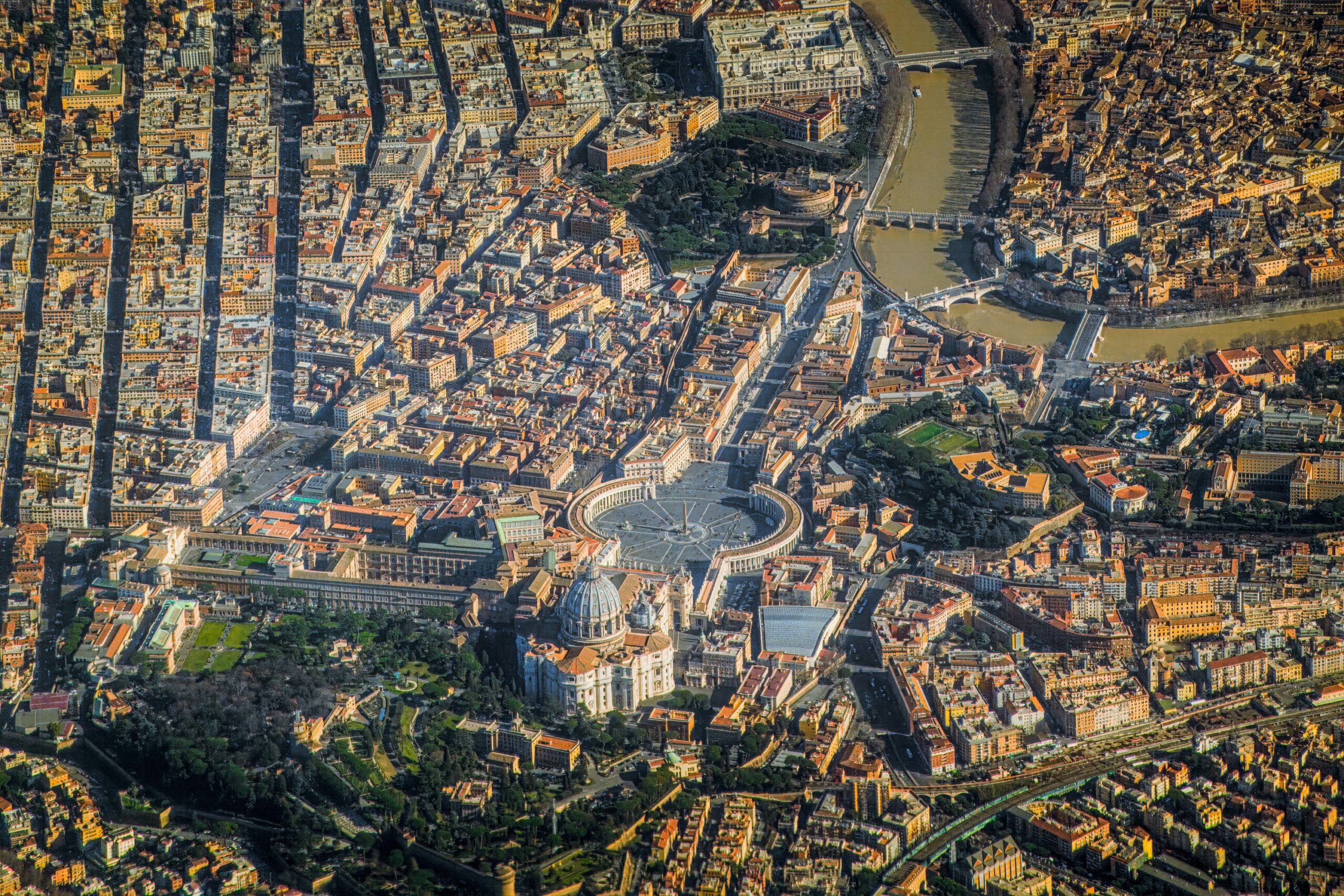
The Vatican is easily accessible from central Rome.
- Metro: Line A to Ottaviano–San Pietro station
- Bus: multiple city routes stop near Vatican Museums
- On foot: walkable from central Rome districts
Advance ticket booking is strongly recommended to avoid long queues.
Nearby Attractions
- St. Peter’s Basilica: the world’s largest church, directly adjacent.
- Vatican Gardens: guided visits to a peaceful, historic green space.

Essential Travel Tips
- Dress code: shoulders and knees must be covered.
- No photos: plan to experience the chapel fully, without devices.
- Timing matters: early or late visits are calmer and more contemplative.
- Allow time: rushing diminishes the experience.
What Makes the Sistine Chapel Unique
No other place in the world unites artistic mastery and spiritual gravity with such force. The Sistine Chapel is not admired—it is felt. The ceiling does not simply depict stories; it confronts the viewer with humanity’s struggle, hope, and divine aspiration. Standing beneath Michelangelo’s work, visitors sense the weight of centuries—and the limitless reach of human imagination.
FAQ
Do I need a separate ticket for the Sistine Chapel?
No. Entry is included with a Vatican Museums ticket.
Can I visit without a guided tour?
Yes, but guided tours provide valuable historical and symbolic context.
Is the Sistine Chapel suitable for children?
Yes, though younger children may find the silence and duration challenging.
Official & Trusted Links
Google Map
To stand beneath the Sistine Chapel’s ceiling is to witness the height of what humanity can achieve when belief, talent, and obsession collide. Long after you leave the Vatican, that silence—and that vision—stays with you.