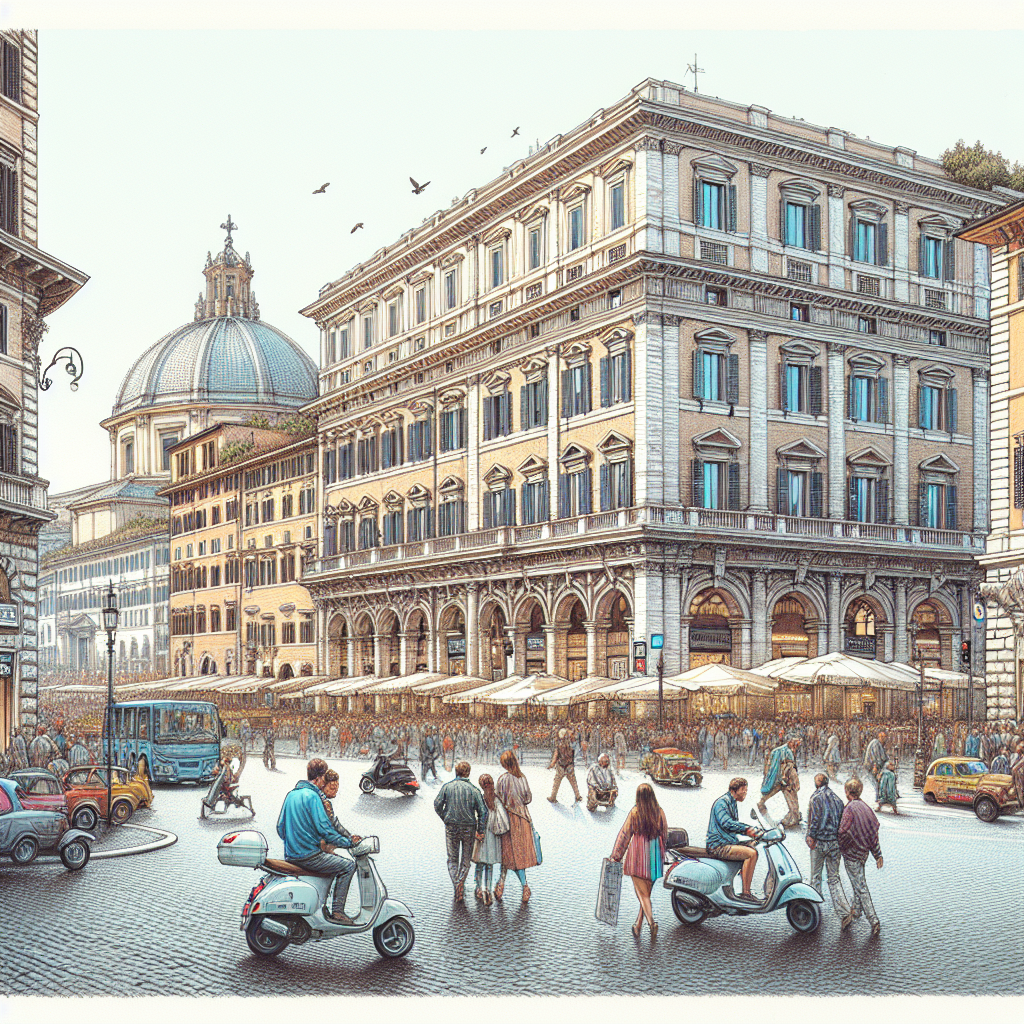
Imagine standing at the crossroads of history, surrounded by architectural masterpieces that whisper tales of Rome’s storied past. Piazza Venezia is not just a square; it’s a gateway to Rome’s vibrant soul, where each corner unravels a new perspective of the Eternal City. As you stand in this bustling piazza, the view is nothing short of enchanting, offering a unique blend of ancient Roman and modern Italian vistas.
From the towering Altare della Patria to the lively chatter of locals and tourists alike, Piazza Venezia is a symphony of sights and sounds that beckon exploration. Whether you’re a history buff, a curious traveler, or someone seeking a moment of awe, the stunning views from Piazza Venezia promise an unforgettable experience, highlighting the city’s rich tapestry of art, culture, and history. Join us as we delve into the heart of Rome, discovering what makes this iconic square a must-visit location for anyone looking to capture the essence of Italy’s capital.
Key Information
| Opening hours | Piazza Venezia (public square): 24/7; Altare della Patria terraces: 9:30 AM–7:30 PM |
| Entrance fee | Square access: Free; Altare della Patria elevator to terraces: €7 |
| Address | Piazza Venezia, 00186 Rome, Italy |
| Google Maps location name | Piazza Venezia, Rome |
| Best time to visit | Early morning (8–10 AM) or late afternoon (5–7 PM) to avoid crowds and enjoy golden light |
| Transportation overview | Metro: Line A (stop “Spagna”) + 10 min walk; Bus: lines 40, 60, 64; Tram: Line 8 to “Argentina” + 5 min on foot |
History / Background
Piazza Venezia sits at the geographic and historical heart of Rome’s Centro Storico district, named after the Palazzo Venezia that once housed the Venetian embassy. In the Middle Ages, this space was a muddy crossroads, but by the Renaissance it became a hub of diplomatic and cultural exchange between the Republic of Venice and the Papal States.
Over centuries, the square evolved into a focal point of Roman public life. In the 20th century, it became associated with Benito Mussolini’s speeches from the balcony of Palazzo Venezia. Today, Piazza Venezia bridges ancient sites like the Roman Forum and Capitoline Hill with the modern bustle of Via del Corso, offering visitors a layered tapestry of Roman history at every turn.
Main Attractions
Altare della Patria
The Altare della Patria (Altar of the Fatherland), also called the Vittoriano, towers over Piazza Venezia as a gleaming white marble monument dedicated to Victor Emmanuel II, Italy’s first king. Its massive Corinthian columns and bronze equestrian statue stand 70 meters above the square, offering panoramic views of the Forum and Capitoline slopes.
To access the terraces, purchase a ticket (€7) and take the glass elevator behind the monument. From the top, you’ll see the sprawl of Rome’s red-tiled rooftops and the winding Tiber River. Best visited around sunset, when the golden light bathes the white marble in warm hues. Note: Security checks are in place; allow 10–15 minutes extra during peak season.
Palazzo Venezia
Once the papal residence and later Mussolini’s headquarters, Palazzo Venezia is a richly decorated 15th-century palace. Today it houses the National Museum of Palazzo Venezia, with a collection of medieval and Renaissance artifacts. The highlight for many travelers is the rooftop terrace, offering a different vantage point over Piazza Venezia and the Teatro di Marcello.
The museum opens 9 AM–7 PM (closed Mondays) with a €6 ticket. Climbs to the terrace involve a narrow spiral staircase—wear comfortable shoes and mind your head on low ceilings. From this viewpoint, you can spot the dome of Saint Peter’s Basilica in the distance and trace the Via dei Fori Imperiali leading to the Colosseum in about an 8-minute walk.
Equestrian Statue & Surrounding Statues
At the center of Piazza Venezia stands the imposing bronze equestrian statue of King Victor Emmanuel II, commanding attention on its massive pedestal. Surrounding it are allegorical statues representing unity, liberty, and the regions of Italy. Each statue carries a symbolic attribute—laurel wreaths, shields, or fasces—reflecting Italy’s unification ideals.
Wander around the base to study the intricate bas-reliefs that depict key events from the Risorgimento. In mid-afternoon, the sun highlights the green patina of the bronze against the white marble, creating striking photo opportunities. Keep an eye on your belongings; the area can get crowded with street performers and souvenir vendors.
Recommended Travel Route
Follow this step-by-step itinerary to experience the best views and surrounding highlights of Piazza Venezia:
- Begin at the Colosseum: Exit via the main arch, then head northwest on Via dei Fori Imperiali (about 12 minutes on foot).
- Arrive at Piazza Venezia: Admire the Vittoriano façade, then take the elevator to the Altare della Patria terrace for 360° views.
- Descend and walk to Palazzo Venezia (2 minutes): Enter the museum, explore the ground floor galleries, and climb to the rooftop terrace.
- Finish with a stroll down Via del Corso (5 minutes) toward the Pantheon, passing Campo de’ Fiori for a quick snack or espresso.
- Return options: Catch bus 87 at the square’s northwest corner back to Termini or hop on tram 8 toward Trastevere.
Summary / Final Thoughts
Piazza Venezia is a must for anyone exploring Rome’s historic center. With free access to the square and affordable terraces at Altare della Patria and Palazzo Venezia, it offers unbeatable views over ancient and modern Rome.
Visit early or late in the day to avoid crowds, wear sturdy shoes for narrow staircases, and carry a bottle of water—summer heat can be intense. Whether you’re capturing sunrise light on the Capitoline Hill or watching the sun set behind the Vittoriano, Piazza Venezia delivers an unforgettable glimpse into the Eternal City’s majestic panorama.