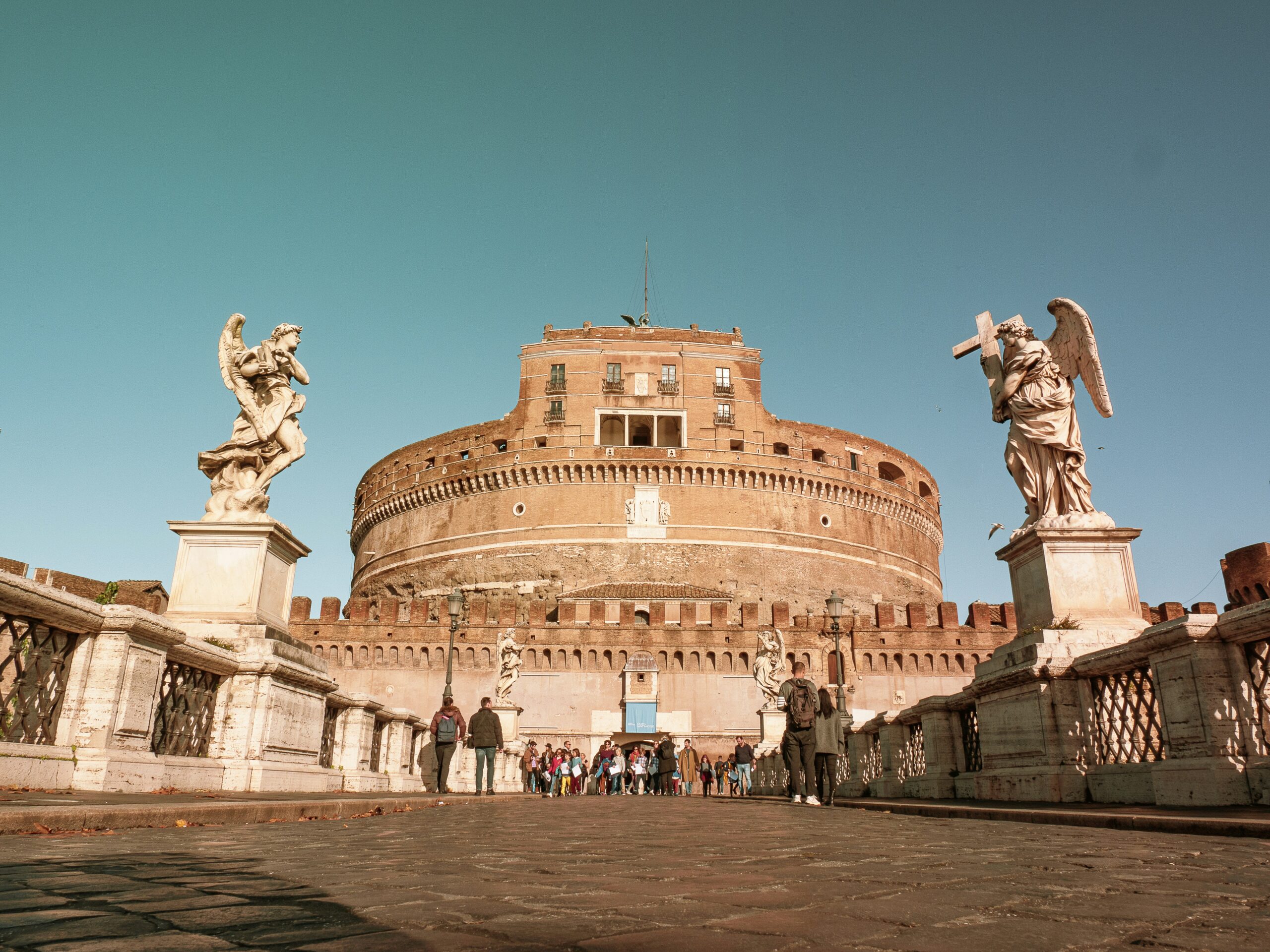
Perched magnificently above the shimmering waters of the Tiber River, Castel Sant’Angelo stands as a testament to Rome’s rich tapestry of history and culture. Imagine gazing out from its storied battlements, where centuries of transformation unfurl before your eyes—from an ancient mausoleum to a papal fortress, and eventually, a fascinating museum. Known for offering some of the most breathtaking views in Rome, this architectural marvel invites us on a journey through time, presenting not just the city’s iconic skyline but also a glimpse into its soul.
As one navigates the winding paths of this historic site, the layers of its past echo with tales of emperors, popes, and revolutionaries who once sought refuge within its walls. Whether you’re an avid history buff or a casual traveler seeking Rome’s best vistas, Castel Sant’Angelo promises a unique blend of extraordinary panoramas and captivating stories. Join us as we explore this iconic landmark, offering tips to make the most out of your visit and ensuring you witness Rome like never before.
Key Information
| Opening hours | Daily 9:00–19:30 (last entry 18:30) |
| Entrance fee | €15 adults; €7 reduced (18–25 EU); free under 18 |
| Address | Lungotevere Castello, 50, 00193 Rome |
| Google Maps location name | Castel Sant’Angelo |
| Best time to visit | Early morning (9:00–11:00) or late afternoon (16:00–18:00) |
| Transportation overview | Metro A to Lepanto/Ottaviano + 10-min walk; Buses 23, 280 to Piazza Pia; riverboat stops at Ponte Sant’Angelo |
History / Background
Originally commissioned by Emperor Hadrian as a mausoleum between AD 123 and 139, the structure we now know as Castel Sant’Angelo began life as a grand cylindrical tomb on the right bank of the Tiber. Its massive drum and upper drum were topped by a golden quadriga, glinting in the Roman sun. Over the centuries, the city’s needs evolved, and so did this monument. By the 5th century, it served as a refuge for Roman citizens during barbarian sieges, its robust walls offering sanctuary against external threats.
In the 14th century, Pope Nicholas III connected Castel Sant’Angelo to the Vatican by the Passetto di Borgo, a fortified corridor spanning roughly 800 meters. This allowed pontiffs to escape in times of tumult or to travel in secrecy between the fortress and the Apostolic Palace. Later, under Pope Paul III in the 16th century, extensive renovations transformed the mausoleum into a full-fledged papal residence and military stronghold. Today, layers of stone, frescoes, and battlements reveal a story that spans two millennia, inviting visitors to walk through time and witness Rome’s evolving identity.
Main Attractions
The Mausoleum and Lower Levels
The entry level of Castel Sant’Angelo immerses you in its original funerary purpose. As you step into the dimly lit corridors of the lower chamber, you can almost hear the echo of ancient footsteps on its travertine floors. The circular design is striking—Hadrian’s sarcophagus once stood at its center, though it now resides in the Vatican Museums. Guided panels detail the original funerary rites and the significance of the mausoleum in Roman death culture.
Practical tip: Visit this section early, as the narrow passageways can become crowded by late morning. Watch your step on uneven steps and hold onto the handrails. A quick 5-minute descent from the entrance takes you to the very foundations of this imperial tomb, where the air feels cooler and the walls bear centuries-old inscriptions.
Battlements Terrace Views
Ascending to the terrace is like entering an open-air theater, where Rome unfolds before you in panoramic splendor. From this vantage point—approximately 58 meters above river level—you can spot St. Peter’s Basilica dome to the west, the winding length of the Tiber River, and the red rooftops of the Prati district. The parapets offer multiple viewing points, each framing different angles: Ponte Sant’Angelo’s statues of angels below, the orange hues of sunset shimmering on the water, and beyond, the Apennine foothills on clear days.
Insider tip: Stay until golden hour (about 17:30 in summer) for optimal lighting. Benches along the terrace let you pause and take in the views. Note that this level is exposed to wind, so bring a light jacket even in spring. Accessible ramps are available, but the final ascent involves a few steps—plan extra time if you have mobility concerns.
Papal Apartments and Museum Galleries
Within the central block lie the opulent rooms once occupied by popes. Rich frescoes by Perin del Vaga and Raphael’s school decorate the ceilings, while tapestries and 16th-century furniture reflect Renaissance tastes. The Chain Gallery, named for the heavy iron chain hanging at its center, served as a symbol of papal power and security. Adjacent chambers showcase medieval arms and armor, ranging from piked halberds to detailed cuirasses, underscoring the fortress role Castel Sant’Angelo played during papal conflicts.
Visitor advice: Allocate at least 30 minutes to wander through these rooms. The temperature is stable but can be slightly humid—dress in lightweight layers. Audio guides (available in multiple languages) enrich your visit with anecdotes about the popes who lived here and the diplomacy and intrigue that transpired within these walls.
Recommended Travel Route
To make the most of your visit, follow this suggested path, which balances sightseeing and rest stops over approximately two hours:
- Start at Piazza Pia: Grab a quick espresso at a nearby café (1–2 minutes on foot).
- Cross Ponte Sant’Angelo: Admire Bernini’s angels (3 minutes walking).
- Enter Castel Sant’Angelo: Purchase tickets and head to the lower levels (allow 10 minutes for ticketing).
- Explore the Mausoleum: Descend to the original tomb (15 minutes).
- Climb to the Battlements Terrace: Stop at benches for photos (20 minutes).
- Visit the Papal Apartments: Stroll through frescoed galleries (30 minutes).
- Exit via the Passetto di Borgo entrance: Walk the secret corridor toward the Vatican area (optional 10-minute walk).
Summary / Final Thoughts
Castel Sant’Angelo is a must-visit for history enthusiasts, architecture lovers, and photographers seeking that perfect Roman skyline shot. Its multi-layered past—from Hadrian’s mausoleum to a papal refuge—offers a compelling narrative at every level. Plan your trip for late afternoon to avoid midday crowds and to enjoy the golden light on the Tiber.
Wear comfortable shoes, stay hydrated, and allow at least two hours to fully appreciate the site. Whether you’re in the Prati district or strolling along the Lungotevere, this fortress-museum hybrid is within easy reach and promises a uniquely immersive glimpse into Rome’s soul.