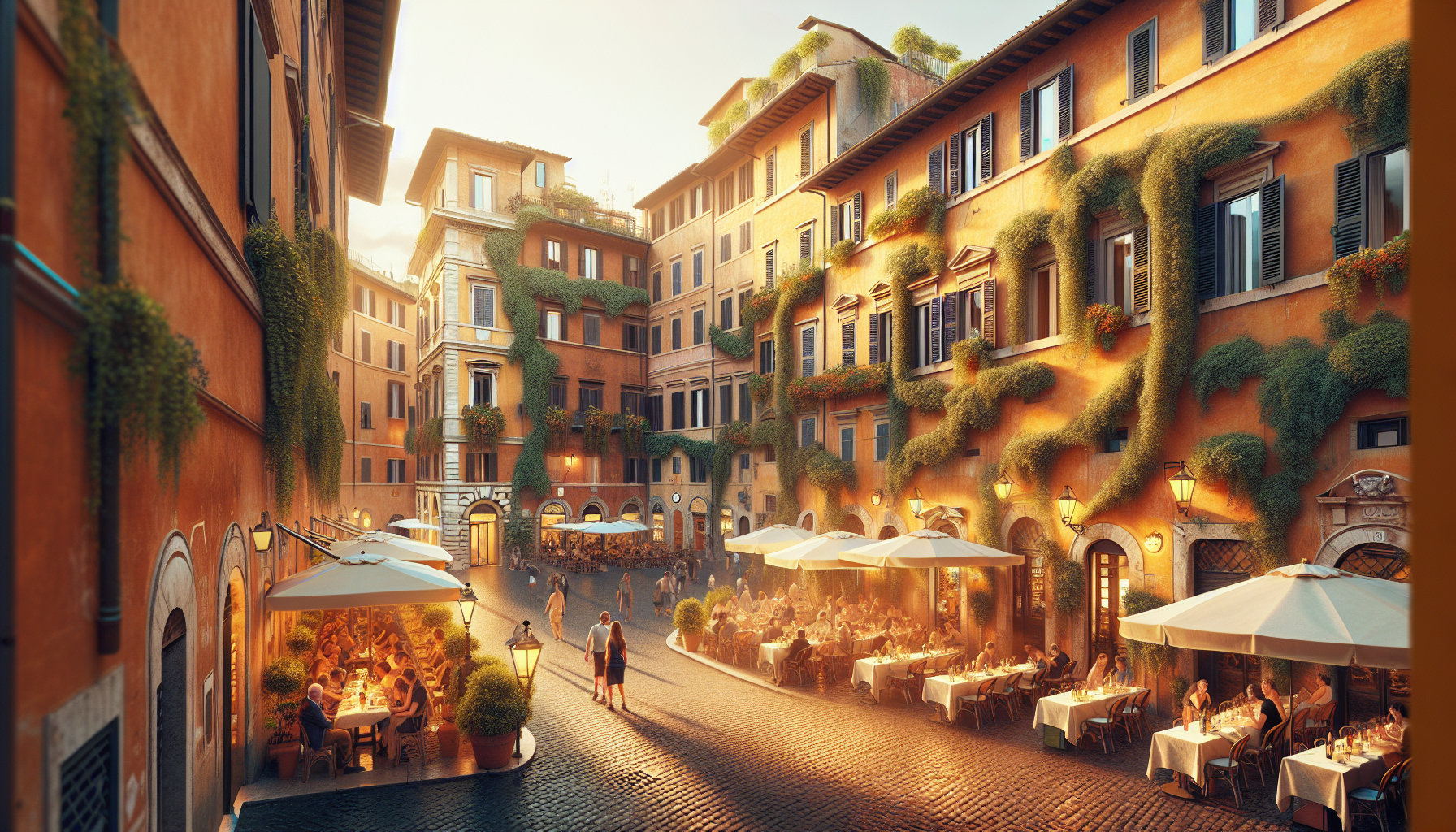
In the labyrinthine heart of Rome, where cobblestone alleys whisper stories of centuries past and ivy cascades from ochre-hued walls, lies Trastevere—a district that radiates the city’s authentic soul. Nestled on the west bank of the Tiber, Trastevere is a living canvas, brushed with the hues of history, artistry, and a vibrant, ever-evolving culture. Here, the word “Trastevere”—meaning “beyond the Tiber”—is more than a geographical marker; it’s an invitation to step into a world where tradition and modernity dance together in passionate embrace.
Why Visit Trastevere
Trastevere enchants with its intoxicating mix of tradition and innovation. Away from Rome’s more touristic epicenters, the district offers a genuine slice of Roman life: trattorias spill out onto piazzas, the scent of wood-fired pizza mingles with the laughter of locals, and artisans craft timeless wonders in tucked-away workshops. The district’s bohemian energy and storied past beckon travelers seeking authenticity, creativity, and an immersive urban adventure. Whether you crave culinary exploration, artistic inspiration, or the simple beauty of twilight over terracotta rooftops, Trastevere promises a journey that lingers in memory long after you’ve strolled its ancient lanes.
Stepping into Trastevere
Wandering into Trastevere feels like crossing an invisible threshold into a realm where time bends. Medieval buildings lean into narrow streets, their facades burnished by the Roman sun. The air hums with the strum of street musicians, the clink of glasses, and the echo of footsteps on uneven stones. Locals gather in sun-dappled squares, where children chase pigeons and elders debate politics over espresso. The district’s mosaic of influences—from Roman to medieval, Jewish to modern—creates a living tapestry that both honors the past and pulses with contemporary life.
Key Information Table
| Category | Details |
|---|---|
| Location | Rome, Italy |
| Best Time to Visit | April–June, September–October |
| Opening Hours | N/A (public neighborhood) |
| Entry Fee | N/A |
| Official Website | https://en.turismoroma.it |
Immersive Cultural Experiences
Trastevere’s cultural heart beats strongest in its piazzas and hidden courtyards. Visit the Basilica of Santa Maria in Trastevere, one of Rome’s oldest churches, where golden mosaics shimmer above ancient pews and the hush invites quiet contemplation. Art lovers will find inspiration in the district’s independent galleries and ateliers, where local painters and sculptors reinterpret Roman tradition for the modern eye. Music drifts from open windows and bustling bars, with genres ranging from jazz to folk, echoing the neighborhood’s creative spirit. And as dusk settles, the district’s trattorias and wine bars come alive, transforming every evening into a celebration of la dolce vita.
Seasonal Festivals and Special Events
Throughout the year, Trastevere hosts festivals that celebrate its distinctive character. The Festa de’ Noantri, held in July, is a vibrant homage to the district’s patron saint, winding through the streets with processions, music, and fireworks. In spring and autumn, open-air cinema nights and cultural fairs set the piazzas abuzz with energy. Seasonal food festivals highlight the flavors of Roman cuisine—from artichokes in spring to chestnuts and wine in autumn—inviting visitors to savor the district’s culinary heritage in every bite.
Google Map
How to Get There
Reaching Trastevere is an adventure in itself, as the journey often involves crossing the storied bridges of the Tiber. The district is accessible via tram line 8 from Piazza Venezia, with a convenient stop at Trastevere’s bustling heart. Several bus lines connect the neighborhood to other Roman districts, and the Roma Trastevere railway station offers regional train access for those arriving from outside the city center. For the wanderer at heart, a leisurely stroll from the historic center across Ponte Sisto or Ponte Garibaldi reveals the first glimpses of Trastevere’s enchanting streets.
Nearby Attractions and Local Eats
Piazza Santa Maria in Trastevere: The district’s lively main square, framed by cafes and the dazzling basilica, is a hub for people-watching and evening gatherings.
Orto Botanico di Roma: A serene botanical garden nestled on the slopes of the Janiculum Hill, offering lush greenery and a peaceful escape from the city’s bustle.
Essential Travel Tips
Trastevere’s charm is best experienced on foot—wear comfortable shoes for wandering its uneven streets and allow time for spontaneous discoveries. While the neighborhood is safe and welcoming, some alleys can become crowded in the evening; visit earlier in the day for a quieter ambiance. Many trattorias and shops close for a few hours in the afternoon, so plan meals and shopping accordingly. To capture the district’s magic, linger over a morning espresso in a sunlit piazza or join locals for aperitivo as dusk transforms the district into a glowing tapestry of lights and laughter.
What Makes This Destination Unique
Trastevere is where Rome’s past and present converge in a symphony of color, sound, and sensation. Unlike the city’s grand monuments, the neighborhood’s treasures reveal themselves gradually—through the faded fresco on an alley wall, the laughter spilling from a doorway, the aroma of fresh bread at dawn. Its spirit is defined not by monuments but by moments: a shared meal, a glimpse of sunset from the Janiculum, the joyous swirl of a festival parade. In Trastevere, every visitor becomes a participant in the ancient, ongoing story of Rome.
Related Posts
- City Tourism Website
- Attraction Official Website
- Country Tourism Board
- Regional Tourism Office
- Destination Official Homepage
To step into Trastevere is to surrender to the allure of the unexpected. Its streets, alive with both the echoes of history and the pulse of modern life, invite you to slow down, observe, taste, and feel. The district’s true marvel is its ability to weave visitors into its daily rhythms, transforming even the briefest stay into a deeply personal chapter in the eternal tale of Rome.