Chartres Cathedral Travel Guide (2026): Best Stained-Glass Light, Labyrinth Fridays, Tower Climb, Day Trip from Paris
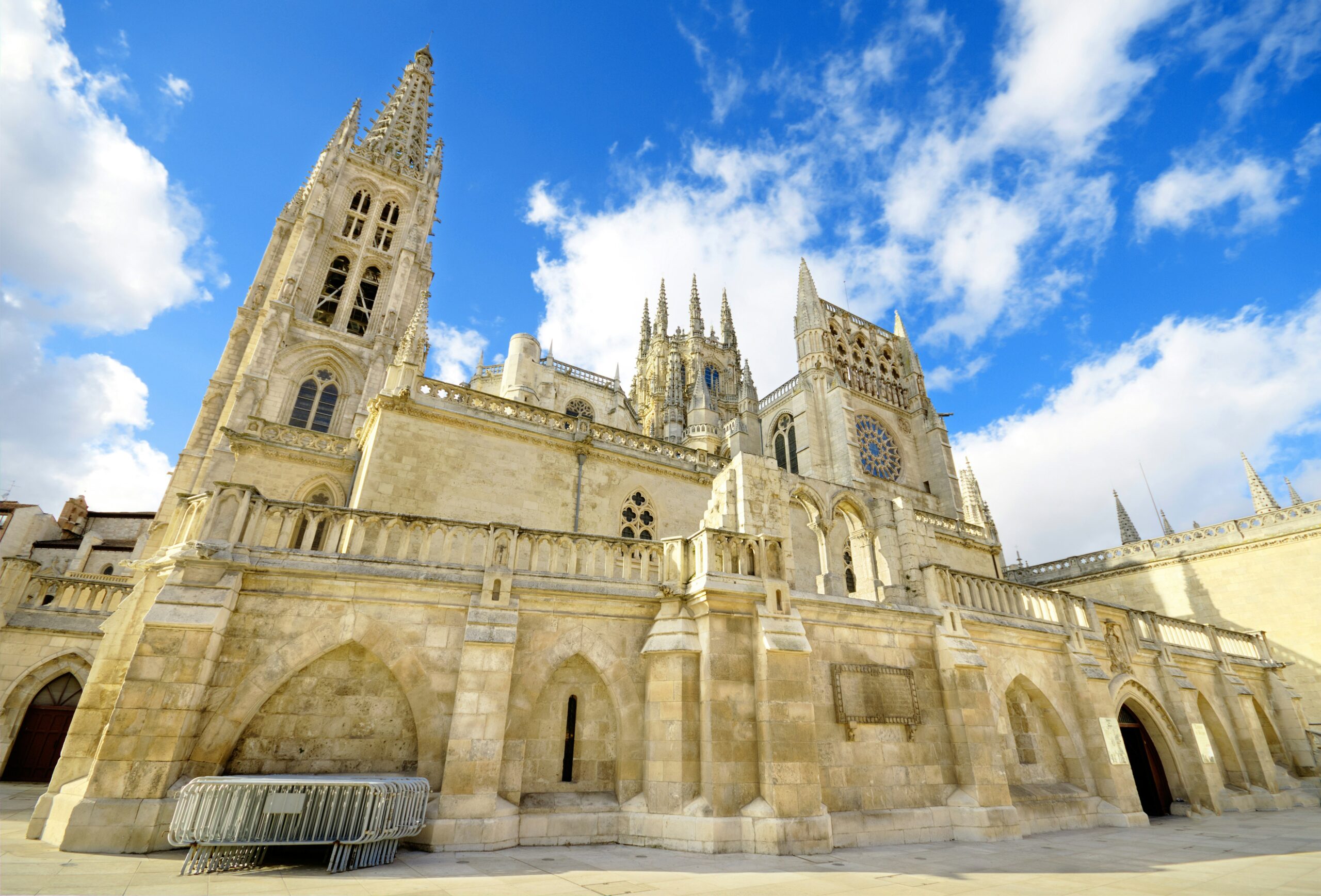
Chartres Cathedral rises above the Beauce plain like a stone compass needle—pointing your whole day toward light, height, and silence.
It’s one of those places where the atmosphere changes the moment you step inside: the nave cools the air, the stained glass warms the shadows, and the city noise drops away as if someone closed a door behind you.
You want a clean, no-stress plan for Chartres Cathedral: the best time to see the stained glass glow (not just “visit early”), how to catch the
labyrinth walking window, whether the tower climb is worth it, what to do in town if you have extra time, and the simplest
train + walking route for a day trip from Paris—without wasting an hour on avoidable logistics.
Quick Summary (Save This)
- Best light for stained glass: late morning to mid-afternoon on a clear day—move slowly and let the color “settle” in your eyes.
- Time needed: 2–3 hours for the cathedral + town stroll; add 60–90 minutes if you do tower/crypt/treasury experiences.
- Labyrinth goal: aim for Friday in season—chairs are moved so you can walk it (check the official notice for exceptions).
- Worth paying for: the tower climb if you like views + architecture up close; skip if you hate stairs or tight pacing.
- Big mistake: rushing in, taking 5 photos, and leaving—Chartres rewards slow walking and “light watching,” not speed tourism.
Quick Planning Snapshot
| Location | Chartres, Centre-Val de Loire, France (historic center) |
|---|---|
| Cathedral Hours | Typically 8:30–19:30 daily (last entry often near 19:15). Check for exceptional closures. |
| Entry Fee | Cathedral entry is generally free; paid experiences (tower/treasury/tours) vary. |
| Recommended Stay | 2–3 hours (4–5 hours if you add tower + museum or light festival) |
| Best Time to Visit | Weekdays for calm; clear days for glass; evenings in season for Chartres en Lumières |
| From Paris | ~1h–1h20 by train depending on service; station to cathedral is walkable uphill |
| Accessibility | Main floor is generally accessible; some historic areas and tower involve stairs |
| Official & Trusted Info | Cathedral Official Site / UNESCO World Heritage Centre / Chartres Tourism |
Reality check: Chartres is easy. Your win is timing (light + crowds) and knowing which “extras” are truly worth your energy.
Why Visit Chartres Cathedral
Plenty of cathedrals are “beautiful.” Chartres is different: it feels alive—because the building is basically a machine built for light.
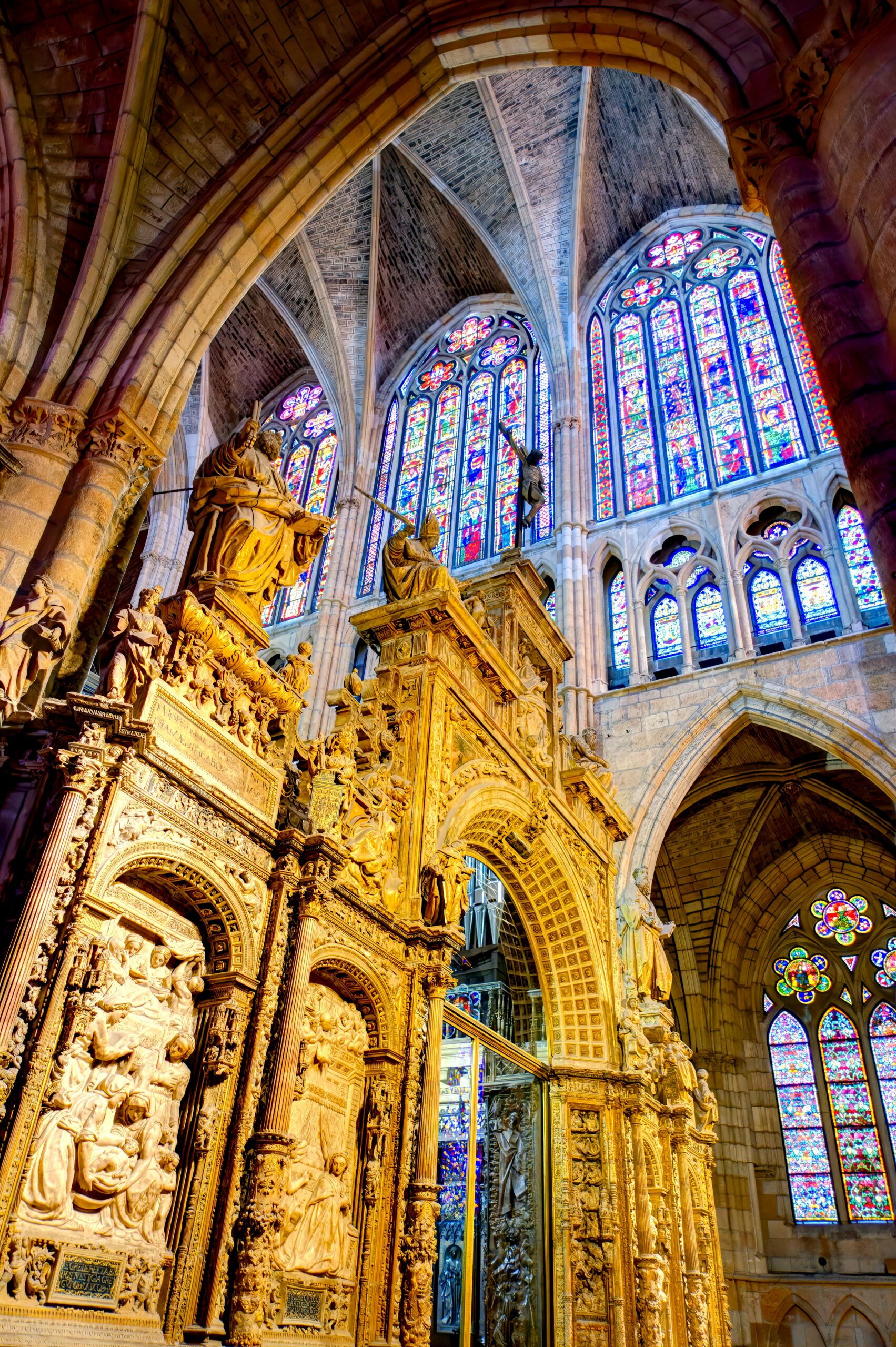
When the sun moves, the interior changes mood in slow motion. You can watch centuries-old glass paint the stone floor with blues and reds that look almost modern.
And outside, the cathedral doesn’t sit politely in the city. It dominates the skyline the way a lighthouse dominates a coast.
- UNESCO credibility: this isn’t hype—Chartres is globally recognized for preservation and Gothic excellence.
- Stained-glass concentration: the windows aren’t a side feature; they are the main event.
- Small city, big impact: you can do “cathedral + charming streets + a proper lunch” without needing a car.
First-time France travelers who want a meaningful landmark beyond Paris, architecture lovers, photographers who like interior light,
slow travelers who enjoy walking old streets, and anyone who wants one day that feels “classic France” without complicated planning.
What It Feels Like (Real Visit Mood)
The best way to describe Chartres is: quiet power.
Outside, it’s dramatic—towers, sculptures, and a silhouette you can spot from far away. Inside, the drama turns inward.
Your eyes adjust, your footsteps soften, and the stained glass starts doing something that feels personal, not just pretty.
If you’ve ever entered a famous place and felt “crowded museum energy,” Chartres can be the opposite—especially on a weekday.
There’s room to stand still. And if you let yourself stand still, the building rewards you.
Don’t start with photos. Start with one slow loop down the nave and back.
Let your eyes adjust to the color. Then pick one window section to study.
Your camera will work better after your brain does.
The Story Behind the Stone (Why Chartres Matters)
Chartres is often described as a high point of French Gothic art—not because it’s the biggest, but because it’s unusually complete and coherent.
It’s the kind of cathedral where the overall “system” makes sense: architecture, sculpture, and glass all work together to teach stories,
mark seasons, and create a lived spiritual experience for medieval pilgrims (and for modern visitors who simply want beauty).
You don’t need a degree to enjoy it. But having one simple lens helps: imagine the cathedral as a medieval multimedia project.
The portals are the “public entrance lecture.” The windows are the “color library.” The labyrinth is the “walkable meditation.”
And the whole building is engineered to make light feel meaningful.
Many cathedrals have famous windows. Chartres feels like it has a stained-glass climate.
The “Blue of Chartres” isn’t a single panel—it’s a mood that spreads across the interior when the sun is right.
The labyrinth is famous because it turns sightseeing into participation.
When it’s open for walking, you’re not just looking at history—you’re moving through a ritual pattern that pilgrims once used as a symbolic journey.
What to See Inside (High-Impact, Not Overwhelming)
Instead of trying to identify 150 windows, pick three zones: one near the nave, one near the transept, and one in the choir area.
Watch how color shifts when you move 10 steps. That’s the secret—Chartres is a moving experience.
Even when it’s not open for walking, stand at the edge and read it as design: a path that always moves forward while circling inward.
If you can visit on a Friday in season, walking it becomes one of those “I remember exactly how I felt” travel moments.
Don’t skip the exterior details. The statues and portals are part of the full narrative system—your “closing chapter.”
Pro tip: walk around once at the end. The building reads differently after you’ve been inside.
Best Time to Visit (Stained Glass & Crowd Reality)
- Weekdays (best calm): easier to stand still and actually experience the windows.
- Clear skies (best color): sunlight makes the glass feel “lit from inside.” Cloudy days are quieter, but less dramatic.
- Late morning → mid-afternoon: typically the most reliable window for strong interior color.
- Evenings in season: if you’re visiting for Chartres en Lumières, plan a twilight-to-night flow.
For stained glass, underexpose a little and avoid harsh digital sharpening.
If you’re using a phone, tap to expose for the bright window first—then take a second shot for the darker stone.
Two good photos beat ten rushed ones.
Walking the Chartres Labyrinth (How to Actually Catch It)
The labyrinth is the detail everyone mentions—and the part many people miss—because it isn’t always open for walking.
In the walking season, the chairs in the nave are moved so visitors can follow the path. When you catch it, it changes the visit:
suddenly the cathedral isn’t just “look up,” it’s “move through.”
Aim for a Friday visit in season. That’s the classic day when walking access is offered.
Always check the cathedral’s official labyrinth notice first—exceptional closures and ceremonies can change the plan.
Treat it like a slow walk, not a selfie track. Put your phone away for the first half.
If you want a photo, take it from the edge after you finish—your memory will be better than your footage.
Don’t panic. Stand where you can see the full geometry, then do a “mini ritual”: follow the route with your eyes while breathing slowly.
It sounds small, but it gives you the same calm outcome—without needing the chairs removed.
Tower Climb, Crypt & Tours (What’s Worth It)
Here’s the honest truth: the cathedral alone is already a complete experience.
The “extras” are for people who want either (a) a physical highlight (stairs + view) or (b) deeper context (guided narrative).
If you pick one add-on, pick based on your energy, not your fear of missing out.
- You like panoramic views and close-up stonework details.
- You want a “physical achievement” moment for the day trip.
- You don’t mind stairs and controlled pacing.
- You want symbolism explained without doing research at home.
- You prefer “story + meaning” over independent wandering.
- You’re visiting once and want the “best hits” efficiently.
If it’s your first time: do the cathedral slowly, then decide.
If you still have energy and the weather is good, add the tower.
If you feel mentally full already, end with a town walk + coffee and leave on a high note.
How to Get to Chartres Cathedral (Day Trip from Paris)
Chartres is one of the easiest “big landmark” day trips from Paris because you don’t need a car and you don’t need a tour.
The train ride is straightforward, and once you arrive, the cathedral’s towers basically act like navigation arrows for the whole town.
The only real “effort” is the gentle uphill walk through the old streets.
Take a train from Paris toward Chartres (services vary by day). Aim to arrive with daylight left, so you can enjoy the exterior + interior light.
Buy a round-trip if you like peace of mind.
Walk uphill through the historic center and follow the skyline. If you prefer an easy navigation trick: pick one tower as your “anchor” and keep it visible.
The town is pleasant—this walk is part of the day, not a chore.
My Best “No-Regrets” Route (3–5 Hours Total)
This route is designed for normal humans—people who want the best moments without turning the day into a checklist.
It’s structured like a good story: exterior drama, interior immersion, then a gentle landing in town.
| Time | Plan |
|---|---|
| 0:00–0:20 | Arrive, walk around the exterior once. “Read” the cathedral from outside before going in. |
| 0:20–1:20 | Slow interior loop: nave → transept → choir area. Pick 3 stained-glass zones (not 150 windows). |
| 1:20–1:50 | Labyrinth moment: stand at the edge, then decide if you’ll walk it (if open) or do the “eyes-follow” version. |
| 1:50–2:40 | Optional add-on: tower climb OR guided/treasury experience—choose one, not all. |
| 2:40–4:30 | Town landing: old streets + lunch/coffee + one nearby attraction. If visiting during Chartres en Lumières, return at dusk. |
It protects your attention. You get the “wow” (exterior), the “meaning” (interior), and the “memory” (slow town walk) without exhausting yourself.
Practical Travel Tips (Fast, Actually Useful)
If stained glass is your main reason, choose a day with better weather. Cloud cover can flatten the color.
It’s the difference between “nice” and “unforgettable.”
You don’t need actual binoculars, but you do need “detail patience.”
Pick one sculpture group or one window panel and give it 60 seconds. That’s where Chartres becomes personal.
Do not stack tower + crypt + museum + night light show in one short day unless you’re genuinely high-energy.
One “extra” is usually perfect. Two can become fatigue.
Ceremonies and events can change access with little warning. Check the official site the night before (especially for labyrinth/tours).
It’s an active place of worship. Keep voices low, avoid flash photography, and step aside if services are happening.
If you’re sensitive to steep stairs or tight pacing, skip the climb and spend that energy on a slow interior visit instead.
Nearby Attractions (Easy Pairings)
Chartres is compact, so “nearby” often means “walkable.”
The best pairing strategy is: one cultural add-on (museum or unique site) + one relaxed town moment (coffee, river walk, old streets).
- Musée des Beaux-Arts de Chartres — a calm cultural stop if you still have attention after the cathedral.
- Maison Picassiette — a quirky, mosaic-covered house that feels like outsider art turned into architecture.
- Old town stroll — small bridges, stone lanes, and that “French weekend day” atmosphere you can’t fake.
A vs B: Daytime Light Visit vs Night Light Festival
| Choose This | If You Want… | Trade-Off |
|---|---|---|
| Daytime (best for windows) | Stained-glass color, calm interior, slow “architectural meditation” vibe | Less “festival energy” in the streets |
| Evening (Chartres en Lumières) | City-wide atmosphere, projections, a romantic night walk | You may sacrifice interior “window glow” timing |
| Best-of-both (ideal) | Arrive afternoon → cathedral slow visit → dinner/coffee → return at dusk for lights | Longer day, more energy needed |
If you can only choose one: choose daytime for the cathedral itself.
If you can choose both: do daytime + dusk. That’s the “this is why people travel” version.
FAQ
Is Chartres Cathedral worth visiting as a day trip from Paris?
Yes—especially if you want a high-impact landmark without complex logistics. The city is walkable, and the cathedral is one of the strongest Gothic experiences in France.
How long should I spend at Chartres Cathedral?
Plan 2–3 hours for a satisfying visit. Add 60–90 minutes if you do the tower or a structured tour.
When is the Chartres labyrinth open for walking?
Typically on Fridays during the walking season (often from Lent into autumn), but schedules can change due to ceremonies.
Check the official labyrinth notice before you travel.
Is it free to enter Chartres Cathedral?
General cathedral access is typically free, but some experiences (tower climb, special tours, treasury/paid areas) may require tickets.
What’s the best time of day for stained-glass light?
Late morning to mid-afternoon on a bright day is usually the most dramatic. If it’s cloudy, the interior is still beautiful—just softer.
What is Chartres en Lumières and when does it happen?
It’s a seasonal night illumination event with projections across Chartres’ heritage sites.
Dates change annually—check the official city schedule before planning your evening route.
Official Resources & Related Trip-Nexus Guides
Google Map
Next Step
If you’re going soon: pick a clear day, arrive with daylight left, do one slow interior loop, and decide on one “extra” (tower or tour).
Leave Chartres before you’re tired—that’s how this place stays magical in your memory.