Wat Arun Bangkok Guide: The Shimmering Temple of Dawn
🏯 Riverside Marvel • Porcelain Art • 2026 Updated
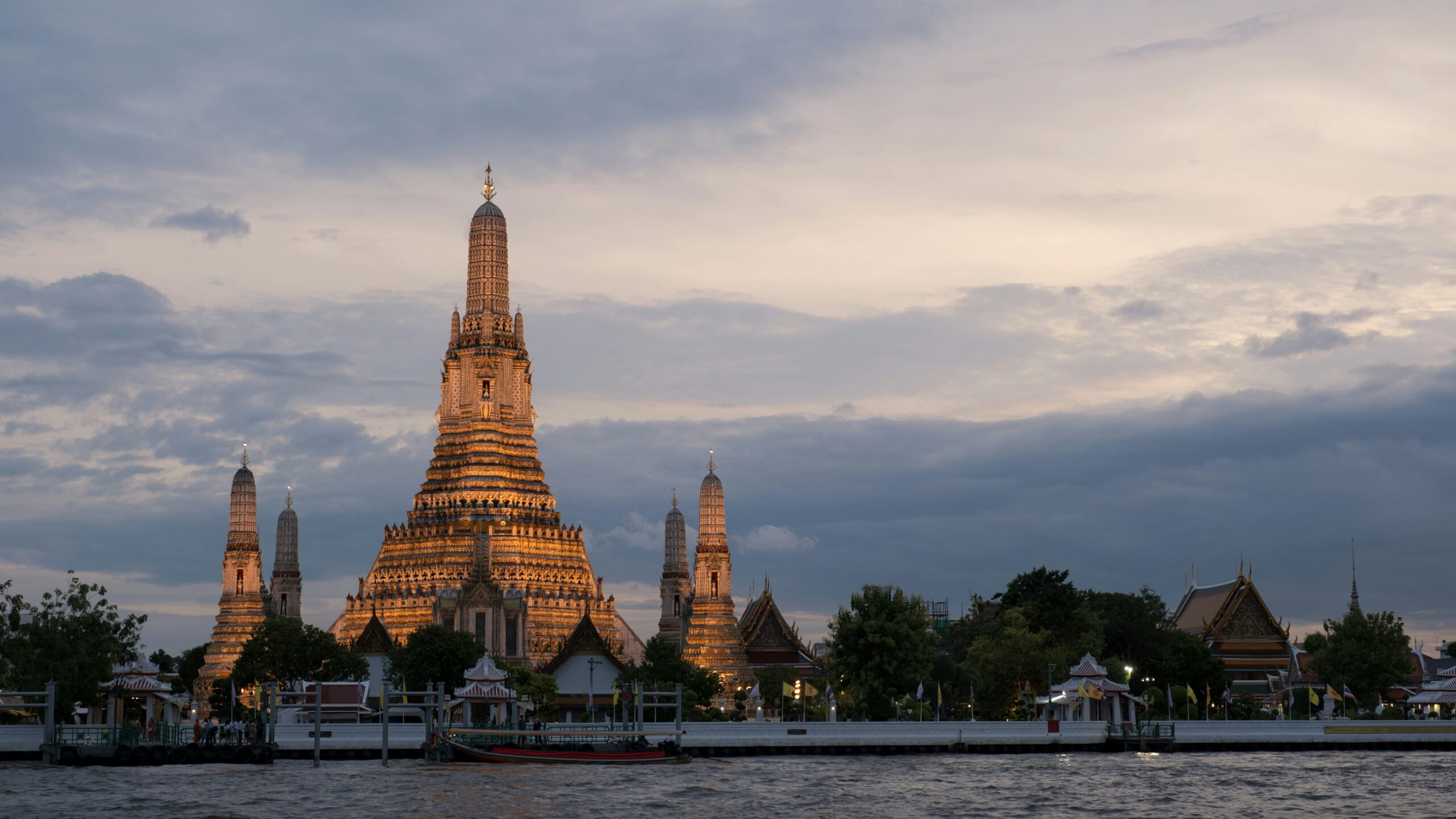
Wat Arun, widely celebrated as the Temple of Dawn, stands as an architectural marvel on the western banks of the Chao Phraya River, dominating the Bangkok skyline with its iconic 70-meter-tall central prang. Clad in intricate porcelain mosaics and steeped in deep Buddhist symbolism, this sacred site is far more than a photogenic landmark.
For travelers planning their 2026 itinerary, this Wat Arun Bangkok guide offers a cinematic bridge between Thailand’s royal history and its vibrant spiritual present, featuring the most breathtaking riverfront views in the city.
✅ Quick Summary: The Wat Arun Essentials
What It Feels Like: A Peer-to-Peer Perspective
“Imagine standing at the base of the spire as the afternoon sun hits the porcelain flowers. The entire temple begins to shimmer like a mountain of jewels rising from the water. There is a specific, quiet energy here that makes you forget the roar of the city just across the river.”
While the Grand Palace is grand and gilded, Wat Arun has an incredible ‘tactile’ beauty. When you get up close, you realize the entire structure is decorated with millions of tiny pieces of broken Chinese porcelain and seashells. Climbing the prang is a workout—the steps are notoriously steep—but once you’re at the top, the breeze from the Chao Phraya hits you, and you see the city’s pulse through the zigzagging boats below.
Detailed porcelain and shell mosaics on the Phra Prang, reflecting centuries of Thai-Chinese trade history.
Contextual Strategy: Ballast Turned into Belief
The history of Wat Arun is a fascinating tale of global exchange. Named after Aruna, the Indian God of Dawn, it symbolized the dawn of a new era when King Taksin established the capital in Thonburi. The architectural genius lies in its ‘skin’; the porcelain fragments were originally carried as ballast in Chinese trading ships.
What was essentially discarded weight became sacred art, creating a unique Khmer-influenced design adapted into a distinctly Thai expression. Today, in 2026, it remains an active place of worship where you can witness monks performing daily rituals amidst the awe-struck travelers. This Wat Arun Bangkok guide emphasizes that the temple is a living monument, not just a museum piece.
Wat Arun: Key Visitor Information (2026)
Strategic Analysis: Wat Arun vs. Wat Pho
Many travelers wonder if they should visit both. While they are just a ferry ride apart, the experiences are vastly different. Use this comparison to prioritize your time:
🦊 Insider Hacks: Expert Secrets
- The “Opposite Bank” Secret: The best view of Wat Arun isn’t at the temple itself. After your visit, ferry back to Tha Tien and find a rooftop bar (like Sala Rattanakosin) for a stunning sunset silhouette.
- Digital Payment: Use the GLN QR Payment system at stalls to avoid bulky coins. Check our GLN Guide for more.
- Safety Protocol: The steps are incredibly steep and can be slippery. Keep your hands free with a backpack and grip the railings firmly.
- Hydration Tip: Carry a refillable bottle. While vendors are nearby, the heat at the top of the prang is intense and there is little shade.
Step-by-Step Transit Simulation
- Take the BTS Skytrain to Saphan Taksin Station.
- Walk to Sathorn Pier and board the Chao Phraya Express Boat (Orange or Blue flag) to Tha Tien Pier (N8).
- Board the small cross-river ferry (approx. 5 THB) dropping you directly at the temple entrance.
- After exploring, return via the same ferry and walk 5 minutes to visit Wat Pho.
Explore More of Thailand:
Author Note: This guide was meticulously updated in February 2026 based on real-world travel research and the latest river transit schedules.