Ssanggyesa Temple in Hadong rests quietly within the emerald folds of Jirisan, South Korea’s most storied mountain range. Founded in the 8th century, this revered Buddhist temple is not merely a historical site—it is a living sanctuary where spirituality, nature, and centuries-old tradition continue to breathe in harmony.
Why Visit Ssanggyesa Temple in Hadong
Visiting Ssanggyesa Temple is an encounter with the spiritual heart of Korea. Surrounded by dense forests, flowing streams, and mist-covered peaks, the temple offers an atmosphere of deep calm rarely found elsewhere. Gentle monk chants, the scent of incense, and the rhythmic sound of temple bells create an immersive experience that transcends sightseeing.
Whether you seek quiet reflection, cultural understanding, or natural beauty, Ssanggyesa offers a rare balance between sacred heritage and the living landscape of Jirisan National Park.
Stepping Into Ssanggyesa Temple
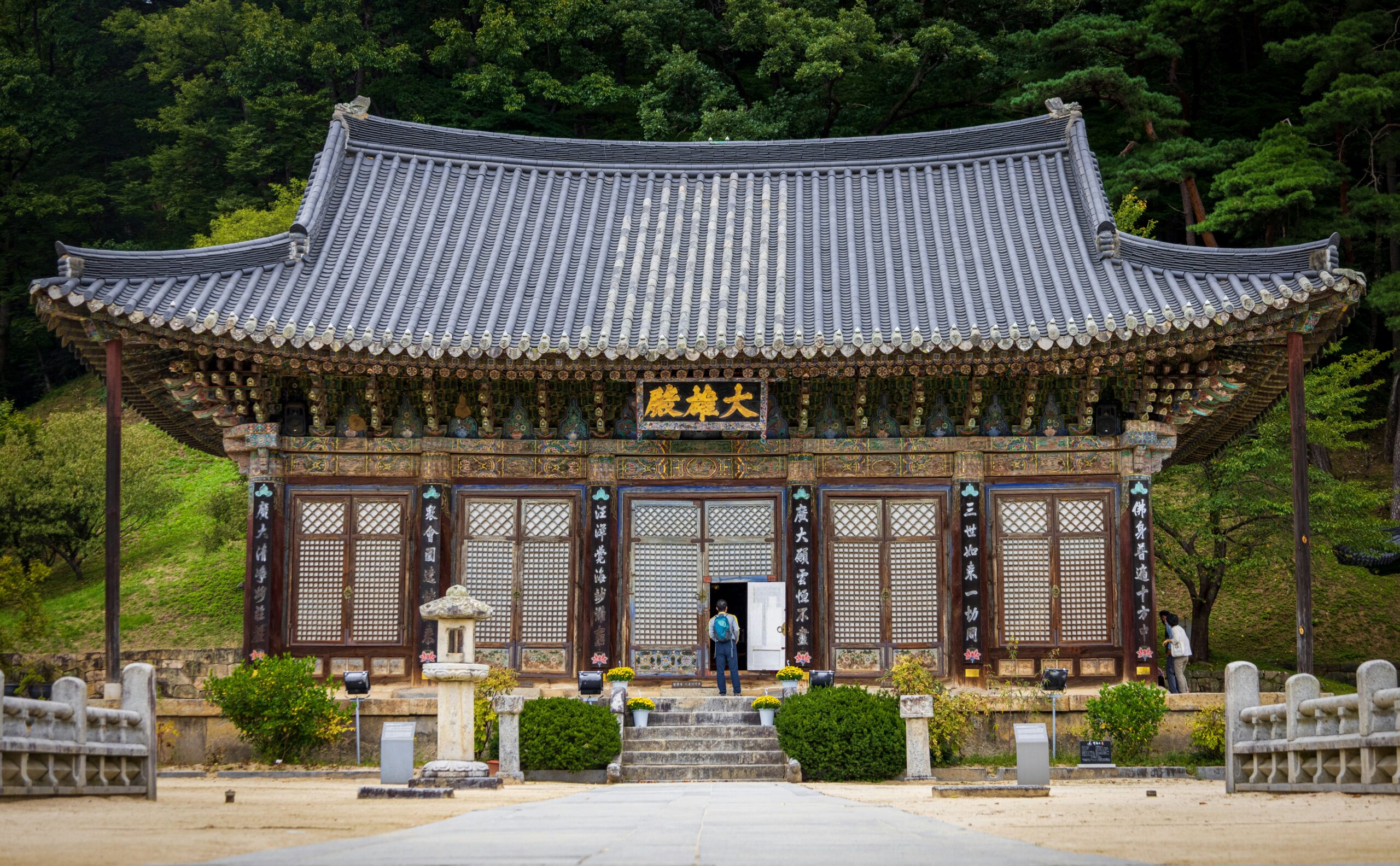
The journey begins by crossing a graceful stone bridge over the clear waters of the Gyeongho River. Beyond the temple gates, cherry trees, pine forests, and ancient pathways guide visitors inward. Each hall reveals intricate dancheong patterns, historic relics, and architectural forms shaped by devotion rather than grandeur.
Time moves differently here. Steps slow, breathing deepens, and the world beyond the mountains quietly fades away.
Essential Information
| Location | 300 Ssanggyesa-ro, Hwagae-myeon, Hadong-gun, Gyeongsangnam-do, South Korea |
|---|---|
| Established | 722 AD |
| Opening Hours | Sunrise to sunset (seasonal variation) |
| Admission | 3,000 KRW (adults), 1,500 KRW (youth), 1,000 KRW (children) |
| Accessibility | Partial wheelchair access |
| Best Season | Spring (cherry blossoms), Autumn (fall foliage) |
Cultural & Spiritual Experiences
Ssanggyesa Temple is renowned for its immersive temple stay programs. Visitors may participate in early morning chanting, Seon (Zen) meditation, tea ceremonies, and mindful monastic routines under the guidance of resident monks.
The surrounding tea fields—among the oldest in Korea—offer insight into Hadong’s celebrated green tea heritage. Historic structures such as Daeungjeon Hall, sacred pagodas, and Buddhist murals further deepen the cultural journey.
Seasonal Highlights
- Spring: Cherry blossoms lining the temple approach
- May: Hadong Wild Tea Cultural Festival
- Autumn: Brilliant maple foliage across Jirisan
- Buddha’s Birthday: Lantern ceremonies and rituals
How to Get There
From Seoul or Busan, travel by KTX or intercity bus to Jinju, then continue to Hadong by local bus. From Hadong Bus Terminal, taxis and buses connect to the temple entrance. The final approach winds through tea terraces and mountain valleys, making the journey itself part of the experience.
Nearby Attractions
- Hwagae Market: Traditional market known for wild tea and regional foods
- Jirisan Dulle-gil Trail: Scenic hiking route through forests and villages
Visitor Tips
- Dress modestly and observe temple etiquette
- Remove shoes before entering prayer halls
- Visit early morning or late afternoon for tranquility
- Book temple stays well in advance
What Makes Ssanggyesa Temple Unique
Ssanggyesa Temple stands apart as a place where faith is practiced, not displayed. Its integration with Jirisan’s natural rhythms, its deep connection to tea culture, and its uninterrupted spiritual lineage create an experience that feels authentic rather than curated.
For travelers seeking reflection, cultural depth, and quiet beauty, Ssanggyesa Temple in Hadong offers a journey that lingers long after the mountain paths are left behind.