In the pulsating heart of Seoul, a place exists where the living and the departed convene in an exquisite harmony of memory and ritual. Jongmyo Shrine, a UNESCO World Heritage Site, is not merely a collection of ancient wooden halls and stone courtyards; it is the spirit of Korea’s royal lineage, echoing centuries of Confucian devotion and ancestral veneration. To step into Jongmyo is to walk into a sacred narrative—one that weaves together solemnity, tradition, and the profound cultural DNA of a nation.
Why Visit Jongmyo Shrine
Jongmyo Shrine is more than an architectural marvel; it is the living heart of Korea’s intangible heritage. Here, the air hums with reverence as incense drifts through ancient corridors, carrying prayers and gratitude to the Joseon kings and queens. Visitors come not just to witness history, but to feel it—to be enveloped by the serenity and gravitas that have endured unbroken since the 14th century. Whether you are a seeker of culture, a lover of serene landscapes, or a pilgrim drawn to spiritual places, Jongmyo offers a rare communion with the past that is both grounding and uplifting.
Stepping into Jongmyo Shrine
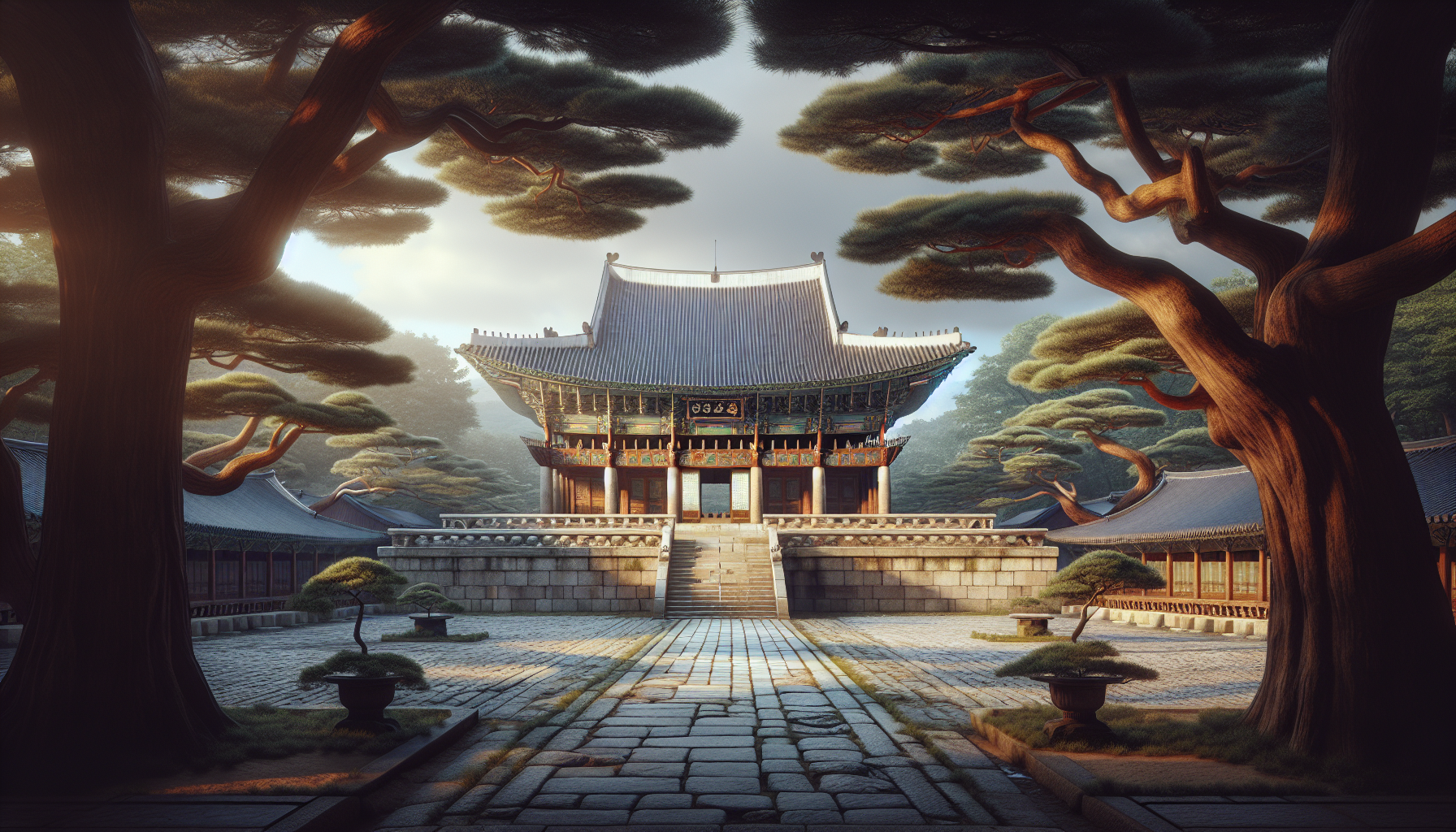
Crossing the threshold of Jongmyo Shrine, you are greeted by the stately Jeongjeon Hall, the world’s longest single wooden structure, housing the spirit tablets of Joseon’s monarchs. The layout, with its wide, open courtyards and restrained architectural beauty, subtly channels the Confucian virtues of simplicity and order. Stone paths lead you past centuries-old trees whose roots seem to grasp ancient secrets, while the quiet rustle of leaves overhead is interrupted only by the measured footfalls of ritual performers or the distant melody of a ceremonial song. Every element of Jongmyo’s design is intentional, reinforcing the sacred purpose of remembering and honoring the royal dead.
Key Information Table
| Aspect | Detail |
|---|---|
| Location | 157 Jong-ro, Jongno-gu, Seoul, South Korea |
| Official Website | https://english.cha.go.kr |
| Opening Hours | Tue-Sun: 9:00 AM – 6:00 PM (Closed Mondays) |
| Entry Fee | ₩1,000 (adults), ₩500 (children), free on the last Wednesday of each month |
| Guided Tours | Available in English at scheduled times |
| Nearest Metro | Jongno 3-ga Station (Lines 1, 3, 5) |
| Accessibility | Wheelchair accessible, with some uneven stone paths |
| Contact | +82-2-765-0195 |
Immersive Cultural Experiences
Jongmyo Shrine is not a static relic—it is a living stage for Korea’s most sacred Confucian rituals. The Jongmyo Jerye, a royal ancestral rite performed with music (Jeryeak) and dance, is a mesmerizing spectacle recognized by UNESCO as an Intangible Cultural Heritage. Attending this ceremony, held annually in May, is to witness a centuries-old practice unfurl in all its solemn splendor: robed musicians play stately melodies on traditional instruments, dancers move with dignified precision, and the air shivers with a sense of continuity that bridges the ancient and the modern. Even outside of ritual days, the shrine’s tranquil atmosphere invites introspection, meditation, and a deeper understanding of Korea’s reverence for lineage and legacy.
Seasonal Festivals and Special Events
The highlight of Jongmyo’s cultural calendar is the Jongmyo Daeje, the grand annual ancestral rite. Every spring, the shrine comes alive as descendants of the royal family, Confucian scholars, and performers gather to honor the spirits of Joseon’s kings and queens. The ceremony is a tapestry of sound and motion—solemn processions, haunting chants, and the resonant thrum of ceremonial drums. Beyond this, smaller musical performances and cultural lectures occur throughout the year, offering visitors a chance to engage with Korea’s living traditions in an authentic, immersive setting.
Google Map
How to Get There
Reaching Jongmyo Shrine is effortless, thanks to its central location in Seoul. Take Seoul Subway Line 1, 3, or 5 to Jongno 3-ga Station and use Exit 11; from there, it’s a tranquil five-minute walk through the bustling Jongno district. For those arriving from elsewhere in Seoul, numerous city buses stop near the shrine’s main gate. The area is easily accessible for both solo travelers and families, with clear signage in English and a welcoming visitor center ready to assist with maps and information.
Nearby Attractions and Local Eats
Changgyeonggung Palace: An elegant Joseon-era palace adjacent to Jongmyo, featuring beautiful gardens, historical halls, and tranquil ponds.
Essential Travel Tips
To truly appreciate Jongmyo Shrine’s serene atmosphere, visit early in the morning or late in the afternoon, when crowds are thinner and the light is golden. Dress modestly and speak quietly, honoring the shrine’s sacred character. Guided tours are highly recommended for deeper insights into the site’s history and rituals. Be mindful that some areas may be restricted during ceremonies. Photography is allowed in most outdoor areas but prohibited inside certain buildings—always check local signage. Lastly, combine your visit with a stroll through nearby Insadong for a complete immersion in Seoul’s cultural tapestry.
What Makes This Destination Unique
Jongmyo Shrine stands unrivaled as the oldest royal Confucian shrine preserved in its original form. Its aura of solemnity is palpable: here, the line between past and present blurs, and visitors become participants in a living tradition. The annual ancestral rites, the haunting music, and the quiet dignity of the halls evoke a sense of belonging to something greater—a lineage that transcends time. In a city famed for its ceaseless energy, Jongmyo offers a sanctuary of reflection, inviting all who enter to pause, listen, and connect with the silent wisdom of ages past. The experience lingers long after you leave, a gentle reminder of the enduring power of memory and reverence.