Jeju Folk Village Museum Guide: What It Feels Like, Shows, Tickets, and the Best Route
Jeju Folk Village Museum isn’t a “look-and-leave” museum. It’s a full village you walk through—stone paths, thatched roofs, working crafts, and performances that make Jeju’s old rhythms feel close enough to touch. If you want a Jeju day that’s not just beaches and cafés, this is the place where the island’s identity finally makes sense.
- Best for: first-time Jeju travelers who want “real Jeju” culture in 2–3 hours.
- Don’t miss: village lanes + craft demos + scheduled folk performances.
- Timing: arrive near opening for quiet photos; late afternoon for warmer light.
- Logistics: easy pair with Pyoseon Beach; car/taxi is simplest on this coast.
- Vibe: calm, immersive, surprisingly emotional—more “living memory” than exhibit.
You’re here to decide if Jeju Folk Village Museum is worth your time and how to visit smoothly. This guide covers what it feels like on the ground, the best mini-route inside, tickets & hours, show timing strategy, nearby pairings, and practical tips for a stress-free visit.
Key Info at a Glance
Note: hours/prices can change seasonally—double-check right before you go using the official site and Korea Tourism info.
What It Feels Like (Real Visit Mood)
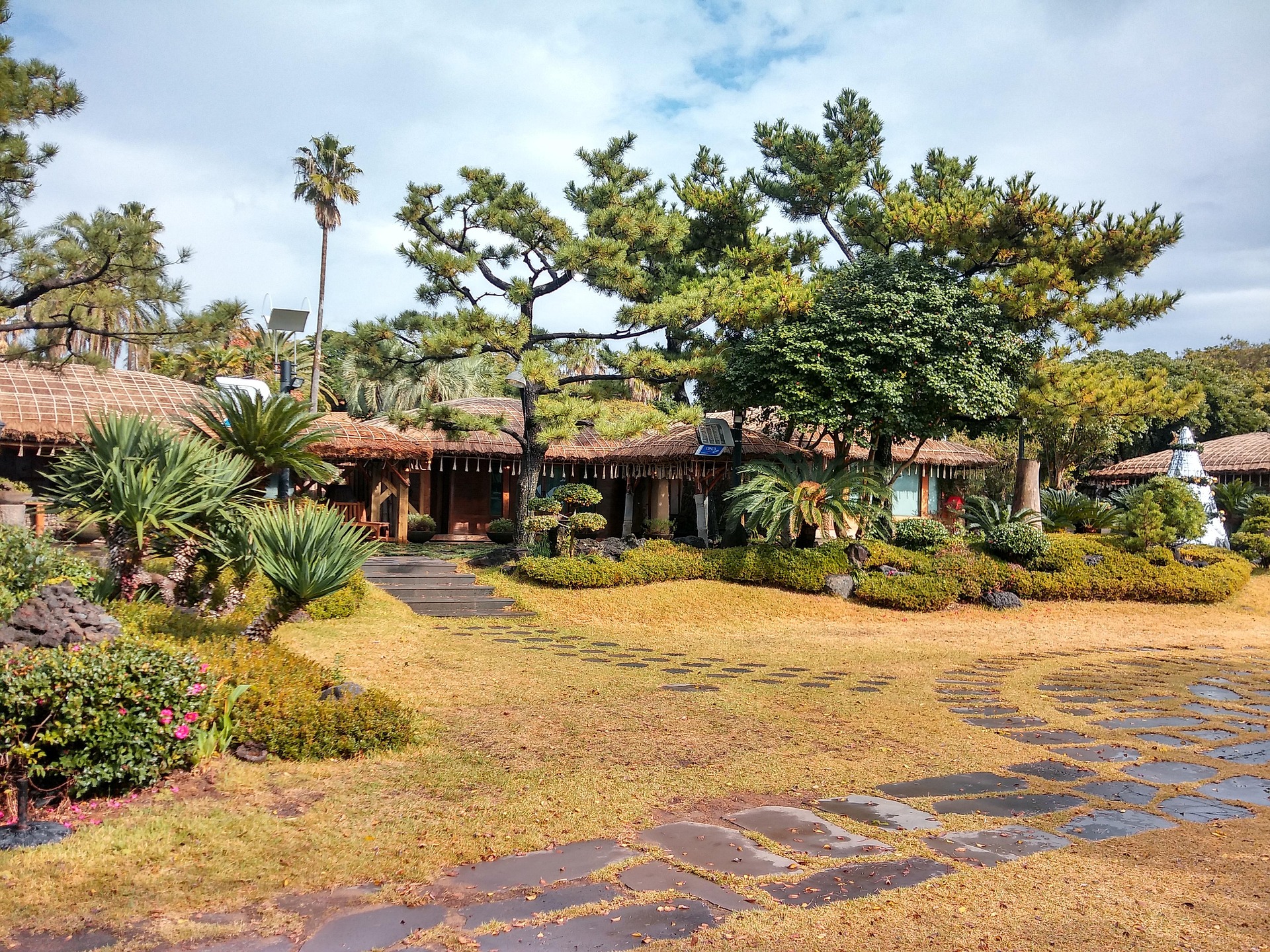
The first thing you notice is the soundscape: gravel under your shoes, wind pressing into the straw roofs, and small pockets of quiet that don’t exist in Jeju City. You’re not reading labels—you’re drifting through lanes that feel functional, like people could still be living there.
A good visit here has a rhythm. You pause at a courtyard because smoke (or the idea of smoke) seems like it should be rising. You step into a room and instantly understand how cold winters must have felt. And then you look up—Jeju light, Jeju sky, and this weird sense that the island is telling you its story without trying too hard.
If you’re traveling with parents or kids, this is one of those rare places where everyone “gets it”. Adults feel the history. Kids feel the village. And you leave with a clearer picture of Jeju beyond the highlight reels.
The Best 2–3 Hour Route Inside (Easy + Photogenic)
- Village lanes warm-up (20–30 min): walk slow, shoot wide photos early before crowds.
- Traditional homes + tools (35–50 min): peek inside for daily-life details (kitchens, storage, farming gear).
- Craft area & demos (25–40 min): watch the hands-on work; it’s the “this is real” moment.
- Performance timing (30–45 min): plan your loop to arrive just before a show window.
- Final slow lane + exit (15–25 min): repeat your favorite lane once—second pass is always better.
The route works because it matches how your attention changes. Early on you want big visuals. Mid-visit you want human detail. Late visit you want a “final scene” to anchor the memory.
If you only have 90 minutes, skip deep reading and focus on: lanes → 2–3 key houses → craft demo → one performance. You’ll still leave satisfied.

Why This Museum Hits Different (Jeju Context)
Jeju is often sold as nature: beaches, cliffs, hikes, cafés. But Jeju’s identity was also forged by distance and self-reliance. The island’s weather is moody, the wind is constant, and people built practical architecture around that reality—stone walls, low profiles, and thick roofs designed to survive.
That’s what makes Jeju Folk Village Museum feel more than decorative. You’re walking through solutions—how people cooked, stored food, worked, and endured. It adds depth to the island: the scenery becomes more meaningful after you understand the life that developed inside it.
For travelers who want a “Jeju story,” this is the chapter that makes the rest of your itinerary feel connected instead of random.
Performances, Demos, and Seasonal Moments
The museum becomes memorable when you catch a live performance or a craft demo at the right time. Even if you don’t understand every element, the rhythm and energy translate instantly. It turns the village from “pretty” into “alive.”
- Folk performances: best when you arrive 10 minutes early—front spots fill fast.
- Craft demonstrations: watch for the small details (tools, pacing, technique) that you never see in modern life.
- Seasonal vibe: spring and autumn are the sweet spot—comfortable walking and softer light for photos.
Show schedules can shift due to weather and staffing. If performances are a priority, confirm on arrival or check official updates before visiting.
A vs B: Jeju Folk Village Museum vs “Just Another Museum Day”
| Decision | Choose Jeju Folk Village Museum if… | Choose an indoor museum if… |
|---|---|---|
| Weather | you have a clear / mild day and want outdoor immersion | it’s heavy rain or strong wind and you want fully indoor comfort |
| Photography | you want lanes, roofs, textures, and “Jeju mood” shots | you prefer exhibits, artifacts, and controlled lighting |
| Family fit | you need space for kids to walk and explore | you need seating-heavy, short-walk viewing |
| Takeaway | you want to feel Jeju’s history with your body, not just your eyes | you want a faster, less walking-intensive culture stop |
How to Get There (Simple Planning)
The museum is in Pyoseon (Seogwipo side), so travel time depends on where you’re staying. In practice, these are the smooth options:
- Rental car: easiest for Pyoseon + nearby beach pairing (best overall).
- Taxi: convenient if you’re doing a single cultural stop and want minimal planning.
- Bus: workable, but allow buffer time—this coast is calmer, not “city-fast.”
If your day is tight, avoid stacking too many “far east + far west” Jeju stops. Pyoseon days are best when you keep the route local and slow.
What to Pair Nearby (So the Day Feels Complete)
The best Jeju days feel like a story: culture → coast → a calm meal. Around Pyoseon, a simple pairing plan works beautifully:
- Pyoseon Beach: a gentle coastline reset after your village walk.
- Easy café stop: reward yourself—this is Jeju, it’s basically law.
- Short sunset drive: if weather is good, end your day with light, not errands.
Wear shoes with grip. The stone paths look harmless but can feel slick after rain. If you’re shooting photos, a microfiber cloth is gold—Jeju wind + sea air = quick lens haze.
Don’t rush straight to “the main show” and skip the lanes. The lanes are the experience. Give yourself at least one slow loop before you chase schedules.
My Honest Take: Who Will Love This (and Who Won’t)
I recommend Jeju Folk Village Museum if you want an experience that’s quietly powerful. It’s not adrenaline, not flashy—more like stepping into a slower Jeju that still exists under the modern one.
- You’ll love it if: you enjoy walking, textures, history-in-place, and cultural performances.
- You might skip if: you hate outdoor walking, only want “iconic photo spots,” or your group needs minimal stairs.
- First-timer priority: if this is your first Jeju trip, this museum explains the island better than another café stop.
- Arriving too late and feeling rushed (plan for at least 2 hours).
- Skipping performances/demos (they turn “pretty” into “alive”).
- Trying to pair Pyoseon with a far-away Jeju hotspot on the same day.
Quick Checklist Before You Go
- Confirm hours + last admission (seasonal updates happen).
- Comfortable shoes + light jacket (Jeju wind can surprise you).
- Leave a little buffer time for performances/demos.
- If pairing with the beach, pack a small towel and extra layer.
FAQ
How long should I plan for Jeju Folk Village Museum?
Is it worth it if I’m already visiting other Jeju attractions?
What are the typical opening hours and last admission?
How much is admission?
Is it good for kids?
Where can I verify official updates?
Related Trip-Nexus Reads (Plan Your Jeju Route)
Official Resources
- Jeju Folk Village Museum — Official Website
- Korea Tourism Organization — Official Travel Info
- Visit Jeju — Jeju Tourism Organization
The core visiting info above aligns with Korea Tourism listings; confirm day-of for changes.
Next Step: Build a Calm Jeju Day (Not a Rushed Checklist)
If you want Jeju to feel like a story, do culture first (Jeju Folk Village Museum) and end with something soft (beach, café, sunset drive). Your photos will be better—and you’ll actually remember the day.