Jeju Folk Village Museum: Korea’s Living Heritage Walk (2026 Guide)
If you want Jeju’s “old island life” without guessing where to go or what to watch, Jeju Folk Village Museum is the cleanest, most photogenic shortcut: stone lanes, thatched roofs, hands-on workshops, and performance time slots that actually shape your day.
Search Intent (Why You’re Here)
- Confirm if Jeju Folk Village Museum is worth it vs. Seongeup Folk Village.
- Get the best route inside (photos + shows + workshops) without wasting time.
- Check tickets & opening hours with a practical 2026 plan.
- Learn tram + timing hacks for families, seniors, and tight schedules.
🏆 Quick Summary (Read This First)
- Best for: First-time Jeju visitors, families, and anyone who wants “traditional Jeju” in one clean loop.
- Time needed: 2–3 hours (add 30–60 min if you do workshops or Hanbok photos).
- Best timing: Arrive early for calm lanes + soft light; then align your route to performance times.
- Must-do: Walk the stone-wall lanes + pick one hands-on activity (rice cake / craft / Hanbok).
- Reality check: It’s an open-air museum (not a “real village”), so your experience depends on timing.
What It Feels Like
The first impression is surprisingly sensory: dry straw in the air, basalt stone underfoot, and narrow lanes that force you to slow down.
Even if you’ve seen “traditional houses” elsewhere in Korea, this place feels different because Jeju’s architecture was built for wind, salt, and typhoons.
You’ll notice the thick stone walls, the low silhouettes, and the roof patterns designed to stay put when weather turns.
The best visits feel like a story: you start with the broad overview, then “zoom in” on details—kitchen tools, fishing gear, shamanic symbols—until it clicks that Jeju wasn’t just rural, it was resilient.
Cultural Context: Why This Museum Works
Jeju Folk Village Museum is curated like a reconstruction of late-19th-century island life—farming, fishing, and spiritual practice woven together.
Look for the details that scream “Jeju”: wind-proof structures, practical courtyard layouts, and tools that match the occupation of each home.
If you take 5 minutes to read the house labels instead of rushing, the museum stops being “pretty” and starts being meaningful.
A Simple 2–3 Hour Route (No Regrets)
✅ Tip Box: Timing That Makes This Place Feel “Alive”
- Arrive early: The lanes look best before tour groups cluster. Your photos will look 2x calmer.
- Pick 1–2 “anchor moments”: one show + one hands-on activity, then build the walk around them.
- If you’re with kids/seniors: use the tram for the overview first, then do a shorter walking loop.
⚠️ Warning Box: Common Visitor Mistakes
- Wrong shoes: gravel + dirt paths = sneakers win. Flat sandals will ruin your mood fast.
- Skipping the schedule: without timing, it can feel “static.” Check show/workshop times first.
- Underestimating wind: Jeju breezes can cut through. Bring a light layer even on a nice day.
A vs B: Jeju Folk Village Museum vs Seongeup Folk Village

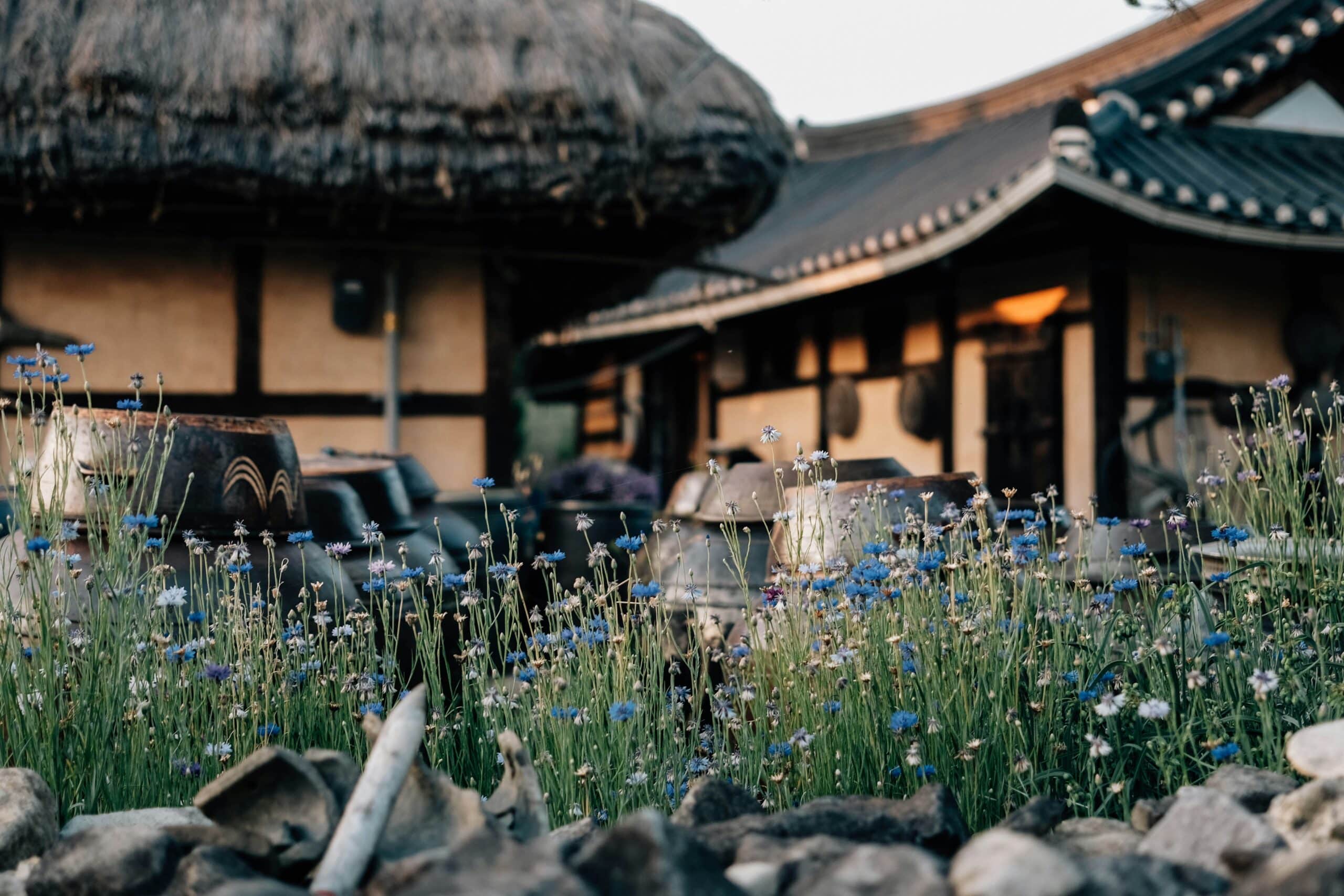
Traditional thatched-roof homes and basalt stone lanes—this is the “Jeju look” that photos can’t fake.
Official Resources & Helpful Links
- Official Museum Site: jejufolk.com
- Official Jeju Tourism: visitjeju.net
- National Authority (KTO): Korea Tourism Organization
Internal Links (Keep Exploring)
- Island Nature: Gapado Island (Barley Fields & Cycling)
- Seogwipo Route: Cheonjeyeon Waterfall (Best Route & Tips)
- Stay Connected: Best International eSIM Providers (2026)
Google Map (Bottom Only)
Next Step
If you’re building a Seogwipo day, pair this museum with a nature stop (waterfall) and one “slow island” highlight (Gapado). That combo feels balanced: culture → scenery → breeze.