Nestled on the enchanting island of Jeju, the Jeju Folk Village Museum stands as a vibrant tapestry of Korea’s storied past. This remarkable destination invites travelers to step into a world where time seems to pause, and the rhythms of traditional island life echo through every thatched-roof home, stone wall, and winding pathway. The Jeju Folk Village Museum is more than a collection of buildings—it is a living chronicle of the customs, artistry, and resilience that have shaped Jeju’s unique identity for centuries.
Why Visit Jeju Folk Village Museum
For those with a passion for cultural discovery, the Jeju Folk Village Museum is a must-visit. It offers an authentic window into the lives of Jeju’s ancestors, preserving not only architecture but also the very soul of the island. Every corner of the museum breathes with stories of survival against the wind, the sea, and the volcanic land. Visitors are swept into a world of earthen houses, black lava fences, and traditions that have endured the test of time. The museum’s immersive atmosphere makes it a haven for anyone seeking to experience the living heartbeat of Jeju’s heritage.
Stepping into Jeju Folk Village Museum
As you step through the gates of the Jeju Folk Village Museum, a sense of anticipation fills the air. The scent of the earth mingles with the salty breeze, and the sound of distant folk music calls you further in. The museum is meticulously arranged to recreate various aspects of village life—from rural households and fishing hamlets to shamanistic shrines and bustling marketplaces. Each structure is furnished with original artifacts, tools, and household goods, transporting visitors back to the late 19th century. The attention to detail is breathtaking: straw mats, clay ovens, and handmade farming implements speak volumes about the daily life and ingenuity of Jeju’s people.
Key Information Table
| Feature | Details |
|---|---|
| Location | 631-34, Minsokhaean-ro, Pyoseon-myeon, Seogwipo-si, Jeju-do, South Korea |
| Official Website | https://www.jeju.go.kr |
| Opening Hours | 08:30–18:00 (March–October), 08:30–17:00 (November–February) |
| Admission Fee | Adults: 11,000 KRW, Children: 8,000 KRW |
| Best Time to Visit | Spring and autumn for mild weather and vibrant village scenes |
| Contact | +82-64-787-4501 |
| Accessibility | Wheelchair accessible paths and facilities |
| Parking | Available on site |
| Public Transport | Accessible via local buses from Jeju City and Seogwipo |
Immersive Cultural Experiences
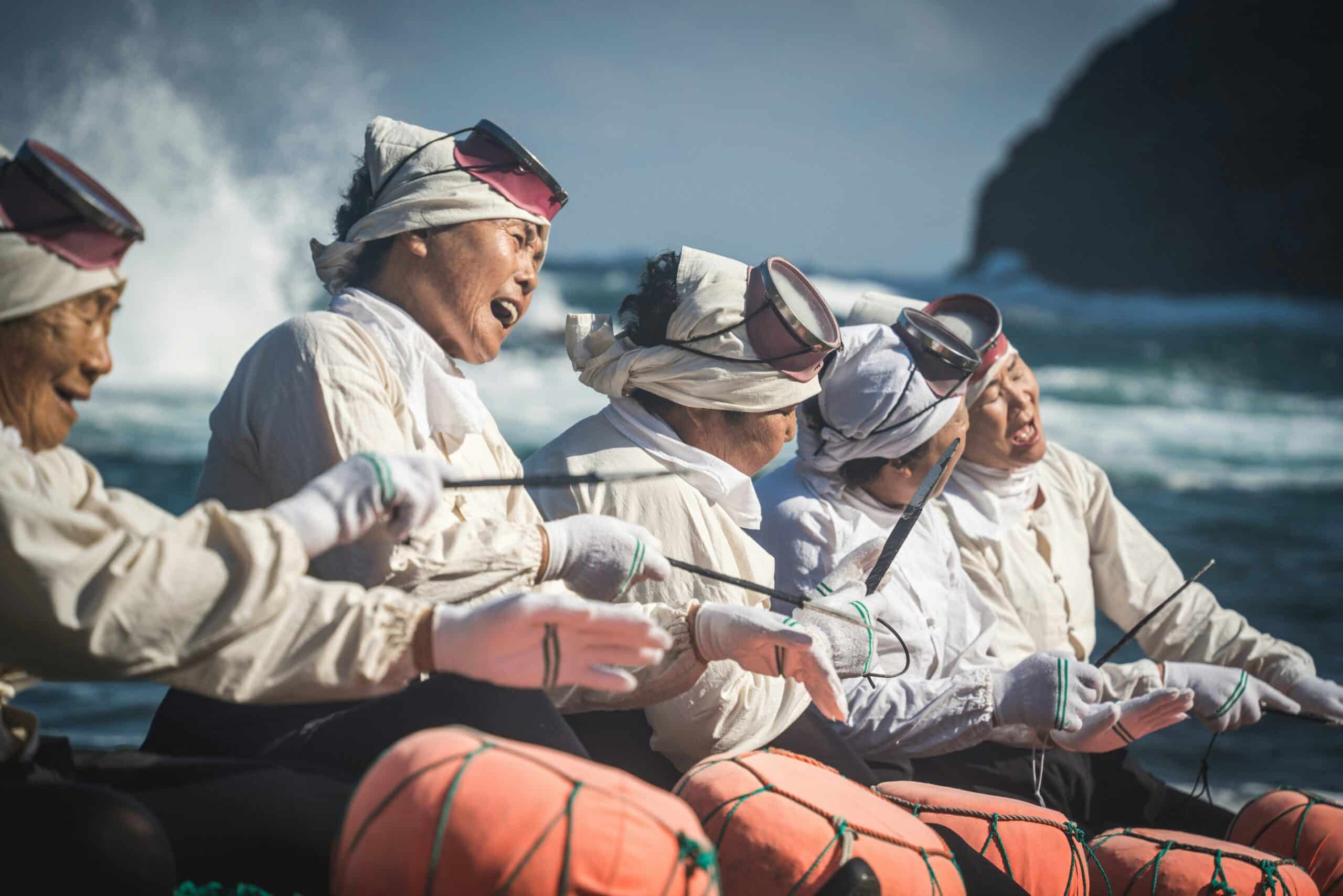
The Jeju Folk Village Museum is not merely a place to observe—it is a vibrant space for participation. Throughout the year, the museum brings Jeju’s intangible heritage to life through hands-on experiences. Visitors can watch artisans crafting traditional earthenware, weaving straw mats, or performing Jeju’s distinctive folk music and dance. The air rings with the melody of the haenyeo, Jeju’s legendary women divers, whose strength and song are celebrated in captivating performances. Children and adults alike are invited to try their hand at making rice cakes, spinning wool, or even donning hanbok, the traditional Korean dress. The museum transforms learning into joyful celebration, fostering a deep connection with Jeju’s living traditions.
Seasonal Festivals and Special Events
Every season at the Jeju Folk Village Museum unveils a new facet of island life. In spring, the village bursts into color with cherry blossoms and vibrant folk festivities. Summer brings the sounds of traditional games and lively markets, where local artisans sell handmade crafts and island delicacies. Autumn is marked by harvest celebrations—fields of golden grains and sweet persimmons set the scene for ancestral rites and thanksgiving feasts. Even in winter, the museum glows with warmth as villagers reenact traditional New Year’s rituals, lighting lanterns and sharing tales beside crackling fires. Each festival is a joyous immersion into the communal spirit and resilience that define Jeju culture.
Google Map (NEW – fixed 6th position)
How to Get There
The Jeju Folk Village Museum is easily accessible from both Jeju City and Seogwipo. By car, the scenic drive along Jeju’s southeastern coast provides glimpses of the island’s dramatic cliffs and tranquil farmlands. Public buses run frequently from major terminals, delivering visitors to the museum’s entrance in under an hour. For those seeking a more immersive journey, cycling along the coastal roads offers breathtaking views and a closer connection to Jeju’s natural splendor.
Nearby Attractions and Local Eats
Pyoseon Beach: A tranquil stretch of golden sand and gentle tides, perfect for swimming and sunset walks.
Seongeup Folk Village: A living heritage village where traditional Jeju homes and community life are still preserved today.
Essential Travel Tips
To fully appreciate the Jeju Folk Village Museum, plan to spend at least half a day exploring its grounds. Comfortable walking shoes are a must, as the village is expansive and best experienced on foot. Guided tours are available in English, Korean, Japanese, and Chinese, offering deeper insights into Jeju’s history and unique customs. Don’t forget your camera—every corner presents a new scene of rustic beauty, from weathered stone statues to fragrant herb gardens. For the best experience, arrive early in the day to enjoy the tranquil morning atmosphere before the crowds gather.

What Makes This Destination Unique
The Jeju Folk Village Museum is a rare sanctuary where the echoes of history are alive and vibrant. Its authenticity is unmatched—the structures are not replicas but original homes, relocated and restored with meticulous care. The stories of Jeju’s fishermen, farmers, shamans, and haenyeo are woven into every wall and artifact. The museum’s coastal setting, surrounded by the island’s volcanic beauty, enhances the sense of stepping into another world. Here, visitors are not passive observers but honored guests, invited to partake in the ongoing story of Jeju’s people. The Jeju Folk Village Museum is a living testament to the island’s enduring spirit, creativity, and communal heart.
Related Posts
- City Tourism Website
- Attraction Official Website
- Country Tourism Board
- Regional Tourism Office
- Destination Official Homepage
In a world that moves ever faster, the Jeju Folk Village Museum offers a rare invitation to slow down, to listen, and to remember. It reminds us that heritage is not only preserved in stones and artifacts, but in the songs, stories, and shared moments that connect us across generations. Walking these ancient paths, visitors find themselves woven into the living fabric of Jeju—an island where the spirit of community, tradition, and resilience continues to shine with undiminished light.