Nestled amidst the tranquil hills of Gimhae, Bongha Village stands as a testament to the enduring spirit and transformative journey of modern Korea. Known nationwide as the hometown of former President Roh Moo-hyun, this unpretentious rural enclave has evolved into a symbol of hope, democracy, and grassroot resilience. For travelers seeking a meaningful destination that weaves together heritage, landscape, and living memory, Bongha Village is a rare gem—one that invites exploration beyond the surface, promising both reflection and inspiration.
Why Visit Bongha Village
To step into Bongha Village is to walk through the intertwined story of a nation and an individual whose vision left an indelible mark on contemporary Korea. The village is not only a site of pilgrimage for those honoring the late president’s legacy; it is also a celebration of Korea’s rural roots and the unyielding tenacity of its people. Bongha’s peaceful scenery, vibrant community projects, and poignant memorials beckon travelers who yearn to experience authentic local life while connecting with a chapter of recent Korean history that continues to shape the country’s conscience.
Stepping into Bongha Village
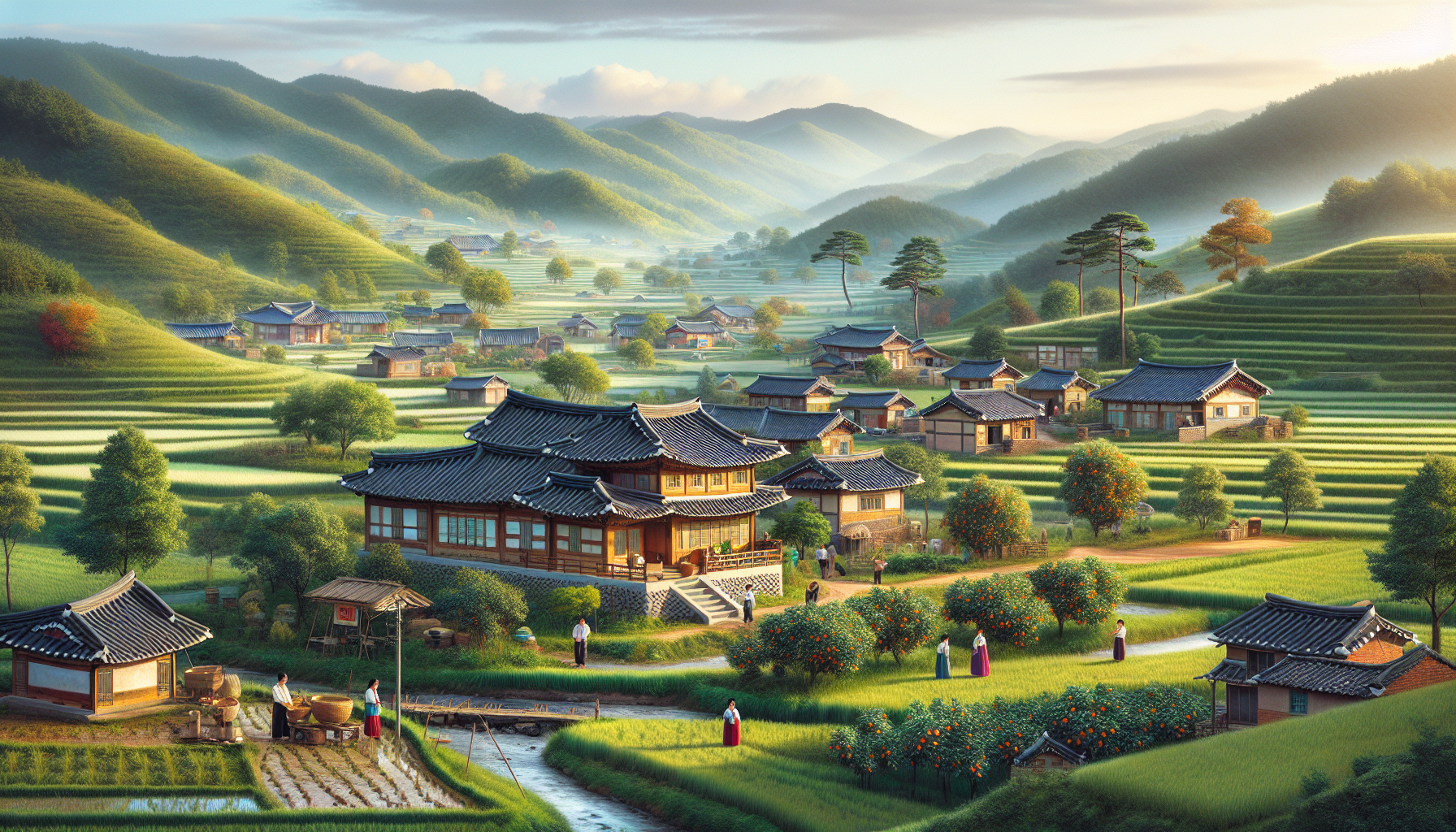
As you enter Bongha Village, you are greeted by soft rolling fields, the gentle hum of daily life, and a palpable sense of reverence. Simple farmhouses dot the landscape, their tiled roofs peeking through groves of persimmon and ginkgo trees. The village’s heart is unmistakably the former residence and tomb of President Roh Moo-hyun, surrounded by well-tended gardens and gently flowing streams. Pathways meander around rice paddies and communal spaces, inviting visitors to pause, reflect, and engage with local artisans, farmers, and activists who carry forward the values of participatory democracy and mutual aid.
Key Information Table
| Category | Details |
|---|---|
| Location | Bongha Village, Jinyeong-eup, Gimhae-si, Gyeongsangnam-do, South Korea |
| Official Tourism Site | https://english.gyeongnam.go.kr |
| Opening Hours | Open year-round, most sites 09:00–18:00 |
| Admission | Free (some memorial areas may have suggested donations) |
| Address | 24, Bonghama-ro, Jinyeong-eup, Gimhae-si, Gyeongsangnam-do |
| Contact | +82-55-345-1001 |
| Accessibility | Partial wheelchair access; assistance recommended for some pathways |
| Parking | Available; free public lots |
Immersive Cultural Experiences
Bongha Village invites visitors to move beyond sightseeing and partake in its living culture. Guided tours of the Roh Moo-hyun Memorial Hall recount the former president’s journey from humble beginnings to the Blue House, offering a moving perspective on Korea’s modern political history. Local workshops teach traditional farming methods and craft-making, where you can try your hand at rice planting or persimmon drying alongside village elders. The spirit of solidarity is felt in the community-run cafes and co-ops, where every cup of fragrant tea or bowl of rice supports ongoing village initiatives. Interactive exhibitions, documentary screenings, and frequent public discussions ensure that every visit to Bongha is unique, personal, and unforgettable.
Seasonal Festivals and Special Events
Throughout the year, Bongha Village pulses with commemorative and cultural events. The anniversary of Roh Moo-hyun’s passing in May draws thousands for a day of remembrance, speeches, and cultural performances. Autumn brings the Persimmon Harvest Festival, where the golden-orange fruit is celebrated with tastings, artisan markets, and folk music under the crisp sky. In spring, the village blooms with cherry blossoms, inspiring poetry readings and open-air concerts. These gatherings are not mere spectacles—they are acts of community, rituals of remembrance, and joyful affirmations of the village’s enduring vitality.
Google Map
How to Get There
Bongha Village is easily accessible from Gimhae and Busan. From Gimhae Intercity Bus Terminal, take a local bus to Jinyeong-eup, then transfer to Bongha Village—local taxis and shuttle buses also serve this route, especially during weekends and commemorative events. From Busan, a direct train to Jinyeong Station followed by a short taxi ride makes for a scenic and convenient journey. For those traveling by car, well-marked highways provide direct access, and ample parking is available near the village entrance.
Nearby Attractions and Local Eats
Gimhae National Museum: Explore the rich heritage of the Gaya Kingdom through remarkable artifacts and immersive exhibits, just a short drive from Bongha Village.
Clayarch Gimhae Museum: Discover Korea’s innovative ceramics and architectural art in this striking modern museum, celebrated for its hands-on workshops and family-friendly galleries.
Essential Travel Tips
When visiting Bongha Village, wear comfortable footwear for exploring its gently sloping paths and fields. The memorial areas are tranquil and respectful environments; modest attire is recommended. While the main sites offer English-language signage, joining a local tour guide deepens the experience and unveils personal stories often missed by solo travelers. Don’t miss sampling regional Gimhae specialties—such as persimmon-based snacks and hearty rice dishes—at village-run eateries. If visiting during major commemorative events, arrive early to secure parking and to participate fully in the communal atmosphere. Lastly, remember that Bongha is a living village—support its future by engaging with local artisans and contributing to community-led projects.
What Makes This Destination Unique
What sets Bongha Village apart is its seamless blending of past and present, memory and action. The village is at once a place of quiet rural beauty and a crucible for Korea’s ongoing democratic evolution. Every corner resonates with the ideals of equality, justice, and participatory community, championed by its most famous son. Yet beyond the memorials and monuments, it is the daily life of Bongha—the laughter of children in the fields, the shared meals at communal tables, and the unwavering hospitality of its residents—that leaves an indelible impression. For travelers, Bongha offers not just a window into Korea’s history, but a living lesson in the power of hope, resilience, and collective memory.