In the heart of Tokyo’s bustling metropolis, where neon lights flash and the rhythm of daily life pulses ceaselessly, lies a sanctuary of timeless tranquility—Meiji Jingu. This revered Shinto shrine, nestled within a vast, ancient forest, beckons travelers and locals alike to step beyond the urban roar and discover a spiritual world imbued with history, ritual, and natural majesty. Meiji Jingu is not just an emblem of tradition; it is a living testament to Japan’s harmonious balance between progress and reverence for its heritage—a place where the soul of Tokyo reveals itself in every whispering leaf and sacred path.
Why Visit Meiji Jingu
For those seeking more than surface-level sightseeing, Meiji Jingu offers a transformative journey into the spiritual heart of Japan. Whether you are drawn by the lush groves of towering trees, the serenity of the shrine’s architecture, or the immersive customs that unfold daily, a visit promises moments of profound calm and inspiration. This is a site where the senses awaken: the scent of cedar, the gentle crunch of gravel underfoot, and the distant sound of ritualistic chanting create an atmosphere that is both grounding and uplifting. Meiji Jingu is a tapestry woven from centuries of belief, devotion, and nature’s silent grandeur—a must-visit for anyone yearning to experience Tokyo’s deeper layers.
Stepping into Meiji Jingu
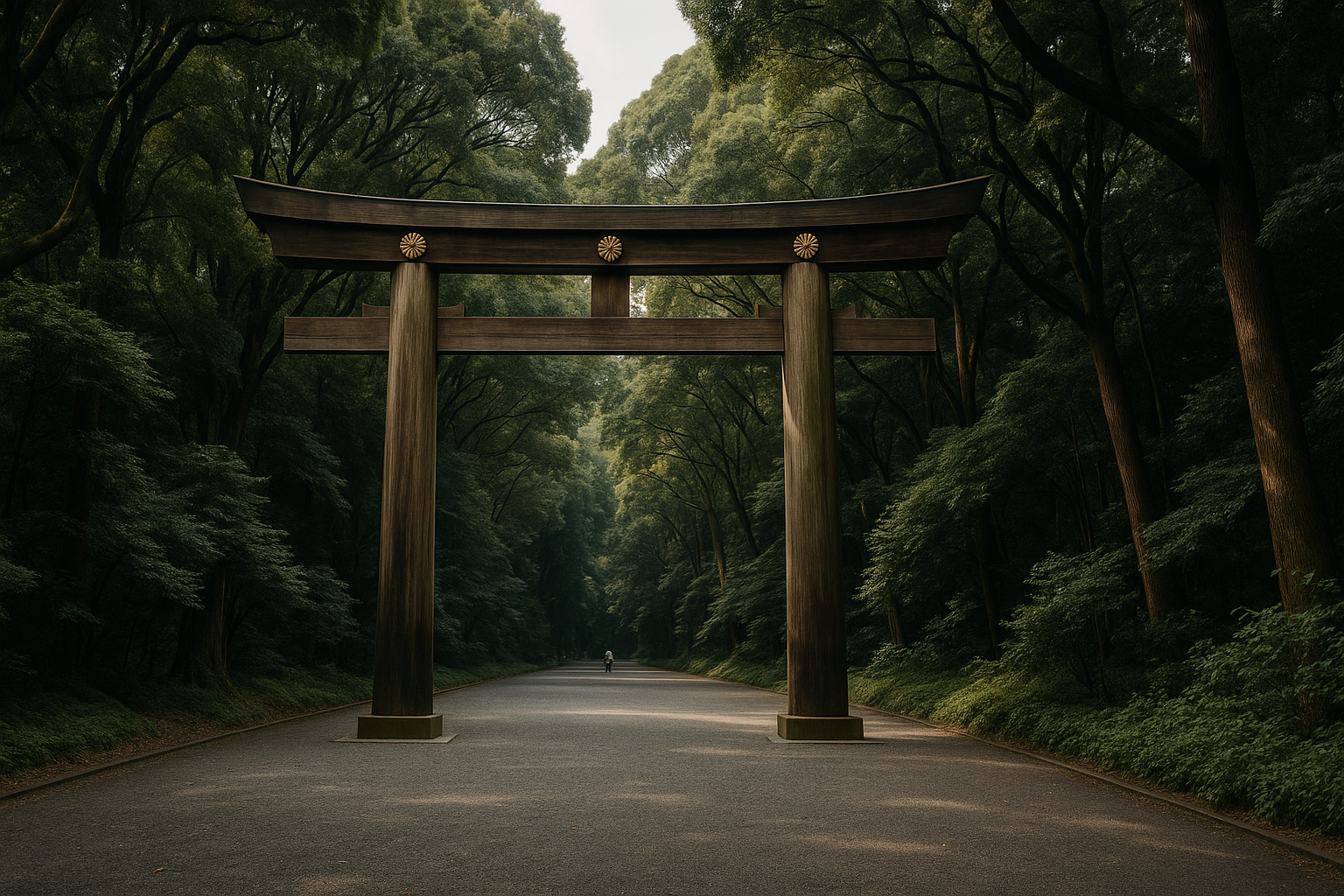
Crossing beneath the imposing torii gates, travelers enter a world distinctly removed from the city’s chaos. The approach to the shrine is a pilgrimage in itself, winding through a forest of more than 100,000 trees—each one donated from across Japan and the globe, symbolizing unity and peace. The air grows noticeably cooler and quieter, as if the forest itself is a protective veil. At the heart of this sanctuary lies the shrine complex, its cypress wood structures radiating dignity and simplicity. Here, visitors can witness traditional Shinto wedding ceremonies, participate in purification rituals, or simply stand in awe of the sacred ambiance that permeates every corner of Meiji Jingu.
Key Information Table
| Location | 1-1 Yoyogi-Kamizono-cho, Shibuya City, Tokyo, Japan |
|---|---|
| Opening Hours | Sunrise to sunset (varies seasonally) |
| Admission Fee | Free (small fees for inner garden and treasure house) |
| Official Website | https://www.meijijingu.or.jp |
| Contact | +81 3-3379-5511 |
| Accessibility | Wheelchair accessible; rental available on-site |
| Recommended Visit Duration | 2–3 hours |
| Best Time to Visit | Early morning or late afternoon for tranquility |
Immersive Cultural Experiences
Meiji Jingu is a living stage for Japan’s most cherished traditions. Visitors can observe or partake in Shinto rituals that have endured for centuries—such as the symbolic cleansing at the temizuya (purification fountain), the offering of prayers with a coin toss and respectful bowing, and the writing of wishes on wooden ema plaques hung in hope along the prayer walls. On weekends, the shrine becomes a backdrop for ethereal Shinto wedding processions, with brides in pure white kimono and grooms in formal hakama, their slow, deliberate steps echoing the gravity of ancient customs. The adjacent Meiji Jingu Inner Garden, famous for its irises in early summer, offers a contemplative retreat for those desiring a deeper connection with nature and spirituality.
Seasonal Festivals and Special Events
The tapestry of life at Meiji Jingu is woven with vibrant seasonal festivals and ceremonies. The New Year celebrations draw millions who come to pray for good fortune, transforming the shrine into a sea of anticipation and communal energy. In autumn, the chrysanthemum festival fills the grounds with intricate displays of Japan’s imperial flower, while spring welcomes the renewal of life with cherry blossoms and the delicate fragrance of blooming irises. Each event is an invitation to witness living culture—whether it’s the rhythmic Taiko drumming, the graceful Noh performances, or the ceremonial offerings that maintain the shrine’s sacred legacy.
Google Map
How to Get There
Meiji Jingu’s central location in Shibuya makes it easily accessible from anywhere in Tokyo. The shrine is directly adjacent to Harajuku Station (JR Yamanote Line) and Meiji-jingumae Station (Tokyo Metro Chiyoda/Fukutoshin Lines). From either station, it’s a short, signposted walk to the entrance through Yoyogi Park. For travelers arriving from Tokyo’s major districts, reliable subway and train connections make reaching Meiji Jingu a breeze. Detailed guidance and route maps are available on the official website to ensure a seamless journey into this verdant sanctuary.
Nearby Attractions and Local Eats
Yoyogi Park: Expansive urban park ideal for picnics, people-watching, and outdoor events, offering a tranquil counterpoint to the shrine experience.
Essential Travel Tips
To fully savor the serenity of Meiji Jingu, arrive early in the morning or just before sunset, when the crowds thin and the forest’s hush is most profound. Dress respectfully—modest attire is preferred within the shrine precincts. Photography is allowed in most areas, but be mindful of signage, especially during ceremonies. Carry a small coin for offerings, and consider purchasing an ema or omamori (good luck charm) as a meaningful souvenir. Above all, approach the shrine with an open heart and a willingness to embrace the stillness that defines this sacred space.
What Makes This Destination Unique
What sets Meiji Jingu apart is its remarkable synthesis of nature, spirituality, and living tradition—an oasis where the boundaries between the ancient and the modern dissolve. Unlike any other shrine in Japan, Meiji Jingu’s forest was entirely planted by hand, a collaborative offering of hope and healing after the tumult of the Meiji Restoration. The shrine’s rituals and festivals not only preserve the past but also breathe new life into the present, inviting each visitor to become part of an ongoing story. In a city famed for its relentless innovation, Meiji Jingu endures as a refuge of peace, a place to reconnect with the rhythms of nature and the wisdom of centuries.
Related Posts
- City Tourism Website
- Attraction Official Website
- Country Tourism Board
- Regional Tourism Office
- Destination Official Homepage
Within every towering tree and every quiet corridor of Meiji Jingu, there is a story waiting to be heard—a narrative of resilience, unity, and reverence that endures in the heart of modern Tokyo. The shrine’s silent majesty invites each traveler to wander not only its sacred grounds, but also the inner landscapes of reflection and wonder, forging a connection that lasts long after the city’s lights fade into the dusk.