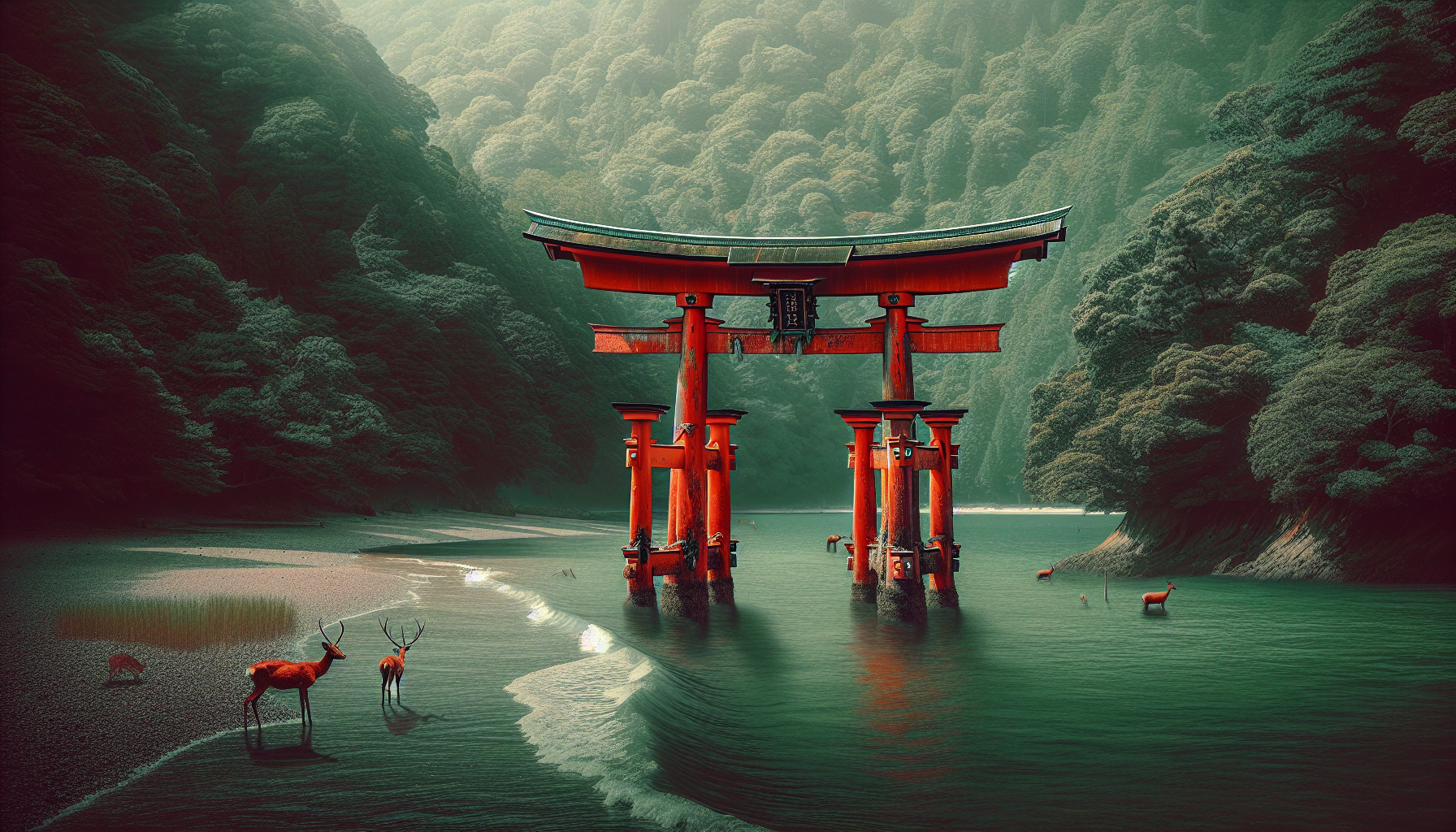
Miyajima Island, also known as Itsukushima, is a realm that seems to float between myth and reality. Tucked into the tranquil waters of Hiroshima Bay, this destination is celebrated for its breathtaking scenery, sacred shrines, and the harmonious coexistence of nature and spirituality. The iconic vermilion torii gate of Itsukushima Shrine rises from the tidal flats, an arresting vision that has captivated travelers for centuries. From the gentle rustle of deer wandering freely to the serene mountain paths that beckon the adventurous, Miyajima Island is a tapestry of experiences that ignite the soul and invite wonder at every turn.
Why Visit Miyajima Island
To step onto Miyajima Island is to step into a living celebration of Japan’s spiritual and natural heritage. The island’s landscape is a breathtaking panorama where lush forests tumble into sparkling blue waters and ancient traditions come alive beneath the gaze of Mount Misen. Itsukushima Shrine—a UNESCO World Heritage Site—stands as a testament to the enduring connection between the Japanese people and their land. Whether you’re drawn by the promise of panoramic vistas, the cultural richness of sacred festivals, or the simple joy of savoring fresh oysters by the sea, Miyajima Island offers an experience that reverberates deep within the heart.
Stepping into Miyajima Island
The journey to Miyajima Island begins with the gentle hum of a ferry, carrying visitors across calm waters to a shore lined with welcoming deer and ancient lanterns. The air is tinged with salt and incense, a sensory prelude to the wonders that await. As you wander through bustling Omotesando Street, aromas of grilled momiji manju and savory oysters mingle with the sound of laughter and temple bells. The sea breeze carries stories of pilgrims and poets who have sought inspiration here, and every step on this island feels imbued with meaning.
Key Information Table
| Location | Hatsukaichi, Hiroshima Prefecture, Japan |
|---|---|
| Official Tourism Site | https://www.miyajima-wch.jp |
| UNESCO World Heritage Status | Yes (Itsukushima Shrine) |
| Best Time to Visit | March to May, October to November |
| Famous For | Itsukushima Shrine, Floating Torii Gate, Scenic Hiking, Local Cuisine |
| Opening Hours | Varies by site (Itsukushima Shrine: 6:30–18:00) |
| Admission Fee | Itsukushima Shrine: ¥300 (approx.) |
Immersive Cultural Experiences
On Miyajima Island, cultural immersion is not a mere activity—it is the air you breathe. The spiritual heart of the island is the Itsukushima Shrine, where vermilion-lacquered corridors seem to float on the tide, and ancient ceremonies unfold against the backdrop of the Seto Inland Sea. Visitors can witness traditional Kagura dance performances, participate in Shinto rituals, or simply marvel at the interplay of light and water during high tide. Beyond the shrine, Daisho-in Temple invites quiet reflection amid hundreds of moss-clad statues and prayer wheels. The island’s sacred deer, regarded as messengers of the gods, roam freely, blurring the boundaries between the human and the divine.
Seasonal Festivals and Special Events
The changing seasons bring Miyajima Island to life in spectacular ways. In spring, cherry blossoms frame the shrine and mountain trails in a delicate blush, while autumn ignites the island’s maple groves in fiery crimson. The Miyajima Water Fireworks Festival in summer transforms the night sky into a dazzling canvas of color, with reflections that dance upon the bay. During the Kangen-sai Festival, boats adorned with lanterns glide across the water in a ceremony that dates back to the Heian period, filling the air with haunting music and the promise of renewal. Each festival weaves together the island’s timeless rituals with the pulse of the present, inviting all who visit to become part of its living tradition.
Google Map
How to Get There
Accessing Miyajima Island is a seamless adventure from Hiroshima. Frequent JR trains and streetcars connect Hiroshima Station to Miyajimaguchi Station in under 30 minutes. From Miyajimaguchi, the Miyajima Ferry departs every 15 minutes, gliding across the bay in a swift 10-minute journey. Visitors arriving by Shinkansen can transfer easily at Hiroshima, while international travelers will find convenient access from Hiroshima Airport. For those seeking a scenic route, boat cruises from Hiroshima Peace Park offer a memorable passage with panoramic views of the Seto Inland Sea. The island is compact and best explored on foot, with well-marked trails leading from the ferry terminal to key sites.
Nearby Attractions and Local Eats
Essential Travel Tips
Prepare to walk—Miyajima’s charm is best experienced at a leisurely pace. Respect the island’s sacred spaces by maintaining quiet in shrines and temples, and avoid feeding the deer, as they are wild. Comfortable shoes are recommended for hiking Mount Misen, where panoramic vistas await those who reach its summit. Try the local delicacies: grilled oysters, anago (conger eel), and the famed momiji manju cakes. Consider visiting early in the morning or late in the afternoon to enjoy the mystical sight of the torii gate at high or low tide. Cash is still king in many shops, so bring yen, and remember to check ferry and shrine hours, especially during holidays and festivals.
What Makes This Destination Unique
Miyajima Island is not merely a place to visit; it is a space where the boundaries between legend and landscape dissolve. The interplay of sea, mountain, and shrine creates a sense of harmony rarely found elsewhere. Watching the floating torii at sunset, wandering through moss-covered temples, or simply listening to the gentle lapping of waves, one is reminded of life’s fleeting beauty and the profound peace that nature and tradition can inspire. Each moment on Miyajima is a brushstroke in a living masterpiece, inviting every visitor to pause, reflect, and become part of something eternal.