Kinosaki Onsen: A 2026 Guide to Japan’s Ultimate Bathhouse-Hopping Sanctuary
Kinosaki Onsen stands as one of Japan’s most cherished hot spring destinations, a 1,300-year-old sanctuary tucked away in the Hyogo Prefecture where time stretches, softens, and wraps itself around you like a warm, silken robe.
🏆 Quick Summary: The Kinosaki Essentials
- ♨️ The Signature: Famous for sotoyu meguri (public bathhouse hopping) across seven distinct natural hot springs.
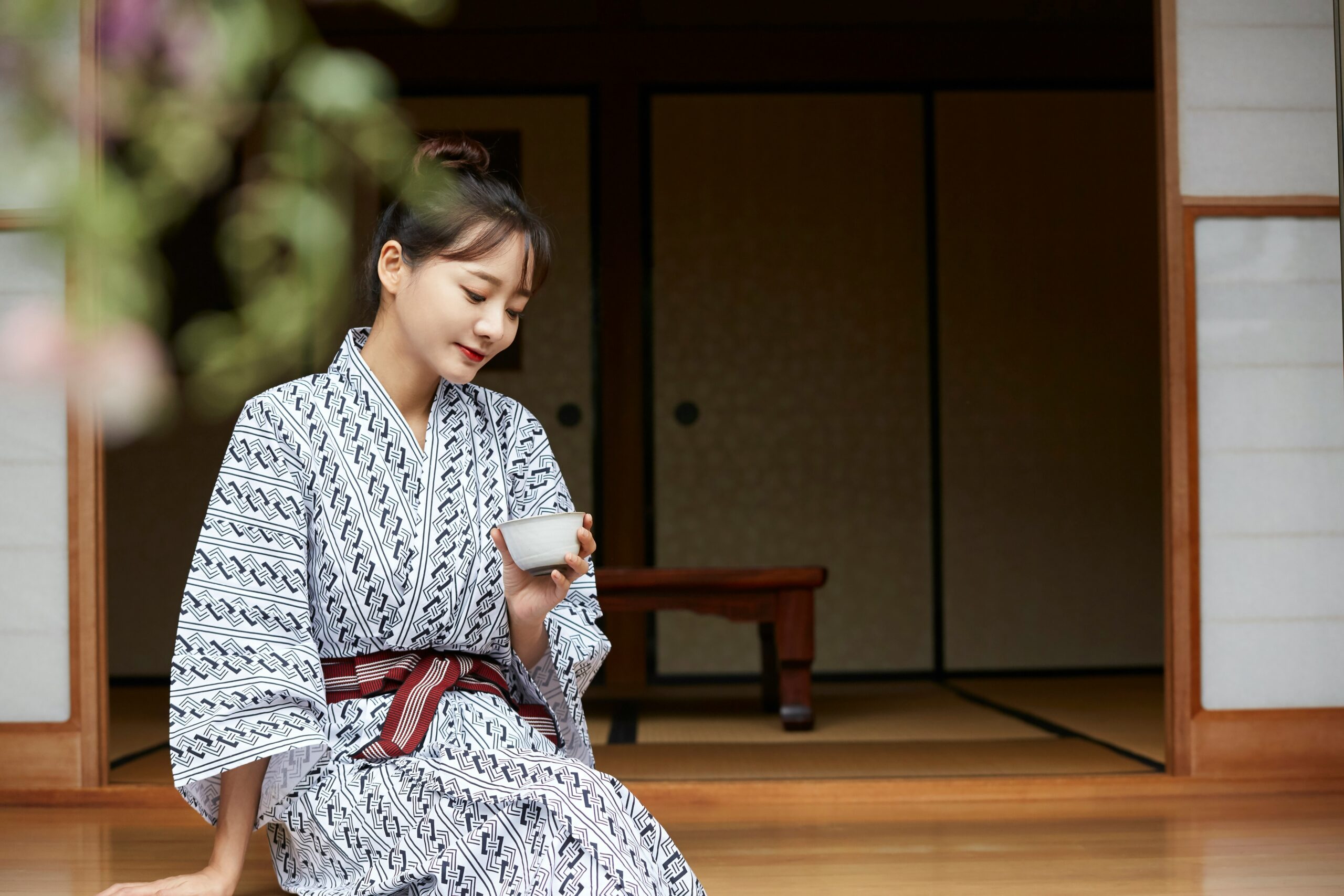
- 👘 The Uniform: The entire town acts as one large ryokan where visitors walk the streets in yukata and geta (wooden clogs).
- ⏰ Best Visit Style: A 1-night stay in a traditional ryokan is essential to experience the town’s nighttime magic.
- 🚉 Transit: Directly accessible via the “Hamakaze” or “Kounotori” limited express trains from Kyoto and Osaka.
- 🛡️ 2026 Strategy: Arrive by 2:00 PM to maximize your bath pass (Yumepa) and secure a quiet first soak before the dinner rush.
“As dusk falls over Kinosaki Onsen, the town undergoes a celestial transformation. The air carries a faint, mineral warmth, and the soft ‘clack-clack’ of geta on cobblestone becomes a living soundtrack. Willow branches sway gently over the central canal, catching the orange glow of paper lanterns that reflect on the water’s surface. Here, the boundary between your ryokan and the town disappears; you are not just a visitor, but part of a slow-moving, steam-filled ritual that has remained unchanged for over a millennium.”
The Living Tradition: Why Kinosaki Onsen is Japan’s Most Authentic Spa Town
In 2026, Kinosaki Onsen remains a rare sanctuary where tradition isn’t just a performance—it’s a daily lifestyle. Unlike many onsen towns where the hot springs are hidden behind massive hotel walls, Kinosaki was designed around the concept of a “shared bath.” The legendary “seven public bathhouses” serve as the heart of the community. According to local lore, the stork (kounotori) first discovered the healing properties of these waters when it used the warm springs to heal its injured leg. Today, travelers from across the globe seek that same restoration, moving between baths as if moving between rooms in a massive, open-air estate.
The Contextual Strategy: Mastering the Sotoyu Meguri
The real magic of Kinosaki Onsen lies in sotoyu meguri—the ritual of visiting multiple public bathhouses. For the savvy traveler, the “Contextual Strategy” is to view the town center as your living room and the bathhouses as your bathrooms. By staying at a local ryokan, you receive a “Yumepa” digital pass, granting unlimited access to all seven baths. The key is to pace yourself: soak in the wooden tubs of Goshono-yu, then stroll the canal for 15 minutes to let the cool evening air reset your body temperature before entering the cave-like atmosphere of Ichino-yu. This rhythmic transition between steam and breeze is what creates the legendary “Kinosaki Reset”.
Key Information: Kinosaki Onsen (2026 Updated)
| Category | Visitor Details |
|---|---|
| Location | Toyooka, Hyogo Prefecture, Japan |
| Access | JR Kinosaki Onsen Station (2.5h from Kyoto/Osaka) |
| Bath Pass (Yumepa) | Included in Ryokan stay or ~¥1,500 for day-pass |
| Best Season | Winter (Snow + Crab) or Spring (Cherry Blossoms) |
A vs B: Ryokan Overnight vs. Quick Day Trip
While Kinosaki is accessible for a day trip, the “quality of life” experience differs vastly depending on whether you stay past the last train.
| Feature | Ryokan Overnight (1 Night) | Day Trip (Quick Visit) |
|---|---|---|
| Vibe | Meditative, Night Lanterns, Yukata Dinner | Hectic, Daytime crowds, Train-schedule focus |
| Yukata Culture | Included; feels authentic and relaxed | Paid rental; can feel like a “costume” |
| Best Memory | A 10 PM stroll along the empty canal | A rushed soak before the return express |
🔵 Insider Hacks: Secrets for the Savvy Bather
- The “Reverse Soak” Strategy: Most visitors hit the bathhouses immediately after checking into their ryokan (3 PM – 5 PM). For a more secluded experience, enjoy your first soak at 8:30 PM while others are having dinner, or at 7:00 AM before the day-trippers arrive.
- Geta Hack: Walking in wooden geta can be difficult for beginners. Look for the “Geta Lockers” at each bathhouse and use the provided socks (tabi) from your ryokan to prevent blisters during the canal stroll.
- The “Yumepa” Digital Trick: If your ryokan gives you a digital Yumepa bar-code, take a screenshot of it on your phone. If your physical pass gets wet or lost, the screenshot often works at the automated entry gates.
- Local Delicacy Pairing: Winter travelers must try the Matsuba Crab, while year-round visitors should seek out Tajima Beef croquettes near the canal—it’s the premium genetic ancestor of the famous Kobe beef.
Step-by-Step High-Value Itinerary
- Arrival: Disembark at JR Kinosaki Onsen Station. Use the free shuttle or take the 5-minute walk to your ryokan to drop off bags.
- Transformation: Change into your yukata and geta immediately. This “shifts” your mindset from tourist to bather.
- The First Bath: Head to Satono-yu near the station for a modern experience, or Goshono-yu for the most beautiful outdoor wooden architecture.
- Canal Stroll: Walk the central canal at dusk when the lanterns ignite. This is the peak photo-moment of the trip.
- Ryokan Dinner: Return for a traditional kaiseki meal. Sleep on futons, wake up early, and hit Kouno-yu (the Stork bath) to start your morning.
⚠️ Warning: Common Visitor Mistakes
- Etiquette Breaches: Never enter the water without a thorough soap-and-water rinse first. Also, remember that tattoos were traditionally restricted; while Kinosaki is “tattoo-friendly” at its seven public baths, some private ryokan baths still have strict policies.
- Over-packing: You only need a small “bath bag” (provided by your ryokan). Don’t carry a heavy backpack or purse while bath-hopping; it ruins the slow-paced vibe.
- Ignoring the “Wait” Time: After a hot bath, your heart rate is elevated. Sit on a bench near the canal for 10 minutes before moving to the next bath to avoid “onsen fatigue”.
Google Map: Kinosaki Onsen Location
FAQ: Kinosaki Onsen
Q1: Is Kinosaki Onsen tattoo-friendly?
Yes! Kinosaki is one of Japan’s most progressive onsen towns. All seven public bathhouses (sotoyu) allow guests with tattoos of any size.
Q2: How many baths should I visit in one stay?
While there are seven, trying to visit all in one day can be exhausting. Most travelers find that 3 to 4 baths provide the perfect balance of variety and relaxation.
Q3: Can I visit the baths without staying at a ryokan?
Yes. You can purchase a “Yumepa” day-pass at any of the bathhouse entrances for approximately ¥1,500, which gives you unlimited access for the day.
Q4: What is the best way to get there from Osaka?
The easiest route is taking the JR “Kounotori” Limited Express directly from Osaka Station. The journey takes about 2 hours and 40 minutes.
Plan Your Journey Further:
- ➜ Spiritual Waters: Compare this experience with the Hakone Shrine & Lake Ashi Guide.
- ➜ Kyoto Connections: Plan your stopover with our Katsura Imperial Villa Guide.
- ➜ Japan Hub: Access all our latest Japan Attraction Guides.
- 🏛️ Official Site: Kinosaki Onsen Official Tourism Site
Author Note: This guide was meticulously updated in February 2026 to reflect the latest visitor flow and bathhouse policies for Kinosaki Onsen.