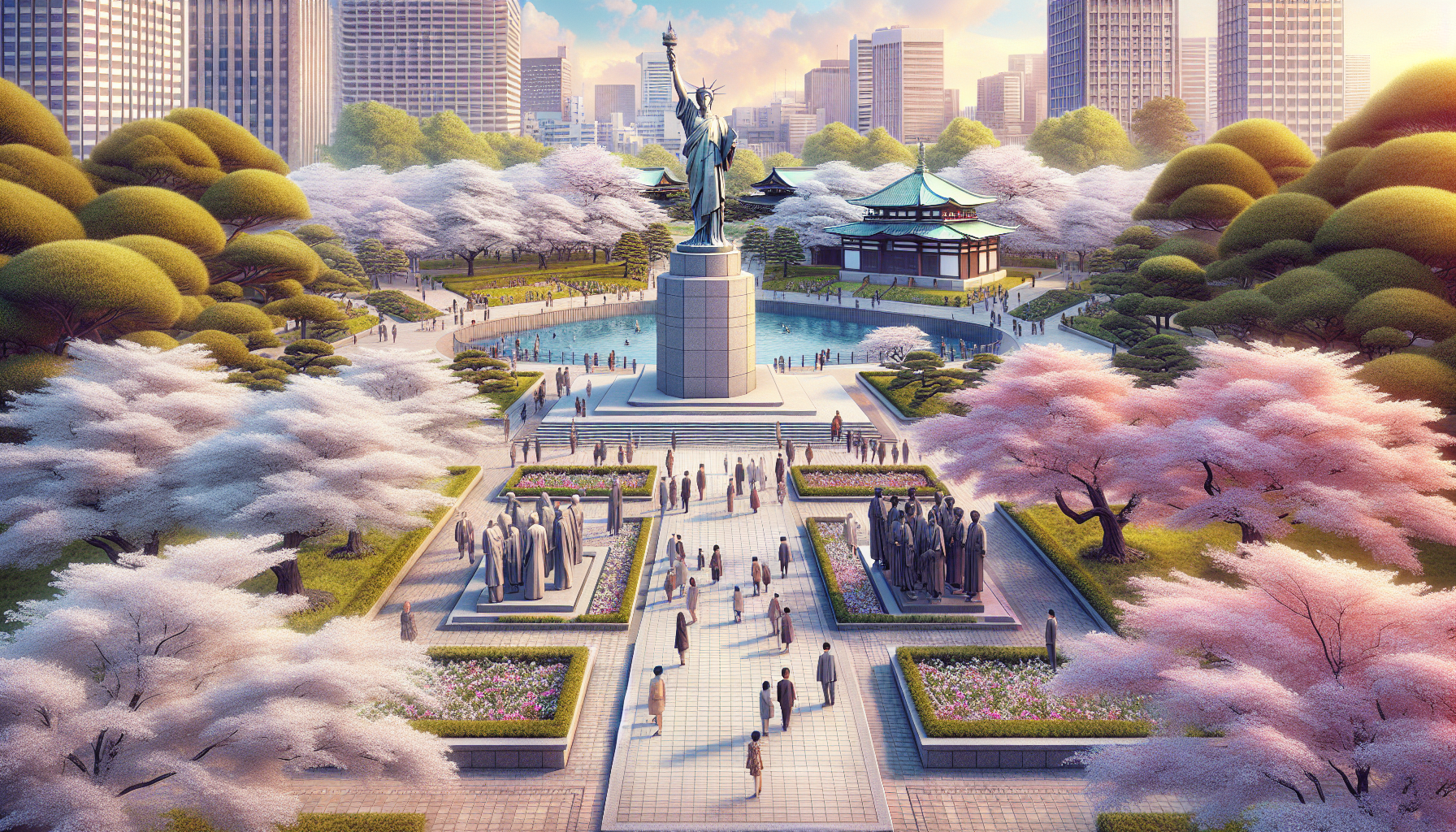
Nagasaki Peace Park stands as a profound testament to humanity’s capacity for remembrance, healing, and hope. Set in the heart of Nagasaki, Japan, this park is not merely a destination—it is an emotional journey, a place where the past meets the present in a landscape shaped by tragedy and resilience. The moment you step into Nagasaki Peace Park, you feel a palpable stillness, an air heavy with history yet illuminated by the collective spirit of peace that permeates every path, monument, and tree. It is a site that invites deep reflection, and its significance resonates far beyond the borders of Japan.
Why Visit Nagasaki Peace Park
Choosing to visit Nagasaki Peace Park is to embrace a journey through memory, compassion, and global unity. As the site commemorating the atomic bombing of Nagasaki on August 9, 1945, the park is a living monument to the resilience of the human spirit and the enduring pursuit of peace. Here, visitors from all walks of life come to pay respects, to learn, and to promise never to forget. The park is not just a place of solemn remembrance—it is also a vibrant symbol of hope, radiating a message that transcends generations and nationalities. Whether you are a history enthusiast, a seeker of tranquility, or someone yearning for inspiration, Nagasaki Peace Park calls to your deepest sense of humanity.
Stepping into Nagasaki Peace Park
As you cross the threshold into Nagasaki Peace Park, a gentle hush falls over the world around you. The lush greenery is punctuated by powerful memorials: the iconic Peace Statue, with its right hand pointing to the sky in warning and its left hand extended in peace; the Fountain of Peace, ever-flowing in memory of the lives lost; and the poignant remains of the Urakami Cathedral. Each step along the neatly tended paths takes you deeper into a landscape designed for contemplation. The air feels different here—weighted with sorrow, yet buoyed by the collective resolve to look forward. Locals and travelers alike walk in reverence, often pausing before the Children’s Peace Monument, where thousands of colorful origami cranes flutter in the breeze, embodying wishes for a world free of nuclear weapons.
Key Information Table
| Location | Nagasaki, Japan |
|---|---|
| Official Website | https://www.visit-nagasaki.com |
| Opening Hours | Open 24 hours (some museums and monuments may have specific hours) |
| Entry Fee | Free (museum admission may require a fee) |
| Accessibility | Wheelchair accessible; paved pathways throughout the park |
| Best Time to Visit | Spring (March-May) and Autumn (September-November) |
| Google Map |
Immersive Cultural Experiences
Within Nagasaki Peace Park and its surroundings, visitors are invited to immerse themselves in the city’s unique cultural tapestry. The nearby Nagasaki Atomic Bomb Museum offers a sobering yet essential account of the events leading to August 9, 1945, and its aftermath. The exhibits are deeply moving, blending personal stories, artifacts, and multimedia presentations that leave an indelible mark on the heart. Just a short walk away, the Hypocenter Park marks the exact location where the bomb detonated, while the Urakami Cathedral—rebuilt after the bombing—stands as a beacon of faith and perseverance. Participating in guided tours led by survivors, known as hibakusha, provides a rare opportunity to engage directly with living history, lending a human face to the story of Nagasaki and its unwavering commitment to peace.
Seasonal Festivals and Special Events
Throughout the year, Nagasaki Peace Park becomes a focal point for events that unite people in remembrance and solidarity. The most poignant is the annual Nagasaki Peace Memorial Ceremony, held every August 9th. Thousands gather to observe a moment of silence at 11:02 a.m.—the exact time of the bombing—while doves are released into the sky as a gesture of hope. The park also hosts various peace-themed events, art installations, and candlelight vigils, especially during the summer months. Spring brings cherry blossoms, transforming the park into a gentle sea of pink and white, while autumn’s flaming foliage adds a melancholy beauty to the memorial spaces. Each season offers a distinct atmosphere, but every visit is underscored by the same powerful message: the urgent need for peace.
Google Map (NEW – fixed 6th position)
How to Get There
Reaching Nagasaki Peace Park is a seamless experience, whether traveling from within Japan or abroad. The park is conveniently located approximately 3 kilometers north of Nagasaki Station. From the station, local trams provide direct access—simply take Tram Line 1 or 3 to Matsuyama-machi stop, and the entrance to the park is a short walk away. For those arriving by air, Nagasaki Airport is connected to the city center by airport limousine buses and trains, making the journey straightforward. Regional trains connect Nagasaki to major cities like Fukuoka, Hiroshima, and Osaka, offering scenic views of Kyushu’s coastline and countryside along the way. The city’s compact layout and efficient public transportation system make exploration both easy and enjoyable.
Nearby Attractions and Local Eats
Essential Travel Tips
To fully appreciate the significance of Nagasaki Peace Park, consider joining a guided tour or attending a peace lecture—a number of organizations host English-speaking guides, some of whom are survivors or descendants. Bring comfortable shoes, as you may wish to wander the broader area, which includes the museum, memorials, and tranquil walking paths. Photography is permitted, but visitors are encouraged to be respectful, particularly during ceremonies or at moments of remembrance. While the park is open year-round, spring and autumn offer the most pleasant weather and vibrant scenery. Take time to explore the local cuisine—Nagasaki is famous for its flavorful champon noodles, castella sponge cake, and fresh seafood, with many family-run restaurants located near the park.
What Makes This Destination Unique
Nagasaki Peace Park is more than a memorial; it is a living, breathing symbol of hope, transformation, and the power of collective memory. Unlike any other place in Japan, it stands at the intersection of devastating history and inspiring renewal. The park’s evocative monuments, lush gardens, and deeply personal stories weave a tapestry of remembrance and resilience that lingers long after you leave. Visitors are not just witnesses to history—they become participants in a global movement for peace. The park’s message is clear and urgent: never forget, and always strive for a better tomorrow. This sense of purpose and unity, felt so strongly in Nagasaki, is what makes the Peace Park a destination that moves the heart and stirs the soul.
Related Posts
- Nagasaki City Tourism Website
- Nagasaki Peace Park Official Website
- Japan National Tourism Organization
- Kyushu Regional Tourism Office
- Nagasaki Official Homepage
Standing in the heart of Nagasaki Peace Park, surrounded by monuments of remembrance and the hopeful flutter of origami cranes, one cannot help but feel a deep connection to the universal longing for peace. This is a place that invites us to learn from the past, honor those lost, and carry forward a message that the world so urgently needs. The enduring beauty and significance of Nagasaki Peace Park remind us that even in the shadow of tragedy, hope can flourish, and from the depths of sorrow, a brighter future can be born.