Does Samsung Pay Work Internationally? A 2026 Traveler’s Guide
What actually works overseas, where Samsung Pay fails, and why smart travelers still carry a backup plan.
You are probably searching for Samsung Pay international travel use because you want a realistic answer, not brand marketing. You want to know whether Samsung Pay works abroad, where you can trust it, where it fails, and what backup payment strategy makes the most sense in 2026.
⚡ Quick Summary
- Samsung Pay works internationally in many places, but it is not universal.
- In real travel use, success usually depends on whether a terminal accepts contactless NFC payments.
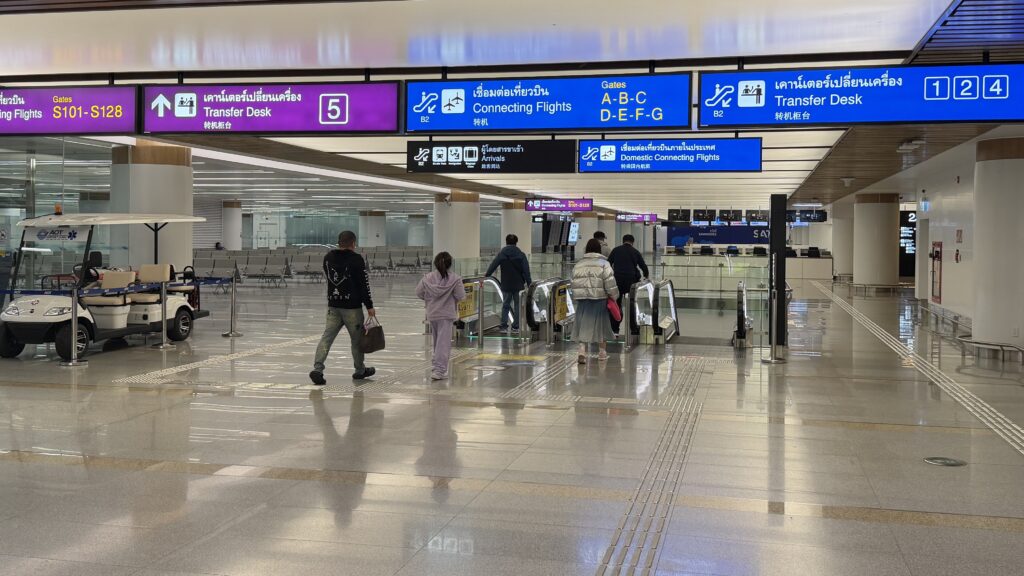
- Large airports, malls, chain stores, and modern hotels are the safest places to expect it to work.
- Small shops, local transport, markets, and QR-first payment environments are where travelers get surprised.
- The best strategy is simple: use Samsung Pay as a convenience layer, not as your only way to pay.
Does Samsung Pay work internationally? Yes, but after trying to use it while traveling, I learned very quickly that “works” and “works reliably” are not the same thing.
I remember standing in a convenience store in Bangkok with the kind of confidence that only comes right before a minor public failure. The terminal looked modern. My phone was ready. I tapped. Nothing. I tried again. Still nothing. The cashier pointed to a QR code, then to cash. That was the moment the whole issue became clear to me: Samsung Pay is not really about your phone. It is about the payment culture, terminal setup, bank support, and local habits of the country you are visiting.
If you are planning a trip in 2026, this guide will help you understand where Samsung Pay makes travel easier, where it becomes unreliable, and how to build a payment setup that does not collapse the first time you leave an airport or shopping mall.
🌍 Why Samsung Pay Matters for Travelers
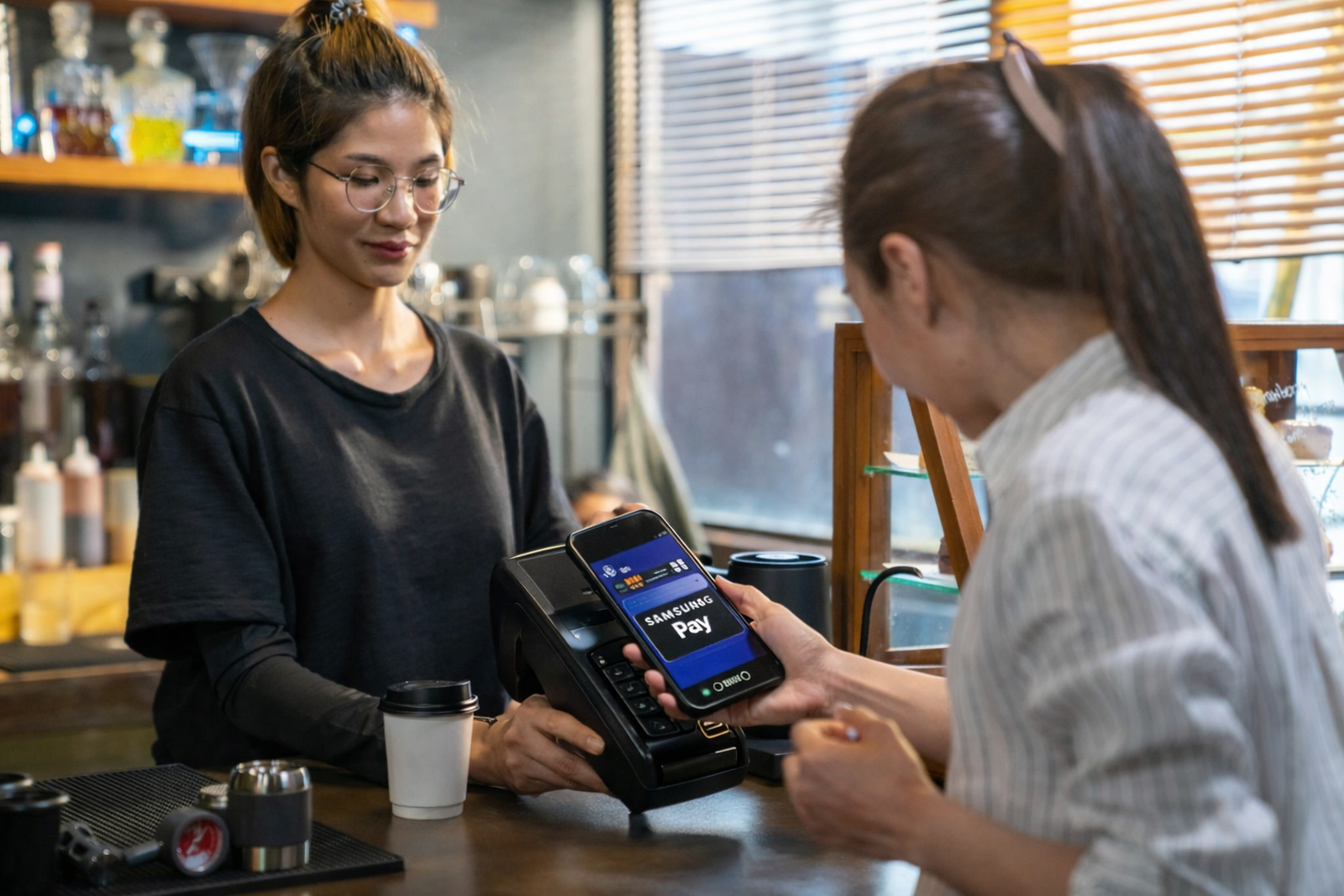
On paper, Samsung Pay sounds like the ideal travel tool. You do not need to dig around for a wallet, worry about coins, or expose your physical card every time you buy water, coffee, or train snacks. A phone-based payment method feels cleaner, faster, and less stressful when you are moving through airports, stations, hotels, and unfamiliar neighborhoods.
But international travel is not one unified payment system. Some destinations are still card-heavy. Some are deeply QR-driven. Some appear modern on the surface but still have inconsistent contactless support once you leave higher-end districts. Even when a country supports digital payments broadly, that does not always mean your foreign wallet setup will behave exactly the way it does at home.
That is why this topic matters. Travelers do not just need to know whether Samsung Pay is technically possible. They need to know whether it is dependable enough for the small, tired, real-world decisions that shape a trip: paying for airport coffee after a long flight, buying a SIM card, handling a late-night taxi, or covering lunch in a place where no one wants to troubleshoot your phone at the counter.
😅 What It Actually Feels Like Using Samsung Pay Abroad
When Samsung Pay works abroad, it feels fantastic. At airports, branded cafés, department stores, convenience chains, and international hotel counters, the experience can feel almost frictionless. Tap. Confirm. Done. Those moments make you think the whole trip will be that easy.
Then you leave the polished part of the city.
That is where the emotional reality changes. In some places, the problem is not that merchants reject digital payments entirely. The problem is that they accept a different kind of digital payment than the one you brought. I have had moments where everything looked compatible until the cashier casually redirected me to a local QR option that tourists could not easily use. I have also had the opposite experience: a place looked old-fashioned, yet the contactless terminal worked instantly and saved me from breaking a large bill for a tiny purchase.
The honest feeling of using Samsung Pay internationally is this: it is smooth enough to make you trust it, but inconsistent enough to punish you if you trust it too much.
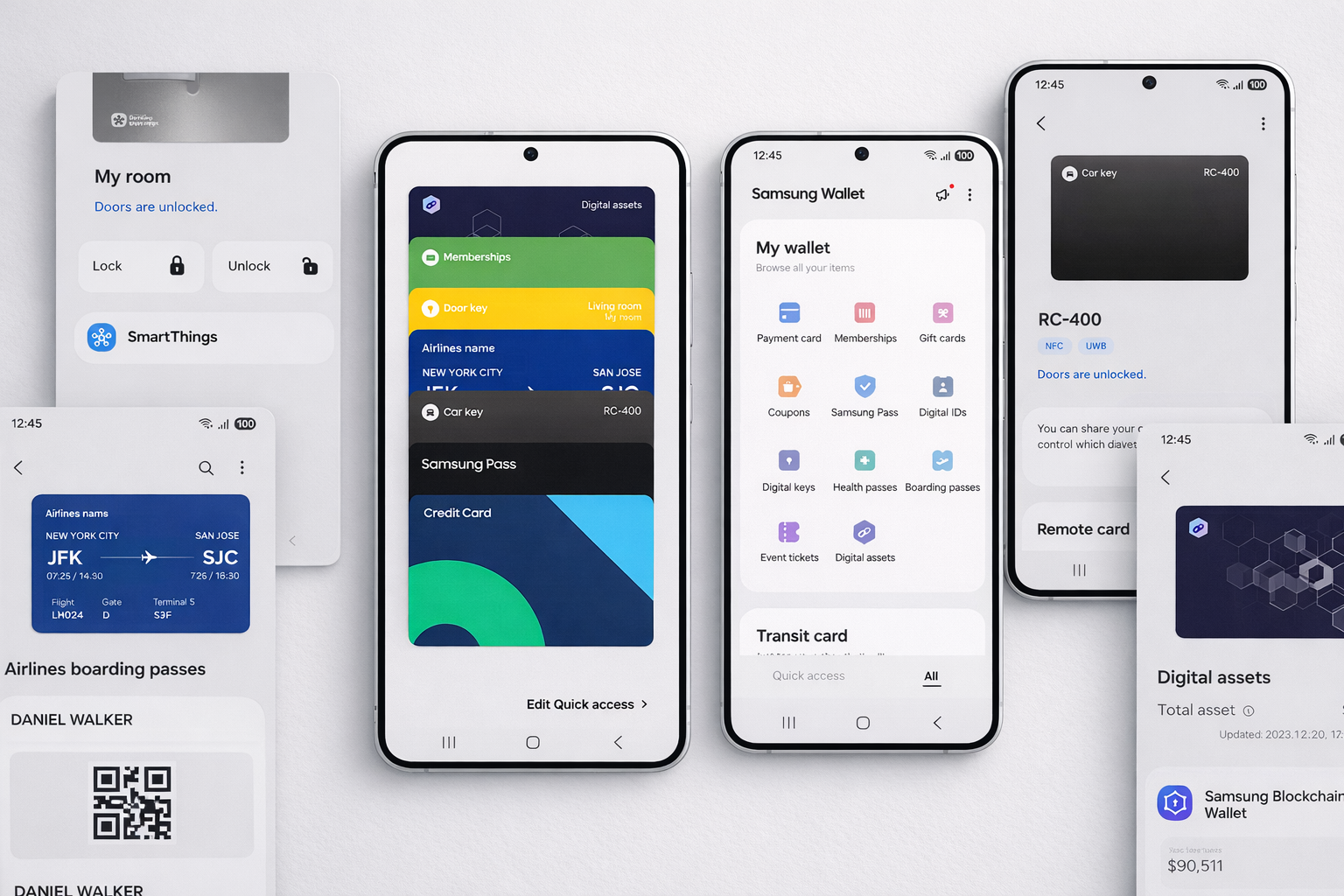
⚙️ How Samsung Pay Works Abroad
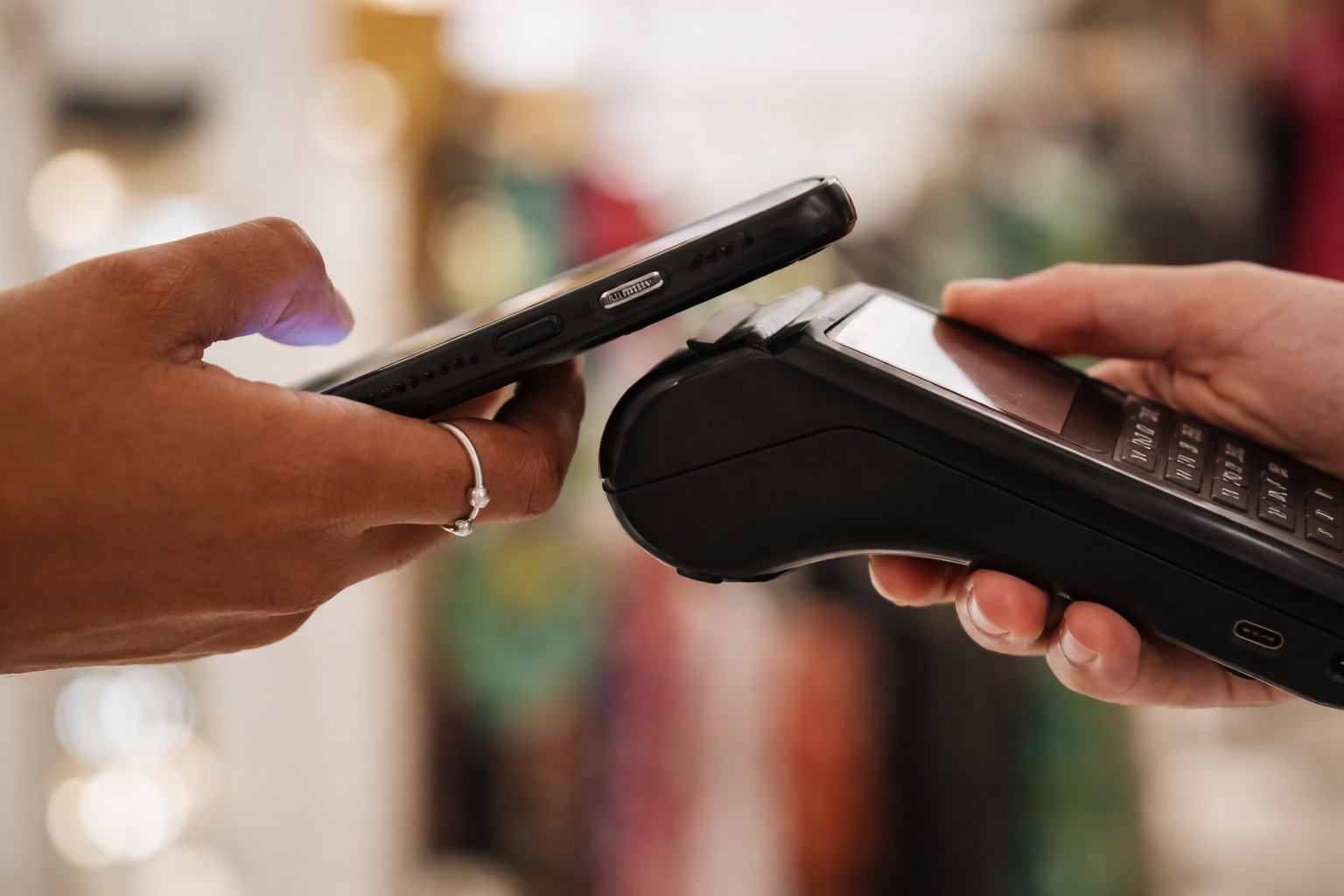
For travelers, the most important thing to understand is that international Samsung Pay use is mainly about NFC contactless acceptance. If a merchant terminal supports tap-to-pay and your linked card works internationally, your odds are much better. If a store does not use contactless card infrastructure, Samsung Pay usually stops being useful very quickly.
| Technology / Factor | What It Means for Travelers | Practical Reality |
|---|---|---|
| NFC | Main way Samsung Pay works abroad | Best chance of success in modern retail environments |
| MST | Older magnetic-style fallback many travelers still mention | Much less relevant now and not something I would build a travel strategy around |
| Issuer / bank support | Your card still has to be eligible and enabled for overseas use | A terminal can be perfect and the payment can still fail |
| Merchant setup | Some stores accept cards but not tap, or prefer another flow | This is where travelers get confused most often |
✨ The Biggest Benefits of Using Samsung Pay While Traveling
- Less wallet exposure: You do not need to pull out your physical card every time you pay.
- Faster small purchases: Great for chain cafés, convenience stores, and airport shops.
- Useful backup to your backup: If your physical card is buried in your bag, your phone can save time.
- Works naturally in modern retail spaces: Especially helpful in malls, branded stores, and international hotel zones.
- Feels more organized: I personally like having one quick payment method ready while moving through transit-heavy days.
📋 Key Traveler Reality Table
| Travel Situation | Samsung Pay Expectation | My Practical Advice |
|---|---|---|
| Airport coffee / duty-free | Usually strong chance | Use it confidently, but keep your card accessible |
| Hotel chain / branded restaurant | Often good chance | Fine for routine payments |
| Street food / market stall | Low chance | Assume cash or local QR-first behavior |
| Taxi outside ride-hailing apps | Mixed to weak | Never depend on Samsung Pay alone |
| Small family-run store | Highly variable | Have a second option ready before checkout |
🧭 The Real Travel Issue: Payment Culture Beats Technology
This is the section many generic payment guides miss. Travelers often think the question is, “Does the phone support Samsung Pay?” That is only the first layer. The deeper layer is whether the local payment environment behaves in a way that welcomes your setup.
Some destinations are card-friendly in a way that makes Samsung Pay feel natural. Others are digitally advanced but built around local wallet apps, bank QR networks, transit cards, or merchant preferences that do not care whether your device is technically capable. That mismatch creates the most frustrating failures because it feels irrational. You are not in a “cash-only” place, yet your payment still fails because you brought the wrong digital tool.
I think that is why travelers can be too optimistic with mobile wallets. We hear “international” and imagine universal convenience. In reality, travel payments are local, layered, and habit-driven. The terminal on the counter matters, but the behavior of the merchant and the structure of the local payment ecosystem matter just as much.
📍 Where Samsung Pay Usually Works Best
- Airports and duty-free stores
- International hotel chains
- Large retail malls and department stores
- Global café and restaurant brands
- Modern supermarkets and convenience store chains
- Urban commercial areas with strong contactless card adoption
These are the environments where I feel comfortable trying Samsung Pay first. The merchant volume is higher, the systems are usually more standardized, and the staff are more familiar with card-based payment flows. This does not guarantee success, but it raises your odds a lot.
🚫 Where Samsung Pay Often Fails or Becomes Awkward
- Street food stalls and cash-heavy neighborhoods
- Small local cafés or family-run shops
- Taxi drivers outside app-based platforms
- Night markets and seasonal event booths
- Places that appear digital but prefer local QR payment systems
- Any situation where the merchant does not want to troubleshoot a foreign payment method
🛫 Practical Travel Tips Before You Rely on Samsung Pay
1) Test it early, not when you are desperate.
The smartest move is to test Samsung Pay on day one in a low-stakes place like an airport café or convenience chain. That gives you a feel for whether your setup behaves normally overseas.
2) Carry one physical card you can reach fast.
Not buried in luggage. Not hidden too well. I made that mistake once and had to hold up a line while digging through a backpack that looked like a survival kit exploded inside it.
3) Keep a small amount of local cash.
I am not saying carry a giant wad of bills. I am saying keep enough to cover a taxi, a basic meal, or a transit emergency when your phone payment fails at exactly the worst moment.
4) Do not confuse online convenience with offline reliability.
A country may feel digitally advanced, but that does not automatically mean your phone wallet will be welcomed in every in-person situation.
5) Expect different behavior in tourist zones versus local zones.
This difference matters more than many travel articles admit. The polished part of a city can make you overconfident very quickly.
🪜 How to Use Samsung Pay Abroad Without Getting Burned
- Before your trip, check that your card is eligible for international use and linked properly in Samsung Wallet.
- After arrival, test Samsung Pay in a modern, low-risk retail setting.
- If it works, keep using it for chain stores, hotels, and larger merchants.
- The moment you enter smaller, local, or transport-heavy situations, assume success is less certain.
- Have your physical card ready before the cashier asks for another method.
- Use cash when the environment feels clearly optimized for speed and simplicity rather than troubleshooting.
⚖️ Samsung Pay vs Apple Pay for Travel
| Feature | Samsung Pay | Apple Pay |
|---|---|---|
| Travel reliability | Good in the right settings, inconsistent in others | Often perceived as more consistent in contactless-first environments |
| Best use case | Modern retail, chain merchants, airports | Similar, with strong appeal for users already deep in Apple’s ecosystem |
| Traveler mindset needed | Use confidently, but always keep a fallback ready | Still needs backup, just like any mobile wallet |
| Big mistake to avoid | Assuming international support means universal acceptance | Assuming Apple branding guarantees local merchant compatibility |
My honest opinion: the gap is less about phone brand and more about where you are standing, what terminal is in front of you, and how that local merchant expects customers to pay.
👤 Who Should Use Samsung Pay While Traveling?
Good fit: Travelers who already use Samsung Pay comfortably at home, stay mostly in urban areas, prefer card-friendly merchants, and understand that mobile wallets are part of a broader payment setup.
Less ideal as a primary plan: Backpackers moving through cash-heavy areas, travelers doing lots of night markets and local transport, or anyone who hates friction at checkout and wants one foolproof answer.
My view: Samsung Pay is excellent as a convenience layer. It is weak as a single-point-of-failure travel strategy.
❓ FAQ
Can Samsung Pay be used internationally?
Does Samsung Pay work at all foreign stores that accept cards?
Is Samsung Pay enough for a whole trip?
Why does Samsung Pay fail even when the terminal looks modern?
Does Samsung Pay work better in airports than in local neighborhoods?
Is Samsung Pay better than carrying cash?
What is the safest payment setup for international travel?
Should I test Samsung Pay before relying on it during a trip?
🔗 Related Trip-Nexus Guides
- Can You Use Apple Pay in Thailand? What Tourists Should Know in 2026
- International eSIM Providers for Travelers
- Roamless eSIM Review: I Tested It for 60 Days
- Airport Immigration Process: Step-by-Step Guide for Faster Entry
- Immigration Questions: What Officers Ask & Best Answers
- Terminal 21 Pattaya Guide: Cheap Food, AC Escape & Shopping Tips
🌐 Official / Useful References
Final Verdict
Samsung Pay works internationally, but only in the right conditions. That is the truth most travelers actually need.
Use it in airports, malls, chain stores, and modern urban retail settings. Appreciate it when it saves time. But do not build your whole trip around it. The first rule of travel payments is not convenience. It is resilience.
The smartest 2026 strategy: Samsung Pay for speed, a physical card for reliability, and a little local cash for the situations that never care how advanced your phone is.