There are few destinations in Southeast Asia that match the spiritual gravitas and intricate beauty of Wat Phra Kaew. Located in the heart of Bangkok, this revered temple stands not only as a powerful symbol of Thai Buddhism but also as a testament to centuries of artistry and devotion. Whether you are a history enthusiast, a spiritual seeker, or a traveler captivated by cultural treasures, Wat Phra Kaew promises an experience of wonder, serenity, and insight into Thailand’s enduring heritage.
Why Visit Wat Phra Kaew
Visiting Wat Phra Kaew, often called the Temple of the Emerald Buddha, is an essential part of any exploration of Bangkok. Nestled within the grandeur of the Grand Palace complex, this sacred site is revered as Thailand’s most significant Buddhist temple. The temple houses the legendary Emerald Buddha—a statue made from a single block of jade—serving as a powerful national symbol and a focus of religious ceremonies led by Thailand’s monarchy.
The appeal of Wat Phra Kaew extends beyond its religious importance. The compound is an architectural masterpiece adorned with elaborate murals, vibrant mosaics, and stunning golden spires. As you wander the temple grounds, you are immersed in a tapestry of history, culture, and reverence. For first-time visitors to Bangkok or seasoned travelers, experiencing Wat Phra Kaew provides an unparalleled insight into the spiritual lifeblood of Thailand.
Stepping into Wat Phra Kaew
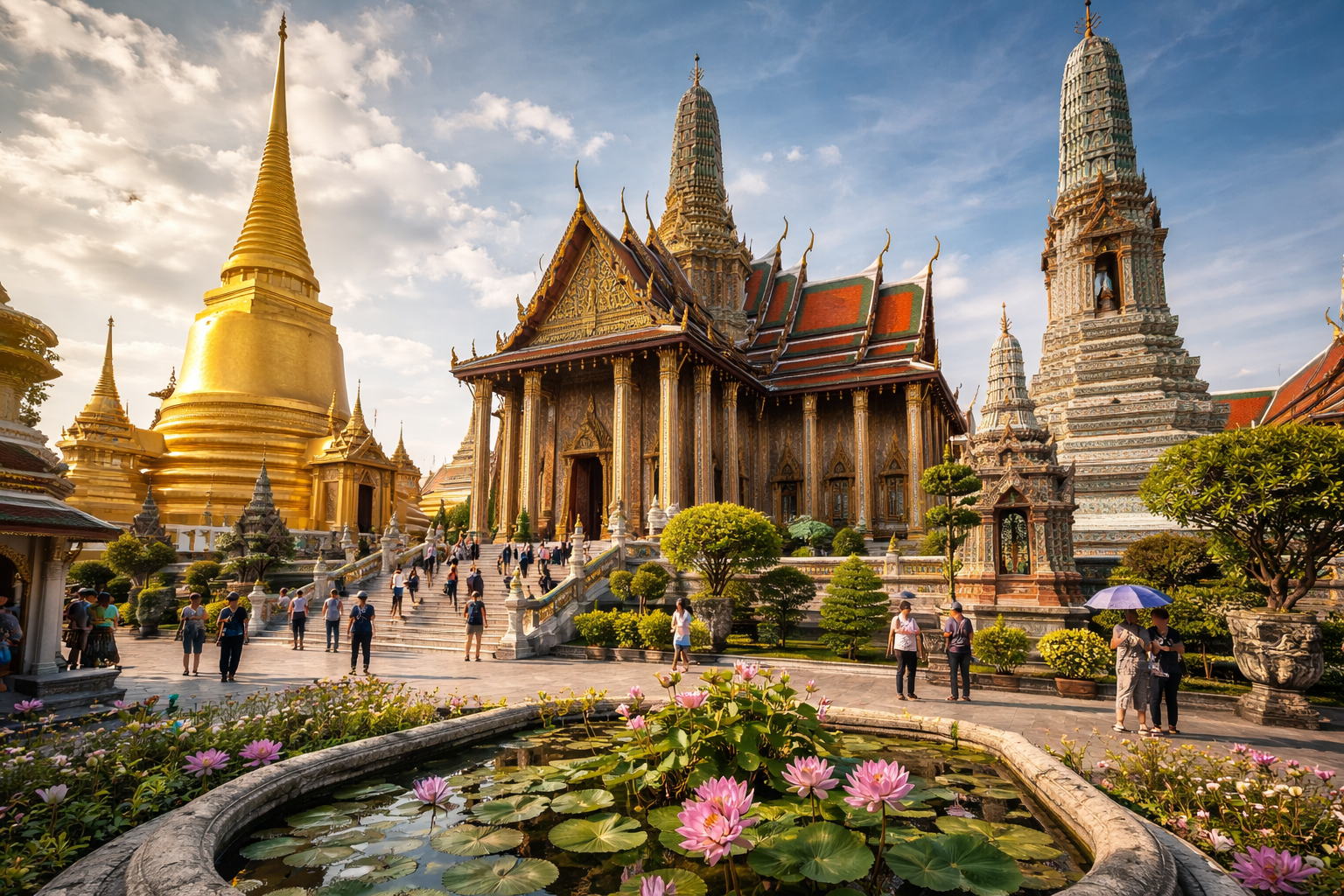
Stepping through the gates of Wat Phra Kaew is akin to entering another realm. The temple complex unfolds in a harmonious blend of color, detail, and sacred space. Gilded stupas rise dramatically against the sky, while intricate naga serpents guard the entranceways, a hallmark of classic Thai temple architecture.
Every step reveals a new marvel. The Outer Court, bustling with visitors and locals alike, leads you toward the majestic Ubosot—the ordination hall—where the Emerald Buddha is enshrined atop a high platform. Traditional attire and respectful silence pervade the main halls, a humbling reminder of the temple’s living spiritual purpose. The surrounding galleries are adorned with vibrant murals depicting scenes from the Ramakien, Thailand’s national epic, and visitors pause to admire the detailed artistry dating back to the late 18th century.
Outside, fragrant incense drifts through the air, mixing with the tropical breeze. Monks in saffron robes circle the compound silently, and the sound of chanting occasionally floats above the gentle buzz of cameras and hushed conversations. Photographers and pilgrims find equal inspiration amid the temple’s carefully tended gardens, decorative stupas, and shimmering tile mosaics.
Key Information Table
| Location | Na Phra Lan Road, Phra Borom Maha Ratchawang, Phra Nakhon, Bangkok, Thailand |
| Official Tourism Website | https://www.tourismthailand.org/ |
| Managing Authority / Government Site | https://www.royalgrandpalace.th/ |
| Opening Hours | 8:30 AM – 3:30 PM daily |
| Admission Fee | 500 THB (includes entry to the Grand Palace and Wat Phra Kaew) |
| Best Time to Visit | November to February (cool, dry weather; fewer crowds earlier in the morning) |
Immersive Cultural Experiences
Wat Phra Kaew is not merely a backdrop for photographs; it is a dynamic arena for cultural discovery and engagement. During your visit, witnessing Thai devotees performing wai (a traditional gesture of respect), offering lotus flowers, and leaving gilded leaves at shrines provides insight into Buddhist customs. Visitors are welcome to observe (and, with mindfulness and courtesy, participate in) these spiritual rituals that underscore the living traditions of Thai Buddhism.
Within the temple grounds, several pavilions display ancient Buddhist texts, rare artifacts, and exquisite examples of Thai craftsmanship, such as mother-of-pearl inlay doors and carved stone statuary. Knowledgeable guides, available at the entrance, offer tours in multiple languages, enriching your understanding of the temple’s significance and symbolic details. If time permits, join a guided meditation or simply find a quiet corner to observe the steady flow of monks and worshippers in their daily practices—a moment of peace amidst the vibrant city outside the palace walls.
Seasonal Festivals and Special Events
Wat Phra Kaew is intricately woven into Thailand’s ceremonial calendar, serving as the backdrop for royal religious events and Buddhist festivals.
One of the most significant annual events is the changing of the Emerald Buddha’s robes, conducted three times a year by the Thai King or his representative to mark the change in seasons—summer, rainy season, and winter. This sacred ritual, closed to the public but observed with great reverence from afar, is believed to bring prosperity and luck to the country. Visitors coinciding with this event can witness the surrounding festivities, which include special prayers and communal offerings.
Major Buddhist holidays, such as Makha Bucha, Visakha Bucha, and Asahna Bucha, see the temple filled with worshippers and lit by candlelight processions. These occasions offer travelers a unique chance to observe Thai spirituality at its most vibrant, with processions, devotional chanting, and respectful silence prevailing throughout the compound after sunset.
Google Map
How to Get There
Reaching Wat Phra Kaew is straightforward, as it occupies a central location in the Rattanakosin district of Bangkok. Travelers arriving by BTS Skytrain can alight at Saphan Taksin station, then transfer to a Chao Phraya Express Boat. Disembark at Tha Chang Pier, which is a short walk from the temple’s entrance. Several city bus routes and taxis also service Na Phra Lan Road. For those arriving from other parts of Thailand, Bangkok’s Suvarnabhumi International Airport offers easy access to the city, with taxi and rail options available for the short city transfer.
To ensure a smooth visit, it is advisable to arrive early in the day, especially during the high season. Street vendors and shops selling refreshments, hats, and clothing are readily available near the entrance, making it convenient for visitors to prepare for the temple’s dress code. Those with limited mobility will find that wheelchair rentals are available at the main gate.
Nearby Attractions and Local Eats
- Grand Palace Museum – Step into Thailand’s regal history through displays of royal regalia, costumes, and cultural artifacts located within the adjacent Grand Palace compound.
- Tha Maharaj Riverside Market – Experience local dining and riverside views at this vibrant market offering authentic Thai food, snacks, and artisan crafts just a short walk away.
Essential Travel Tips
Visiting Wat Phra Kaew requires observation of certain cultural practices and traveler-savvy advice. Dress modestly: both men and women must wear clothing that covers shoulders and knees. Sarongs and shawls are available for rent near the entrance, but preparing ahead will save time. Remove hats and shoes before stepping into temple buildings, and maintain a respectful demeanor—loud talking and public displays of affection are discouraged.
Crowds are heaviest midday, so early-morning or late-afternoon visits offer a more serene experience. Sun protection and hydration are important, particularly during Thailand’s hot months. Photography is permitted in outdoor areas but prohibited inside the main ordination hall. Observe signage and instructions from the temple staff at all times. Carrying small change and identification, especially if you plan to use public transportation or wish to rent additional cover-ups, is recommended.
What Makes This Destination Unique
Wat Phra Kaew stands as a monumental achievement in Thai religious architecture and spiritual devotion. The juxtaposition of tranquil sacred space with the dynamic energy of central Bangkok gives every visit a sense of discovery. Unlike other historical temples, its living heritage is kept constantly in motion by ritual, pilgrimage, and royal patronage.
The Emerald Buddha’s mysterious origins—whether from Lanna, Laos, or even India—continue to spark intrigue and reverence. The surrounding décor, alive with mythological motifs and centuries-old craftsmanship, serves as a visual lesson in Thai culture, Buddhism, and statehood. Travelers leave Wat Phra Kaew not only with awe-inspiring photos but also with a profound sense of connection to Thailand’s spiritual heart, where artistry and faith blend in ways both timeless and universal. To walk these grounds is to be both a witness to the past and a participant in living tradition, a rare privilege that elevates Wat Phra Kaew far above the ordinary travel itinerary.