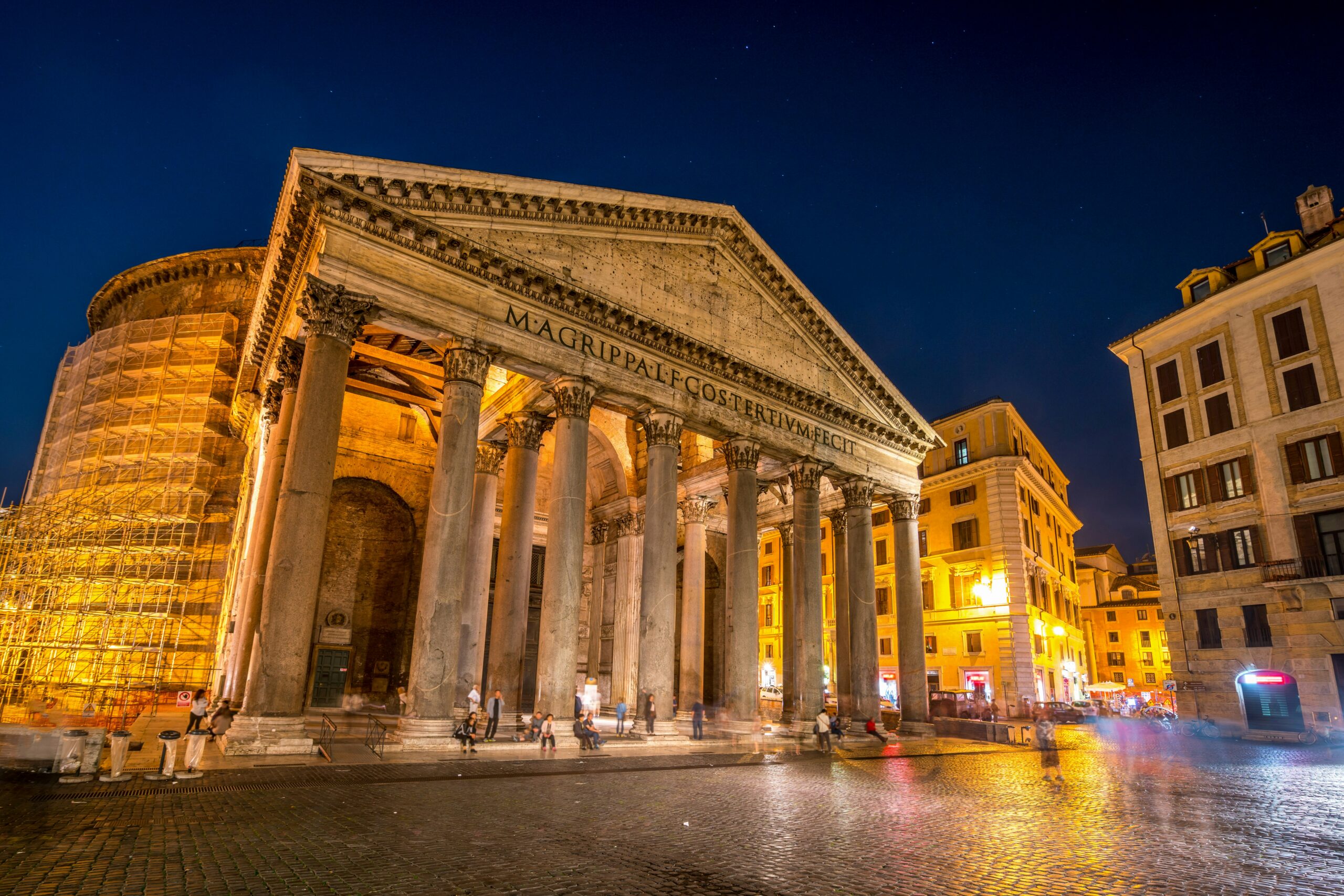
Pantheon Rome: Why It Still Blows You Away in Person (Best Time, Tickets & Entry Tips for 2026)
Pantheon Rome is the rare landmark that still delivers a real “wow” even if you’ve seen it a thousand times online—because the light, the silence, and that oculus hit differently in person.
Search Intent
You’re not just planning a visit—you’re trying to figure out if Pantheon Rome is actually worth your time in real life. This guide shows the best time to visit, how to avoid long lines, where to stand for the iconic oculus light, and how to experience it without rushing through one of Rome’s most powerful spaces.
🏆 Quick Summary (Read This First)
- ⏰ Best time: 09:00–10:30 for calm; 16:30–18:30 for the liveliest piazza vibe (and better exterior light).
- 🎟️ Tickets: weekends are the pain point—book early and don’t rely on “I’ll figure it out there.”
- 📸 Photo move: stand dead-center under the oculus, then do one slow clockwise loop to catch light changes.
- 🧭 Time needed: inside 45–75 min; add 60–90 min for a compact walking loop nearby.
- 🛡️ 2026 strategy: go early + pre-book + keep one “backup window” in case Rome weather flips.
“You walk in and your brain goes quiet. The space feels impossibly balanced—then the oculus pulls your eyes up like a magnet. One step in the center and you realize: this building isn’t old. It’s alive.”
What Pantheon Rome Feels Like (And Why It Still Works)
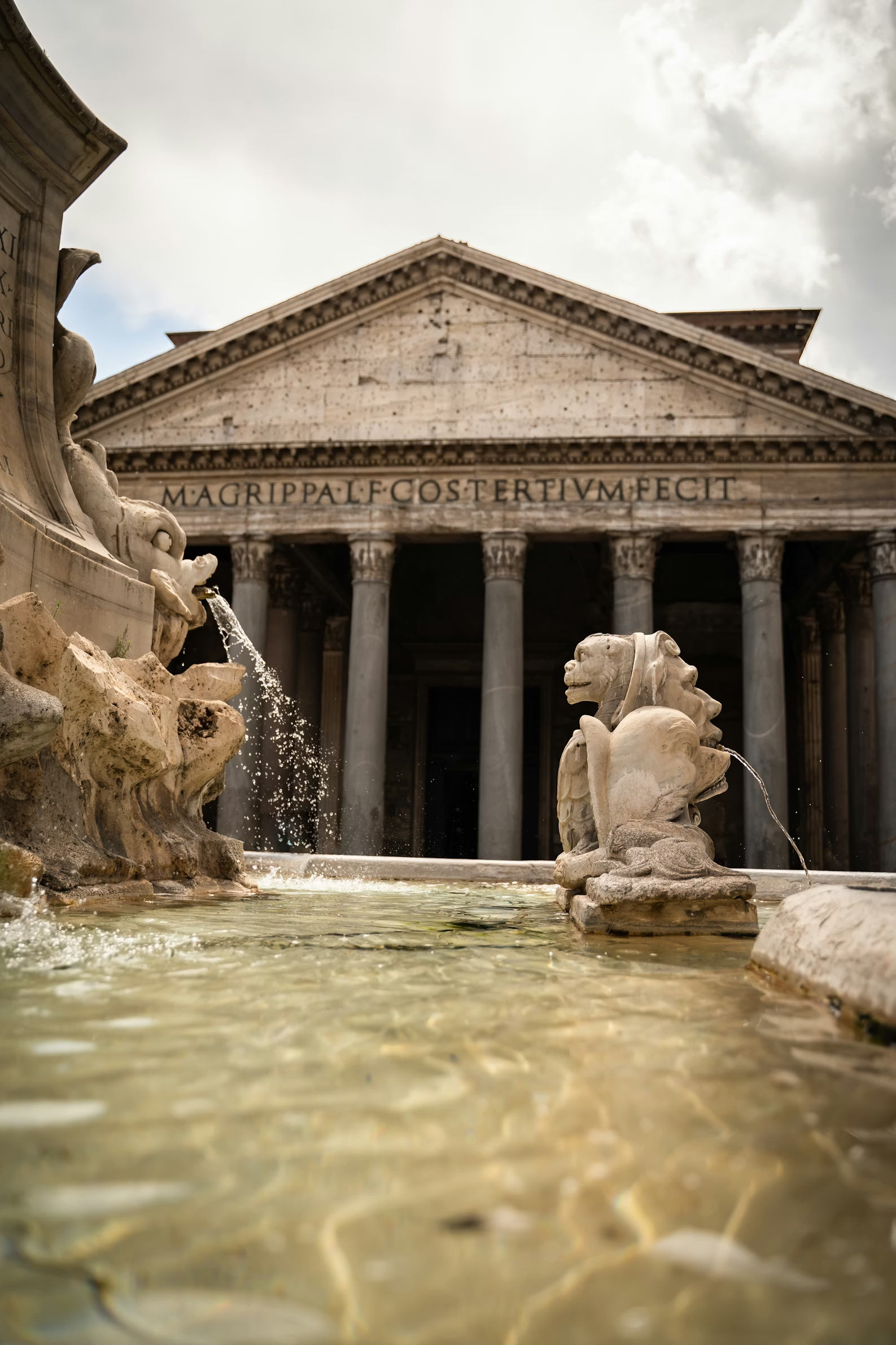
✨ Experience Note #1: The Center-Spot Test
Walk straight to the middle of the floor (you’ll see people naturally gravitate there). Stop for 20 seconds. The “crowd noise” becomes a soft hum, and the dome starts to feel bigger than your eyes can measure. This is the moment the Pantheon becomes personal, not just “a famous building.”
A tiny bit of context (only what helps your visit)
Built and rebuilt across Roman eras, the Pantheon survives because it transitioned into an active church—meaning it wasn’t dismantled for stone like other ancient sites. Today, it’s both a monument and a living religious space, so dress and behavior matter.
Key Info (Quick Check)
| Category | Details |
|---|---|
| Location | Piazza della Rotonda, Rome (historic center) |
| Typical time inside | 45–75 minutes (add time for queues) |
| Dress code | Shoulders + knees covered (active church) |
| Best photo windows | 09:00–10:30 (calm) / late afternoon (exterior + piazza mood) |
💡 Tip #1: Do the “One Slow Lap” Rule
Don’t ping-pong around. Stand center → look up → do one clockwise loop. You’ll catch the dome’s coffers, chapels, tombs, and the changing light in the cleanest order.
⚠️ Warning #1: The “Weekend Walk-in” Myth
In peak season, weekends can punish last-minute travelers. If Pantheon Rome is a priority, treat it like a timed attraction: book first, then build the rest of your day around it.
A vs B: Morning Entry vs Late Afternoon Visit
Both are good—your choice depends on whether you want calm interior time or a full “Rome is alive” piazza atmosphere.
| Metric | Morning (09:00–10:30) | Late Afternoon (16:30–18:30) |
|---|---|---|
| Crowds | Best chance for breathing room | Busier, but more energy |
| Photos | Clean interior shots, softer light | Better exterior/piazza vibe |
| Best pairing | Trevi → Pantheon → lunch | Pantheon → Piazza Navona → dinner |
✨ Experience Note #2: The “Look Back” Trick
Everyone stares up. Do this instead: stand near the far end of the rotunda and look back toward the entrance. The contrast between the heavy bronze doors and the open sky makes the whole building feel even larger.
🔵 Insider Hacks (Real-world fixes)
- Rain is a feature: If it rains, go anyway. Watching the rain fall through the oculus is unforgettable (and the floor drains handle it).
- Two-minute espresso escape: The piazza cafés are convenient, not legendary. Walk a couple minutes for a better coffee and lower prices.
- Center-line photos: Keep your frame symmetrical—center the oculus and let the floor lines guide your composition.
- Quiet wins: If you want the “cathedral silence” feeling, go early and move slowly. Rushing kills it.
💡 Tip #2: Build a Backup Window
Rome days slip. Give yourself a second possible slot (even 60 minutes) so you’re not forced into a worst-time visit if the morning gets eaten by delays.
⚠️ Warning #2: Dress Code is Not “Flexible”
Shoulders and knees covered. If you’re visiting in summer, carry a light scarf or overshirt. It’s the easiest way to avoid a pointless denial at the door.
Step-by-Step Walking Loop (High-Value, Low-Stress)
This is the loop that feels “full Rome” without turning into a marathon. Adjust the pace, not the order.
- Approach (Trevi side if possible): narrow streets → sudden reveal = best first impression.
- Center spot inside: 20 seconds stillness → look up → feel the scale.
- Clockwise loop: chapels + tombs + dome details in one clean sweep.
- Exit and reset: 5-minute pause in Piazza della Rotonda (quick photo + people-watch).
- Continue to Piazza Navona: finish with open-space Baroque energy.
✅ Quick Checklist (Don’t forget)
- Ticket plan (especially weekends)
- Shoulders/knees covered
- Small water + patience for Rome queues
- Camera/phone ready for symmetry shots
- One backup time window
✨ Experience Note #3: The Oculus “Light Mood”
On bright days, the interior feels almost theatrical. On cloudy days, it turns soft and meditative. Either is “better”—but if you want maximum drama, aim for brighter weather and later afternoon presence in the piazza.
💡 Tip #3: Audio Etiquette = Better Photos
Speak half as loud as you think you should. The acoustics amplify everything—quiet visitors get the best “time capsule” feeling (and cleaner video audio too).
⚠️ Warning #3: Bag Awareness in the Piazza
This is central Rome. Keep phones off café tables, zip bags fully, and don’t leave anything hanging behind a chair.
FAQ (Pantheon Rome)
Yes—especially on weekends and peak seasons. Treat Pantheon Rome like a timed entry attraction to avoid losing half your day.
The oculus brings light, relieves structural weight, and creates the Pantheon’s signature “sky inside a building” effect.
Yes. Rain falls through the oculus and drains through the floor system—seeing it in person is surprisingly beautiful.
Most travelers are happy with 45–75 minutes. Add time if you want slower photography or if the entrance queue is long.
Yes. Shoulders and knees covered because it’s an active church. Carry a light scarf/overshirt in summer.
For clean interior shots, go early. For exterior + atmosphere, late afternoon is better. If you’re chasing drama, brighter weather helps.
Yes—easy interior route, no complex navigation. Just plan snack/water and set expectations for quiet voices inside.
The smooth move is a short reset in the piazza, then continue toward Piazza Navona for a bigger “Rome streets” payoff.
Waiting until midday, ignoring dress code, and spending 20 minutes only at the entrance without doing the center-spot + clockwise loop.
Use the official ticket portal and official cultural sources listed below—avoid resellers that inflate prices for the same entry.
Plan Your Rome / Italy Route Next
- ➜ Rome loop: Piazza Navona Guide
- ➜ Big landmark views: Best Views from the Colosseum
- ➜ Italy hub: Italy Attractions Hub
- ➜ Venice icon: Rialto Bridge Venice Guide
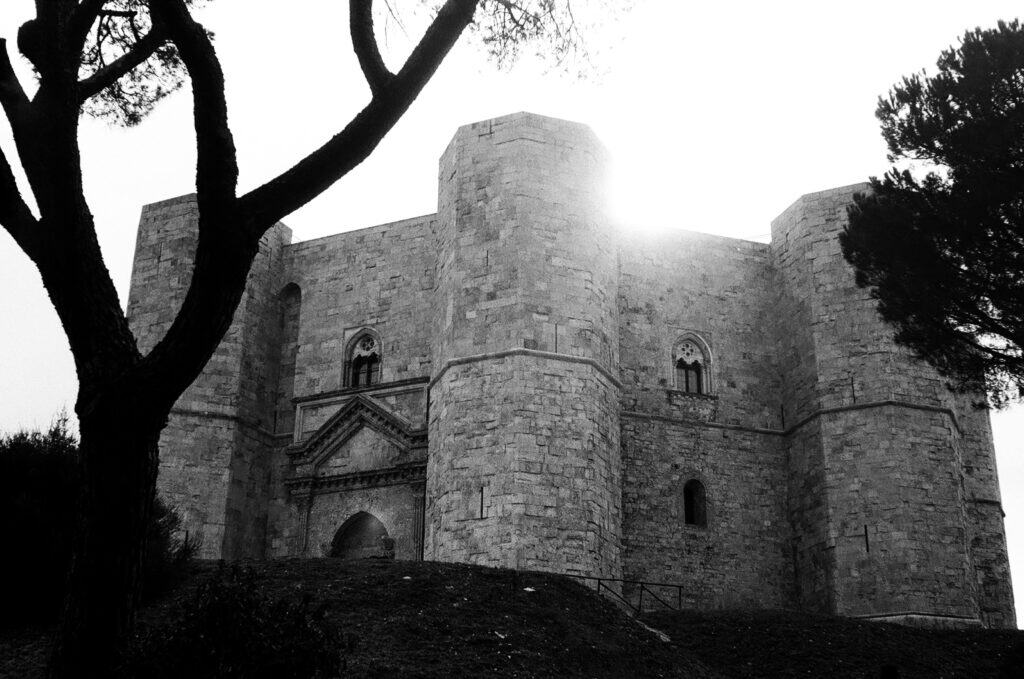
- ➜ Southern Italy gem: Castel del Monte Andria Guide
It protects your time (ticket strategy), protects your experience (quiet + center-spot), and gives you a simple loop that makes Rome feel coherent instead of chaotic.
Google Map: Pantheon Rome Location
📌 Quick Summary (5 lines)
- Pantheon Rome is best early for calm, late afternoon for piazza energy.
- Weekend planning matters: book first, then build your day.
- Inside: stand center → one clockwise loop → exit reset.
- Dress code is real—carry a cover-up in summer.
- Pair with Piazza Navona for the cleanest walking loop.
Next Step
If you’re building a full Italy route, jump to the Italy Attractions Hub and stitch 2–3 cities together with the same “book-first + loop” strategy.
Author Note: This guide was updated in 2026 with practical timing strategy, walking flow, and visitor etiquette for Pantheon Rome.