how to access from Tokyo/Sendai, whether cycling is worth it, where swans gather in winter, and what nearby spots to pair for a full day.
- Signature view: Mt. Bandai mirrored on the lake—go early morning for the calmest water.
- Best seasons: spring (fresh air + blossoms), autumn (foliage), winter (swans + crisp blue light).
- Best way to enjoy: pick 2–3 lakeside stops + one activity (cycling / beach walk / onsen) instead of “driving the whole loop.”
- Nature cred: the lake is recognized as a Ramsar wetland site—wintering habitat for swans and ducks.
- Easy pairing: Mt. Bandai / Urabandai area + an onsen to finish the day warm and satisfied.
Essential Info at a Glance
| Feature | Details |
|---|---|
| Location | Inawashiro / Aizu area, Fukushima Prefecture, Japan (Tohoku region) |
| Nickname | “Heavenly Mirror Lake” (Tenkyō-ko) — known for clear reflections |
| Why it’s famous | Mt. Bandai views + wide shorelines + strong seasonal scenery (water sports in summer, swans in winter) |
| Size (planning note) | Approx. ~100–103 km² (large enough to feel “sea-like” from shore) |
| Entry fee | No general entry fee (specific facilities/activities may charge) |
| Best time to visit | Spring (Apr–May), Autumn (Oct–Nov), Winter (swans + crisp light) |
| Top activities | Lakeside viewpoints, cycling, boating/watersports (summer), birdwatching (winter), nearby onsen |
| Access headline | Reachable from Tokyo via Shinkansen + local connections; the wider area is promoted as a convenient Tohoku nature escape |
What Lake Inawashiro Feels Like (Real Traveler Lens)
The first thing you notice is space. The horizon is wide, the shoreline breathes, and even on a “busy” day the lake can feel unhurried.
It’s not a destination that shouts. It invites you to listen.
The second thing is light. In the morning it’s clean and sharp, and at dusk it turns soft—like a filter you didn’t ask for but needed.
When the water is still, Mt. Bandai’s reflection looks almost unreal, the way a perfectly folded paper crane looks too precise to be handmade.
And then there’s the seasonal rhythm: in summer you’ll see people on the water; in autumn, the lake becomes a color stage;
in winter, the air turns crisp and you start noticing birds and silence. It’s a place that rewards repeat visits because it never looks the same twice.
Why Visit Lake Inawashiro
Lake Inawashiro is often described as Japan’s “Heavenly Mirror,” and that nickname makes sense the moment you see the water on a clear day.
But the deeper reason to visit is this: it’s a complete nature day—views, air, activity options, and a finishing move (onsen) that makes the whole trip feel intentional.
It’s also a rare kind of “easy nature.” You don’t need advanced hiking skills or an all-day trek to get something meaningful.
You can park, walk five minutes, and feel like you’ve stepped into a calmer version of Japan—one that locals quietly treasure.
Then, if you do want more, the region opens up: Mount Bandai’s landscapes, the wider Bandai-Asahi area, and a set of seasonal experiences that range from water sports to winter birdwatching.
If you’re deciding quickly:
- Come for: Mt. Bandai reflections, big-lake scale, clean air, and a low-stress outdoor day.
- Best for: couples, families, photographers, cyclists, and travelers who want “Japan, but quieter.”
- Not ideal if: you need constant city energy or you dislike driving/rural pacing.
The Best Half-Day Plan (That Feels Full, Not Rushed)
Lake Inawashiro is large, and trying to “do everything” can turn your day into a driving loop.
Here’s the smarter plan: choose 2–3 shoreline moments and one main activity. That’s the formula for a day you’ll actually remember.
Morning is your best chance for calm water and sharp reflections. If you want the “mirror lake” moment, go early.
Even if you’re not a sunrise person, “arrive before the crowd” changes the entire vibe.
Choose one beach or shore segment and walk slowly. The lake’s power is in its scale—give your eyes time to adjust.
This is where photos become “place memories,” not just scenery.
Summer: water play (boating / boardsailing / swimming where permitted). Winter: swan viewing and crisp lakeside walks.
Shoulder seasons: cycling or a scenic drive to viewpoints. Choose one “main thing” and do it properly.
The perfect ending is an onsen soak or a slow local meal. It completes the day’s rhythm—cold air + warm water is peak Japan logic.
Experience note:
If you leave thinking “I wish I stayed at that viewpoint 20 minutes longer,” you did it right.
What to Do Around the Lake (The Worth-It List)
The classic “Heavenly Mirror” shot is all about weather: calm air, clear sky, and a clean horizon line.
Aim for early morning or a very still evening.
Cycling turns the lake from “a view” into “a story.” You notice the wind, the smell of pine, and the way the light changes as you move.
If you only do one activity, this is often the most satisfying.
In warm months, the lake supports classic water activities. If you’re traveling with family or friends, this is when Inawashiro feels like a lakeside resort day—without the mega-crowds.
The lake is an important wintering habitat for waterbirds, including swans and ducks.
Bring binoculars if you have them—but even without, the experience is powerful: white birds on a blue-gray lake under a cold sky.
Immersive Cultural Experiences (Beyond the Shoreline)
Lake Inawashiro is not only nature—it’s also a gateway to the Aizu/Fukushima cultural landscape.
The best way to feel the region is to pair your lake time with one “human story” stop.
Small-town Japan here feels grounded and warm. This is where you slow down, eat simply, and realize your shoulders dropped without asking permission.
If your schedule allows one night, consider a ryokan stay in the wider area. Tatami rooms, seasonal meals, and a hot spring soak turn your nature day into a full-body memory.
Lake Inawashiro sits in a broader nature region connected with Mt. Bandai and the Bandai-Asahi area. If you want a “more wild” second day, that’s where to look next.
Insider Tips & Warnings (Save Your Day)
The lake is huge. If you try to “sample” ten spots, your day becomes car time. Choose 2–3 scenic moments and let the place land.
Lake weather changes fast. Wind off the water can feel colder than expected, especially in spring/fall and near sunset.
Winter is stunning (swans, clear light), but roads and paths can be icy. Plan extra time, wear proper traction shoes, and avoid rushing between stops.
Lake Inawashiro vs Lake Kawaguchiko (Which One Fits Your Trip?)
Many travelers know Lake Kawaguchiko (Mt. Fuji area). Lake Inawashiro plays a different role: less famous internationally, often calmer, and strongly seasonal in a “local Japan” way.
Use this to choose based on your vibe, not popularity.
| Category | Lake Inawashiro (Fukushima) | Lake Kawaguchiko (Fuji area) |
|---|---|---|
| Icon view | Mt. Bandai reflections + wide “sea-like” lake scale | Mt. Fuji postcard view + classic tourist infrastructure |
| Crowds | Often calmer, especially off-peak | Can be very crowded in peak Fuji seasons |
| Best for | Quiet nature day + cycling + winter swans + onsen pairing | First-time Japan “must-see” Fuji lake experience |
| Choose this if… | You want Tohoku’s calmer, more local beauty | You want the “Fuji classic” in a shorter Tokyo loop |
Season-by-Season: What to Expect
Fresh air, crisp visibility, and that “new season” feeling. It’s one of the best times for calm views and comfortable walking—bring layers for wind.
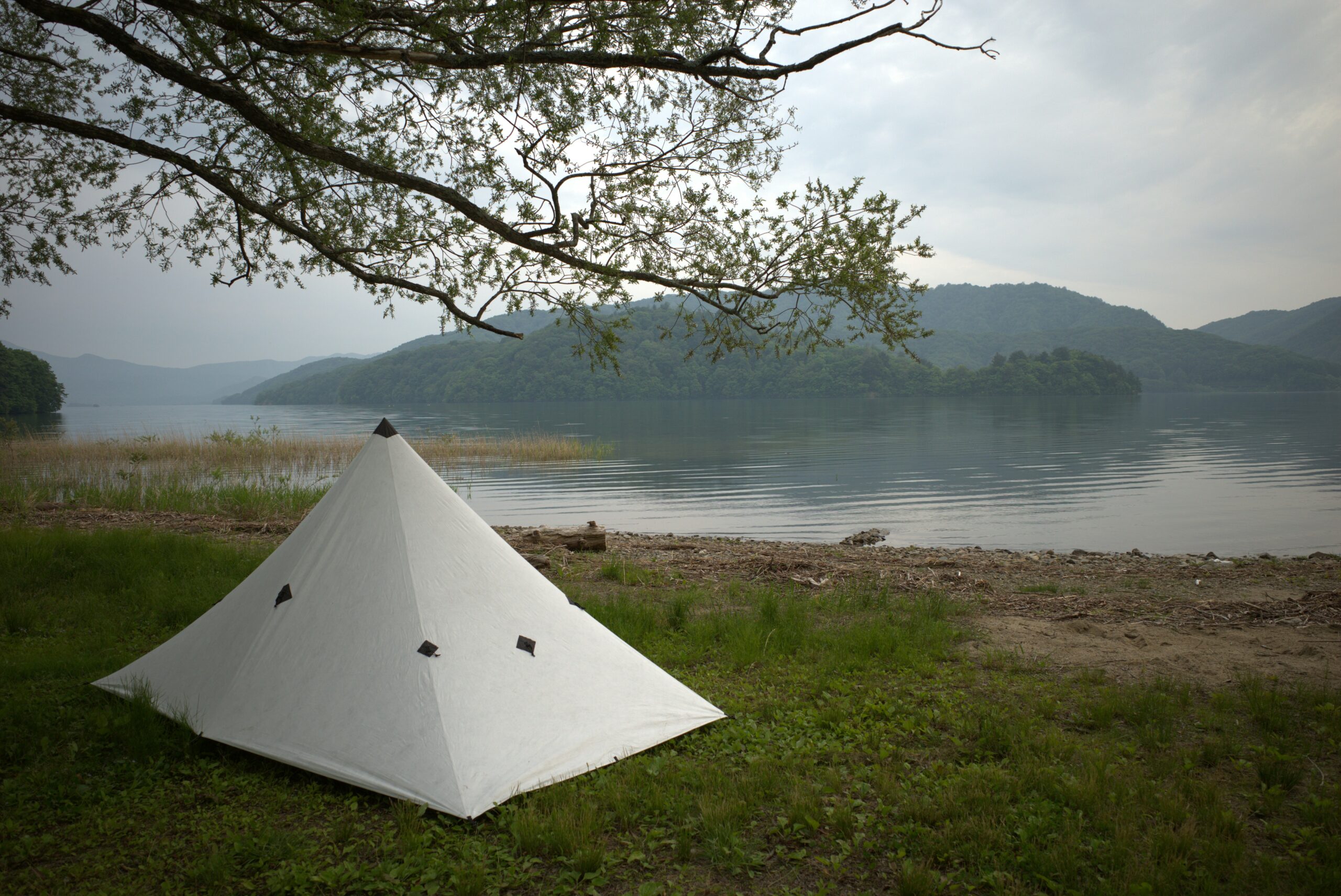
This is when the lake becomes active—water sports, lakeside camping vibes, and long daylight hours. If you love “outdoor play,” summer is peak.
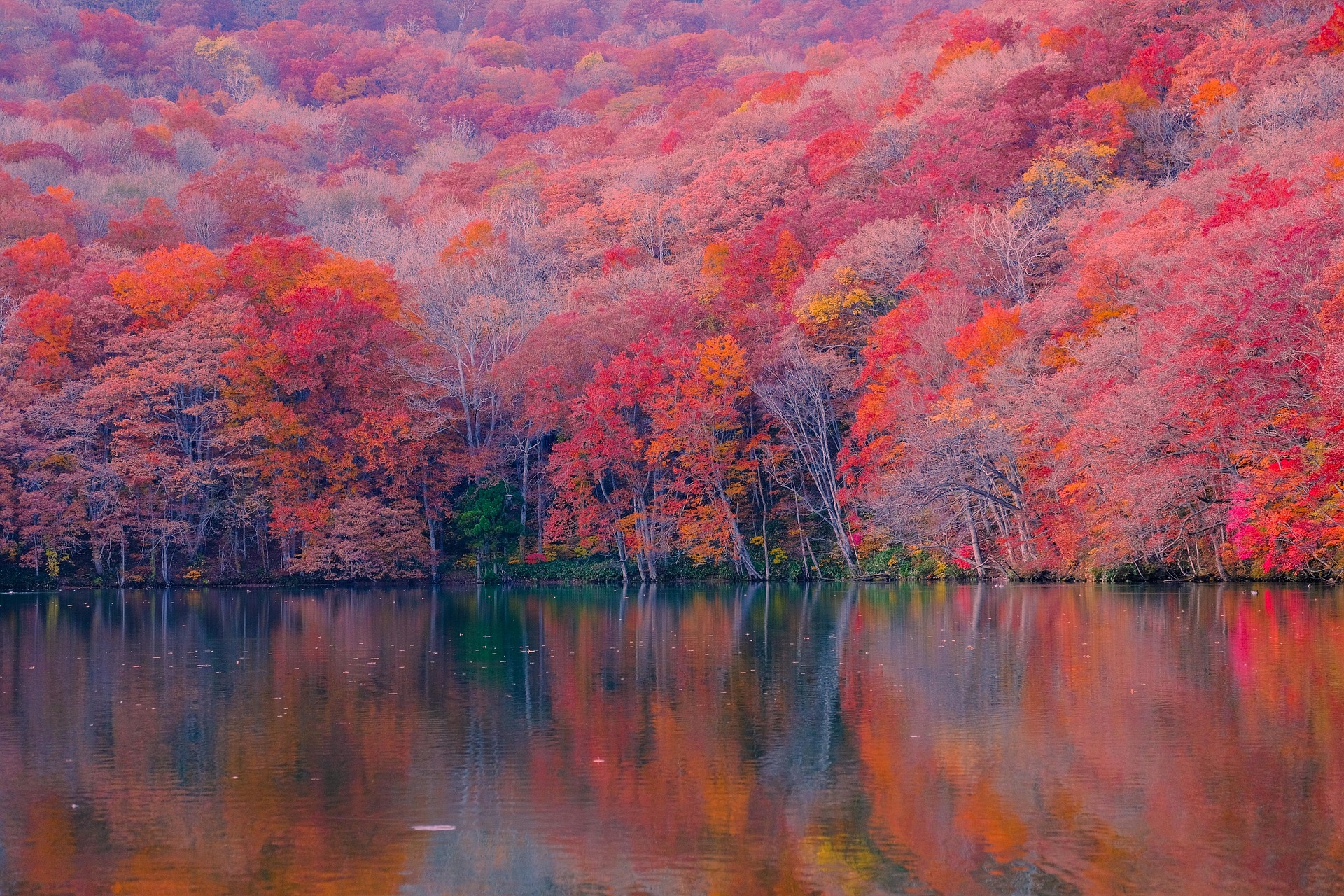
The color contrast (blue lake + warm foliage + mountain silhouette) is the photogenic peak. Plan your day around golden hour—this is when Inawashiro looks like a painting.
Winter brings swans and a stillness that feels uniquely Japanese. The lake does not always fully freeze, which supports wintering waterbirds.
Dress warmly and build in extra driving time.
How to Get There (Simple Logistics)
Lake Inawashiro is a realistic escape from big-city Japan: you can reach the area from Tokyo by taking the Shinkansen north and connecting onward.
The wider region is promoted as an accessible Tohoku nature playground—meaning you don’t need an expedition mindset to enjoy it.
- By train: Shinkansen to Koriyama area + local connection toward Inawashiro Station (then bus/taxi onward).
- By car: best flexibility for viewpoints and onsen stops; easy to turn this into a full loop day.
- Local transport: works, but rural schedules can be seasonal—check day-of timing if you’re going car-free.
Planning hack:
Checklist + Mini Itinerary (Easy Mode)
- Layers + windproof outer (lake breeze is real)
- Comfortable walking shoes
- Water + small snacks (rural pacing)
- Cash (some local places still prefer it)
- Translation app (helpful off the main routes)
- One “mirror lake” viewpoint stop (morning)
- One shoreline walk (slow pace)
- One activity (cycling or water time)
- One warm finish (onsen or cozy meal)
Mini itinerary (half day):
Frequently Asked Questions
Is Lake Inawashiro worth visiting as a day trip?
Why is it called the “Heavenly Mirror Lake”?
What is the best time of day for reflections?
Can you see swans at Lake Inawashiro in winter?
Do you need a car to visit Lake Inawashiro?
How long should you plan at the lake?
Is there an entrance fee?
What should you pack for spring and autumn?
What’s the best nearby pairing with Lake Inawashiro?
Related Trip Nexus Guides
Pair Lake Inawashiro with these Japan essentials for a smoother trip plan:
- Japan Travel Guide: Planning Basics + Best Seasons
- Japan Transport Guide: Trains, Passes, and Rural Connections
- Japan Onsen Etiquette: How to Soak Like a Local
- Japan eSIM vs Pocket Wi-Fi: What to Choose
- Tohoku Itinerary Guide: Quiet Japan Route Ideas
Official & Authoritative Resources
- Fukushima official travel info: fukushima.travel
- Inawashiro / Bandai local tourism (official association): bandaisan.or.jp
- Japan National Tourism Organization (JNTO): japan.travel (Lake Inawashiro)
- Ramsar (wetland listing): rsis.ramsar.org
- Bandai-Asahi National Park context: bandai-asahi.com
Google Map
then end with an onsen. That’s how this place becomes a memory, not just a photo.