Noto Cathedral Sicily Guide: Best Time to Visit, Photo Light Strategy & What Actually Makes It Special
Noto Cathedral Sicily is the kind of place that looks “pretty” in photos—but hits way harder in real life.
You stand in Piazza del Municipio and the whole city feels staged for golden light: honey-colored stone, long shadows, and that calm Baroque symmetry.
This is the high-impact guide: what matters, when to go, what to notice, and how to build a half-day Noto loop that actually feels complete.
You’re trying to plan a smart visit: when to go for the best light, how long to stay, what to look for (so it doesn’t feel like “just another church”),
what’s free vs paid, what to combine nearby, and the quick mistakes that make people leave feeling underwhelmed.
Quick Summary (Save This)
- Best for: Baroque lovers, photographers, and “high impact per minute” travelers.
- Time needed: 30–60 minutes inside + 15 minutes for piazza views; 3–4 hours for a full Noto highlights loop.
- Best light: late afternoon for golden façade; early morning for calm + clean shots.
- Smart pairing: Cathedral → Corso Vittorio Emanuele → Palazzo Nicolaci (Via Nicolaci) → San Carlo viewpoint → gelato stop.
- Big mistake: walking in, walking out. The “wow” is outside + the piazza geometry + the city’s UNESCO story.
Quick Planning Snapshot
| Location | Piazza del Municipio, 96017 Noto (SR), Sicily, Italy |
|---|---|
| Official name | Cattedrale di San Nicolò (Noto Cathedral) |
| Entry | Typically free (donations welcome). Some areas or museums in town can be ticketed separately. |
| Opening hours | Hours can change by season and services. The safest rule: visit mid-morning or late afternoon and always re-check before you go (especially on feast days). |
| UNESCO context | Noto is part of the UNESCO World Heritage listing: “Late Baroque Towns of the Val di Noto”. (This matters because the cathedral isn’t a “solo attraction”—it’s a centerpiece inside a city-wide Baroque plan.) |
| Why it feels different | The cathedral’s story includes collapse and restoration: the dome collapsed in 1996, and the cathedral reopened after major restoration in 2007. That’s why the interior can feel clean, bright, and “reborn.” |
| Best time for photos | Late afternoon for honey-stone glow + dramatic shadows; early morning for quiet frames and minimal crowd clutter. |
Source links used for verification (official/authority): UNESCO WHC (Val di Noto listing), Diocese history page, Vatican/authority references.
See “Related Official Resources” near the bottom.
Why Visit Noto Cathedral Sicily
Noto Cathedral is the “center of gravity” in town. You can like Noto without it—but you can’t really understand Noto without standing in this piazza and
seeing how the street, the steps, and the façade all cooperate.
Baroque cities can feel theatrical, and Noto leans into that in the best way: it’s not chaotic, it’s composed.
- UNESCO city logic: the cathedral is part of a larger Baroque “system” (streets + viewpoints + façades).
- Golden limestone effect: Noto’s stone reacts to light like a filter—sunset turns everything warm.
- Rebirth story: 1996 collapse → 2007 reopening makes the interior feel clean, bright, and modern-sacred.
If you’re short on time, this is still worth it because it’s a two-layer attraction:
the inside is peaceful, but the outside + piazza is where Noto’s Baroque “stage design” clicks.
Do it slowly and you’ll leave with that “I get why people love Sicily” feeling.
What It Feels Like (Real Visit Mood)
The vibe is surprisingly calm. You expect “tourist spectacle,” but the cathedral is more like a light-filled pause button.
Outside, the piazza has that Italian flow—people drifting, stopping for photos, sitting on steps, grabbing espresso.
Then you walk in and everything softens: cooler air, quieter sound, and that sense of “this place has been through things.”
Before you enter, walk to the bottom of the cathedral steps and turn around.
The view back down Corso Vittorio Emanuele gives you the “Baroque city as a designed scene” moment.
Then go inside. You’ll notice more because your brain already mapped the stage.https://trip-nexus.com/destinations/europe/italy/italy-attractions/vatican-museums-rome-guide/
What to See: A Simple Walk-Through (So It Doesn’t Feel “Generic”)
The staircase is not “just stairs.” It’s the Baroque trick: the climb creates anticipation, the landing gives the façade dominance,
and the piazza frames your photos like a built-in stage.
Come twice if you can: morning for clean detail shots, late afternoon for glow and contrast.
The limestone shifts from pale gold → deep honey as the sun drops.
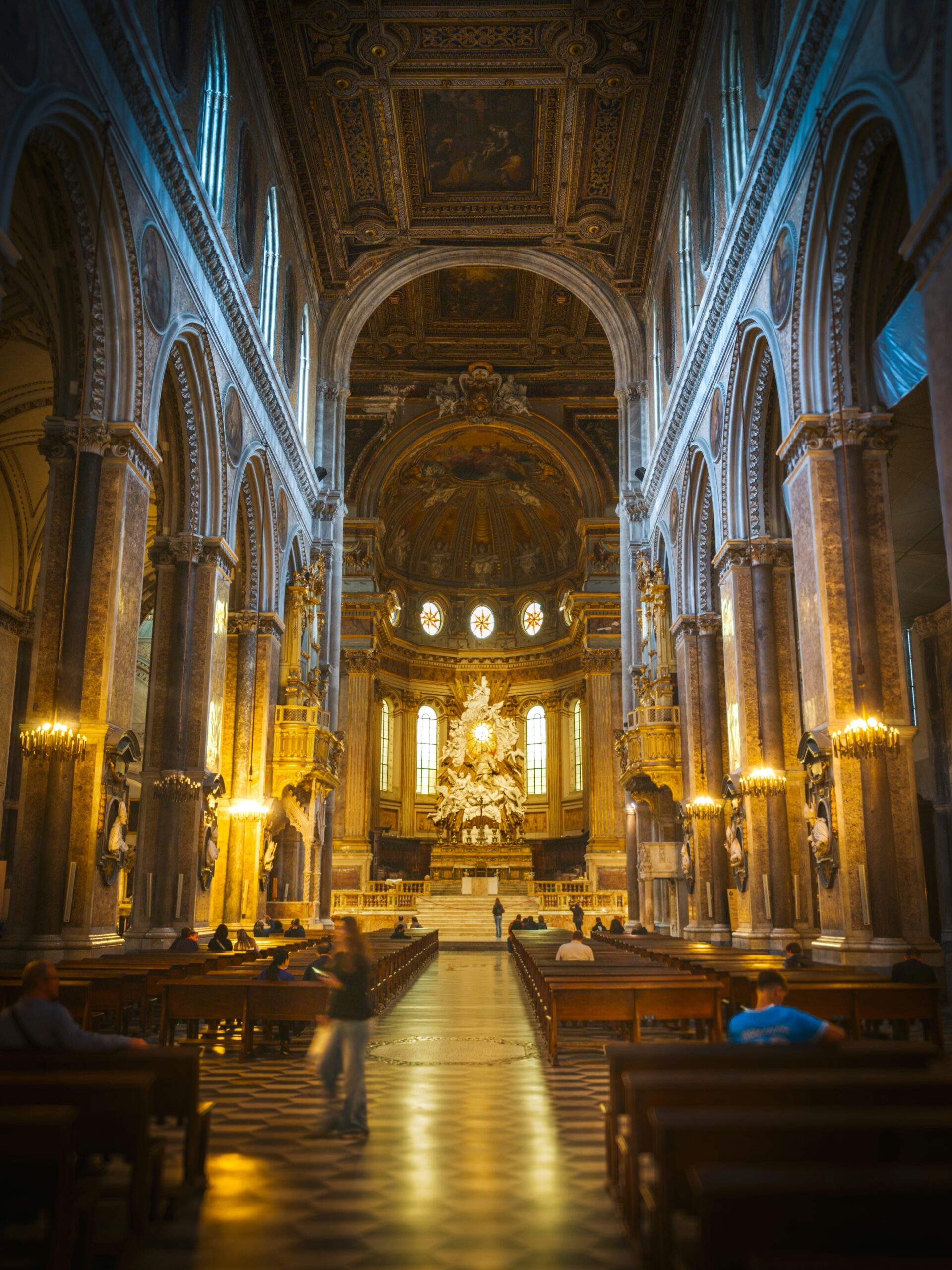
If you expected heavy medieval darkness, Noto can surprise you. Because of the modern restoration story,
the interior often feels clean and luminous—less “museum,” more “breathing space.”
Keep your voice low, skip flash photography, and treat service time like a hard boundary.
Why Noto Exists Like This: The 1693 Earthquake → UNESCO Baroque Rebuild
Here’s the short version (because it makes your visit 10x better): Noto’s Baroque beauty is not random.
After the catastrophic 1693 earthquake in southeastern Sicily, the region rebuilt with a unified Baroque approach.
That’s why UNESCO lists the “Late Baroque Towns of the Val di Noto” as a connected cultural achievement—not isolated monuments.
The cathedral’s dome collapsed in 1996 and the building reopened after major restoration in 2007.
So when you hear “rebirth,” it’s not just poetic language—it’s literally the modern chapter of the building.
Practical Visit Plan (Fast + Low-Stress)
- 15–25 min: outside + steps + piazza photos (minimum “worth it”).
- 30–60 min: add interior calm visit + details.
- 3–4 hours: cathedral + best streets + palazzo balconies + viewpoint + snack stop.
For clean photos: early morning. For magical stone color: late afternoon.
Midday is fine, but it’s the harshest light (flat photos, squinting, less drama).
Best Half-Day Noto Loop (3–4 Hours, Feels Complete)
- Noto Cathedral (45–60 min) — steps, piazza, interior calm
- Corso Vittorio Emanuele (20–30 min) — classic Noto street energy
- Via Nicolaci / Palazzo Nicolaci (30–60 min) — balcony “wow” moment
- San Carlo al Corso (viewpoint) (20–30 min) — skyline + golden roofs
- Sweet stop (20–30 min) — pastry/gelato to end on a Sicilian high note
Do the cathedral first while your attention is fresh. Then let the city “carry you” with the street walk.
If you reverse it (shopping first → cathedral last), you’ll arrive tired and treat the cathedral like a checkbox.
Insider Tips & Warnings (Save Your Visit)
Angle A: from the lower piazza looking up. Angle B: from slightly off-center to catch the steps + façade symmetry.
Two intentional angles beat 20 “meh” shots.
If you can, plan Noto Cathedral for late afternoon, then do indoor museums or long drives at midday.
Noto is a light city—timing is everything.
Even if you’re not religious: stand still for 60 seconds. The cathedral works as a reset—especially after the bright streets.
Churches aren’t museums. If a service is happening, your “tour mode” can feel disrespectful fast. Adjust timing and return later.
Think shoulders covered and respectful outfits. It avoids awkward entry issues and keeps the vibe smooth.
After rain, steps can get slippery. Slow down—especially if you’re chasing sunset shots.
A vs B: Noto Cathedral vs Palermo Cathedral
| Choose based on… | Noto Cathedral | Palermo Cathedral |
|---|---|---|
| Best feeling | Baroque harmony + golden-light city stage | Big-city power + layered styles + stronger “royal history” vibe |
| Time needed | 45–90 minutes (plus strolling) | 90–150 minutes (plus city logistics) |
| My verdict | Best if you want “Sicily at its prettiest” with minimal effort | Best if you want “Sicily at its most complex” in a bigger city day |
Quick Checklist (So You Don’t Miss the Good Part)
- Check opening status on the day (services/feast days can change access).
- Pick your photo light window: early morning or late afternoon.
- Do the “turnaround view” from the steps down Corso Vittorio Emanuele.
- Bring a light layer (church interiors can feel cooler).
- Plan one food stop so the half-day feels like a real “Noto memory,” not just architecture.
FAQ
Is Noto Cathedral Sicily worth visiting if I’m short on time?
Yes—because it’s a two-part experience: the piazza + façade drama outside, and the calm interior inside.
Even a 30–45 minute visit can feel meaningful if you do the steps + viewpoint approach.
Is the cathedral part of UNESCO?
Noto is included in the UNESCO World Heritage listing “Late Baroque Towns of the Val di Noto”, which is why the whole city feels architecturally unified.
When is the best time for photos?
Late afternoon for golden glow and shadows that sculpt the façade; early morning for quieter shots.
Is it free to enter?
Entry is typically free (donations welcome). Rules can change for special exhibitions or events, so it’s smart to double-check before arriving.
What should I wear?
Modest, respectful clothing (think covered shoulders). It keeps entry smooth and avoids awkward moments during services.
Why does the interior feel “newer” than expected?
The cathedral’s modern story includes collapse and restoration (dome collapse in 1996 and reopening after restoration in 2007),
so the interior can feel bright and renewed compared to older, untouched cathedrals.
How long do I need in Noto overall?
If you want the “classic Noto feeling,” plan 3–4 hours with the cathedral + street walk + Via Nicolaci + viewpoint + a sweet stop.
What’s the best pairing after the cathedral?
Via Nicolaci / Palazzo Nicolaci for the biggest “Baroque detail” payoff, then a viewpoint (San Carlo al Corso) to see the city glow.
Related Official Resources
- UNESCO World Heritage Centre — Late Baroque Towns of the Val di Noto (official listing)
- Diocese of Noto — Cathedral history (official church authority page)
- BeWeB (Italian Church cultural heritage) — Cathedral record
- Catania Piazza Duomo Guide: Best Time to Visit & Easy Walking Loop
- Rialto Bridge Venice Guide: What to Know Before You Go
- Castel del Monte Guide (2026): Tickets, Hours & Must-Know Tips
- Bridge of Sighs Venice: Photo Spots, Timing & Quick Plan
- Vatican Museums Rome Guide: Tickets, Timing & Strategyhttps://trip-nexus.com/destinations/europe/italy/italy-attractions/vatican-museums-rome-guide/
Next Step
If you only have half a day, start at the cathedral when the light is good, then let the city guide you:
Corso Vittorio Emanuele for flow, Via Nicolaci for detail, and one sweet stop to finish like a local.