Hong Kong Visa Guide 2026: Visa-Free Stay, Documents, Fees & Entry Checklist
This Hong Kong Visa Guide helps you enter smoothly—whether you’re arriving visa-free, applying for a visitor visa, or preparing for longer-stay routes.
Hong Kong arrivals can be fast, but border checks still focus on one thing: consistency.
Design-first layout
Official sources linked
how to apply online (if required), typical fees, and the common mistakes that cause extra questioning at the border.
- Visa-free is common, but entry is never automatic—immigration can still ask for proof.
- Bring onward/return ticket, hotel/address, and funds proof that match your itinerary.
- If you exceed your visa-free limit, you must apply before travel for a visa/entry permit.
- Hong Kong uses e-Visa (PDF notification slips) for many approvals—save it on your phone and/or print it.
- Use only official portals for applications and status checks to avoid scams and outdated forms.

Immersive Intro: What “Smooth Entry” Really Means
Hong Kong is famous for efficient arrivals. But the airport and border counters work on a simple logic: your story must match your documents.
A traveler who says “tourism” but carries business invitation letters, or someone who claims “3 days” while holding a 2-week hotel booking, can be pulled into longer questioning.
The good news is you don’t need a “perfect” travel plan—just a consistent one. If your flights, booking, and budget line up, you’ll usually pass quickly.
If anything looks off, immigration may ask for clarifications, especially about your next destination and how you’ll fund the trip.
This guide is written to help you prepare the minimum set of proofs that keep your arrival simple.
It’s also designed so you can skim quickly the day before your flight.
What It Feels Like at Immigration
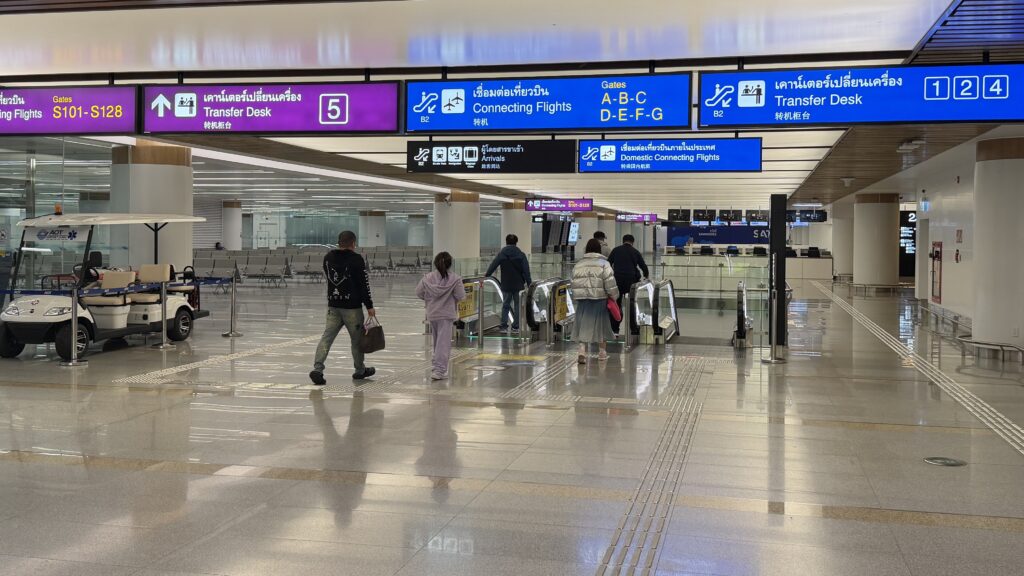
Most travelers experience Hong Kong entry as quick: a short queue, a quick scan, and you’re out.
The moment it slows down is when an officer senses uncertainty—hesitation about where you’re staying, unclear return plans, or mixed purpose.
The “secret” isn’t memorizing a speech. It’s having your proof one tap away:
flight confirmation, first-night hotel address, and a simple funds snapshot. Calm, consistent, done.

Context: Visa-Free, Visitor Conditions, and Why Consistency Matters
Hong Kong allows visa-free visits for nationals of around 170 countries and territories, with permitted stay lengths that vary by nationality (from short stays like 7–14 days up to longer periods like 90 or 180 days).
For example, the official Hong Kong Immigration Department requirements table shows 90 days for many countries and 180 days for British citizens—while some nationalities require a visa in advance.
Even with visa-free access, official guidance emphasizes: visitors should have adequate funds for the stay and, unless transiting to Mainland China or Macao, should hold onward or return tickets.
Visitors are also subject to conditions—no unauthorized work, no joining a business, and no studying as a student under visitor status.
This is why immigration questions feel “strict” sometimes: the officer is checking whether you’re a genuine visitor and whether your paperwork supports your purpose.
Key Info (2026 Planning)
| Who needs a visa? | Depends on nationality + length of stay. Many are visa-free; others must apply before travel. |
| Visa-free stays | Official table shows different limits (e.g., 14 / 30 / 90 / 180 days depending on passport). |
| Minimum proofs to carry | Onward/return ticket, accommodation address/booking, funds access, simple itinerary. |
| Visitor conditions | No paid/unpaid work, no joining a business, no studying as a student under visitor status. |
| e-Visa format | ImmD uses e-Visa (PDF notification slips) for many approvals; keep on phone and/or print. |
| Official application & status | Use GovHK/ImmD portals only for online application, status enquiry, and e-Visa enquiry. |
Experience: The “3-Screenshot Method” That Prevents Border Stress
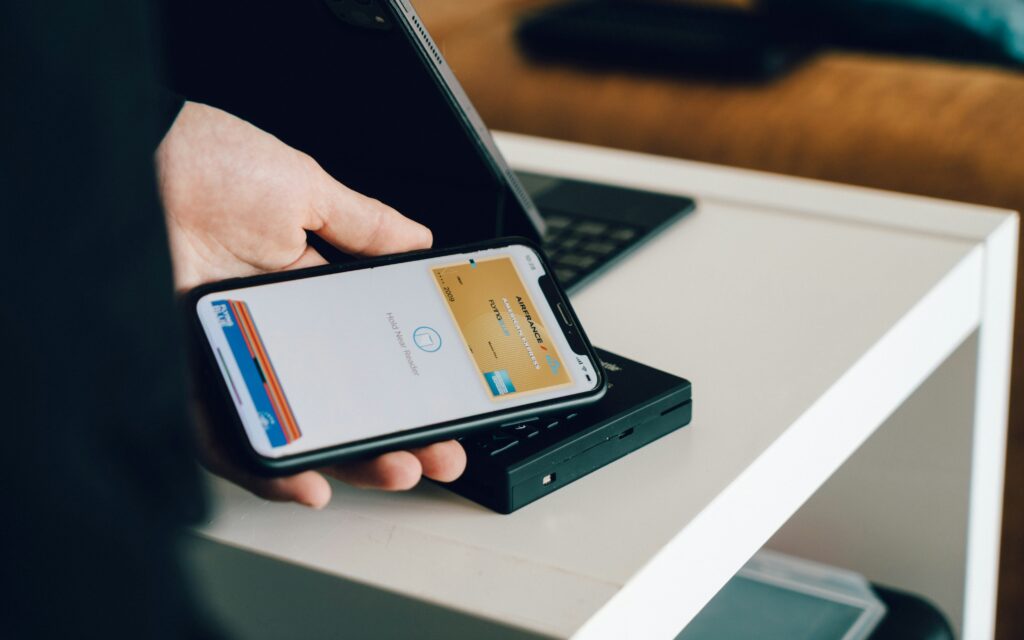
When traveling with family or on a tight schedule, the fastest way to avoid fumbling at immigration is to prepare three screenshots (or PDFs) in one album:
(1) onward/return ticket, (2) first-night hotel address, (3) a funds snapshot (bank balance or credit limit view).
If an officer asks anything, you don’t open email apps or dig through bookings—you show the album, answer in one sentence, and you’re done.
This tiny habit is especially helpful when you’re tired after a late flight.
Experience: Families & Groups — Keep Everyone’s Proof Separate
A common real-world delay happens when a parent has all documents, but a child or elderly parent is being processed at a different counter.
Keep at least the first-night address and return ticket accessible for each traveler (even if it’s the same booking).
Also remember: visa-free eligibility can differ by nationality and travel document type. Check each passport against the official “visit visa / entry permit requirements” table before you fly.
Experience: Business Trips — Your “Purpose” Must Match Your Papers
If you’re visiting for a meeting, exhibition, or client visit, immigration may ask what you’re doing and where.
Your proof should match: a company letter, invitation email, and a date-matching schedule.
The most common mismatch: traveler says “tourism” but carries printed business letters. That contradiction creates unnecessary questions.
Choose the accurate purpose and support it with simple documents.
Date mismatches are an easy trigger for more questioning.
Don’t present documents that suggest you intend to work or enroll if you are entering as a visitor.
Save it offline (PDF) and bring one printout as a backup in case of battery or network issues.
Step 1: Check if You Need a Visa (Fast Method)
- Open the official Visit Visa / Entry Permit Requirements table and select your nationality/passport type.
Find your visa-free period (e.g., 14, 30, 90, or 180 days) or confirm if you are “Visa Required”. - If your trip is within the visa-free period and your purpose is a genuine visit (tourism or short business), prepare arrival proofs and fly.
- If your trip is longer than the visa-free period or you are “Visa Required”, you should apply for an appropriate visa/entry permit before traveling.
- If you’re unsure, default to the safe option: treat your trip as needing stronger documentation.
Immigration officers can refuse entry even if your nationality is visa-free if your case looks inconsistent.
A vs B: Visa-Free Entry vs Visitor Visa (When Each Makes Sense)
| A) Visa-Free Entry | B) Visitor Visa / Entry Permit |
|---|---|
| Best if your nationality qualifies and your trip is short (within the allowed period). Keep proofs ready: onward ticket, hotel, funds. |
Needed if your nationality is “Visa Required” or you plan to stay beyond the visa-free limit. Requires application, documents upload, and waiting time. |
| Low friction, but entry is not automatic. Inconsistencies can still cause refusal. | Clear permission in advance. Often smoother at arrival if your documents match the visa purpose. |
| Not suitable for work/study. You remain under visitor conditions. | Still not a work or study visa unless the specific category is approved. Choose the correct scheme. |
Step 2: If You Need a Visitor Visa — Apply Online (Official Path)
Hong Kong provides an official online service for applying for entry for visit/transit. The GovHK guide lists typical mandatory uploads:
your valid travel document details, a recent photo, financial proof, transport arrangement (flight itinerary),
and purpose-specific proof (leisure itinerary, transit proof for next destination, business letters, or family relationship proof).
The practical trick: upload only what supports your story. Clean, relevant documents beat “everything I have” bundles.
If your trip is tourism, show itinerary + hotel + return flight + funds proof. If business, add invitation/company letter.
- Online application for entry for visit/transit (GovHK):
gov.hk application guide - Hong Kong Immigration Department (ImmD):
immd.gov.hk - Visit/Transit information hub (ImmD):
Visit/Transit page
Visa Fees (Official Fee Table Snapshot)
Fees can vary by scheme. For many standard visa cases, the official fee table lists:
Ordinary visa: HK$330 (non-specified schemes) and Transit visa: HK$170.
For certain specified schemes (e.g., talent or investment routes), different fee structures may apply.
Always confirm the latest fees from the official fee table before payment.
Fee payment is typically done after approval via the official payment link or GovHK/ImmD channels, then you download/print the e-Visa.
Processing Time: What You Can Predict (and What You Can’t)
Processing times depend on category, season, and completeness. The biggest lever you control is document quality:
clear scans, consistent dates, and proof that matches the stated purpose.
If you’re already in Hong Kong and need an extension of stay as a visitor, the ImmD guidance indicates online extension applications are normally processed on the next working day after receipt (approval is not guaranteed, so submit early enough to avoid overstaying).
For initial entry visas/permits (applied before travel), give yourself a buffer—especially around holidays and major events.
- Missing mandatory uploads (passport pages, photo, financial proof)
- Inconsistent itinerary (dates don’t match bookings or purpose)
- Unclear sponsorship details (when a local sponsor is required)
- Poor scan quality (cropped pages, unreadable stamps, low resolution)
Step 3: Status Check & e-Visa Enquiry (Official)
After submitting, you can check application status online using your application reference number and date of birth.
Note: official guidance indicates records may be purged after a period once an application is closed/finalised, so save your reference info.
- Application status enquiry (GovHK):
Status Enquiry - e-Visa enquiry (GovHK):
e-Visa Enquiry
e-Visa in Hong Kong: What It Is and How to Use It
Hong Kong’s Immigration Department implemented the e-Visa arrangement effective from 28 December 2021.
In many cases, you receive a PDF notification slip (e-Visa) after approval and fee payment—rather than a physical sticker label.
Practically, treat your e-Visa like a boarding pass: keep a soft copy saved offline, and bring a printed copy as a backup.
At arrival, be ready to present your valid travel document and the e-Visa (phone or print) for inspection.
Insider Hacks (Small Moves That Save Time)
- One folder rule: Keep all entry proofs (flight, hotel, funds, itinerary) in one offline folder.
- First-night address: Even if you’ll move hotels, immigration often cares most about where you’ll sleep first.
- Simple itinerary beats fancy itinerary: “Arrive → check-in → two attractions → depart” is enough if consistent.
- Don’t overshare: Answer what you’re asked. Extra explanations can accidentally create contradictions.
- Connectivity on landing: Having mobile data immediately helps you pull up confirmations without relying on airport Wi-Fi.
Quick Entry Checklist (Do This Before You Fly)
- Passport validity: covers your full stay + buffer where applicable.
- Onward/return proof: confirmed ticket or a clear onward plan (especially if not transiting to Mainland/Macao).
- Accommodation proof: booking confirmation or host address + contact.
- Funds proof: bank statement snapshot or card access appropriate for trip length.
- Consistency check: itinerary dates match flights and bookings.
- Connectivity plan: SIM/eSIM ready so you can access bookings instantly at the counter.
FAQ (2026)
1) Do I need a visa for Hong Kong?
It depends on your nationality, travel document type, and intended length of stay. Many nationalities can visit visa-free for a defined period, while others must obtain a visa/entry permit before travel. The official requirements table is the fastest way to confirm.
2) What can immigration officers ask for at arrival?
Common requests include onward/return travel proof, accommodation address/booking, and evidence of adequate funds. The goal is to confirm you can support your visit without unauthorized work and that your plan is coherent.
3) How long can I stay visa-free?
Visa-free stay length varies by nationality—from short stays (e.g., 7–14 days) up to longer stays (often 90 days, and in some cases 180 days).
Always check your passport against the official table since eligibility can change.
4) Can I extend my stay as a visitor?
Extensions are not automatic and are considered on their own merits. If you have urgent/special need, ImmD provides an online process for visitor extension applications close to your limit of stay.
Plan carefully and avoid overstaying.
5) What is an e-Visa in Hong Kong?
It’s a PDF notification slip issued after approval (and fee payment where applicable), replacing many sticker-type physical labels since the e-Visa arrangement began.
Save it offline and bring a printed copy as a backup.
6) How do I check my application status?
Use the official GovHK status enquiry page with your reference number and date of birth. Avoid unofficial “status check” sites.
7) What are the most common mistakes that cause problems at arrival?
Missing onward ticket proof, unclear accommodation, weak funds proof, or inconsistent dates across bookings and your stated purpose.
Also, presenting documents that imply work/study while entering as a visitor can trigger deeper questioning.
8) Where should I verify currency and official financial info?
For HKD currency and monetary authority info, use the Hong Kong Monetary Authority’s official website (HKMA).
Official Resources (Bookmark These)
Trip-Nexus Internal Links (Recommended Next Reads)
Next Step CTA
Before you fly, do one thing: open the official visa/entry requirements table, confirm your visa-free period, and prep the 3-screenshot folder (flight + address + funds).
That single prep step prevents 90% of entry stress.
Visa / Immigration: https://www.immd.gov.hk
Online Application: https://www.gov.hk
Status Enquiry: https://www.gov.hk
Fees: https://www.immd.gov.hk
Currency / Central Bank: https://www.hkma.gov.hk