Modica Chocolate Town, Sicily: How to Visit, What to See & Why It’s Unlike Anywhere Else
A dramatic UNESCO Baroque city where stone stairways, cathedral facades, and a centuries-old chocolate method still feel wonderfully “alive.”
Search Intent
You want a practical Modica guide: what to see in Modica Alta vs Modica Bassa, how Modica chocolate is made, best experiences (tastings/workshops),
how long to stay, how to get here, seasonal events, and a simple walking plan that doesn’t destroy your legs on the stairs.
Quick Summary (5 lines)
- Best for: travelers who want UNESCO Baroque streets + a food story you can actually taste.
- Time needed: 6–10 hours for a day trip, or 1 night for the best evening atmosphere.
- Must-do: Duomo di San Giorgio viewpoint walk + 2–3 chocolate tastings (classic cinnamon/vanilla/chili).
- Reality check: steep steps and slopes—plan “uphill once, downhill once.”
- Smart pairing: combine Modica with Ragusa Ibla or Scicli (same Baroque area, easy to link by train/car).
The First 10 Minutes in Modica
Modica Chocolate Town doesn’t greet you like a flat, easy Sicilian village—it rises. Streets fold into staircases, balconies stack over narrow lanes,
and suddenly you’re looking up at Baroque churches that seem carved into the hillside. The air smells like espresso and warm pastry, and every few blocks
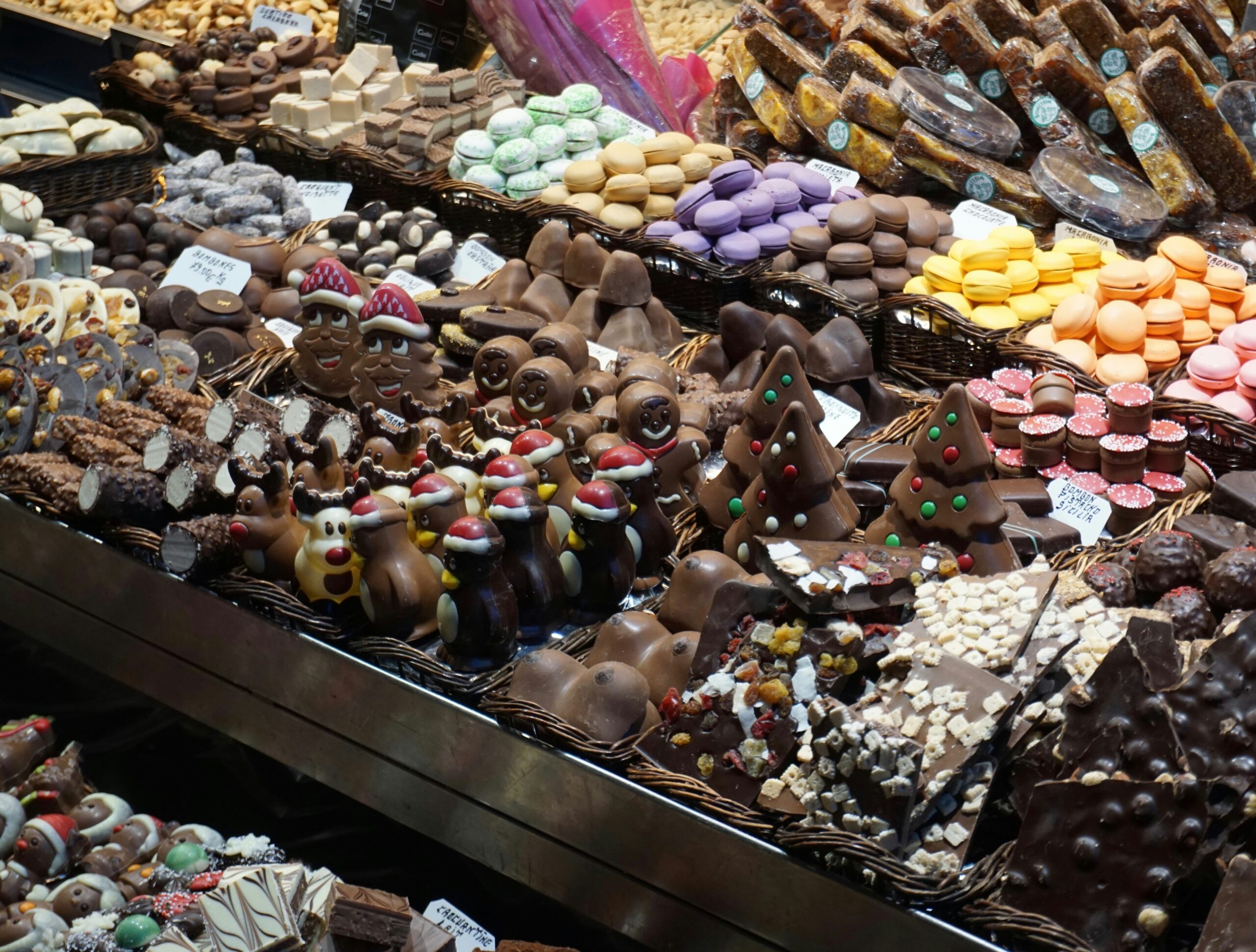
you’ll spot a chocolate shop window with chunky, rustic bars that look almost “unfinished.” That’s the point.
Modica is part of the UNESCO-listed Late Baroque Towns of the Val di Noto, rebuilt after the devastating 1693 earthquake in a style that turned disaster into
a breathtaking urban rebirth. Modica’s version of that rebirth is dramatic: long stair flights linking upper and lower districts, sunlit facades, and
a skyline that changes every time you turn a corner.
And then there’s the chocolate—still made using a cold-processing method that keeps sugar crystals from fully dissolving, giving the bars a grainy texture
and an intensely aromatic cocoa punch. It’s not “smooth luxury chocolate.” It’s history you can bite.
Why Visit Modica (What Makes It Different)
Many Sicilian towns offer great architecture and good food. Modica is rare because its food identity is genuinely unique—and tightly tied to place.
The town’s chocolate tradition is recognized and protected as “Cioccolato di Modica” IGP, a geographic indication that links the product
to local methods and production rules. If you’re the kind of traveler who wants a destination to have a “signature,” Modica delivers.
At the same time, Modica is not a museum-town where everything feels staged. It’s a living city where locals move through the same stairways you’ll climb,
where evening passeggiata feels natural, and where a chocolate tasting can turn into a long conversation about flavors, family recipes, and the best viewpoint
for sunset.
Modica is the perfect “slow day” in Sicily—enough sights for a full itinerary, but mellow enough that you can actually feel the place instead of chasing a checklist.
Modica Alta vs Modica Bassa (How to Explore Without Regret)
Modica is essentially two cities layered on a hillside: Modica Alta (upper town) and Modica Bassa (lower town).
The mistake most first-timers make is zig-zagging up and down all day. Instead, treat it like a one-way hike:
choose your “uphill” moment once, then let gravity do the rest.
Modica Alta (Upper Town)
- Big skyline moments, panoramic terraces, and the “cathedral drama.”
- Baroque churches feel more monumental when seen from below looking up.
- Best if you want photos + viewpoints + quieter streets.
Modica Bassa (Lower Town)
- Chocolate shops, cafés, more everyday city energy.
- Easier to do tastings and quick breaks between sights.
- Better for an evening stroll when the lights come on.
Key Visitor Information
A Visual Pause (Modica’s Warm Stone + Slow Rhythm)
Modica isn’t only about “big landmarks.” A lot of the charm comes from the in-between moments: sun on stone steps, tiny gardens,
a quiet courtyard, or a simple façade that looks cinematic at golden hour. Keep five minutes unplanned—you’ll find your own favorite corner.
Chocolate Experiences (Taste the History)
The classic Modica chocolate process is often explained as “cold-worked” because it’s made without the high-heat conching steps that create modern ultra-smooth bars.
The result is intentionally rustic: sugar stays crystalline, the bar snaps differently, and flavors (cinnamon, vanilla, chili, citrus) read very clearly.
“Cioccolato di Modica” is protected as an IGP product with defined rules and standards.
1) Do a “flavor flight” tasting
Try one classic (cinnamon or vanilla), one spicy (chili), and one wild card (citrus or local twist).
The texture is the surprise—don’t judge it like Swiss chocolate. Treat it like a regional specialty, like wine or cheese.
2) Join a workshop (if available)
Workshops are the fastest way to understand why the method matters—stone grinding, low temperatures, and the old style that keeps the chocolate’s texture.
If you see a short workshop slot during your dates, grab it. It turns “tasting” into a memory.
3) Buy smart (what to pack home)
If you’re traveling onward in Sicily, buy a couple of bars early but keep them cool. If you’re flying, choose bars with packaging that won’t crush.
The best souvenir is a small variety pack rather than one “huge bar.”
Baroque Modica (What to Look For, Not Just What to Photograph)
Modica’s Baroque identity is part of a bigger regional story: eight towns in southeastern Sicily were rebuilt after the 1693 earthquake in an extraordinary late-Baroque wave,
creating one of Europe’s most dramatic concentrations of Baroque urban planning and decoration. Modica is explicitly listed among these UNESCO towns.
Architecture detail game (easy + fun)
- Look for balcony brackets and carved faces—some are playful, some dramatic.
- Notice how churches feel “theatrical” from below (stairs create a natural stage).
- Watch how light changes the stone color from warm honey to pale cream.
The 1693 earthquake “rebirth” perspective
If you keep the reconstruction story in mind, Modica becomes more meaningful: it’s not “old buildings,” it’s a town that rebuilt its identity with artistry.
That’s exactly why the Val di Noto towns were inscribed as UNESCO World Heritage.
Best Time to Visit (And When It Feels Magical)
Modica is walkable year-round, but your enjoyment depends on heat and your tolerance for stairs. In spring and early autumn, the climate makes the uphill sections
feel doable rather than punishing. Summer can still be great—just plan an early start and a long midday café break.
How to Get to Modica (Realistic Options)
Modica sits in southeastern Sicily (Province of Ragusa). If you’re coming from Catania, it’s important to know that rail routes may require transfers (often via Siracusa),
and buses or a rental car can be faster depending on the day. If you’re already in the Val di Noto area, trains between nearby towns can be very convenient.
By car (most flexible)
Best if you want to link multiple Baroque towns (Modica + Ragusa + Scicli) and stop for viewpoints. Also easier if your accommodation is outside the center.
By train (best for short hops)
Great for linking towns in the same area—Ragusa ↔ Modica journeys can be short and straightforward on many days, making day-pairing easy.
By bus (often practical from bigger hubs)
Useful if you’re avoiding a car and want a direct-ish route. Check current timetables close to your travel date.
Experience Notes (So Your Day Feels Smooth)
Experience #1: The “uphill once” rule saves your mood
The day I enjoyed Modica most was the day I stopped fighting the hill. I went uphill early when the air was cooler, lingered at viewpoints,
and then let myself drift down. When you’re not constantly checking maps for the “least steep route,” your brain actually notices the small beauty:
a stair landing with a view, a bell echoing between buildings, the way the town smells like coffee and warm stone.
Experience #2: The best chocolate tasting is the second one
First tasting: you’re surprised by the grainy texture. Second tasting: you start noticing aroma and spice. Third tasting: you suddenly have a favorite.
If you only try one bar, you might think “Interesting… but not my style.” If you try a mini flight, you usually leave convinced it’s a true regional craft.
Tips & Warnings (Save Your Energy)
✅ Tip: Taxi up, stroll down
If your knees hate stairs, don’t “power through” at the start. Take a taxi to a higher point, then walk downhill through the best views.
You’ll enjoy Modica more—and still feel like you explored properly.
✅ Tip: Carry water like it’s non-negotiable
Modica’s stair routes are sneaky—one “quick viewpoint” becomes 20 minutes of climbing. Water turns it from stressful to pleasant.
⚠️ Warning: Don’t judge Modica chocolate by “smoothness”
If you expect glossy, melted-perfect chocolate, you’ll miss the point. The grain is a feature, not a flaw—like rustic bread crust.
Go in with curiosity and it becomes addictive.
Festivals & Seasonal Events
Modica’s chocolate calendar can include special weekends and festival programming. One of the most widely promoted events in recent years is ChocoModica,
hosted in the town’s historic center with tastings, stands, and entertainment. If your trip is flexible, aligning your visit with a chocolate festival
can make the town feel extra festive—just book accommodation early.
Nearby Attractions (Perfect Pairings)
Modica becomes even better when you treat it as part of a “Baroque triangle” in southeastern Sicily. The towns are close enough that you can combine them without rushing.
If Modica is your chocolate + hillside city day, then Ragusa Ibla or Scicli can be your next architecture-heavy day.
- Ragusa Ibla – UNESCO Baroque quarter and one of the most atmospheric old towns in Sicily.
- Scicli – elegant Baroque streets and a quieter, cinematic vibe.
- Noto – monumental Baroque “showpiece” town with grand symmetry and golden stone.
A vs B: Day Trip or Overnight?
Official & Trusted Resources
Related Trip Nexus Guides
If you’re building a Europe itinerary, these guides help with broader planning (Italy highlights + practical travel tools).
Next Step (CTA)
Want the easiest “perfect Modica day”? Start high (Alta) in the morning, walk down through viewpoints, do 2–3 chocolate tastings in Bassa,
then finish with a slow dinner and a night stroll under warm Baroque lights. Modica is best when you don’t rush it.
Google Map
Frequently Asked Questions
What makes Modica chocolate different?
It’s cold-processed in a traditional style, so sugar crystals don’t fully dissolve—creating a grainy texture and intense cocoa aroma.
Is Modica a UNESCO World Heritage town?
Modica is one of the eight towns in the UNESCO-listed Late Baroque Towns of the Val di Noto (South-Eastern Sicily).
Is Modica suitable for a day trip?
Yes. A full day is enough for highlights and tastings, but an overnight stay gives you the best evening atmosphere and slower pacing.
How many chocolate shops should I visit?
Two is the sweet spot. Three if you love tasting flights. More than that can start to feel repetitive.
Is Modica difficult to walk?
It can be. Expect steep streets and stairs. Wear real walking shoes and follow the “uphill once, downhill once” strategy.
What are the best flavors to try?
Classic cinnamon or vanilla first, then chili for a spicy note, then a citrus or local twist as your wild card.
Can I combine Modica with Ragusa or Scicli?
Absolutely. It’s one of the best ways to experience the Val di Noto Baroque area without rushing.
What’s the best plan if I only have 4–5 hours?
Pick one district focus (Alta viewpoints + one main church area), then finish in Bassa with 1–2 tastings and a café break.
note: My recommendation is simple: treat Modica like a slow, sensory town—one uphill push, multiple chocolate tastings, and a long evening stroll. That’s when it “clicks.”