Jinjuseong Fortress, Jinju: Tickets, Hours, History & Best Things to Do

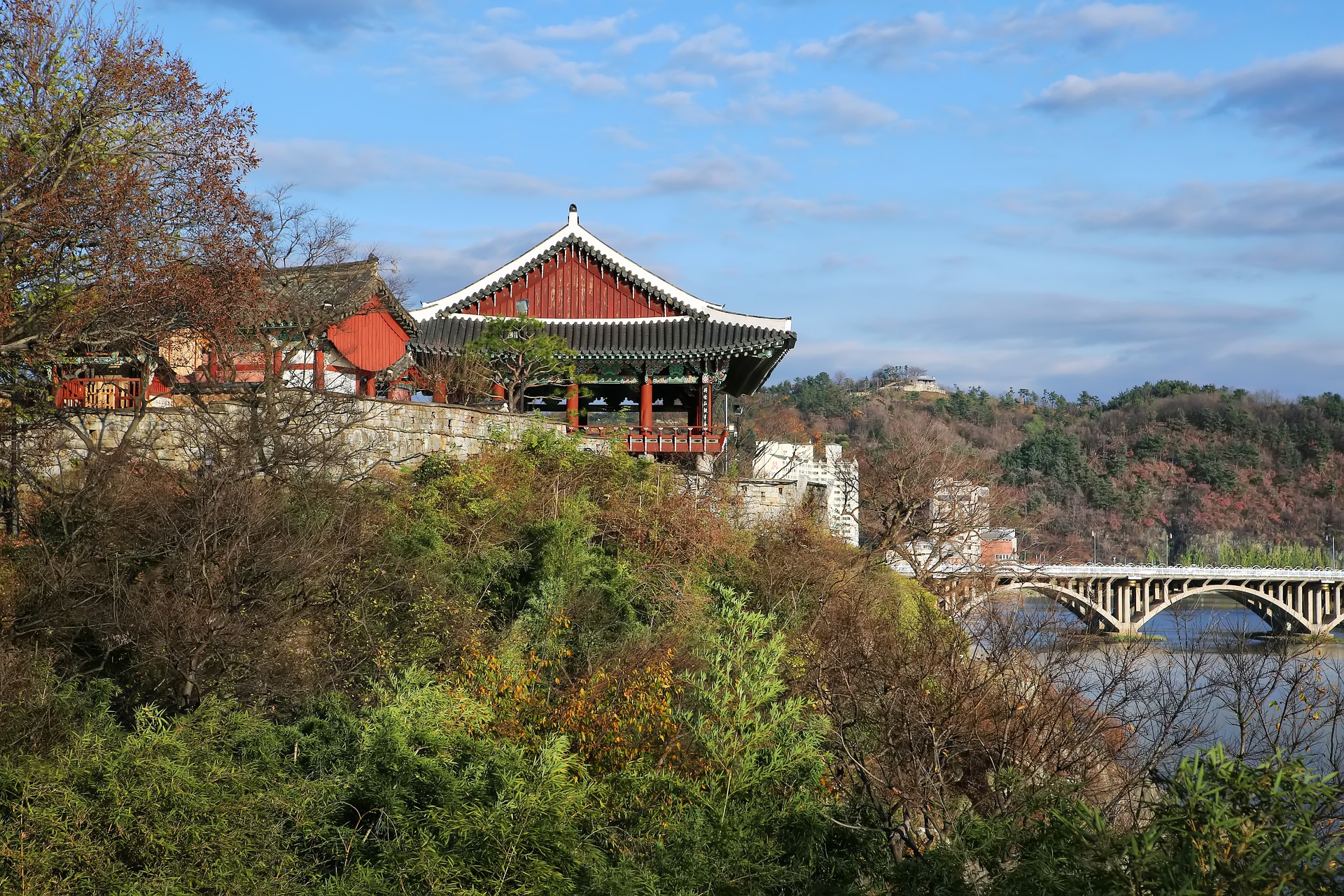
Jinjuseong Fortress in Jinju overlooking the Nam River in South Korea
🇰🇷 KOREA • ATTRACTIONS

Jinjuseong Fortress Visitor Guide (Jinju): Tickets, Hours, Best Route & Local Tips

Jinjuseong Fortress is Jinju’s most powerful symbol of endurance—an imposing stone citadel above the Nam River where Korea’s past feels close enough to touch. It’s not just “a wall you walk”; it’s a place shaped by strategy, sacrifice, and a stubborn will to survive.

⏱ Suggested time: 1.5–3 hours
📍 Nam River views + history
🎟 Typical entry: 2,000 KRW adult
🌙 Best vibe: sunset → night lights
Search Intent
You’re here because you want practical, updated visit info—tickets, hours, what to see inside, the best walking route, and how to time your visit for the Nam River views (especially if you’re pairing it with the lantern festival season).

Quick Summary (5 lines)
  1. Go late afternoon: walk the ramparts in daylight, then stay for riverside night views.
  2. Start at a main gate area: do a loop that hits viewpoints + memorial zones + museum stop.
  3. Budget smart: entry is typically inexpensive, but parking/time can add up in peak season.
  4. Pair with Jinju National Museum: it makes the Imjin War story “click.”
  5. Festival season: October nights can be crowded—arrive early and pre-plan exits.

First-Time Walkthrough: What It Feels Like Inside

The first thing you notice is how quickly the city noise drops. One step past the entrance and it’s stone underfoot, wide open sky, and that calm sweep of the Nam River pulling your eyes outward. The fortress is large enough to feel immersive, but not so complicated that you’ll get lost. If you do it right, the visit feels like a slow reveal: gate → walls → viewpoints → memorial spaces → quiet pavilions where you catch your breath and think, “Okay… now I get why this place matters.”

The history isn’t a lecture here; it’s physical. The ramparts make you imagine defense lines. The memorial areas remind you this wasn’t just architecture—it was survival. And if you’re visiting during crisp autumn air or spring blossoms, the contrast is striking: peaceful scenery on the surface, heavy legacy underneath.

Why Visit Jinjuseong Fortress

Jinjuseong is deeply tied to the Imjin War (1592–1598), when the fortress became central to Jinju’s resistance and the memory of those who defended the region. Today it’s both a heritage landmark and a surprisingly peaceful city escape—riverside scenery, seasonal beauty, and meaningful monuments inside the walls.

  • History you can walk through: ramparts, gates, memorial spaces, and viewpoints.
  • Best views in Jinju: wide Nam River perspectives and sunset walks.
  • Seasonal charm: spring blossoms, autumn foliage, and October festival lights.

Key Information (Save This)

Address 626 Namgang-ro, Jinju-si, Gyeongsangnam-do, South Korea
Typical admission Adults: 2,000 KRW • Teenagers: 1,000 KRW • Children: 600 KRW (fees can change—verify before you go)
Operating hours (guide) Often extended from early morning to late evening, with seasonal variation—confirm on official sources
Phone (inquiries) +82-55-749-5171 (Jinjuseong Fortress Management Office)
Official site https://www.jinju.go.kr
Reality check (why your “hours” may differ)
Some sources list daytime “ticket office hours,” while others list the fortress grounds’ broader access window. If you only care about walking and photos, you may have more flexibility; if you’re entering paid areas or museums, follow the ticket office schedule.
Best simple plan
Arrive 2 hours before sunset, do the ramparts loop first, then slow down near the river-facing viewpoints for golden hour → night views.

Jinjuseong Fortress in Jinju with Nam River scenery

“Jinjuseong Fortress in Jinju overlooking the Nam River in South Korea”

What to See: The “Don’t-Miss” Loop

If you only have one visit, don’t wander randomly—do a simple loop that guarantees viewpoints, context, and one quiet reset moment.

1) Gate area first
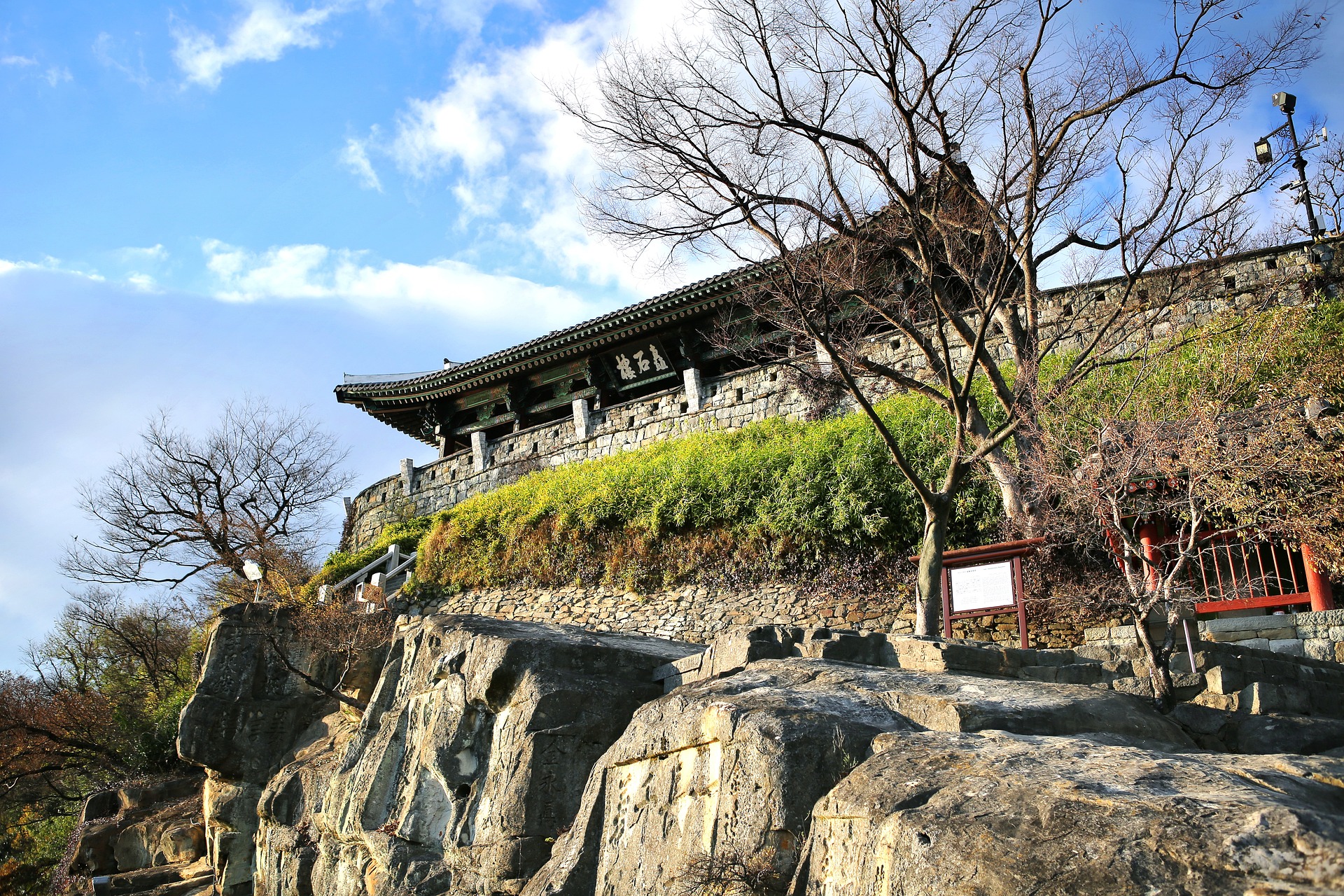
Start near a main entrance and walk toward the walls. This is where the fortress scale hits you immediately—perfect for your first “wide photo.”
2) Rampart viewpoints
Spend your best energy here. These stretches deliver the Nam River sweep and the Jinju skyline. Late afternoon light is the sweet spot.
3) Memorial / shrine zones
Pause and read even one plaque. The fortress is tied to the Imjin War story—this is where the mood shifts from scenic to meaningful.
4) Quiet pavilion reset
Pick a calm pavilion or shaded bench, sip water, and let the place sink in. This tiny pause turns the visit from “checklist” to memory.

Immersive Cultural Experiences (Don’t Skip the Context)

Jinjuseong isn’t only about walls and battles—there’s a living cultural layer too. Depending on the season, you may catch performances or commemorative programs that make the historical themes feel present rather than distant.

Inside the fortress grounds, Jinju National Museum is a strong add-on if you want the Imjin War story to “click.” Even a short museum stop helps you recognize what you’re seeing outside: why certain areas mattered, how defense worked, and why Jinju’s memory is so protected in local identity.

Best Time to Visit (Season + Time-of-Day Strategy)

Spring / Autumn = easiest walking
Comfortable air, better photos, and fewer “I regret wearing this jacket” moments. Spring blossoms and autumn foliage make the ramparts feel cinematic.
October nights = festival energy
The Jinju Namgang Yudeung (Lantern) Festival is typically held in October. Expect crowds, but also the most unforgettable night scenery along the river.
My timing recommendation (if you only do one visit)
Arrive in late afternoon, walk the ramparts first, then slow down near the river-facing viewpoints for sunset. If you stay into early night, the atmosphere becomes calmer and more dramatic—especially with reflections on the Nam River.

How to Get There (Fast + Low-Stress)

Jinju is reachable from major cities by train or intercity bus. Once you’re in Jinju, the fortress area is a straightforward taxi or local bus ride away.

From Seoul
Train/bus routes connect Seoul ↔ Jinju. After arrival, use taxi or local transit to reach the fortress area efficiently.
From Busan / Daegu
Frequent intercity buses operate to Jinju. City transit or taxi brings you to the Nam River / fortress zone quickly.
Parking note (useful if you’re driving)
There are paid parking areas near key gates. In peak season, arrive earlier than you think you need—parking is where your schedule can silently bleed time.

Insider Hacks (Small Moves, Big Difference)

Budget-saving tip
If you’re also visiting the museum or nearby paid spots, bundle your timing: do “paid interiors” first, then use the ramparts for free sunset walking.
Crowd warning
October festival nights can bottleneck near riverside paths. If you don’t like crowds, go weekday late afternoon and leave before peak lantern hours.
Photo move
Don’t waste golden hour inside buildings—use that light on the walls + river. Save museum time for after sunset or midday.
Comfort move
River winds are real. Even in mild weather, a light layer prevents that “suddenly cold” feeling when you’re on exposed ramparts.

A vs B: How to Visit (Choose Your Style)

Visit Style Best for What you’ll do
A) Scenic loop (fast + photogenic) First-timers, short schedules Ramparts + viewpoints + quick memorial stop (90–120 min)
B) Context + culture (deeper memory) History lovers, families, students Fortress loop + Jinju National Museum + slow pavilion time (2.5–4 hrs)
My pick
If you’re only doing Jinju once: pick B. The museum gives the fortress emotional weight, not just pretty views.

Simple Half-Day Plan (Low-Stress, High-Reward)

  • 00:00–00:20 Arrive, grab water/snack, decide loop direction.
  • 00:20–01:30 Ramparts + best viewpoints (save your best energy here).
  • 01:30–02:10 Memorial/shrine zones + slower walk inside the walls.
  • 02:10–03:00 Jinju National Museum (or rest + photo reset in a pavilion).
  • Optional Stay for sunset → early night views along the Nam River.

Nearby Spots & Easy Add-Ons

  • Jinju National Museum: best “context upgrade” for understanding what you just walked through.
  • Namgang riverside walk: especially good at night—calm water + lights = Jinju’s signature mood.
  • Festival season: lantern displays and river zones can turn this area into an all-night experience.

FAQ

How long do you need at Jinjuseong Fortress?
Most travelers spend 1.5–3 hours. Add more time if you include the museum or linger for sunset photos.
Is Jinjuseong Fortress good for families?
Yes. It’s spacious with open areas, but expect stairs and uneven surfaces—comfortable shoes and water help.
What are the ticket prices?
Typical admission is low-cost (often around 2,000 KRW for adults), with discounted youth/child rates. Always confirm current fees on official sources.
What are the opening hours?
Hours can vary depending on whether you mean fortress grounds access or ticketed areas. Verify on Jinju City or official tourism sources before visiting.
When is the best season to visit?
Spring and autumn are best for walking. October is special if you want lantern festival energy.
Can I visit at night?
Often yes, depending on seasonal access windows. Night visits are popular for riverside views—confirm the latest access hours.
Is the lantern festival actually near the fortress?
Yes—festival zones typically span the Nam River area and the fortress surroundings. Dates/programs change yearly, so check official festival info.
What should I wear?
Comfortable walking shoes are non-negotiable. Add a light layer—river winds can surprise you even on mild days.

Official Links (Trusted Sources)

Note: Festival dates and programs shift yearly—use the official festival page for the most current schedule.

Google Map

Final Tip Before You Go

If you want Jinjuseong to feel unforgettable, don’t rush it like a checklist. Give it one quiet moment—sit in a pavilion, watch the Nam River, and let the story catch up to you. That’s when this fortress stops being “a place” and turns into a memory.

Next read (Korea route building)
Explore more Korea spots above, then build a themed route: fortress/history → coastal night views → Jeju nature escapes.