Sistine Chapel Travel Guide 2026: Tickets, Best Time, and What to See Inside
The Sistine Chapel is one of the most powerful and unforgettable spaces in Vatican City, where Michelangelo’s ceiling frescoes, sacred silence, and centuries of religious history combine into one of the world’s most meaningful cultural experiences.
Quick Summary
- The Sistine Chapel is included with Vatican Museums admission, so you do not need a separate chapel ticket.
- It is most famous for Michelangelo’s ceiling and The Last Judgment, but the emotional impact of the room is just as important as the artwork itself.
- Photography and filming are not allowed inside, which makes the experience feel quieter and more focused than many travelers expect.
- Early entry windows and quieter late-day slots are generally the best strategies for a calmer visit.
- This is not a standalone street-level attraction: reaching it is part of the Vatican Museums journey, so your route planning matters.
Why Visit the Sistine Chapel
The Sistine Chapel is not simply famous because it contains masterpieces. It matters because it concentrates an enormous amount of artistic, spiritual, and historical intensity into one room. Plenty of major attractions impress visitors through size, spectacle, or modern presentation. The Sistine Chapel works differently. It is powerful because it asks you to slow down, look upward, and feel the weight of human ambition, belief, and imagination all at once.
For art lovers, it is one of the greatest encounters in the Western canon. Michelangelo’s frescoes are not just beautiful paintings overhead; they are an entire intellectual and emotional universe rendered across the ceiling and altar wall. For religious visitors, the chapel remains a sacred space tied to Vatican ceremonial life and papal history. For first-time travelers to Rome, it often becomes one of the most memorable moments of the entire trip—not because it is loud, but because it is so concentrated.
It is also the kind of place that tends to stay with you longer than you expect. Many major attractions are instantly impressive and then quickly absorbed into a blur of sightseeing. The Sistine Chapel often works in reverse. You might leave feeling almost overloaded, then realize later that the stillness, scale, and symbolic force of the room have followed you out into the rest of the city.
What It Feels Like to Step Inside
Reaching the Sistine Chapel is part of the experience. You do not just walk in directly from the street. You move through the Vatican Museums, passing galleries, corridors, crowds, and visual overload, and that slow buildup changes your expectations. By the time you enter the chapel, there is already a sense of arrival.
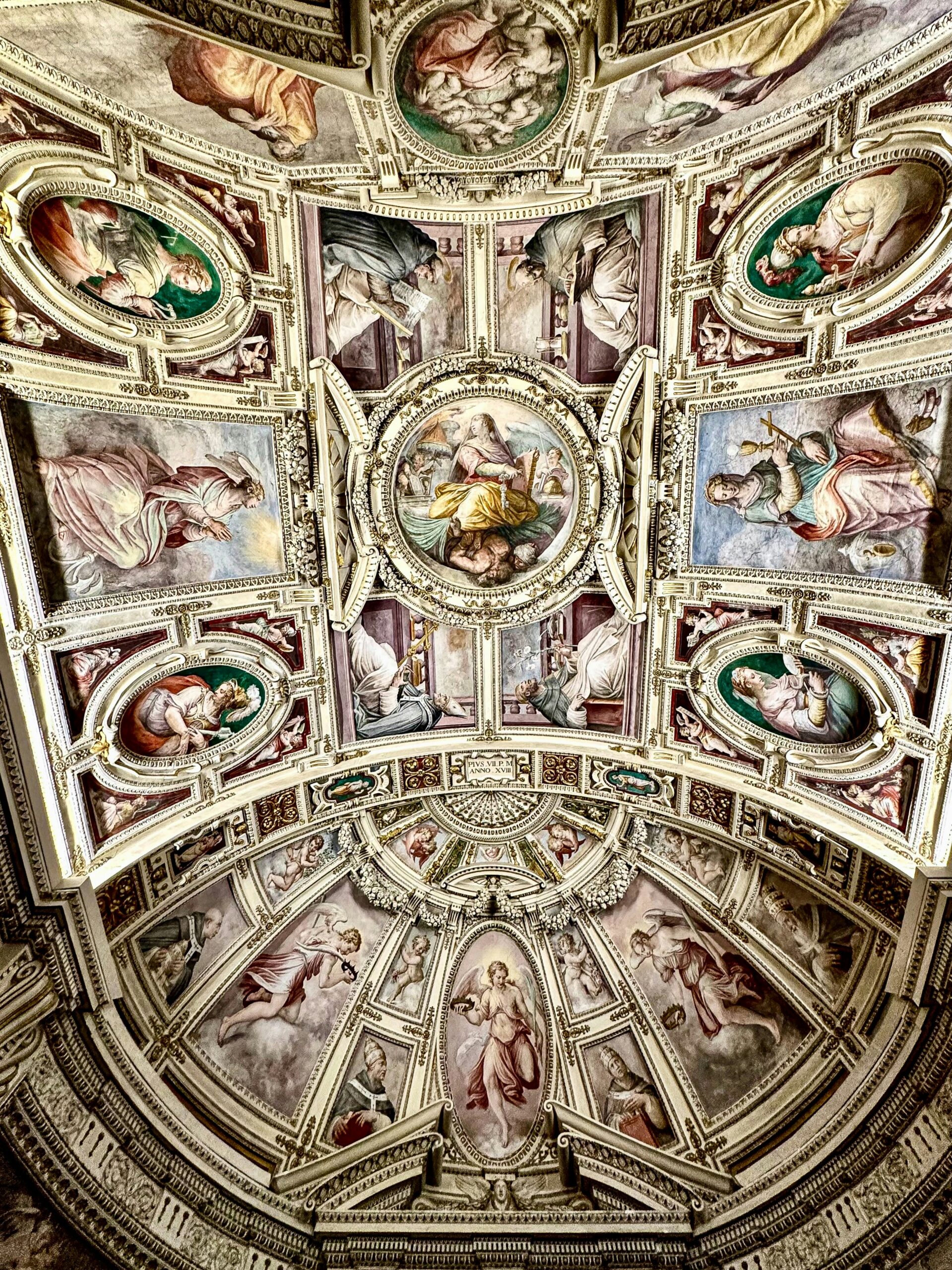
What hits first is the ceiling. Your eyes go upward almost automatically, and then you realize how difficult it is to absorb everything at once. The painted architecture, the biblical scenes, the prophets, the sibyls, the muscular tension of the figures, and the overall rhythm of the composition all compete for attention. It can feel almost overwhelming for the first minute or two.
Then the second layer sets in: silence, or at least something close to it. Even with visitors present, the room tends to feel more restrained than the rest of the museum route. That contrast matters. You are not only seeing art. You are sensing how the room changes behavior. That is one reason the chapel feels less like a gallery and more like an event.
Personally, I think the strongest moment comes after the first shock fades. Once you stop trying to “see everything,” the chapel becomes more moving. You begin noticing details, relationships between scenes, and the emotional atmosphere of the space itself. It stops being an icon and starts feeling real.
Key Information
| Location | Inside the Vatican Museums, Vatican City |
| Official Access Route | Included as part of the Vatican Museums visit |
| Opening Hours | Mon–Sat 08:00–20:00, final entry 18:00; last Sunday of the month 09:00–14:00, final entry 12:30 |
| Admission | Included with Vatican Museums ticket |
| Best Time to Visit | Early entry or quieter late-day museum slots |
| Photography | Not permitted inside the Sistine Chapel |
| Accessibility | Vatican Museums provide accessibility support and visitor services |
| Recommended Duration | Allow 2–4 hours total for the museum route, depending on pace and ticket type |
What Makes the Sistine Chapel Unique
Michelangelo’s ceiling is only the beginning
Most people arrive thinking about the ceiling first, especially The Creation of Adam. But the full experience is broader: the prophets and sibyls, the painted architecture, the narrative sequencing, and the emotional force of The Last Judgment make the room feel complete rather than fragmented.
It is still a living sacred space
The Sistine Chapel is not just preserved as a cultural monument. It remains connected to Vatican ritual life and papal history, including conclaves. That living status changes how the space feels compared with a purely secular museum hall.
It is one of the rare places where silence becomes part of the design
Because photography is forbidden and visitors are expected to behave respectfully, the room creates a different rhythm from most major attractions. That restraint becomes part of the experience.
Immersive Cultural Experience
The Sistine Chapel is one of those places where context dramatically improves the experience. If you walk in without any preparation, the room can still be stunning, but it may also feel visually overwhelming. If you arrive with even a basic understanding of Michelangelo’s role, the chapel’s theological themes, and the place of the room within Vatican history, everything becomes more intelligible and more moving.
That is why guided tours or well-prepared self-guided visits are so valuable here. They help you understand that what you are seeing is not a collection of isolated famous images, but a carefully structured visual world. Genesis scenes, prophets, sibyls, ancestors, judgment, salvation, and human frailty all speak to one another across the room.
There is also a human story behind the masterpiece that changes how you read it. The physical and mental demands placed on Michelangelo, the tension between artistic ambition and papal expectation, and the sheer scale of what was executed overhead give the work a level of intensity that most photos cannot communicate.
Seasonal Events and Vatican Ceremonies
There are no public “festivals” inside the Sistine Chapel in the way travelers might imagine with city landmarks, but the chapel remains deeply tied to major Vatican moments. During periods of intense religious attention, papal transitions, or global Vatican ceremonies, the symbolic importance of the space feels even stronger.
This does not always change the average visitor’s route in a dramatic way, but it can influence the broader atmosphere in Vatican City. Religious seasons, major church events, and peak pilgrimage periods often make the entire area feel more solemn and more crowded at once.
If your trip is focused on quiet contemplation, avoiding the most congested periods and choosing early-entry or more controlled ticket windows is usually wiser than chasing symbolic dates.
How to Get There
The Sistine Chapel is accessed through the Vatican Museums, so your practical destination is the museum entrance rather than the chapel itself. This is a key planning detail many first-time visitors underestimate.
- Metro: Line A to Ottaviano or Cipro
- Bus: routes including 49 directly in front of the Vatican Museums, plus 32, 81, 982 to Piazza del Risorgimento and 492, 990 nearby
- Tram: Line 19 to Piazza del Risorgimento
- Taxi: taxi rank available in the square in front of the Vatican Museums
- On foot: practical from central Rome neighborhoods if you are already exploring the historic center
Advance booking is strongly recommended. The Vatican Museums are one of those places where poor timing can turn anticipation into fatigue very quickly.
Nearby Attractions
- St. Peter’s Basilica: one of the most important churches in the world and the most obvious companion stop.
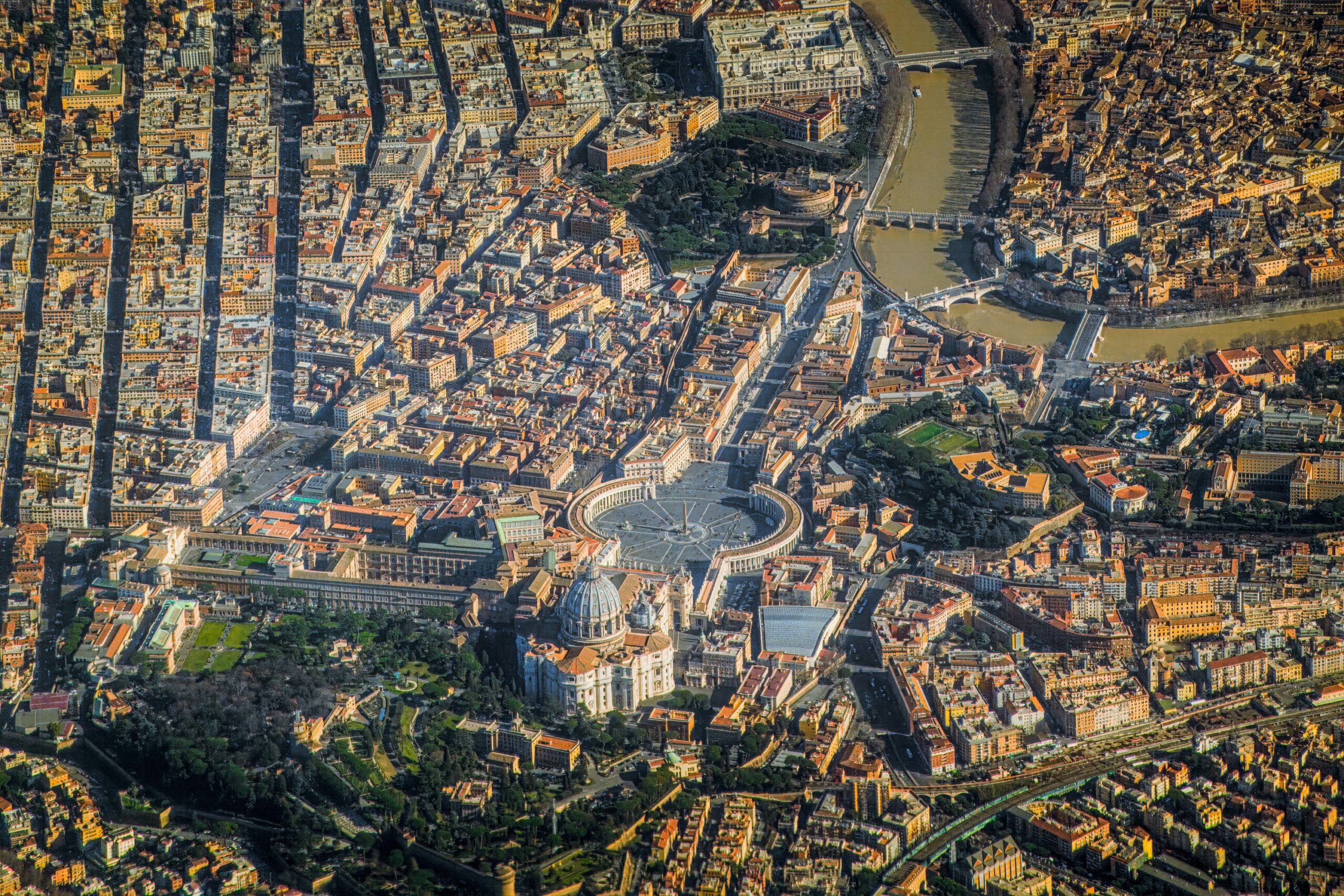
- St. Peter’s Square: the monumental forecourt gives your Vatican visit a very different architectural mood from the museum route.
- Vatican Gardens: available through specific access types and guided formats.
- Castel Sant’Angelo area: a logical follow-up if you want to continue exploring the broader Vatican-adjacent district.
Sistine Chapel vs Other Vatican Experiences
| Experience | Best For | Main Trade-Off |
|---|---|---|
| Sistine Chapel | Michelangelo, sacred atmosphere, art history peak moment | Can feel crowded; no photos; must be accessed through museum route |
| St. Peter’s Basilica | Monumental church architecture and spiritual scale | Different queue logic and dress expectations |
| Vatican Museums overall | Large art collections and broader papal museum context | Easy to get fatigued if you do not pace yourself |
| Vatican exterior areas | Open-air architecture and iconic Rome views | Less concentrated artistic intensity than the chapel itself |
Essential Travel Tips
- Dress respectfully: shoulders and knees should be covered for Vatican visits.
- Do not plan around photos: photography is forbidden inside the chapel, so prepare to experience it directly rather than through a phone screen.
- Time your route: the chapel comes after the museum sequence, so budget your energy and attention accordingly.
- Book ahead: spontaneous visits can mean long waits and worse timing windows.
- Do not rush the final approach: the buildup through the museums shapes the impact of the chapel.
- Manage expectations about crowds: even a “quiet” Vatican visit may still feel busy compared with smaller church sites in Rome.
Related Trip-Nexus Guides
FAQ
Do I need a separate ticket for the Sistine Chapel?
No. Entry is included with a Vatican Museums ticket, because the chapel is part of that overall visitor route.
Can I visit without a guided tour?
Yes. A self-guided visit is possible, but a guided visit or good preparation can dramatically improve your understanding of what you are seeing.
Can I take photos inside the Sistine Chapel?
No. Photography and filming with electronic equipment are prohibited inside the chapel.
How long should I plan for the visit?
The chapel itself may only hold your attention for a limited part of the route, but the full Vatican Museums experience usually needs several hours if you want to avoid rushing.
Is the Sistine Chapel suitable for children?
Yes, but younger children may struggle with the silence, crowd conditions, and overall museum length more than with the chapel itself.
What is the best time to visit?
Earlier museum access and quieter late-day slots are generally the most comfortable options, especially if you want a less pressured atmosphere.
Is it wheelchair accessible?
The Vatican Museums provide accessibility services and dedicated visitor information for accessible routes and support.
Is the Sistine Chapel worth it even if I am not deeply religious?
Absolutely. Many visitors come primarily for art history, architecture, and cultural significance rather than devotional reasons.
Official & Trusted Links
Google Map
Final Thoughts
The Sistine Chapel is one of those rare places that justifies every superlative people attach to it, but not always for the reasons they expect. Yes, it contains some of the most famous art in the world. But the real force of the room comes from the combination of silence, tension, sacred purpose, and human ambition pressed into one space.
To stand beneath Michelangelo’s work is not just to admire a masterpiece. It is to feel how art can still command attention across centuries, across languages, and across completely different kinds of travelers. Long after you leave the Vatican Museums, that sense of scale and stillness tends to stay with you.