You are seeking a high-fidelity 2026 plan for Lake Towada: navigating the complex Aomori-to-Towadako bus schedules, mastering the Oirase Gorge hiking logistics, and avoiding the “Golden Week” crowd traps while finding authentic Ryokan stays in the Yasumiya district.
1. The Amphitheater of the North
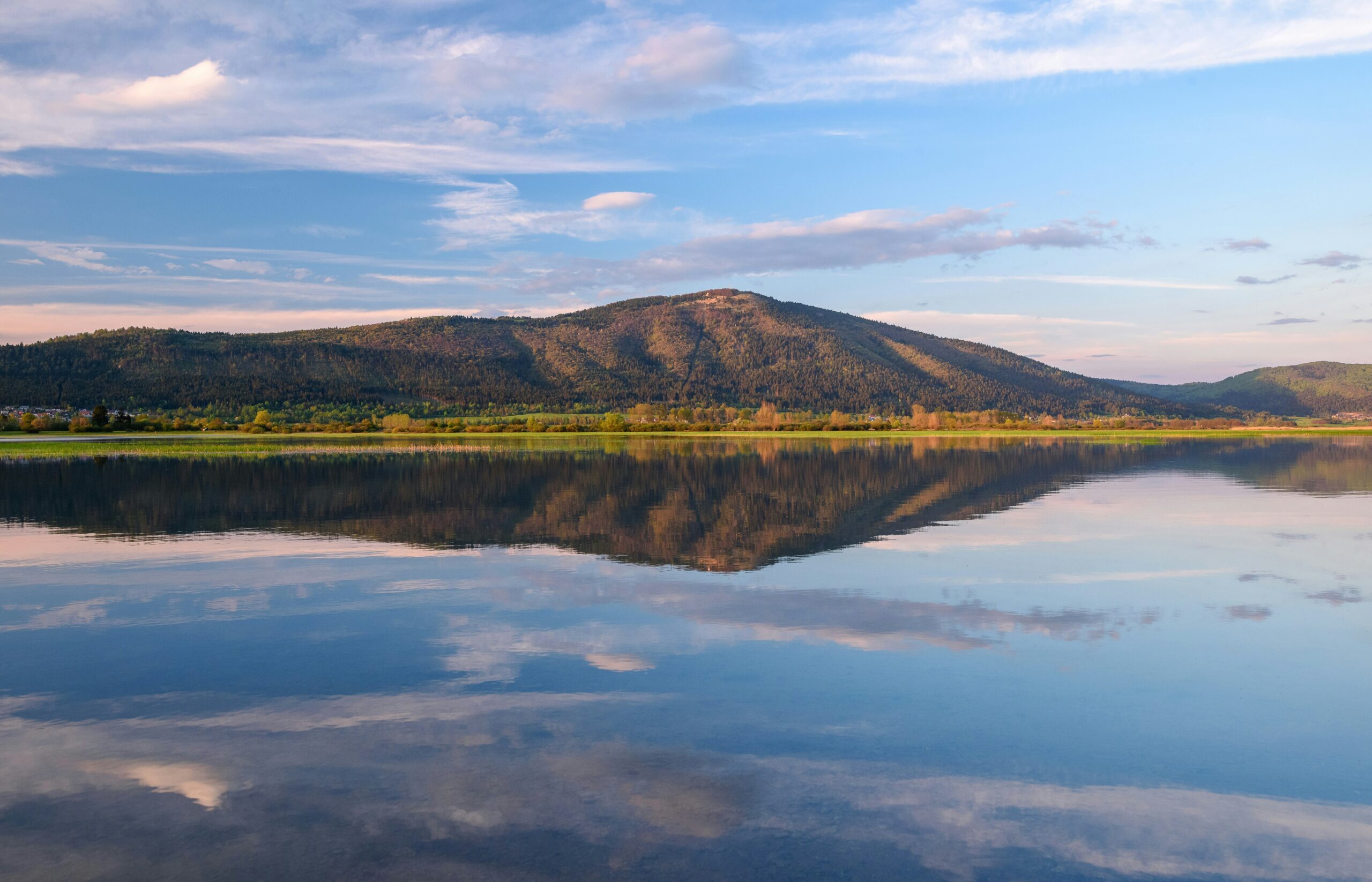
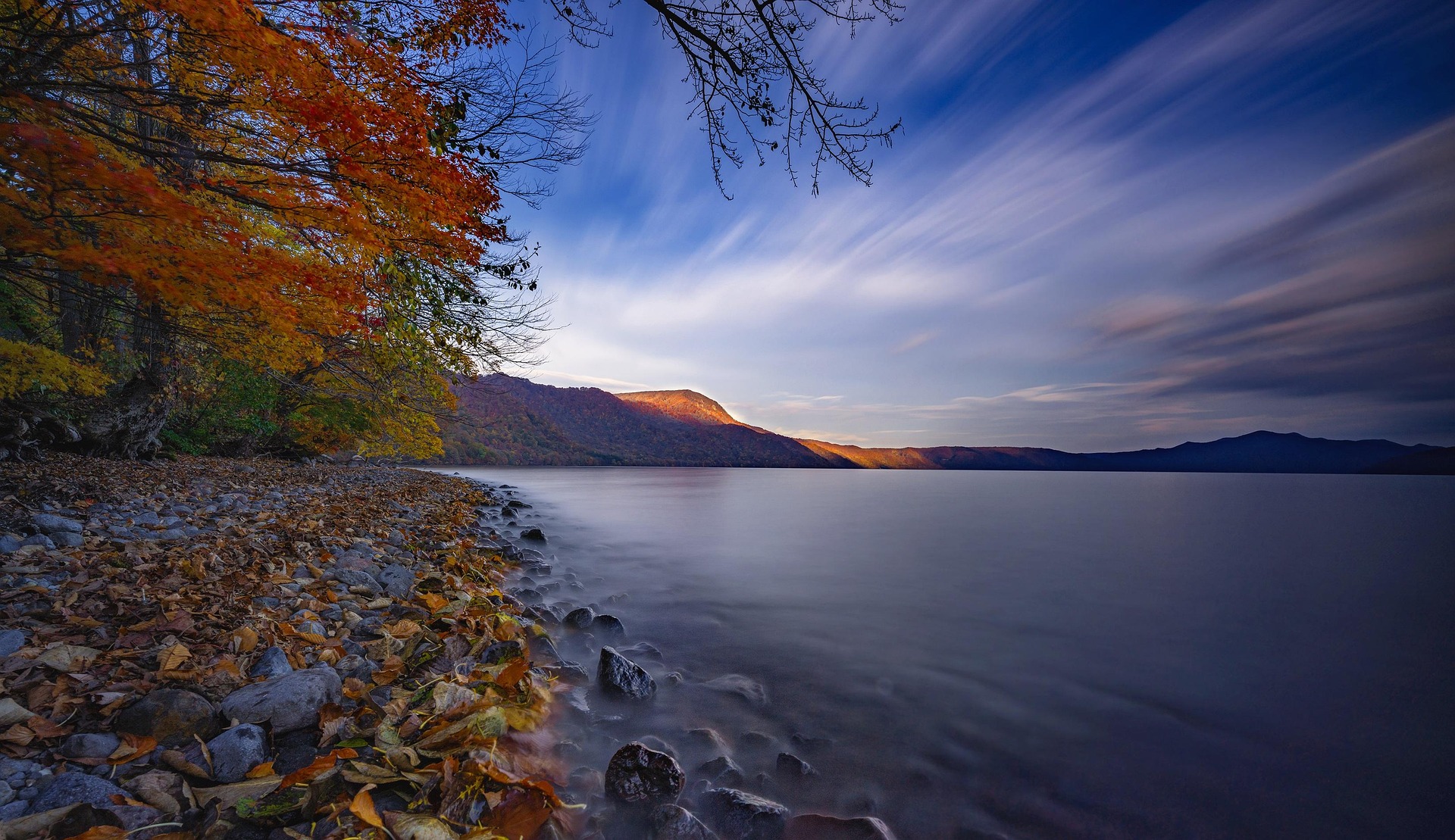
Lake Towada is a geological masterclass in volcanic scale. Formed by a massive eruption over 200,000 years ago, it now rests as a double-caldera lake within the Towada-Hachimantai National Park. When I first descended through the Hakkoda mountain passes toward the shoreline, the sheer deep-blue saturation of the water felt surreal—a mirror for the Aomori sky that seems to change its mood every hour.
In 2026, this destination remains a cornerstone for travelers seeking the “Ura-Nippon” (Hidden Japan) experience. It is not a place for rapid-fire sightseeing; it is a landscape that demands you slow your internal clock. Whether you are standing on the deck of a cruise boat or hiking the mossy banks of the Oirase stream, Lake Towada offers a rare sense of natural purity that urban Japan simply cannot replicate.
🌫️ The Atmospheric Reality
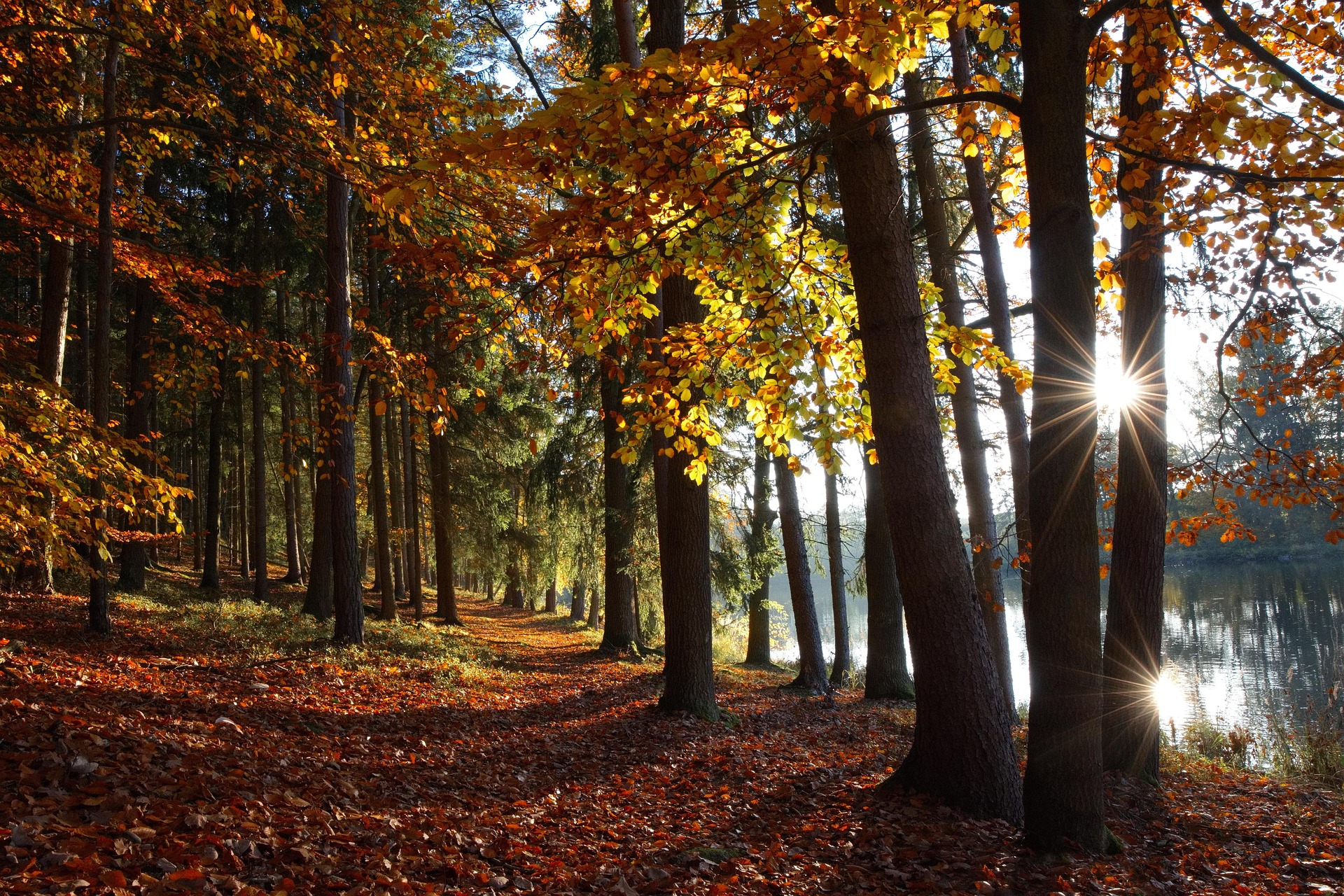
I noticed the air change the moment the bus climbed past the 400-meter mark. It’s thinner, colder, and carries a distinct scent of wet cedar and fresh water. On a quiet morning in Yasumiya, the lake surface is so still you can hear the wings of a crane from across the bay. It feels heavy with history and Shinto mysticism, especially as the morning mist clings to the “Statue of Maidens” on the shore.
2. Sacred Waters and the Spirit of Tohoku
The cultural heartbeat of the lake is the Towada Shrine. Tucked away in a grove of ancient cedars, it was once a site for ascetic monks practicing Shugendo. I felt a deep sense of weightiness walking the stone paths; the shrine doesn’t just sit by the lake, it guards it. The local folklore about the giant serpent of the lake adds a layer of mystery that makes every ripple on the water feel significant.
3. The Reality Check: Is the Hike Overrated?
Honestly? Many people attempt to hike the entire 14km Oirase Gorge in a single afternoon and end up exhausted, missing the best parts. The trail is spectacular but repetitive if you don’t pick your battles. My strategy: Take the bus to Ishigedo, hike the most scenic 9km to Nenokuchi, and then take the sightseeing boat across the lake to Yasumiya. It’s the perfect balance of effort and luxury. If you’re visiting in late October, the crowd density at the waterfalls can feel more like a Tokyo subway than a national park—arrive before 8 AM if you want a clean photo of the foliage.
I regret not spending the extra money for a lake-front room in Yasumiya. The fog rolling over the caldera at 5:00 AM is a core memory you can’t get if you’re staying in a budget inn 10 blocks back. If you’re coming this far north, invest in the view.
The JR buses usually stop running in late fall (around November). If you’re visiting in winter for the snow festivals, you must have a rental car with snow tires or book a specific hotel shuttle. Don’t assume public transport is 24/7/365 in rural Tohoku.
4. A vs B: Lake Towada vs. Lake Tazawa
If you’re choosing between the two great northern lakes, the decision comes down to scale vs. intimacy.
INSIDER HACKS 2026 Strategy
-
1The “Takonokoshi” Viewpoint Pivot
Don’t just stay in Yasumiya. Drive or take a shuttle to the Kanhodai Viewpoint. Most tourists stay at the shore level, but the caldera shape is only truly visible from these higher platforms. I noticed the light is best for photography between 3:30 PM and 4:30 PM. -
2The Hachinohe Arrival Hack
If you’re coming from Tokyo, get off the Shinkansen at Hachinohe, not Aomori. The “Oirase-go” bus from Hachinohe is generally less crowded and provides a smoother entry to the southern end of the gorge.
5. The Master Route: From Station to Shore
Phase 1: Deployment (08:00 AM). Catch the JR Bus from Aomori Station. Make sure to buy the “Aomori-Towadako Free Pass” if you’re not using a JR Rail Pass—it saves you nearly ¥2,000 on round trips.
Phase 2: The Gorge Drop (10:30 AM). Disembark at Ishigedo. Use the luggage delivery service (if available) to send your bags to your hotel in Yasumiya while you hike. Walk the 9km stretch toward Nenokuchi.
Phase 3: The Lake Transfer (14:30 PM). Reach Nenokuchi. Don’t take the bus to Yasumiya—take the Sightseeing Boat. Seeing the “Ogura” and “Nakayama” peninsulas from the water is the only way to grasp the scale of the caldera.
Phase 4: Sacred Evening. Arrive in Yasumiya, check into your Ryokan, and walk to the Towada Shrine for a sunset prayer. The silence here after the last bus leaves is the reason you came to Tohoku.
📋 2026 Expedition Checklist
- ✔ JR Rail Pass or Aomori-Towadako Bus Pass
- ✔ Waterproof hiking boots (Oirase paths are constantly damp)
- ✔ Cash (small shops in Yasumiya often have unstable card terminals)
- ✔ Bear Bell (if hiking early morning or late evening in the gorge)
- ✔ Offline Google Maps (cell signal is weak in the caldera depths)
6. Official Resources & Trust
- Ministry of Environment (National Park): env.go.jp
- JR Bus Tohoku (Timetables): jrbustohoku.co.jp
- Towada City Tourism: towadako.or.jp