Bongha Village Gimhae Guide: What Makes This Quiet Memorial Village Worth Visiting
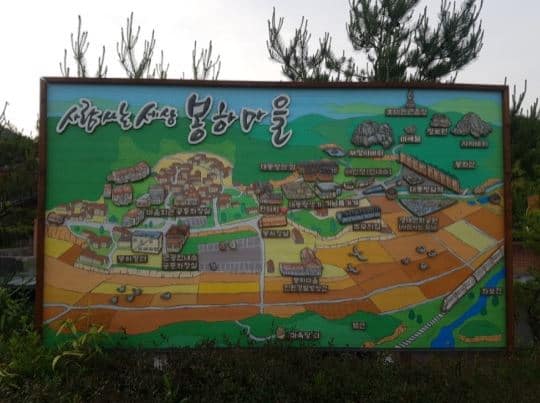
Bongha Village Gimhae is one of the most meaningful places to visit in South Korea if you want something deeper than a standard sightseeing stop. Set in the rural landscape of Jinyeong-eup in Gimhae, this village is best known as the hometown and final home of former President Roh Moo-hyun. What makes it memorable is not just politics. It is the unusual combination of open farmland, quiet memorial spaces, and a lived-in local atmosphere that makes the whole visit feel personal rather than staged.
The first time I looked into Bongha Village, I assumed it would feel formal and heavy, like a site people visit out of duty. In reality, it feels softer than that. Rice fields stretch out behind walking paths, local residents move through their day, and visitors speak in lowered voices without anyone needing to tell them to. That quiet tone becomes part of the experience. You are not just looking at history from behind a barrier. You are walking through a place where modern Korean history still feels close to the ground.
Search Intent
This guide is for travelers asking practical questions such as where Bongha Village Gimhae is located, why it matters, what there is to see beyond the memorial hall, how to get there from Busan or Gimhae, and whether the visit is worth the time if you are not deeply familiar with Korean politics.
Quick Summary
- 📍 Location: Jinyeong-eup, Gimhae, Gyeongsangnam-do
- 🏛 Main draw: Roh Moo-hyun Memorial Hall and memorial grounds
- 🎫 Entry: Free for most areas
- 🚆 Easiest route: Jinyeong Station plus a short taxi ride
- 🌿 Best mood: spring or autumn, especially on clear weekday mornings
Why Visit Bongha Village Gimhae
Bongha Village Gimhae matters because it gives visitors a more human way into modern Korean history. Roh Moo-hyun is remembered not only as a former president, but as a political figure whose story of social mobility, legal activism, and democratic reform still resonates strongly in Korea. Visiting the village where he was born and later returned to live after office makes that story feel less abstract.
It also helps that the setting has not been swallowed by commercial tourism. The landscape still feels rural. There are fields, trees, village lanes, and a pace that encourages you to slow down. If you enjoy places that mix politics, memory, and everyday life, this is far more rewarding than a quick museum-only stop in a big city.
Even for travelers who are not already invested in Korean political history, the village works because it feels sincere. That sincerity is rare, and I think that is the real reason people remember it.
What It Feels Like on the Ground
Walking through the village is a quiet experience. The paths are easy, the scenery is open, and the memorial areas are integrated into the wider landscape instead of separated from it. I like destinations where you do not need to force yourself into a reflective mood because the place does it naturally. Bongha Village is like that.
The Roh Moo-hyun Memorial Hall provides historical context, but the emotional center of the visit is often outside. Visitors move slowly between the hall, the memorial spaces, and the surrounding paths. Some people bring flowers. Others sit for a few minutes and say nothing. The atmosphere is respectful without feeling rigid.
One detail that stays with many visitors is how ordinary the village still feels. There are no giant theatrical gestures here. That ordinary quality is exactly what gives the place its power.
Key Information
| Category | Details |
|---|---|
| Location | Bonghama-ro, Jinyeong-eup, Gimhae |
| Typical hours | Around 09:00–18:00 for main facilities |
| Admission | Free for core public areas |
| Recommended stay | 1.5 to 3 hours |
Best Time to Visit
Spring and autumn are the easiest seasons for visiting Bongha Village Gimhae. Spring brings soft greenery and comfortable walking weather, while autumn adds crisp air and cleaner visibility across the fields. Summer is possible, but the humidity can be tiring, and winter can feel bare depending on your expectations.
If you want the quietest experience, choose a weekday morning. Commemorative dates connected to Roh Moo-hyun naturally bring more visitors, which can make the site feel more communal but less calm.
How to Get There
The easiest practical route is usually to travel to Jinyeong Station and take a short taxi ride from there. Visitors coming from Busan can also drive, and the journey is manageable for a half-day or day trip. If you prefer public transport the whole way, local buses are possible, but they are less convenient if your time is limited.
My honest advice is simple: unless you specifically enjoy navigating local bus timings, just use the train plus taxi combination. It removes friction and makes the visit feel much smoother.
A vs B: Is Bongha Village Right for You?
| Traveler type | Why it works |
|---|---|
| History-minded traveler | Strong if you want modern Korean political context and a reflective atmosphere. |
| Casual scenic traveler | Still worthwhile if you enjoy quiet countryside and low-key places with meaning. |
| Fast checklist tourist | Less ideal if you want a flashy attraction or a very short stop. |
Nearby Attractions
If you are making a wider Gimhae or Busan-area itinerary, you can pair the visit with Gimhae National Museum, Clayarch Gimhae Museum, or a Busan-focused day later. That helps turn the trip into a fuller regional history and culture route rather than a single-purpose outing.
FAQ
Why is Bongha Village famous?
It is the hometown and memorial village associated with former President Roh Moo-hyun.
Is Bongha Village free to visit?
Most core areas are free, though some special exhibitions or events may vary.
How long should I spend there?
Most visitors are comfortable with 1.5 to 3 hours.
Is Bongha Village worth it if I am not into politics?
Yes, if you appreciate reflective places, Korean history, and rural scenery.
What is the easiest transport option?
Train to Jinyeong Station followed by a short taxi ride is usually the smoothest option.
Is it suitable for families?
Yes, especially for families comfortable with a slower and quieter visit style.
What is the best season?
Spring and autumn are generally the most comfortable seasons.
Do I need to dress formally?
No, but respectful attire is a good idea because of the memorial character of the site.
Official & Trusted Resources
Related Travel Guides
Final Thoughts
Bongha Village Gimhae is not loud, flashy, or built for rushed tourism. That is exactly why it works. It gives you space to think, to understand a little more about modern Korea, and to experience a place where memory still feels active rather than packaged.
If you want a destination that feels sincere, reflective, and quietly powerful, Bongha Village deserves a real place in your Korea itinerary.