Baegunsan Mountain Gwangyang Hiking Guide: Why This Underrated Trail Is Actually Worth It
Baegunsan Mountain Gwangyang stands as one of the most beautiful yet underrated mountain destinations in South Korea. Rising above the peaceful landscapes of Jeollanam-do, Baegunsan offers visitors a chance to experience Korea’s wilderness beyond the busy national parks.
When I first heard about Baegunsan Mountain, I expected another typical hiking spot. Instead, the atmosphere felt completely different. The forest trails were quiet, the air was cooler, and the views stretched across valleys and distant ridges. It felt less like a tourist attraction and more like discovering a hidden natural sanctuary.
For travelers looking to experience authentic Korean nature, Baegunsan Mountain Gwangyang delivers something rare: scenic hiking routes, historic temples, seasonal festivals, and peaceful landscapes all in one place.
Search Intent
Travelers searching for Baegunsan Mountain Gwangyang usually want to know:
- Where is Baegunsan Mountain located?
- Is Baegunsan Mountain good for hiking?
- What can visitors see around Baegunsan?
- When is the best time to visit Baegunsan Mountain?
Quick Summary
- 📍 Location: Gwangyang, Jeollanam-do
- ⛰ Elevation: 1,222 meters
- 🥾 Main Activity: Hiking and nature exploration
- 🌸 Best Seasons: Spring flowers & autumn foliage
- 🏞 Nearby: Baegunsan Natural Recreation Forest
Why Visit Baegunsan Mountain
Baegunsan Mountain Gwangyang is famous for its pristine forests and diverse hiking trails. Unlike some of Korea’s most crowded mountains, Baegunsan still maintains a peaceful atmosphere where visitors can enjoy nature without overwhelming crowds.
The mountain is part of a protected ecological zone filled with rare plants, wildlife, and clear mountain streams. During spring, the slopes are decorated with wildflowers and blooming trees, while autumn transforms the landscape into a vibrant canvas of red and orange foliage.
For photographers and hikers, Baegunsan offers a perfect combination of scenic viewpoints, dense forests, and peaceful valleys.
The Hiking Experience
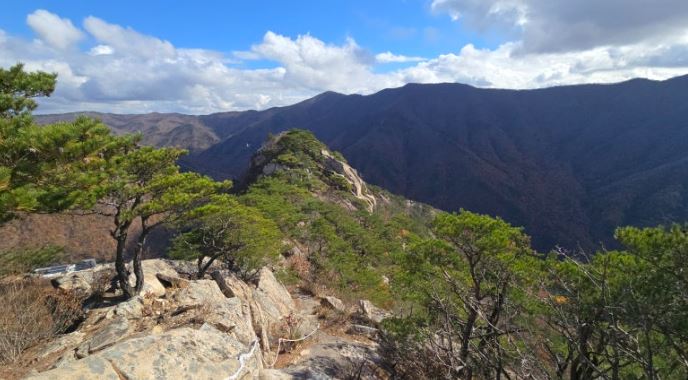
Hiking Baegunsan Mountain feels like stepping into a quieter version of Korea’s wilderness. The trails gradually climb through pine forests, rocky ridges, and hidden streams. Along the way, hikers often encounter small temples and resting shelters.
One thing that stood out to me during the hike was how peaceful the trails felt compared to more famous mountains like Hallasan or Seoraksan. You can often walk for long stretches hearing nothing but wind through the trees and birds in the forest.
As the trail approaches the summit, the view opens dramatically. From the peak, you can see the surrounding mountains of Jeollanam-do and the coastal landscapes in the distance.
Key Information
| Category | Details |
|---|---|
| Location | Gwangyang, Jeollanam-do, South Korea |
| Elevation | 1,222 meters |
| Best Seasons | Spring and Autumn |
| Entrance Fee | Free |
Google Map
Nature and Landscape of Baegunsan Mountain
One of the most captivating aspects of Baegunsan Mountain Gwangyang is the diversity of its natural environment. The mountain is covered in thick forests of pine, oak, and maple trees that create a constantly changing landscape throughout the year. During spring, the mountain becomes vibrant with blooming wildflowers and fresh green leaves. In autumn, the forests transform dramatically as red and golden foliage spreads across the slopes.
The mountain is also known for its rich biodiversity. Many native Korean plant species grow along the trails, and hikers occasionally encounter wildlife such as deer, birds, and small forest animals. Because large sections of the mountain remain protected natural areas, the ecosystem has remained relatively untouched compared to more developed tourist regions.
For nature photographers, Baegunsan Mountain offers incredible scenery. Early morning fog often fills the valleys, creating dramatic views as the sunlight slowly illuminates the ridges. These moments are especially memorable during autumn when the contrast between mist and colorful leaves creates breathtaking landscapes.
The mountain is also part of the larger Baekdudaegan mountain system, a major mountain spine that runs through the Korean Peninsula. This geographical connection gives Baegunsan both ecological and cultural importance within Korea’s natural heritage.
Nearby Attractions
- Baegunsan Natural Recreation Forest
- Gwangyang Maehwa Village (plum blossom festival)
- Seomjin River scenic area
Related Travel Guides
Official Resources
Final Thoughts
Baegunsan Mountain Gwangyang offers a refreshing alternative to Korea’s more crowded hiking destinations. With its quiet trails, natural beauty, and deep cultural history, the mountain provides a memorable outdoor experience for both casual travelers and serious hikers.
If your trip to Korea includes exploring the southern region, Baegunsan Mountain is absolutely worth adding to your itinerary.