There are few places on earth where color, light, and devotion collide with such breathtaking effect as in Ravenna, the Italian city whose ancient mosaics have made it a beacon for travelers, artists, and dreamers. The Ravenna Mosaics are more than just art—they are an immersive experience, a living testament to centuries of faith, politics, and creativity shimmering across the walls and domes of basilicas, baptisteries, and mausoleums. To step into Ravenna is to step into a world where every tile tells a story, and every surface seems to glow with its own secret light.
Why Visit Ravenna Mosaics
Ravenna’s mosaics are the very soul of the city. Adorned in gold, sapphire blue, and emerald green, these intricate masterpieces transport visitors through the epochs of Roman, Ostrogothic, and Byzantine rule. Each mosaic embodies an era’s aspirations, beliefs, and artistic ambitions. For lovers of history, art, and architectural wonder, Ravenna offers an unparalleled journey—a chance to walk through time, surrounded by the immortal brilliance of glass and stone. Whether you seek spiritual reflection, artistic inspiration, or a deeper connection to Italy’s storied past, Ravenna’s mosaics promise a transformative encounter.
Stepping Into Ravenna Mosaics
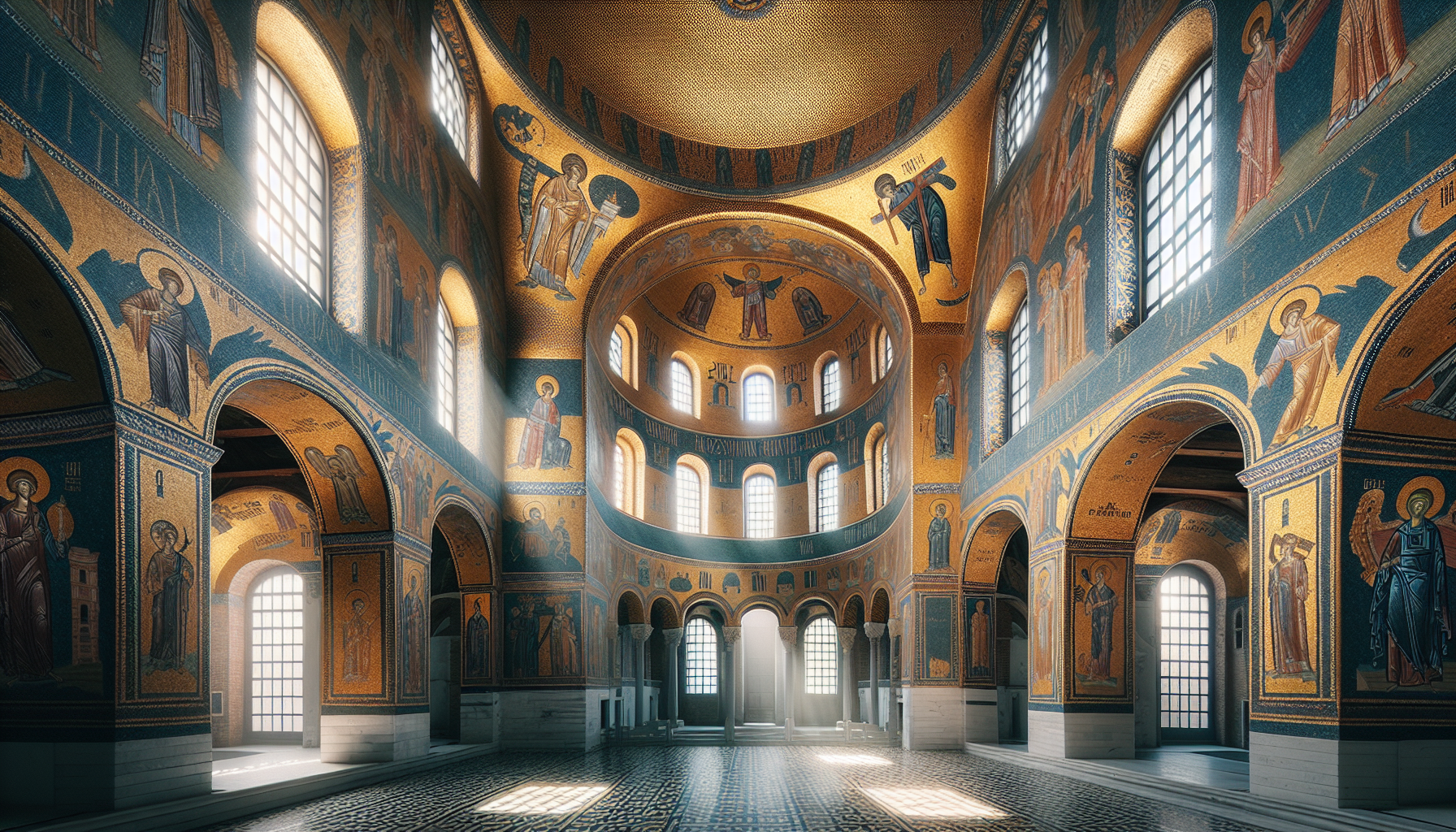
Approaching the Basilica di San Vitale, the sound of footsteps echoes softly on ancient stones. Sunlight filters through arched windows, illuminating walls festooned with swirling patterns and ethereal figures. The Empress Theodora, resplendent in imperial robes, gazes serenely from a mosaic panel, while processions of saints, martyrs, and angels seem to move in perpetual grace. The Baptistery of Neon and the Mausoleum of Galla Placidia offer equally mesmerizing spectacles—their domes and vaults a celestial panorama of stars, apostles, and biblical scenes rendered in tesserae so vibrant they seem almost lit from within. Each site in Ravenna invites silent awe and reverence, a feeling of standing in the presence of something both eternal and alive.
Key Information Table
| Aspect | Details |
|---|---|
| Location | Ravenna, Emilia-Romagna, Italy |
| Official Tourism Website | https://www.turismo.ra.it |
| Best Time to Visit | April to June, September to October |
| Main Sites | Basilica di San Vitale, Basilica di Sant’Apollinare Nuovo, Mausoleum of Galla Placidia, Baptistery of Neon, Basilica di Sant’Apollinare in Classe |
| Entry Fees | Combined ticket (main sites): approx. €10–12 |
| Opening Hours | Typically 9:00–19:00 (seasonal variations) |
| Accessibility | Most sites accessible; some have limited mobility access |
| Photography Policy | Allowed without flash |
Immersive Cultural Experiences
Ravenna’s cultural vibrancy extends beyond its mosaic-clad walls. The city’s museums, such as the National Museum of Ravenna, house rare artifacts and early Christian relics. Artisans continue the tradition of mosaic-making, offering workshops where visitors can learn the delicate craft firsthand. Throughout the city, contemporary art installations and open-air concerts fuse past and present, creating a dialogue between the golden ages of antiquity and modern Italy. Wandering Ravenna’s cobblestone streets, you’ll encounter bustling markets, charming cafes, and the gentle rhythm of daily Italian life—all set against a backdrop of ancient splendor.
Seasonal Festivals and Special Events
Ravenna comes alive with festivals that honor its artistic and spiritual heritage. The Ravenna Festival, held from late spring to early summer, is a celebration of music, dance, and theater, drawing performers and audiences from around the world. Special guided tours and evening openings of mosaic sites offer a magical, intimate experience. During Christmas and Easter, religious processions and choral performances fill the city with reverent beauty. The annual Mosaic Biennale showcases both historical works and innovative new creations, inviting visitors to witness the evolution of an ancient art form.
Google Map
How to Get There
Ravenna is easily reached by train from major Italian cities such as Bologna (1 hour), Florence (2.5 hours), and Venice (2.5 hours). The city is well-connected by regional highways, and convenient bus lines serve the main mosaic sites. The nearest major airport is Bologna Guglielmo Marconi Airport, with direct connections to Ravenna via train or shuttle bus. For those traveling by car, paid parking is available near the city center. Once in Ravenna, most attractions are within walking distance, making it an ideal destination for leisurely exploration.
Nearby Attractions and Local Eats
Dante’s Tomb: The final resting place of the great poet Dante Alighieri, nestled in a peaceful garden near the heart of Ravenna.
Essential Travel Tips
To truly appreciate the Ravenna Mosaics, allow at least two full days for your visit. Purchase a combined ticket to access multiple sites and avoid long queues. Early mornings and late afternoons offer the best light for viewing mosaics and for photography. Comfortable shoes are a must for exploring the cobbled streets. While English is spoken at most attractions, a few Italian phrases will enrich your experience. Many sites are places of worship, so modest attire is recommended. Don’t miss the local cuisine—piadina flatbreads, fresh seafood, and Sangiovese wine are regional specialties worth savoring.
What Makes This Destination Unique
What sets the Ravenna Mosaics apart is the sheer concentration and quality of their artistry—nowhere else in Europe can one find such an abundance of early Christian and Byzantine mosaics. These masterpieces have survived wars, floods, and the passage of centuries, their colors undimmed and their beauty undiminished. Ravenna’s mosaics are more than historic artifacts; they are an expression of humanity’s enduring quest for meaning, transcendence, and beauty. They invite every visitor to lose themselves in a sea of shimmering gold and vivid blue, to trace the outlines of stories centuries old, and to emerge transformed by the encounter.