Why the “Grottoes” of Catullus Is Not What Most Travelers Expect
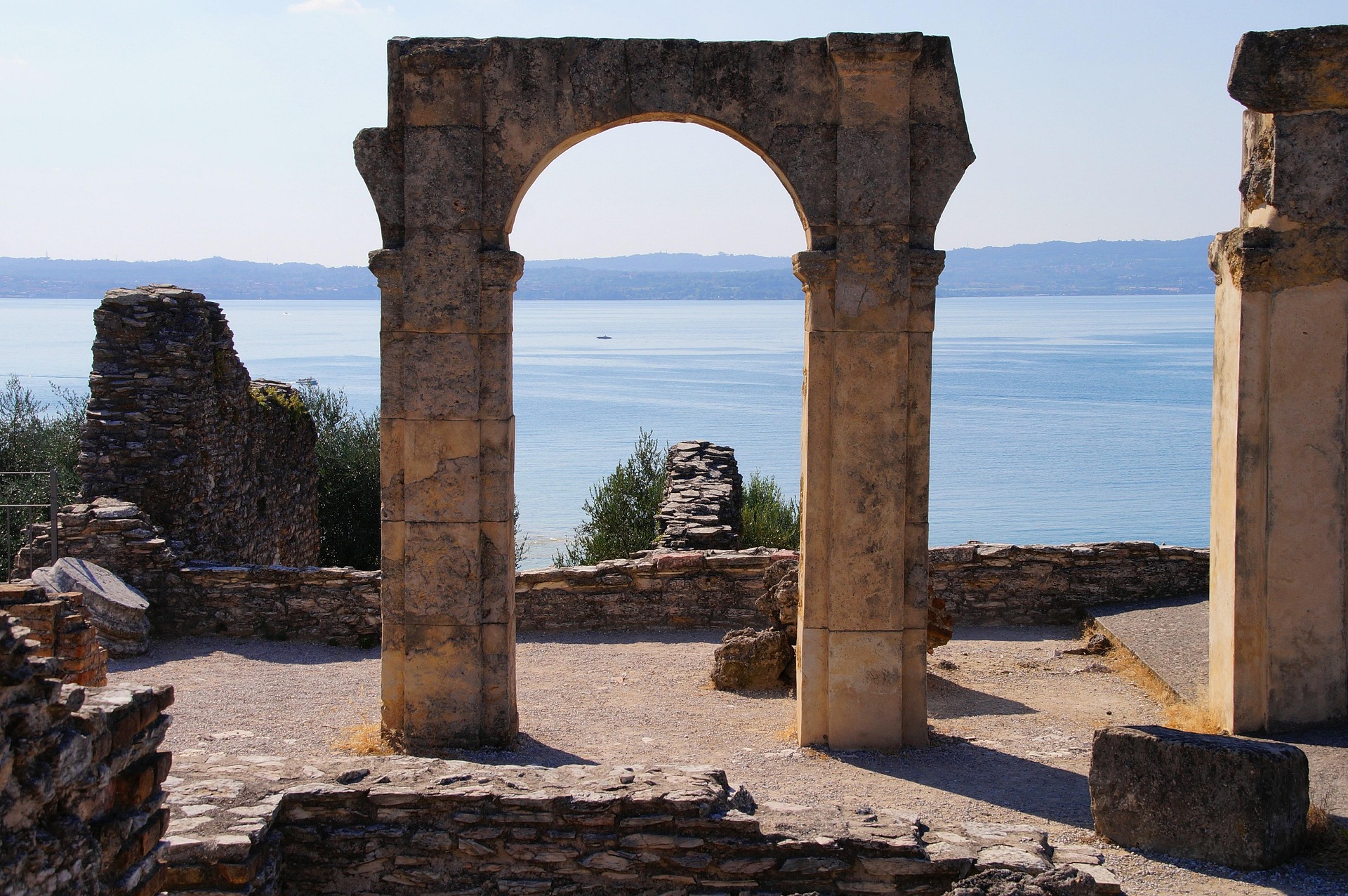
Grottoes of Catullus sits on the tip of the Sirmione peninsula like a broken crown of stone above Lake Garda, and it is one of those places that feels bigger than its ruins. You are not just looking at old walls. You are walking through the remains of one of northern Italy’s most impressive Roman private villas, surrounded by olive trees, lake light, and the kind of panoramic silence that makes you slow down without trying.
I think this is one of the rare archaeological sites that genuinely works for both history-focused travelers and people who simply want a beautiful half-day stop on Lake Garda. The setting does a lot of emotional work here. Even before you start reading the signs, the place already feels memorable.
Search Intent
This guide is for travelers who want the practical answer first: what the Grottoes of Catullus actually is, whether it is worth visiting, how long to stay, when to go, how to get there from central Sirmione, and what to combine with it nearby.
Quick Summary
- The Grottoes of Catullus is a large Roman villa ruin at the far end of the Sirmione peninsula.
- It is worth visiting for the lake views alone, but the archaeology and small museum make it much richer than a scenic stop.
- Go early or late for softer light, fewer people, and a calmer walk through the olive grove and ruins.
- Wear stable shoes because some surfaces are uneven, even if the overall route is manageable for many visitors.
- Pair it with Scaliger Castle, central Sirmione, and a lakefront walk for an easy full day.
Why the Grottoes of Catullus Matters
Many travelers hear the word “grottoes” and imagine caves. That is not what this site is. The name comes from an old misunderstanding: centuries ago, the collapsed and overgrown spaces looked like natural cavities, so people began calling them “grotte.” In reality, this is the monumental remains of a Roman villa built between the late 1st century BC and the 2nd century AD, dramatically positioned at the very end of the peninsula. :contentReference[oaicite:1]{index=1}
That matters because it changes how you experience the place. You are not visiting a single building or a small ruin fenced off for a photo. You are moving through the footprint of an elite Roman residence in a spectacular panoramic position, and that combination of scale, landscape, and literary association with Catullus is what gives the site its staying power. The official cultural description also emphasizes that this is the largest and most luxurious private residence known in northern Italy. :contentReference[oaicite:2]{index=2}
For Trip Nexus readers planning a wider Italy route, this kind of stop works especially well if you already enjoy layered historic environments like Rialto Bridge in Venice, the atmospheric passageways around the Bridge of Sighs, or more dramatic nature-led experiences such as the Dolomites Tre Cime. The Grottoes of Catullus is quieter than those places, but that is exactly why it stays with you.
What It Feels Like on Site
I would not describe this as a “busy attraction” in the usual sense. Even when other visitors are around, the site still feels spread out and airy because the ruins are open to the sky and broken across a broad headland. The first strong impression is not the masonry. It is the light. Lake Garda reflects up into the stone and olive leaves, and the whole place feels brighter and more exposed than inland Roman sites.
What surprised me most when reviewing the structure of this destination was how cinematic the movement through it feels. You do not get everything at once. A wall opens to a view, a path turns through the olive grove, then suddenly the lake appears again. That rhythm keeps the visit from becoming a purely educational walk. It becomes spatial and emotional.
History and Cultural Context
The literary connection to the poet Catullus is part of the site’s identity, but it is more a historical association and cultural memory than a proven statement that this was literally his house. What is firmly supported is the Roman villa itself and its extraordinary location at Sirmione’s tip. Visit Sirmione describes the ruins as one of Italy’s most fascinating archaeological sites, and the Ministry of Culture frames it as an exceptional panoramic archaeological complex. :contentReference[oaicite:3]{index=3}
The ruins are also connected to the archaeological museum inside the site, which adds important context to what you see outside. Without the museum, some visitors might only read the place as scenic remains. With the museum, you start connecting the villa to daily life, material culture, and Roman settlement around the southern Lake Garda area.
That is one reason this stop works well for travelers who like meaning, not just aesthetics. The place sits at the intersection of poetry, archaeology, topography, and tourism memory. Sirmione itself has long been framed through that blend of myth and place, and the Grottoes is one of the clearest examples of it. :contentReference[oaicite:4]{index=4}
Highlights You Should Not Miss
- The peninsula-edge viewpoints: These are the emotional center of the visit and the reason many people leave impressed even if they are not archaeology specialists.
- The scale of the villa footprint: Seeing how large the site really is helps you understand the status of the original Roman residence.
- The olive grove setting: It softens the ruins and makes the site feel alive rather than museum-still.
- The on-site archaeological museum: It turns the visit from scenic to interpretive and is worth entering.
- The northern terrace area: The official site highlights the belvedere/terrace sector as one of the defining features of the complex. :contentReference[oaicite:5]{index=5}
Key Visitor Information
| Location | Sirmione, Lake Garda, Lombardy, Italy |
|---|---|
| What it is | Ruins of a major Roman villa complex with an archaeological museum |
| Current opening pattern | Monday closed; Tuesday–Saturday 08:30–17:00; Sunday 08:30–14:00 |
| Current standard ticket | €10 full ticket; reduced categories available |
| Accessibility note | The official site notes multiple routes, including a shorter route suitable for visitors with mobility difficulties, around 40 minutes |
| Recommended visit time | About 1.5 to 2.5 hours if you include the museum and slow viewpoints |
| Official booking check | Always confirm hours and ticket conditions before departure because schedules can change seasonally |
The hours, ticket price, and shorter route note above are based on the official Ministry and museum pages currently indexed online. :contentReference[oaicite:6]{index=6}
Cultural Experience and Museum Layer
The best version of this visit is not just walking the outdoor ruins and leaving. The museum matters. It grounds the villa in material evidence and gives shape to what could otherwise become a vaguely romantic experience. That balance is what makes the Grottoes stronger than many scenic ruins.
There are also official and local tourism references to guided discoveries and event programming tied to the site, which tells you it is not being treated as a dead monument. It still functions as an interpreted cultural space within Sirmione’s wider identity. :contentReference[oaicite:7]{index=7}
Travel Tips That Make the Visit Better
Go early or late. The site becomes much more beautiful when the light is softer and the peninsula path feels calmer.
Do not wear flimsy shoes. That sounds obvious, but it is an easy mistake if you come from central Sirmione after a leisurely lakeside walk.
Build in time for the walk there. From the historic center, the route itself is part of the experience.
Check boats if you want a scenic arrival or departure. Navigazione Laghi publishes official Lake Garda timetables and rates, and schedules are seasonal. :contentReference[oaicite:8]{index=8}
Keep your phone connected. If you are doing a multi-stop trip across Italy, setting up data in advance with an international eSIM guide or reading a broader app transport article like the InDrive ride-hailing guide can save annoying transit friction.
Be realistic about summer heat. The exposed stone and open viewpoints are gorgeous, but midday can feel harsher than photos suggest.
How to Get There
Sirmione is reachable by road, and many visitors approach from Desenzano del Garda or Peschiera del Garda. If you arrive by train, Desenzano del Garda-Sirmione is the most common rail gateway, after which you continue by bus, taxi, or local transfer toward Sirmione. From the old town area, the Grottoes of Catullus is typically reached on foot via a scenic peninsula walk.
A ferry option can also work well, especially if you are building a Lake Garda day around views rather than speed. Official Lake Garda ferry schedules and rates are available through Navigazione Laghi, and they change with the season, so do not rely on an old screenshot. :contentReference[oaicite:9]{index=9}
Nearby Attractions and Easy Pairings
Scaliger Castle: This is the most natural same-day pairing. The official Sirmione tourism portal describes it as a 14th-century lakeside fortress built by the Della Scala family, and it gives you a completely different historic mood from the Roman villa. :contentReference[oaicite:10]{index=10}
Terme di Sirmione: If you want to shift from archaeology to relaxation, the thermal facilities are one of Sirmione’s signature experiences. :contentReference[oaicite:11]{index=11}
Old Town Sirmione: The walk itself, with narrow streets and lake edges, is part of why this destination works so well as a half-day cultural stop.
For readers building a larger itinerary, you can continue your Italy planning with Poetto Beach in Cagliari if you want a coastal contrast, or step outside Italy entirely to compare the feeling of elegant historic public space at Place des Vosges and museum-centered city stops like Petit Palais.
Grottoes of Catullus vs Scaliger Castle
| Factor | Grottoes of Catullus | Scaliger Castle |
|---|---|---|
| Main appeal | Roman archaeology + panoramic ruins | Medieval fortress + tower views |
| Atmosphere | Open, reflective, scenic | Compact, dramatic, defensive |
| Best for | History lovers and slow walkers | Quick landmark visits and classic Sirmione photos |
| Time needed | 1.5–2.5 hours | Shorter visit is possible |
If you only have time for one, I would pick the Grottoes if you care about atmosphere and setting, and the castle if you want a faster, more iconic central Sirmione stop.
Who Should Visit
- Travelers who enjoy Roman history but do not want a crowded big-city archaeological experience
- Lake Garda visitors looking for a cultural stop with genuinely memorable scenery
- Photographers who like stone, water, trees, and layered horizon lines
- Couples and slower-paced travelers who want a half-day visit with atmosphere
- Readers, poets, and literature-minded visitors drawn to the Catullus association
FAQ
Is the Grottoes of Catullus worth visiting?
Yes. It is one of the strongest cultural stops on Lake Garda because the archaeology, lake views, and peninsula setting all work together.
How long do you need at the site?
Most visitors should allow 1.5 to 2.5 hours, especially if including the museum and a slow walk through the viewpoints.
Is it actually a cave?
No. Despite the name, it is a Roman villa ruin, not a natural cave system.
Can you visit with limited mobility?
The official museum page notes that there are multiple routes and that the shortest route, suitable for visitors with mobility difficulties, takes around 40 minutes. :contentReference[oaicite:12]{index=12}
What is the best time of day to go?
Early morning or later afternoon is best for softer light, fewer crowds, and a more atmospheric experience.
Can I combine it with other Sirmione attractions?
Yes. Pair it with Scaliger Castle, the old town, and possibly Terme di Sirmione for a full and very balanced day.
Do hours and ticket prices change?
Yes, they can change seasonally or operationally, so always check the official page before visiting. :contentReference[oaicite:13]{index=13}
Internal Links You May Also Like
Official Links
Google Map
Final Thoughts
The Grottoes of Catullus is not a place that overwhelms you with spectacle in the first ten seconds. It wins more quietly than that. The views are wide, the ruins are fragmentary, and the emotional impact comes from how those things meet. I think that is exactly why it works. It feels lived in by history rather than staged for tourists.
If your ideal travel day includes a meaningful walk, a layered historical setting, and one of the most beautiful lake panoramas in northern Italy, this is an easy yes.